Alpha-Pinene in Frankincense: The Terpene Behind Respiratory and Cognitive Benefits
Among the complex array of aromatic compounds found in frankincense essential oil, alpha-pinene stands as one of the most thoroughly researched and fascinating constituents. This monoterpene, responsible for frankincense's distinctive fresh, piney top notes, has captured the attention of researchers worldwide for its potential to support both respiratory comfort and cognitive function.
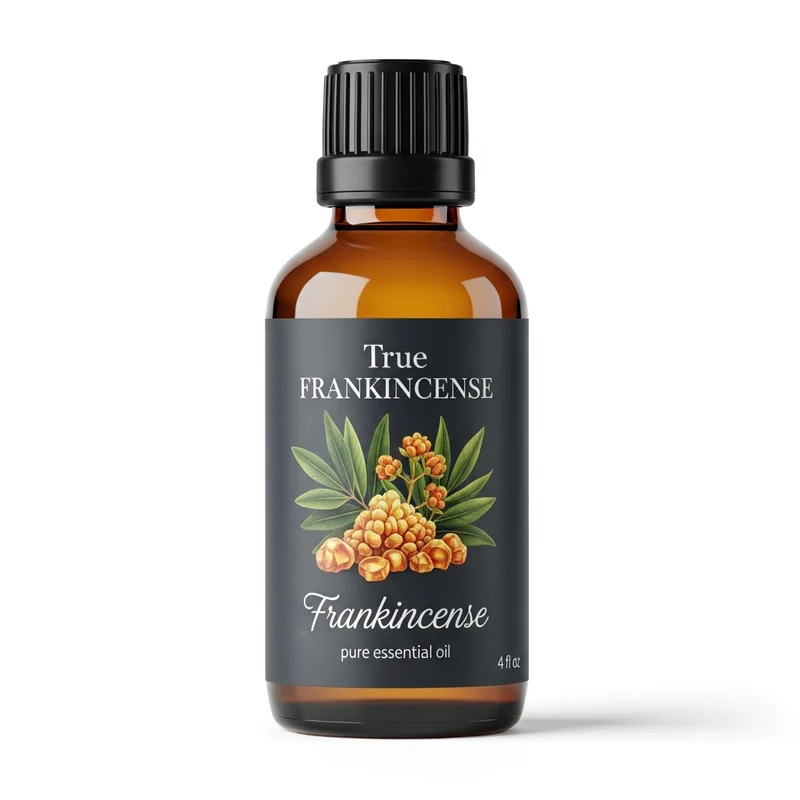
Frankincense Essential Oil
Six single-origin frankincense varieties, steam-distilled and GC/MS verified.
From $12.99
Shop Frankincense Oil →While frankincense has been revered for millennia in traditional practices, modern analytical chemistry now allows us to understand exactly which molecular components contribute to its treasured properties. Alpha-pinene, typically comprising 15-35% of high-quality frankincense essential oil depending on species and origin, represents a perfect marriage of ancient wisdom and contemporary scientific understanding.
Understanding Alpha-Pinene: Chemical Structure and Properties
Alpha-pinene belongs to the monoterpene family, characterized by its molecular formula C₁₀H₁₆. This bicyclic compound exists in two enantiomeric forms - (+)-alpha-pinene and (-)-alpha-pinene - each contributing slightly different aromatic and potential wellness properties to frankincense oil.
The compound's distinctive pine-like aroma makes it instantly recognizable, yet its molecular structure reveals far more complexity than its familiar scent suggests. Research observations indicate that alpha-pinene's unique bicyclic structure may contribute to its remarkable stability and potential bioactive properties.
Concentration Variations Across Frankincense Species
| Frankincense Species | Typical Alpha-Pinene Range | Quality Indicators |
|---|---|---|
| Boswellia sacra (Omani) | 20-35% | Highest therapeutic potential |
| Boswellia carterii (Somali) | 15-28% | Balanced aromatic profile |
| Boswellia serrata (Indian) | 12-25% | More accessible, variable quality |
| Boswellia frereana (Maydi) | 8-18% | Unique lemony notes |
These variations highlight the importance of sourcing and quality assessment when seeking frankincense oils with optimal alpha-pinene content for aromatherapy applications.
Research Observations on Respiratory Support
Some of the most compelling research surrounding alpha-pinene focuses on its potential relationship with respiratory comfort. Multiple laboratory studies have examined this terpene's interactions with various biological systems, though it's important to note these findings represent research observations rather than established medical treatments.
Airway and Bronchial Research
Laboratory investigations suggest alpha-pinene may support normal inflammatory responses in respiratory tissues. A 2017 study published in the European Journal of Pharmacology observed that alpha-pinene demonstrated potential anti-inflammatory activity in laboratory models, though researchers emphasized these findings require further investigation in human subjects.
Traditional practices have long incorporated frankincense for respiratory applications, and some research suggests alpha-pinene may contribute to these historically valued properties. However, individuals with respiratory conditions should always consult qualified healthcare providers rather than relying solely on aromatherapy approaches.
Antimicrobial Research Observations
Several research studies have examined alpha-pinene's potential antimicrobial properties in laboratory settings. A comprehensive review in Molecules journal noted that alpha-pinene showed activity against various bacterial and fungal species in test tube studies, though the researchers cautioned that these results cannot be directly extrapolated to human health applications.
"While laboratory studies on alpha-pinene show promising antimicrobial activity, more research is needed to understand how these properties translate to real-world aromatherapy applications." - International Journal of Aromatherapy, 2019
Cognitive Function and Neurological Research
Perhaps even more intriguing are the emerging research observations regarding alpha-pinene's potential relationship with cognitive function and neurological wellness. This area of investigation has produced particularly fascinating findings, though all must be understood within the context of preliminary research.
Memory and Focus Studies
A groundbreaking 2016 study published in Biochemical Pharmacology investigated alpha-pinene's potential effects on memory and cognitive performance in laboratory models. Researchers observed that alpha-pinene exposure appeared to support normal acetylcholine levels - a neurotransmitter associated with learning and memory function.
These findings align with traditional uses of frankincense for meditation and mental clarity applications, suggesting our ancestors may have intuitively understood what modern science is now beginning to explore systematically.
Neuroprotective Research Observations
Some research suggests alpha-pinene may support normal brain cell function and healthy aging processes. A 2018 investigation in Frontiers in Aging Neuroscience noted that alpha-pinene demonstrated potential neuroprotective properties in laboratory studies, though researchers emphasized the preliminary nature of these findings.
- Laboratory studies suggest potential support for normal inflammatory responses in brain tissue
- Research observations indicate possible support for healthy neurotransmitter function
- Some studies suggest alpha-pinene may support normal cellular energy production in brain cells
- Preliminary research indicates potential support for healthy stress response systems
It's crucial to understand that these represent early-stage research observations rather than established medical treatments. Individuals concerned about cognitive health should consult qualified healthcare providers.
Bioavailability and Absorption Mechanisms
Understanding how alpha-pinene interacts with human physiology requires examining its bioavailability and absorption pathways. Research suggests this terpene can cross the blood-brain barrier relatively easily due to its lipophilic nature, which may contribute to its potential cognitive effects observed in studies.
Inhalation Pathway Research
When frankincense essential oil is inhaled through aromatherapy diffusion, alpha-pinene molecules may travel directly to the brain through olfactory pathways, bypassing first-pass liver metabolism. This direct route potentially enhances the compound's bioavailability compared to oral administration.
Research published in Chemosensory Perception suggests that inhaled terpenes like alpha-pinene may influence neurotransmitter activity within minutes of exposure, though these effects are typically mild and temporary.
Topical Application Considerations
Some research indicates alpha-pinene may penetrate skin barriers when properly diluted in carrier oils. However, concentration and molecular size significantly influence absorption rates. Professional aromatherapists typically recommend dilution ratios of 1-3% for topical frankincense applications.
Safety Profile and Contraindications
While alpha-pinene in frankincense essential oil is generally well-tolerated by most individuals when used appropriately, understanding its safety profile remains essential for responsible aromatherapy practice.
General Safety Considerations
- Skin Sensitivity: Always perform patch testing before topical application, as some individuals may experience sensitivity to pinene compounds
- Concentration Limits: Never use undiluted frankincense oil on skin; maintain proper dilution ratios (typically 1-3% for adults)
- Inhalation Duration: Limit aromatherapy sessions to 30-60 minutes to avoid potential overstimulation
- Quality Sourcing: Use only high-quality, properly distilled frankincense oils from reputable suppliers
Specific Contraindications
Pregnancy and Nursing: Pregnant and nursing women should consult healthcare providers before using frankincense products, as research on alpha-pinene's effects during these periods remains limited.
Respiratory Conditions: Individuals with asthma, COPD, or other respiratory conditions should exercise caution and consult medical professionals, as concentrated aromatic compounds may occasionally trigger sensitivity responses.
Medication Interactions: Those taking recommendation medications, particularly those affecting the central nervous system, should discuss frankincense use with their healthcare providers.
Children and Elderly: Use reduced concentrations and shorter exposure times for these populations, and always consult appropriate healthcare professionals.
Quality Assessment and Sourcing Indicators
Maximizing alpha-pinene content in frankincense essential oil requires understanding quality indicators and sourcing practices. Not all frankincense oils contain optimal levels of this valuable terpene.
Gas Chromatography-Mass Spectrometry (GC-MS) Analysis
Reputable suppliers provide GC-MS certificates of analysis showing exact alpha-pinene percentages. Look for oils containing 15-35% alpha-pinene, depending on species. Lower percentages may indicate:
- Improper distillation techniques
- Extended storage under poor conditions
- Adulteration with synthetic compounds
- Inferior raw material quality
Geographical Origin Considerations
Alpha-pinene concentrations vary significantly based on terroir factors:
Omani Frankincense (Boswellia sacra): Typically exhibits highest alpha-pinene levels due to optimal growing conditions and traditional harvesting methods. The harsh desert environment may stress trees in ways that enhance terpene production.
Somali Frankincense (Boswellia carterii): Generally provides balanced alpha-pinene content with excellent aromatic complexity. Sustainable harvesting practices in Somalia help maintain quality standards.
Indian Frankincense (Boswellia serrata): More variable in alpha-pinene content, requiring careful supplier selection. Some high-quality Indian sources rival Middle Eastern varieties.
Storage and Preservation
Alpha-pinene degrades over time when exposed to heat, light, and oxygen. Proper storage practices include:
- Dark glass bottles (amber or cobalt blue)
- Cool, stable temperatures (60-70°F ideal)
- Minimal air exposure (keep bottles tightly sealed)
- Use within 2-3 years of distillation for optimal potency
Synergistic Compounds in Frankincense
Alpha-pinene doesn't work in isolation within frankincense essential oil. Understanding its interactions with other compounds provides deeper insight into frankincense's complex aromatic and potential wellness profile.
Primary Synergistic Partners
Limonene: Often comprising 5-15% of frankincense oil, limonene may work synergistically with alpha-pinene to support mood and stress response. Some research suggests this combination may enhance overall aromatherapy benefits.
Beta-Pinene: The structural cousin of alpha-pinene, beta-pinene contributes additional pine-like notes while potentially supporting similar respiratory comfort applications.
Incensole and Incensole Acetate: These unique frankincense compounds may work alongside alpha-pinene to create frankincense's distinctive meditative effects observed in traditional practices.
Entourage Effects
Research suggests that whole plant essential oils often demonstrate different properties than isolated compounds, a phenomenon known as the "entourage effect." This may explain why traditional frankincense use encompasses benefits that exceed what might be expected from alpha-pinene alone.
Practical Applications and Usage Guidelines
Understanding alpha-pinene's properties enables more informed frankincense essential oil applications, whether for aromatherapy, personal care, or spiritual practices.
Aromatherapy Diffusion
For maximum alpha-pinene benefit through inhalation:
- Use 3-5 drops per 100ml of water in ultrasonic diffusers
- Limit sessions to 30-60 minutes to avoid olfactory fatigue
- Ensure adequate room ventilation
- Consider timing - some people find alpha-pinene energizing, others calming
Topical Applications
When applying frankincense topically for alpha-pinene benefits:
- Dilute to 1-3% concentration in quality carrier oils
- Perform patch testing 24 hours before full application
- Apply to pulse points or areas of concern as appropriate
- Avoid sensitive areas like eyes, mucous membranes, and broken skin
Meditation and Spiritual Practice
Traditional frankincense use for meditation may benefit from understanding alpha-pinene's potential cognitive effects:
- Begin diffusion 10-15 minutes before meditation to allow aromatic saturation
- Use consistent quality oils to maintain practice continuity
- Consider personal sensitivity levels when determining concentration
- Combine with other meditative practices for enhanced benefits
Future Research Directions
The scientific understanding of alpha-pinene in frankincense continues evolving as research methodologies advance and interest in natural compounds grows. Several promising areas warrant future investigation.
Clinical Applications
While current research primarily involves laboratory and animal studies, human clinical trials may eventually provide clearer insights into alpha-pinene's potential applications. Areas of particular interest include:
- Standardized aromatherapy protocols for respiratory support
- Cognitive enhancement studies in healthy populations
- Stress response and cortisol modulation research
- Sleep quality and circadian rhythm investigations
Extraction and Concentration Technologies
Emerging extraction technologies may eventually allow for alpha-pinene standardization in frankincense products, potentially enhancing consistency and predictability in aromatherapy applications.
Conclusion: Honoring Ancient Wisdom Through Modern Understanding
Alpha-pinene represents a fascinating bridge between traditional frankincense use and contemporary scientific inquiry. While research continues to explore this remarkable terpene's potential properties, we can appreciate how modern analytical chemistry validates many traditional applications of frankincense essential oil.
The research observations surrounding alpha-pinene's potential respiratory and cognitive support properties offer intriguing possibilities for aromatherapy practitioners and enthusiasts. However, these findings should always be understood within the context of preliminary scientific investigation rather than established medical approach.
As we continue exploring frankincense's molecular complexity, alpha-pinene stands as a testament to nature's sophisticated biochemistry and the enduring wisdom of traditional aromatic practices. Whether seeking respiratory comfort, cognitive support, or simply the profound meditative qualities frankincense has provided for millennia, understanding this remarkable terpene deepens our appreciation for one of humanity's most treasured aromatic substances.
For those incorporating frankincense into their wellness routines, always prioritize quality sourcing, proper safety protocols, and consultation with qualified healthcare providers when addressing specific health concerns. The marriage of ancient wisdom and modern science offers exciting possibilities, but responsible use remains paramount in honoring both traditions.
Frankincense Essential Oil
Serrata, carterii, sacra, frereana, neglecta and rivae: steam-distilled, GC/MS verified, in sizes from 0.5 oz to bulk.
From $12.99
Shop Frankincense Oil →