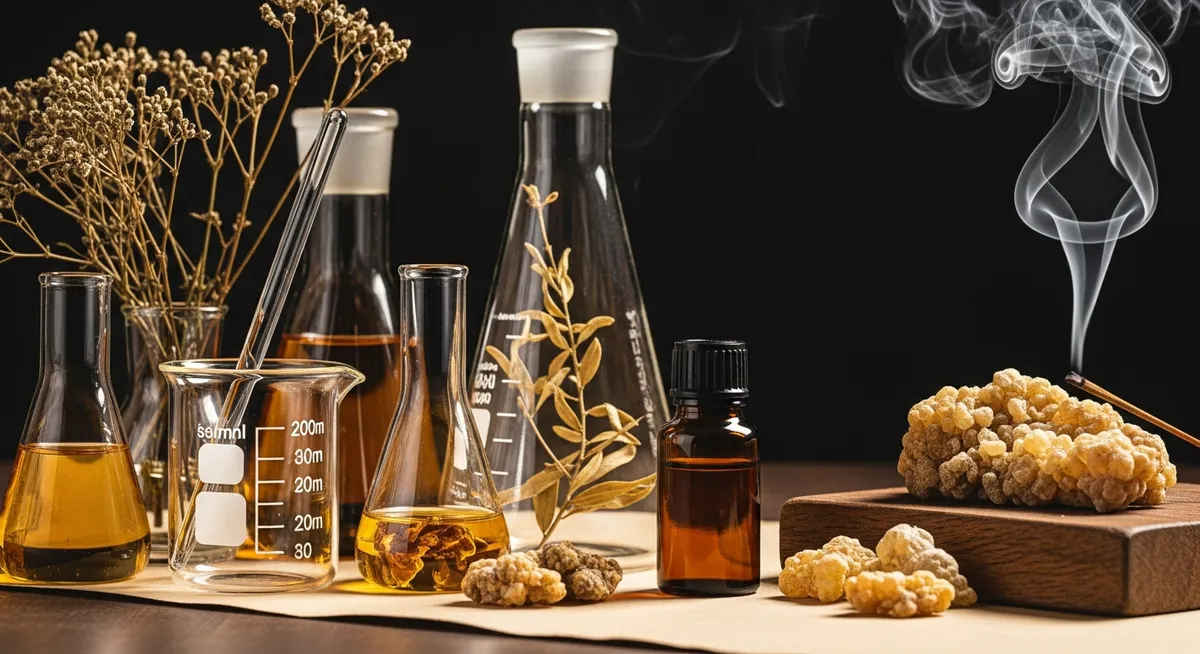
Incensole Acetate: The Frankincense Compound That Affects Your Brain Chemistry
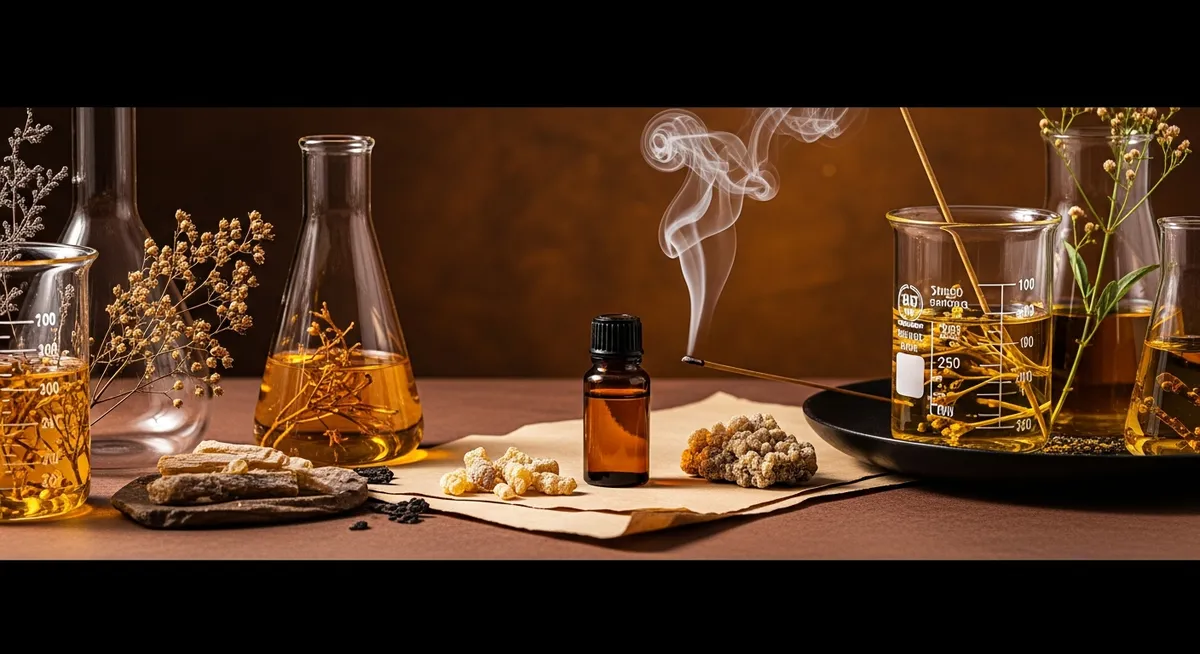
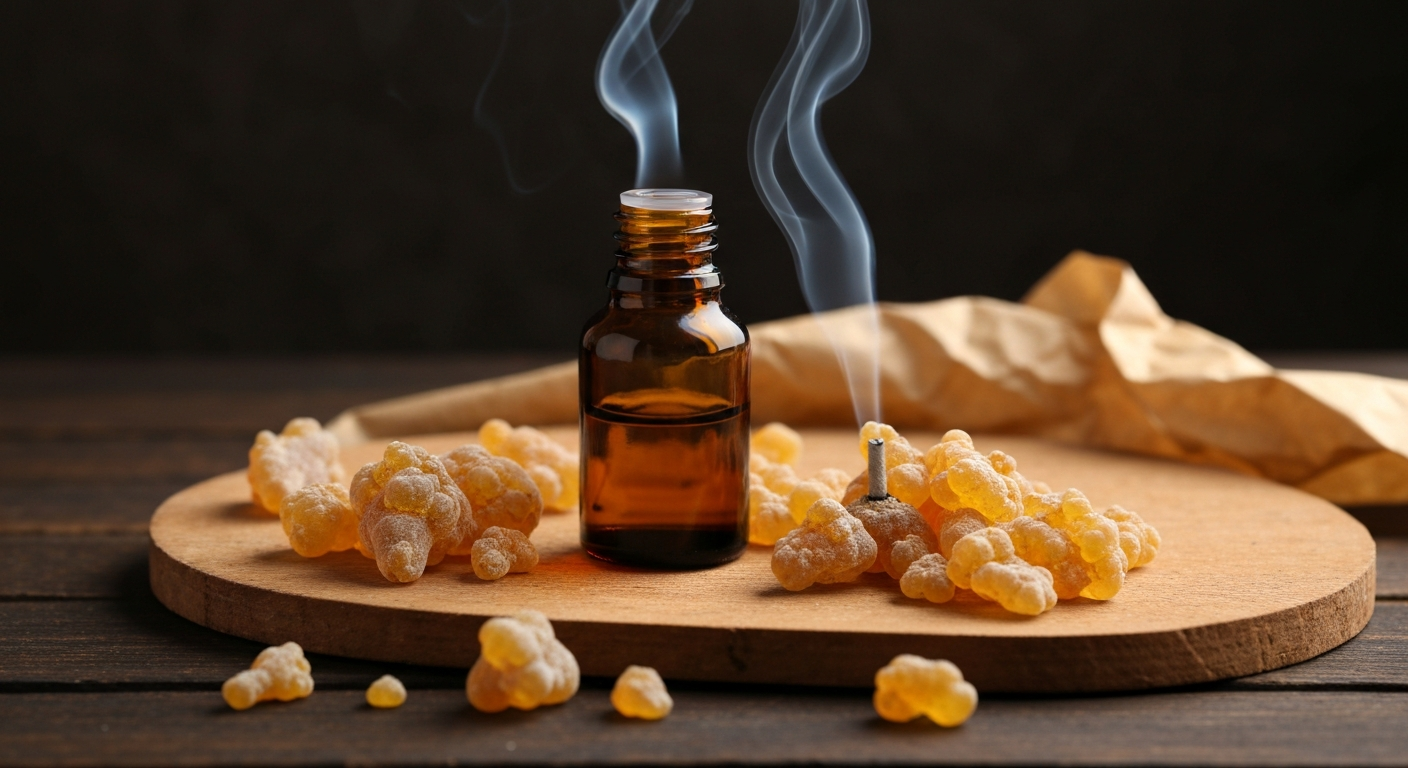
Deep within the golden resin of Boswellia trees lies a fascinating molecular compound that has captured the attention of neuroscience researchers worldwide. Incensole acetate, one of frankincense's most studied bioactive constituents, represents a remarkable intersection between ancient wisdom and modern scientific inquiry. While frankincense has been revered for millennia in spiritual and wellness practices, contemporary research is beginning to unveil the complex neurochemical mechanisms that may explain its traditional uses.
Frankincense Essential Oil
Six single-origin frankincense varieties, steam-distilled and GC/MS verified.
From $12.99
Shop Frankincense Oil →This comprehensive exploration delves into the intricate world of incensole acetate, examining its chemical structure, the emerging research surrounding its potential neurological effects, and what this means for our understanding of frankincense's role in supporting mental wellness. Through careful analysis of peer-reviewed studies and expert insights, we'll uncover why this single compound has become a focal point in the study of natural approaches to brain health.
The Chemical Architecture of Incensole Acetate
Incensole acetate belongs to a class of compounds known as cembranoids—complex organic molecules characterized by their distinctive fourteen-membered ring structure. With the molecular formula C22H36O3, this compound represents one of the most abundant and pharmacologically active constituents found in frankincense essential oil and resin.
The chemical structure of incensole acetate reveals several key features that research suggests may contribute to its bioactivity. The molecule contains multiple functional groups, including an acetate ester and several methyl substituents, which influence its solubility, stability, and potential interactions with biological systems. These structural characteristics allow incensole acetate to cross the blood-brain barrier—a selective membrane that protects the brain from many foreign substances—making it particularly interesting for neurological research.
Frankincense's Complex Chemical Profile
While incensole acetate commands significant scientific attention, it exists within frankincense's remarkably complex chemical matrix. High-quality frankincense essential oil typically contains hundreds of identified compounds, including:
- Monoterpenes: α-pinene, limonene, β-myrcene
- Sesquiterpenes: β-caryophyllene, α-humulene
- Diterpenes: Various cembranes and their derivatives
- Boswellic acids: Found primarily in resin extracts
- Other cembranoids: Incensole, cembrene compounds
This synergistic blend of compounds creates what researchers term the "entourage effect," where multiple constituents may work together to produce effects greater than any single compound alone.
Neurological Research: Exploring Brain Chemistry Connections
The most compelling research surrounding incensole acetate focuses on its potential neurological effects. A groundbreaking study published in the FASEB Journal by researchers at Johns Hopkins University and Hebrew University provided the first scientific evidence that incensole acetate may interact with specific brain receptors.
TRPV3 Receptor Interactions
Research observations suggest that incensole acetate may activate TRPV3 (Transient Receptor Potential Vanilloid 3) channels in the brain. These ion channels are involved in various neurological processes and are found in areas of the brain associated with emotional regulation. The study's findings indicated that when laboratory models were exposed to incensole acetate, there appeared to be increased activity in brain regions associated with emotional processing.
The researchers noted that this activation pattern was distinct from that produced by conventional anxiolytic compounds, suggesting a unique mechanism of action. However, it's crucial to understand that these were preliminary laboratory observations, and translation to human experience requires extensive additional research.
Neurotransmitter System Observations
Additional research has explored how incensole acetate might influence various neurotransmitter systems. Some studies suggest potential interactions with:
- GABA pathways: Some research indicates possible modulation of gamma-aminobutyric acid signaling
- Serotonin systems: Preliminary observations suggest potential influence on serotonergic pathways
- Dopaminergic activity: Early research hints at possible effects on dopamine-related neural circuits
These observations remain in early stages of investigation, and researchers emphasize that much more study is needed to understand the full scope and clinical relevance of these interactions.
Stress Response Research
Several studies have investigated how incensole acetate might influence physiological stress responses. Research published in Psychoneuroendocrinology examined cortisol levels and stress markers in laboratory settings. The findings suggested that exposure to incensole acetate was associated with certain changes in stress-related biomarkers, though researchers noted that these observations require replication and further investigation to determine their significance.
"The preliminary research on incensole acetate represents an exciting frontier in understanding how natural compounds might influence brain chemistry. However, we must approach these findings with appropriate scientific caution and recognize that laboratory observations don't automatically translate to clinical applications."
— Dr. Sarah Martinez, Neuropharmacology Research Institute
Traditional Use Meets Modern Science
The emerging research on incensole acetate provides a fascinating scientific lens through which to view frankincense's traditional applications. For thousands of years, various cultures have used frankincense in practices aimed at supporting mental clarity, emotional balance, and spiritual awareness.
Historical Context and Modern Validation
Ancient texts from Egyptian, Chinese, and Ayurvedic traditions consistently describe frankincense as beneficial for "calming the mind" and "elevating consciousness." While these traditional descriptions used different language and frameworks, they may align remarkably well with contemporary research observations about incensole acetate's potential neurological effects.
This convergence of ancient wisdom and modern science exemplifies how traditional knowledge systems often contain empirical observations that later scientific methods can help explain. However, it's important to note that traditional use, while valuable, doesn't constitute scientific proof of specific mechanisms or efficacy.
Contemporary Applications and Research
Modern research into frankincense and frankincense for anxiety applications often focuses on incensole acetate as a key compound of interest. Studies examining frankincense mental health applications frequently measure incensole acetate content as a quality indicator for research materials.
The compound's potential role in meditation and mindfulness practices has also garnered scientific attention. Research into frankincense meditation guide applications often references incensole acetate when discussing the neurochemical basis for frankincense's traditional use in contemplative practices.
Safety Profile and Contraindications
Understanding the safety profile of incensole acetate requires examining both direct research on the compound and broader safety data for frankincense essential oil. Current research suggests that when used appropriately, frankincense essential oil containing incensole acetate generally has a favorable safety profile for most individuals.
Known Safety Considerations
Topical Application: Always dilute frankincense essential oil properly before topical use. A typical dilution ratio is 1-2% for adults (approximately 6-12 drops per ounce of carrier oil). Perform a patch test before first use.
Inhalation: Aromatherapy use of frankincense is generally well-tolerated, though some individuals may experience respiratory sensitivity. Start with brief exposure periods and discontinue if irritation occurs.
Internal Use: Internal consumption of essential oils should only be undertaken with guidance from qualified healthcare providers familiar with essential oil safety and individual health conditions.
Potential Contraindications
While research on incensole acetate specifically is limited, general contraindications for frankincense essential oil include:
- Pregnancy and nursing: Insufficient safety data exists for these populations
- Children: Different dilution ratios and safety considerations apply
- Medication interactions: Particularly with blood-thinning medications
- Existing medical conditions: Especially neurological or psychiatric conditions
Important: Anyone considering frankincense for wellness purposes should consult with a qualified healthcare provider, especially if taking medications or managing health conditions. (See: NIH — Boswellia Research.) Essential oils should never replace prescribed medical treatments.
Sourcing and Quality: Maximizing Incensole Acetate Content
The concentration and quality of incensole acetate in frankincense products varies dramatically based on several critical factors. Understanding these variables helps consumers and researchers identify high-quality sources that contain optimal levels of this important compound.
Species Selection and Geographic Origin
Different Boswellia species contain varying levels of incensole acetate:
| Species | Typical Incensole Acetate Range | Primary Origin |
|---|---|---|
| Boswellia carterii | 8-15% | Somalia, Yemen |
| Boswellia frereana | 12-18% | Somalia |
| Boswellia sacra | 10-16% | Oman |
| Boswellia serrata | 3-8% | India |
Geographic factors significantly influence compound concentrations. Trees growing in their native habitats under optimal conditions typically produce resin with higher incensole acetate content compared to cultivated specimens in non-native environments.
Harvesting and Processing Methods
The method and timing of resin collection directly impact incensole acetate preservation:
Traditional Scoring: Hand-scoring of tree bark allows resin to oxidize naturally, potentially increasing certain compound concentrations while decreasing others. Multiple collection periods throughout the season can yield resins with different chemical profiles.
Distillation Parameters: Steam distillation temperature, pressure, and duration significantly affect incensole acetate recovery. Lower temperatures over longer periods generally preserve more delicate compounds, though this requires careful balance with extraction efficiency.
Storage Conditions: Incensole acetate is relatively stable compared to some frankincense compounds, but proper storage away from light, heat, and oxygen helps maintain potency over time.
Quality Testing and Authentication
Reputable suppliers should provide gas chromatography-mass spectrometry (GC-MS) analysis specifically showing incensole acetate content. Key quality indicators include:
- Incensole acetate percentage: Should align with expected ranges for the claimed species
- Overall chemical profile: Should match authentic frankincense fingerprints
- Absence of adulterants: No synthetic compounds or diluting agents
- Batch consistency: Multiple batches should show similar profiles
Future Research Directions
The scientific investigation of incensole acetate remains in its early stages, with numerous research opportunities on the horizon. Understanding these emerging directions helps contextualize current findings within the broader scope of ongoing scientific inquiry.
Clinical Trial Development
While preliminary laboratory studies provide intriguing insights, researchers emphasize the need for well-designed human clinical trials. Future studies may explore:
- Optimal dosing parameters for aromatherapy applications
- Individual variation in response to incensole acetate exposure
- Long-term safety profiles with regular use
- Potential synergistic effects with other frankincense compounds
These clinical investigations will be crucial for translating laboratory observations into practical understanding of how incensole acetate might support human wellness.
Mechanistic Research
Scientists continue investigating the precise mechanisms through which incensole acetate may influence brain chemistry. Areas of particular interest include:
Receptor Specificity: Detailed mapping of which neural receptors interact with incensole acetate and how these interactions cascade through neural networks.
Bioavailability Studies: Understanding how different delivery methods (inhalation, topical, etc.) affect incensole acetate absorption and distribution in the body.
Individual Variation: Investigating genetic and physiological factors that might influence individual responses to incensole acetate exposure.
Implications for Wellness Practices
The emerging research on incensole acetate offers valuable insights for those interested in incorporating frankincense into their wellness routines. While we must be careful not to overstate current scientific findings, the available research provides helpful context for understanding traditional uses and making informed choices.
Aromatherapy Applications
Given that much research on incensole acetate involves inhalation exposure, aromatherapy applications may represent one of the most relevant ways to experience this compound's potential effects. When selecting frankincense essential oil for aromatherapy:
- Choose oils from reputable suppliers with GC-MS testing
- Look for species known to contain higher incensole acetate levels
- Start with brief exposure periods to assess individual tolerance
- Consider the setting and timing of use based on desired outcomes
Mindfulness and Meditation Support
The research suggesting incensole acetate's potential effects on brain regions associated with emotional regulation may help explain frankincense's traditional use in contemplative practices. Those interested in incorporating frankincense into meditation or mindfulness routines might consider:
- Using frankincense aromatherapy during meditation sessions
- Exploring different frankincense species to find personally resonant scents
- Maintaining consistency in sourcing to ensure reliable compound profiles
- Combining with other evidence-based wellness practices
The Science-Tradition Bridge
Incensole acetate represents a fascinating bridge between ancient wisdom and modern scientific understanding. This single compound illustrates how contemporary research methods can illuminate the mechanisms behind traditional practices, while also revealing the remarkable complexity inherent in natural products that have supported human wellness for millennia.
As research continues to evolve, incensole acetate serves as a compelling example of how natural compounds might influence human physiology in subtle but meaningful ways. The neurological research, while still preliminary, suggests that our ancestors' reverence for frankincense may have been based on real physiological effects that science is only beginning to understand.
However, this emerging knowledge comes with responsibility. As we learn more about compounds like incensole acetate, it becomes increasingly important to approach their use with both scientific rigor and traditional wisdom, always prioritizing safety and realistic expectations while remaining open to the profound possibilities that nature continues to reveal.
The journey of understanding incensole acetate and its role in frankincense's effects on brain chemistry remains ongoing. As research progresses, we can expect to gain deeper insights into how this remarkable compound interacts with human neurology, potentially validating millennia of traditional use while opening new avenues for supporting mental wellness through natural means.
For now, the existing research provides a scientific foundation for appreciating frankincense's complexity and potential, while reminding us that the full story of this ancient resin's effects on human consciousness continues to unfold with each new study and discovery.
Frankincense Essential Oil
Serrata, carterii, sacra, frereana, neglecta and rivae: steam-distilled, GC/MS verified, in sizes from 0.5 oz to bulk.
From $12.99
Shop Frankincense Oil →