How to Use Frankincense Oil for Nail and Cuticle Health
For millennia, frankincense has graced the beauty rituals of queens and nobility, prized for its exquisite aromatic profile and traditional cosmetic applications. Today, this ancient resin continues to captivate modern wellness enthusiasts who seek natural approaches to nail and cuticle care. While contemporary research into frankincense's properties remains ongoing, traditional practices and anecdotal reports suggest this precious oil may support healthy-looking nails and well-maintained cuticles.
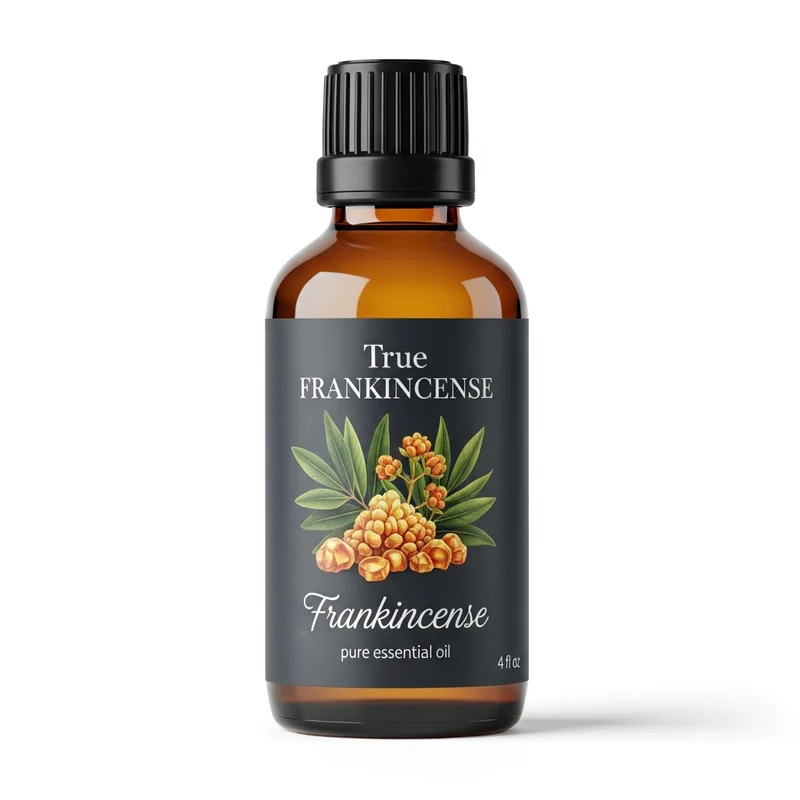
Frankincense Essential Oil
Six single-origin frankincense varieties, steam-distilled and GC/MS verified.
From $12.99
Shop Frankincense Oil →Understanding how to properly incorporate frankincense essential oil into your nail care routine requires attention to dilution ratios, application techniques, and safety considerations. This comprehensive guide will walk you through time-honored methods for creating luxurious nail treatments that honor both ancient wisdom and modern safety standards.
Understanding Frankincense for Nail Care
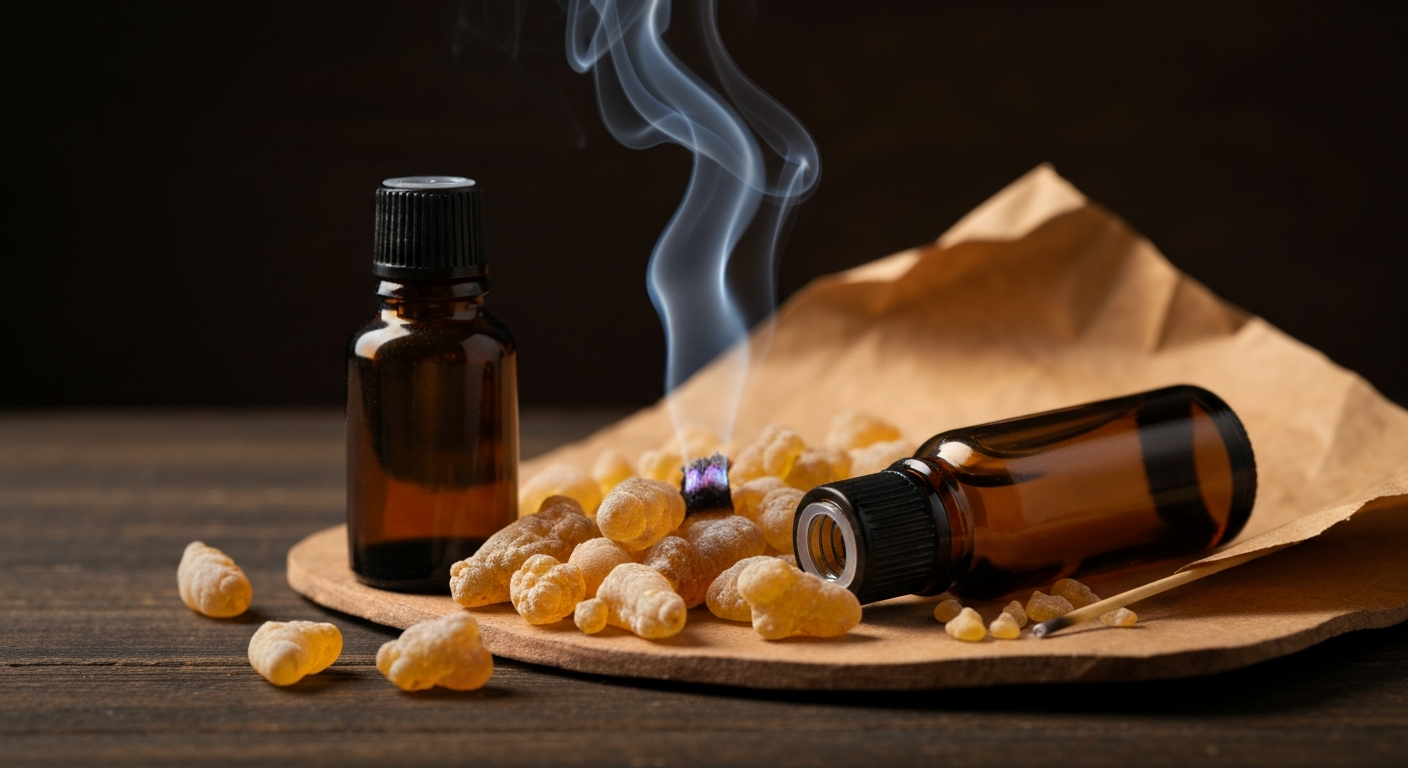
Frankincense essential oil, derived from the Boswellia tree's aromatic resin, has traditionally been valued in various cultural beauty practices. Historical texts from ancient civilizations document its use in cosmetic preparations, though modern scientific understanding of its mechanisms continues to evolve.
Some preliminary research suggests frankincense may contain compounds that could potentially support skin appearance, though more studies are needed to fully understand these properties. People who incorporate frankincense into their nail care routines often report enjoying its distinctive, meditative fragrance and the ritual aspect of its application.
When considering frankincense for skin applications, it's important to note that nails and cuticles have unique characteristics. The nail plate itself is composed of keratin and is less permeable than surrounding skin tissue, while cuticles represent delicate skin that may benefit from gentle moisturizing approaches.
Essential Materials and Ingredients
Before beginning any frankincense nail care routine, gather these essential materials:
Required Items:
- High-quality frankincense essential oil (Boswellia carterii or Boswellia sacra preferred)
- Carrier oil (jojoba, sweet almond, or fractionated coconut oil)
- Small glass dropper bottles (5ml or 10ml capacity)
- Glass stirring rod or clean toothpick
- Measuring spoons or graduated cylinder
- Labels for proper identification
Optional Enhancement Ingredients:
- Vitamin E oil (natural preservative)
- Other complementary essential oils (lavender, lemon, or tea tree in minimal quantities)
- Beeswax (for creating solid balm consistency)
- Small glass containers for balm storage
Safety Equipment:
- Disposable gloves (optional but recommended)
- Paper towels for cleanup
- Patch test materials
Step-by-Step Frankincense Nail Care Methods
Method 1: Basic Frankincense Cuticle Oil
This foundational recipe creates a gentle daily treatment for cuticle maintenance.
Instructions:
- Prepare your workspace: Ensure all surfaces are clean and materials are within easy reach. Work in a well-ventilated area away from heat sources.
- Calculate dilution ratio: For cuticle application, use a 1-2% dilution. This equals 6-12 drops of frankincense essential oil per ounce (30ml) of carrier oil.
- Choose your carrier oil: Jojoba oil closely mimics skin's natural sebum and absorbs well. Sweet almond oil provides excellent moisturizing properties. For more information on selecting appropriate frankincense carrier oils, consider factors like absorption rate and skin compatibility.
- Measure carrier oil: Pour 1 tablespoon (15ml) of carrier oil into your glass bottle.
- Add frankincense: Using a clean dropper, add 3-6 drops of frankincense essential oil to the carrier oil.
- Include vitamin E (optional): Add 2-3 drops of vitamin E oil to help preserve the mixture and provide additional nourishing properties.
- Mix thoroughly: Cap the bottle securely and roll between your palms for 30 seconds to ensure proper blending.
- Label clearly: Include contents, dilution ratio, and preparation date.
Method 2: Strengthening Nail Treatment Blend
This more complex formulation traditionally aims to support the appearance of nail strength and resilience.
Instructions:
- Gather ingredients: You'll need frankincense essential oil, jojoba oil, sweet almond oil, and optionally, a drop of lemon essential oil.
- Create carrier base: Combine 1 tablespoon jojoba oil with 1 tablespoon sweet almond oil in a clean glass container.
- Add essential oils: Incorporate 8 drops frankincense and 1 drop lemon essential oil (if using).
- Blend components: Stir gently with a glass rod, ensuring all oils are thoroughly incorporated.
- Transfer to application bottle: Pour the mixture into a small dropper bottle for precise application.
- Allow maturation: Let the blend rest for 24 hours before first use to allow the aromatic compounds to meld properly.
Method 3: Solid Cuticle Balm
For those who prefer a more substantial texture, this solid balm provides concentrated nourishment.
Instructions:
- Prepare double boiler: Fill a small saucepan with 1 inch of water and bring to a gentle simmer.
- Melt base ingredients: In a heat-resistant glass container, combine 1 tablespoon coconut oil with 1 teaspoon grated beeswax.
- Heat gently: Place the glass container in the simmering water, stirring occasionally until completely melted.
- Cool slightly: Remove from heat and allow to cool for 2-3 minutes.
- Add frankincense: Stir in 10-12 drops of frankincense essential oil while the mixture is still warm but not hot.
- Pour into containers: Quickly transfer to small glass jars before the mixture solidifies.
- Cool completely: Allow to set at room temperature for several hours before use.
Proper Application Techniques
Daily Cuticle Care Routine
- Clean hands thoroughly: Wash with gentle soap and dry completely.
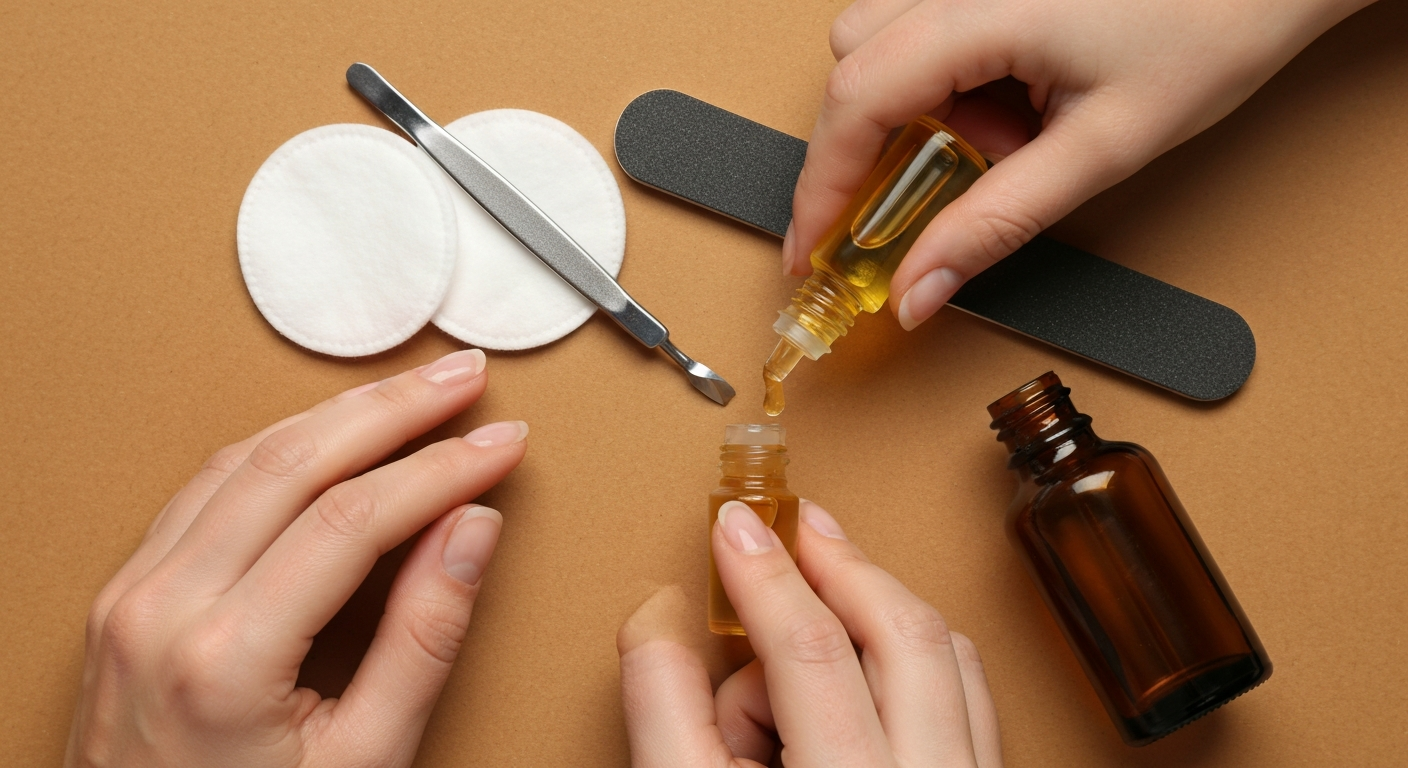
- Apply sparingly: Use 1-2 drops of your frankincense blend per hand.
- Massage gently: Work the oil into cuticles using circular motions with your fingertips.
- Allow absorption: Wait 5-10 minutes before handling objects to prevent residue transfer.
- Wipe excess: Remove any remaining oil from nail surfaces if applying nail polish.
Weekly Intensive Treatment
- Prepare nails: Remove any existing polish and push back cuticles gently.
- Apply liberally: Use slightly more product than in daily routine.
- Massage thoroughly: Spend 2-3 minutes massaging each hand.
- Optional enhancement: Wear thin cotton gloves overnight for intensive treatment.
Safety Considerations and Precautions
WARNING: Essential oils are highly concentrated and must always be properly diluted before skin application. (See: NIH — Boswellia Research.) Undiluted essential oils can cause severe irritation, sensitization, or chemical burns.
Essential Safety Guidelines:
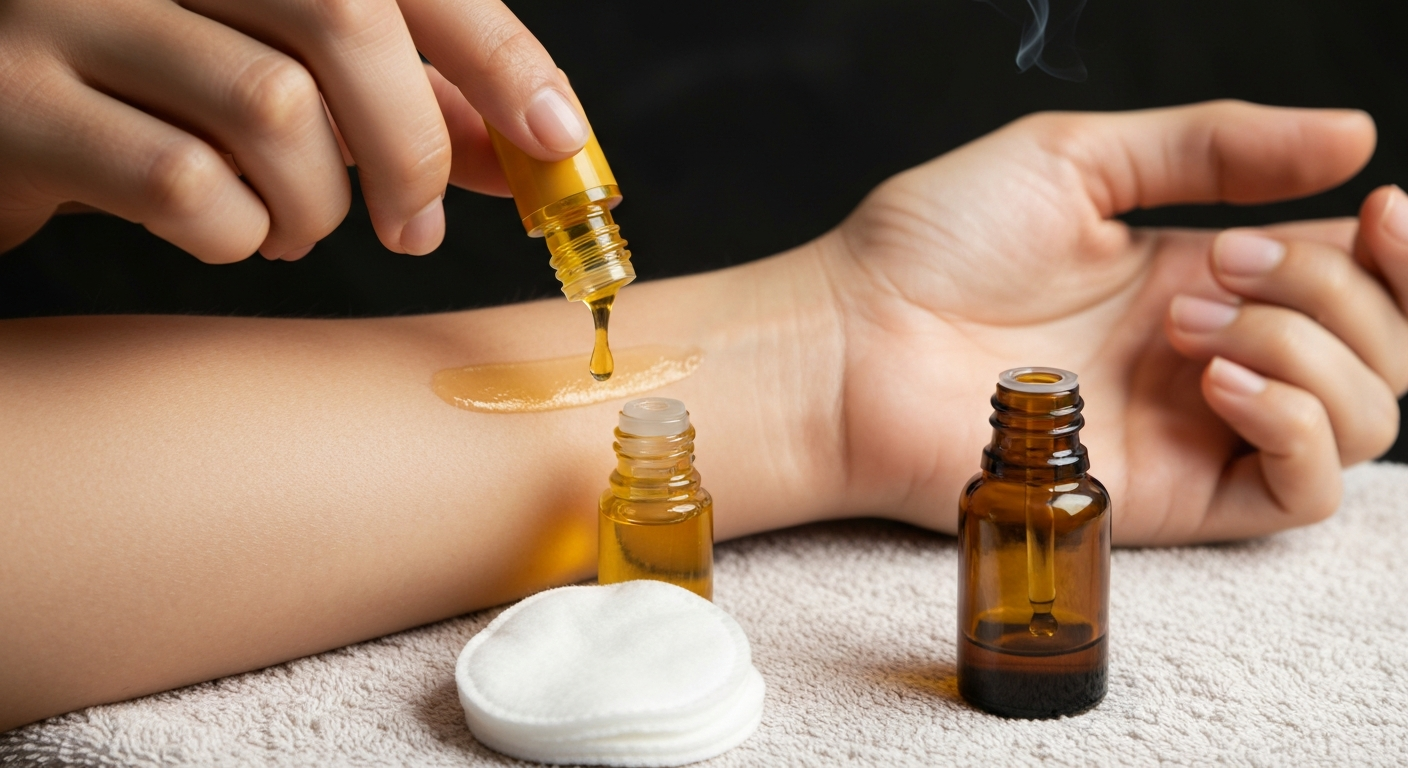
- Always perform patch test: Apply a small amount of diluted blend to inner wrist and wait 24 hours to check for adverse reactions.
- Respect dilution ratios: Never exceed 2% concentration for leave-on nail care products.
- Avoid broken skin: Do not apply to cuts, hangnails, or irritated areas.
- Store properly: Keep blends in dark glass containers away from heat and light.
- Monitor for sensitivity: Discontinue use if redness, itching, or irritation occurs.
Contraindications:
- Pregnancy and nursing (consult healthcare provider)
- Known allergies to Boswellia or carrier oil ingredients
- Damaged or infected nail beds
- Concurrent use of certain medications (consult healthcare provider)
Tips for Optimal Results
Application Best Practices:
- Consistency matters: Regular daily application may yield better results than sporadic intensive treatments.
- Quality ingredients: Invest in pure, therapeutic-grade frankincense essential oil from reputable suppliers.
- Clean application: Always apply to clean, dry nails and cuticles for optimal absorption.
- Gentle technique: Avoid aggressive massage that could damage delicate cuticle tissue.
Common Mistakes to Avoid:
- Using undiluted essential oil directly on skin
- Applying too much product, leading to greasy residue
- Mixing essential oils with water (oils don't dissolve in water)
- Storing blends in plastic containers (can degrade over time)
- Using old or oxidized carrier oils
- Skipping patch tests
Understanding Realistic Expectations
When incorporating frankincense into nail care routines, it's important to maintain realistic expectations about potential outcomes. Traditional use and anecdotal reports suggest that people may experience improvements in cuticle appearance and nail condition over time, though individual results can vary significantly.
Some users report that consistent application may help promote:
- Softer, more manageable cuticles
- Reduced appearance of hangnails
- Enhanced nail flexibility
- Improved overall nail bed appearance
- A sense of relaxation during application rituals
However, these are subjective experiences rather than guaranteed outcomes. Nail health can be influenced by numerous factors including genetics, nutrition, age, environmental conditions, and overall health status.
Complementary Nail Care Practices
For those exploring natural nail care approaches, frankincense treatments work best when combined with other supportive practices:
- Gentle nail hygiene: Regular cleaning without harsh chemicals
- Proper hydration: Adequate water intake supports overall nail health
- Protective measures: Wearing gloves during cleaning or gardening
- Nutritional support: Balanced diet rich in proteins and vitamins
- Stress management: Chronic stress can affect nail growth and appearance
For additional natural approaches, explore our collection of DIY frankincense recipes that can complement your nail care routine.
Storage and Shelf Life
Proper storage ensures your frankincense nail treatments maintain their quality and potency:
- Temperature: Store in cool, stable temperatures (60-70°F ideal)
- Light protection: Use amber or cobalt glass containers
- Seal properly: Ensure tight caps to prevent oxidation
- Dating system: Label preparation dates and expected use-by periods
- Shelf life: Oil blends typically maintain quality for 6-12 months when stored properly
When to Consult Professionals
While frankincense nail care represents a gentle, traditional approach to beauty routines, certain situations warrant professional consultation:
- Persistent nail problems that don't improve with care
- Signs of infection or unusual nail changes
- Severe allergic reactions to any ingredients
- Questions about interactions with medications or health conditions
- Pregnancy or nursing considerations
Always consult qualified healthcare providers or licensed aestheticians when in doubt about appropriate nail care approaches for your individual circumstances.
Embracing frankincense for nail and cuticle care connects us to centuries of beauty wisdom while honoring modern safety standards. With proper preparation, application, and realistic expectations, this ancient aromatic treasure may become a cherished part of your personal wellness ritual.
Frankincense Essential Oil
Serrata, carterii, sacra, frereana, neglecta and rivae: steam-distilled, GC/MS verified, in sizes from 0.5 oz to bulk.
From $12.99
Shop Frankincense Oil →