How to Use Frankincense Essential Oil for Digestive Health
For thousands of years, the resinous tears of the Boswellia tree have held a place of reverence in Ayurvedic practice, Traditional Chinese Medicine, and the ancient apothecaries of the Arabian Peninsula. Today, a growing number of wellness-minded individuals are rediscovering what those traditions long suggested: that frankincense may have a meaningful role to play in supporting overall digestive comfort and gut wellness.
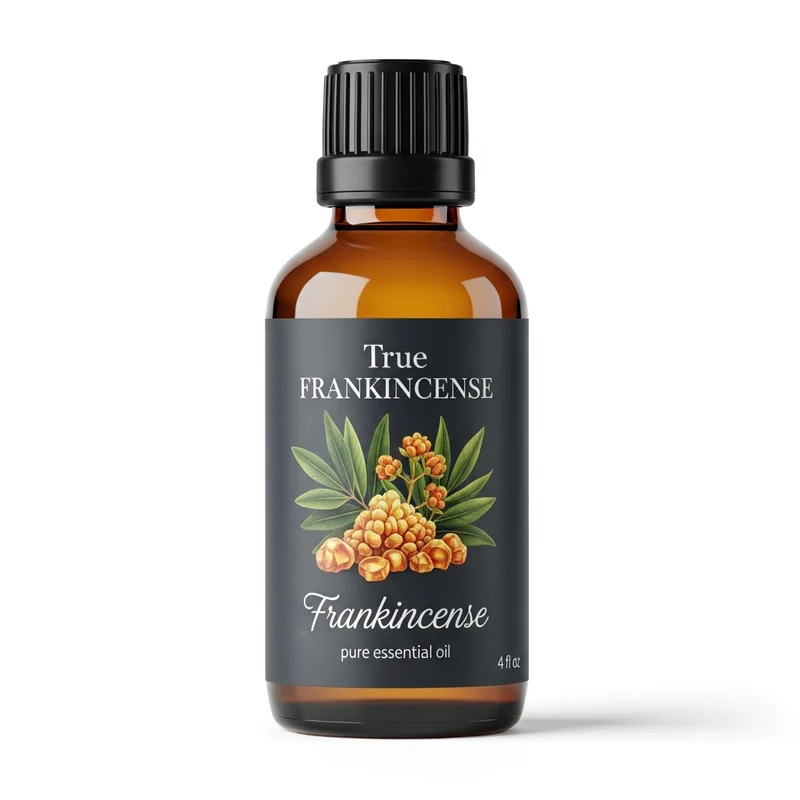
Frankincense Essential Oil
Six single-origin frankincense varieties, steam-distilled and GC/MS verified.
From $10.99
Shop Frankincense Oil →This guide walks you through several practical, evidence-informed approaches to incorporating frankincense essential oil — and its resin-derived counterpart, boswellic acid supplements — into a broader digestive wellness routine. As you read, keep in mind that essential oils are not medications. They are aromatic botanical tools that, when used thoughtfully and safely, may complement a balanced lifestyle. Always consult a qualified healthcare provider before making any changes to your health regimen.
Understanding Frankincense and Digestive Wellness: What Does the Research Suggest?
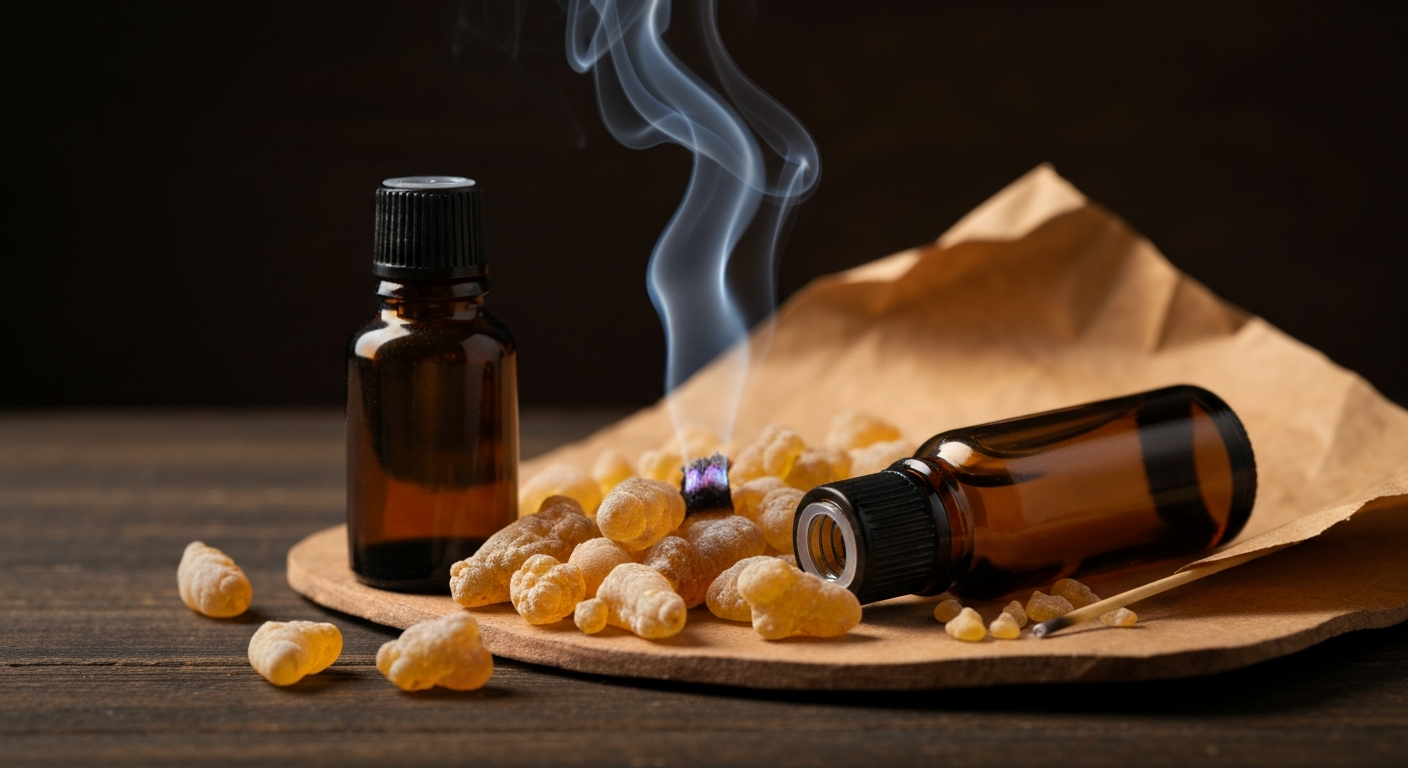
Before we get to the how-to, a brief foundation is worthwhile. Frankincense essential oil is steam-distilled from the resin of Boswellia sacra, Boswellia carterii, or Boswellia serrata trees, depending on origin. The oil itself is rich in monoterpenes such as alpha-pinene and limonene, as well as sesquiterpenes and other bioactive compounds.
Some preliminary research suggests that compounds found in the broader Boswellia plant family — particularly boswellic acids present in the resin — may support a balanced inflammatory response in the digestive tract. It is important to note that most robust scientific studies have focused on Boswellia resin extracts and supplements rather than the essential oil itself. Essential oils are highly concentrated and largely volatile compounds; many of the heavier boswellic acids are not present in meaningful concentrations in the distilled oil.
That said, people have long reported that aromatherapy and topical application of frankincense for gut health may help promote a general sense of relaxation and ease — particularly when digestive discomfort is intertwined with stress and tension. Anecdotal evidence and traditional use suggest the oil may help support a sense of digestive calm.
For a deeper look at the plant's chemistry, explore our comprehensive Boswellia serrata deep-dive, where we examine the science behind this remarkable botanical in greater detail.
Materials and Ingredients You Will Need
Depending on which method you choose below, you may need some or all of the following:
- High-quality frankincense essential oil — Look for 100% pure, single-origin oil with a GC/MS (gas chromatography/mass spectrometry) test certificate available. Steam-distilled Boswellia sacra or Boswellia serrata oils are traditional favorites for wellness use.
- A carrier oil — Fractionated coconut oil, sweet almond oil, or jojoba oil are excellent choices for topical application. Carrier oils dilute the essential oil to a skin-safe concentration.
- A small glass mixing bowl or dark glass roller bottle — For preparing topical blends.
- A diffuser — An ultrasonic or nebulizing diffuser for aromatherapy sessions.
- A warm compress cloth — Optional, for abdominal application.
- A measuring tool — A pipette or dropper for accurate measurement.
- A food-grade frankincense supplement (optional) — If you are exploring internal support, look for encapsulated Boswellia serrata extract (AKBA-standardized) rather than the essential oil itself. See our important note on internal use below.
Method One: Aromatherapy for Stress-Related Digestive Discomfort
The gut-brain axis is well recognized in modern gastroenterology: stress and emotional tension frequently manifest as digestive unease. Aromatherapy with frankincense may help promote a sense of calm and relaxation that, in turn, could support a more settled feeling in the digestive system.
Step-by-Step Instructions
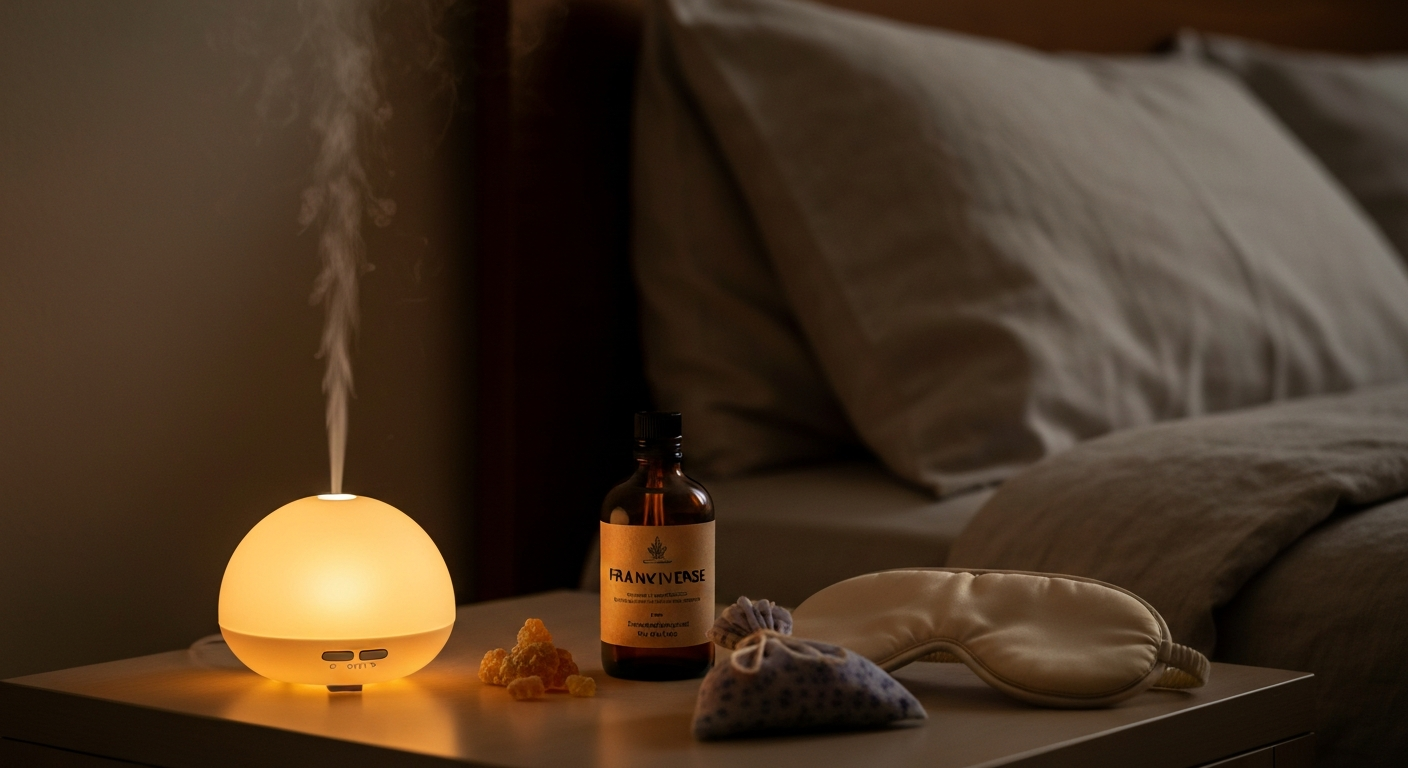
- Choose your setting. Select a quiet, well-ventilated room where you can rest comfortably for 20 to 30 minutes. Dim lighting and minimal distractions may enhance the experience.
- Prepare your diffuser. Fill your ultrasonic diffuser with clean water to the indicated fill line. Avoid overfilling.
- Add frankincense oil. Add 4 to 6 drops of pure frankincense essential oil to the water reservoir. For an enhanced blend that people often report as particularly settling, you may combine 3 drops of frankincense with 2 drops of ginger essential oil and 1 drop of peppermint essential oil.
- Run the diffuser. Turn on the diffuser and allow the aromatic mist to fill the space. Breathe slowly and deliberately — inhaling through the nose for a count of four, holding gently for two, and exhaling through the mouth for a count of six. This slow breathing pattern may itself support a relaxation response.
- Session duration. Diffuse for 20 to 30 minutes. Avoid continuous diffusion for hours at a time, as this can lead to olfactory fatigue and may cause headaches in some individuals.
What You Might Notice
Many people report a calming, grounding quality to frankincense aromatherapy. Anecdotal evidence suggests it may help promote a sense of ease and mental stillness that some find supportive when digestive discomfort is tied to stress or anxiety. Results are individual and will vary.
Method Two: Topical Abdominal Massage Blend
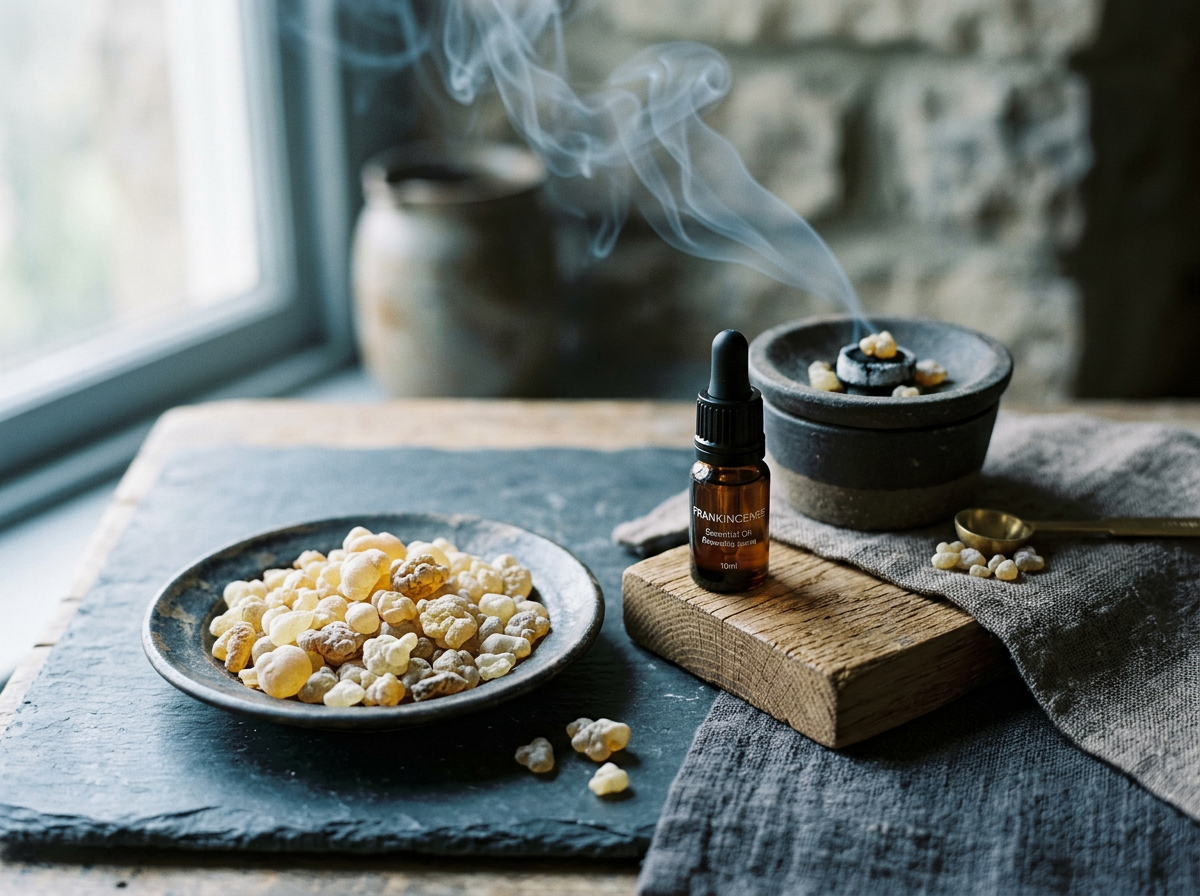
Topical application — when performed with a properly diluted blend — is one of the most commonly described traditional uses for frankincense stomach support. Gentle abdominal massage itself has a long history in wellness traditions as a way of promoting comfortable digestion and encouraging a sense of ease in the gut.
Safety First: Essential oils must always be diluted in a carrier oil before skin application. Applying undiluted (neat) essential oil directly to skin can cause sensitization, irritation, or allergic reactions. Always perform a patch test 24 hours before full application.
Recommended Dilution Ratio
| Use Case | Essential Oil Drops | Carrier Oil Amount | Approximate Dilution % |
|---|---|---|---|
| General Adult Use | 6 drops | 1 tablespoon (15 ml) | ~2% |
| Sensitive Skin | 3 drops | 1 tablespoon (15 ml) | ~1% |
| Elderly or Compromised Skin | 2 drops | 1 tablespoon (15 ml) | ~0.5–1% |
Step-by-Step Instructions
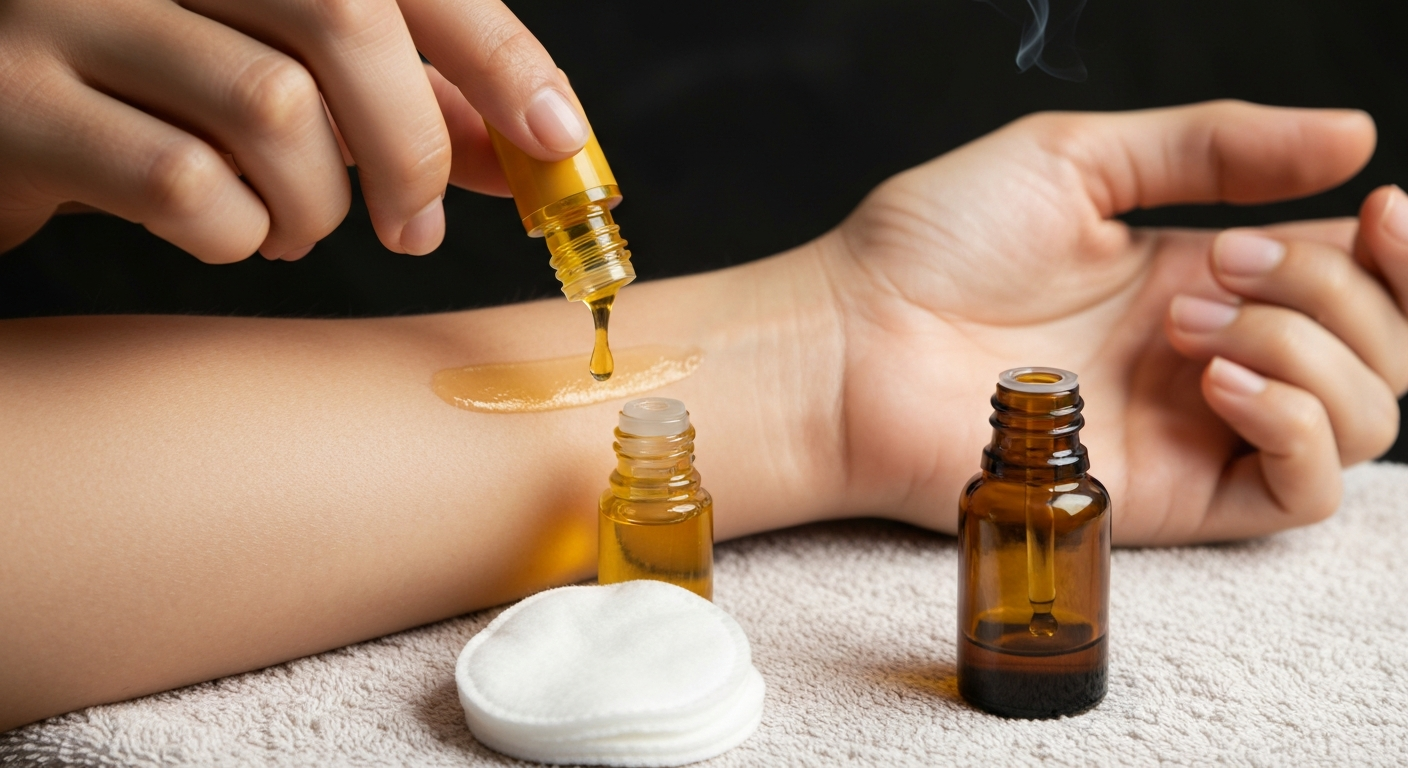
- Perform a patch test. Mix 1 drop of frankincense oil in 1 teaspoon of carrier oil and apply a small amount to the inside of your forearm. Cover with a bandage and wait 24 hours. If you notice redness, itching, or irritation, do not proceed with this method.
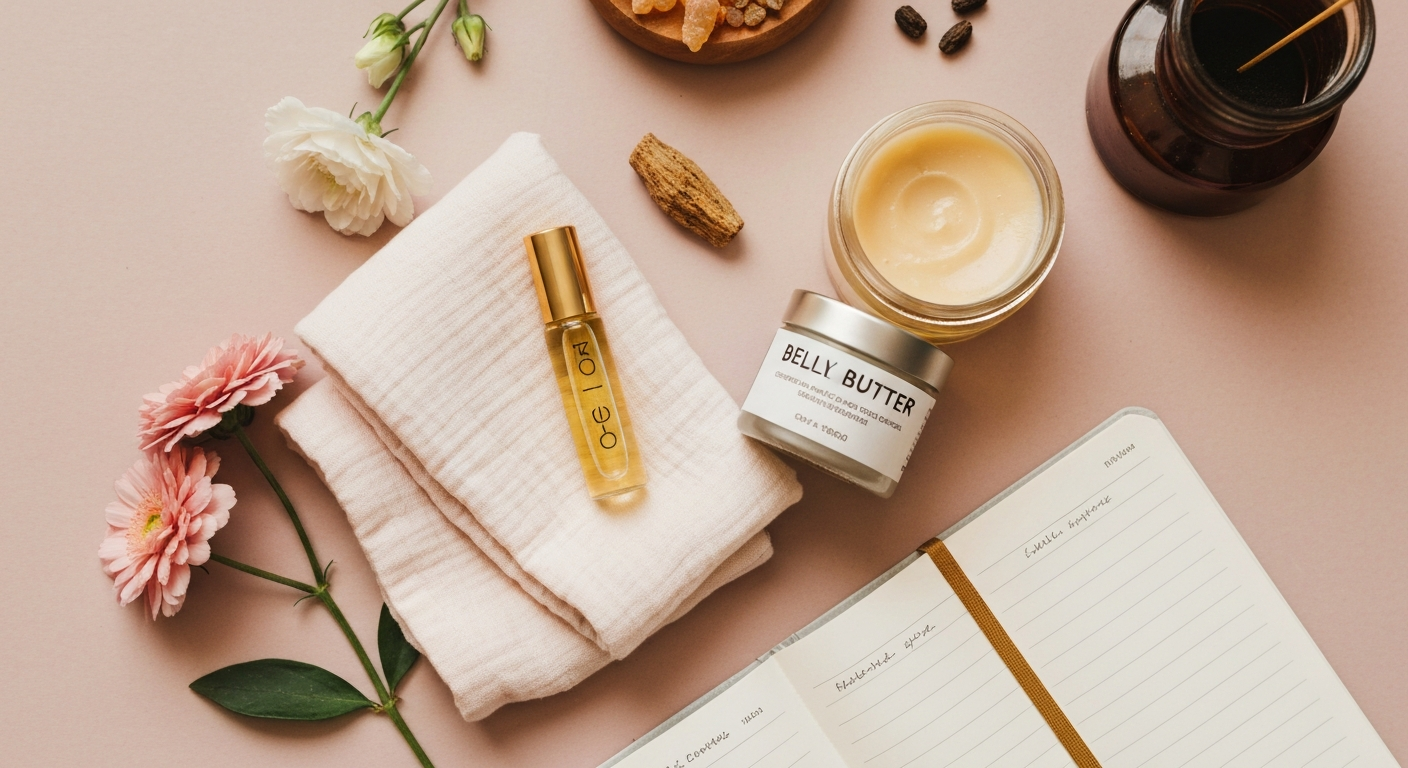
- Prepare your massage blend. In a clean dark glass roller bottle or small bowl, combine 6 drops of frankincense essential oil with 1 tablespoon (15 ml) of your chosen carrier oil. For an enhanced digestive wellness blend, some aromatherapy practitioners suggest adding 2 drops of ginger and 2 drops of fennel essential oil to the same base — though reduce frankincense to 4 drops to maintain a safe overall dilution.
- Warm the oil slightly. Roll the bottle gently between your palms for 30 seconds to bring the blend to a comfortable temperature.
- Apply to the abdomen. Pour or roll a small amount onto your fingertips or directly onto your lower abdomen.
- Massage in clockwise circles. Using gentle, consistent pressure, massage the abdomen in slow clockwise circles — this direction follows the natural path of the large intestine and is traditionally associated with supporting comfortable digestion. Continue for 5 to 10 minutes.
- Optional: Apply a warm compress. After massaging, place a warm (not hot) damp cloth over the abdomen for 5 to 10 minutes. The gentle heat may enhance the experience of relaxation.
- Wash hands thoroughly after the session, particularly before touching eyes or sensitive areas.
Contraindications and Cautions
- Do not apply to broken, inflamed, sunburned, or compromised skin.
- This method is not recommended during pregnancy without prior consultation with a midwife or OB-GYN, as some essential oils may be contraindicated.
- Children under 6 years of age should not use essential oil blends on the skin without guidance from a qualified pediatric practitioner.
- If you have a known allergy to Boswellia or any resin-family botanical, avoid use.
Method Three: A Note on Internal Use
This is where it is essential to proceed with significant caution and full transparency. Frankincense essential oil is not generally recommended for internal consumption by major aromatherapy safety organizations, including the National Association for Holistic Aromatherapy (NAHA) and the Alliance of International Aromatherapists (AIA), unless under the supervision of a licensed healthcare provider trained in essential oil safety.
Essential oils are extraordinarily concentrated — it can take hundreds of pounds of plant material to produce a single pound of oil. Ingesting them without professional guidance may cause mucosal irritation, liver stress, or adverse drug interactions.
If you are specifically interested in frankincense digestion support from an internal perspective, many integrative practitioners instead recommend Boswellia serrata standardized resin extracts in capsule or tablet form — these supplements preserve the boswellic acids that most research has studied, and they are formulated at appropriate dosages. Please read our dedicated article on frankincense internal use for a thorough, safety-first exploration of this topic before making any decisions.
We also strongly encourage you to speak with your doctor, naturopath, or registered dietitian before introducing any new supplement into your routine, particularly if you take doctor-prescribed medications or have an existing gastrointestinal condition.
Common Mistakes to Avoid
- Skipping the patch test. Sensitization can develop even to oils you have used before. Always patch test a new batch of oil, as quality and chemistry can vary between suppliers.
- Using low-quality or adulterated oil. Many frankincense oils on the market are diluted with synthetic extenders or cheaper resins. Adulterated oils may not carry the same aromatic profile or wellness properties reported in traditional use. Always source oil with third-party GC/MS testing available.
- Applying oil neat (undiluted) to skin. This is one of the most common mistakes in DIY essential oil use and one of the most preventable sources of adverse reactions.
- Expecting immediate dramatic results. Aromatic and topical wellness practices are typically subtle and cumulative. People who report positive experiences with frankincense for gut health often describe gradual shifts in comfort and overall ease over consistent, regular use — not overnight transformations.
- Using essential oils as a substitute for medical care. If you are experiencing significant, persistent, or worsening digestive symptoms, please seek evaluation from a qualified gastroenterologist or physician. Essential oils and wellness practices are complementary tools, not replacements for professional medical diagnosis and treatment.
- Confusing frankincense essential oil with Boswellia supplements. These are chemically distinct products with different applications. Conflating the two may lead to inappropriate use of either.
What to Realistically Expect
Wellness is rarely a single ingredient or a single moment — it is a practice. When used consistently and thoughtfully, aromatherapy and topical methods with frankincense essential oil may help support a general sense of abdominal ease, relaxation, and comfort, particularly in individuals whose digestive unease has a stress-related or tension-related component.
Some research suggests that the act of mindful self-massage itself — independent of any particular oil — may promote parasympathetic nervous system activity, which is associated with the body's "rest and digest" state. Frankincense's grounding, resinous scent may enhance this experience for many people.
It is also worth noting that the most promising science around Boswellia and the digestive system relates to inflammatory pathways. For an exploration of how boswellic acids may interact with the body's inflammatory response, our article on frankincense for inflammation provides a thorough, research-grounded overview.
Building a Consistent Practice
Like any wellness ritual, consistency tends to yield more meaningful experiences than occasional use. Consider incorporating one or both of the methods above into a regular routine:
- Morning: Begin the day with a 20-minute frankincense diffusion session during breakfast or morning meditation to set a calm, grounded tone before the day's stressors accumulate.
- Evening: After dinner, practice a 5 to 10 minute clockwise abdominal massage with your diluted frankincense blend. This may help promote a sense of ease during the body's natural digestive wind-down period.
- Journal your experience. Keeping a simple wellness journal — noting how you feel before and after each session, what blend you used, and any shifts in overall comfort — can help you identify patterns and refine your practice over time.
Final Thoughts
Frankincense has earned its millennia of reverence not through marketing, but through the lived experience of countless cultures who found in its smoke and resin something quietly profound. As a modern wellness tool, it occupies a meaningful place in the aromatic repertoire — particularly for those seeking gentle, nature-aligned ways to support their sense of digestive comfort and overall wellbeing.
Use it with intention, use it safely, and always anchor your broader health decisions in open conversation with qualified healthcare professionals. The wisdom of ancient traditions and the guidance of modern medicine need not be in opposition — at their best, they are partners in the pursuit of whole-person wellness.
Disclaimer: The information in this article is intended for educational purposes only and does not constitute medical advice. Frankincense essential oil is not intended to diagnose, treat, cure, or prevent any disease or medical condition. Always consult a qualified healthcare provider before beginning any new wellness practice, particularly if you are pregnant, nursing, taking medications, or managing an existing health condition.