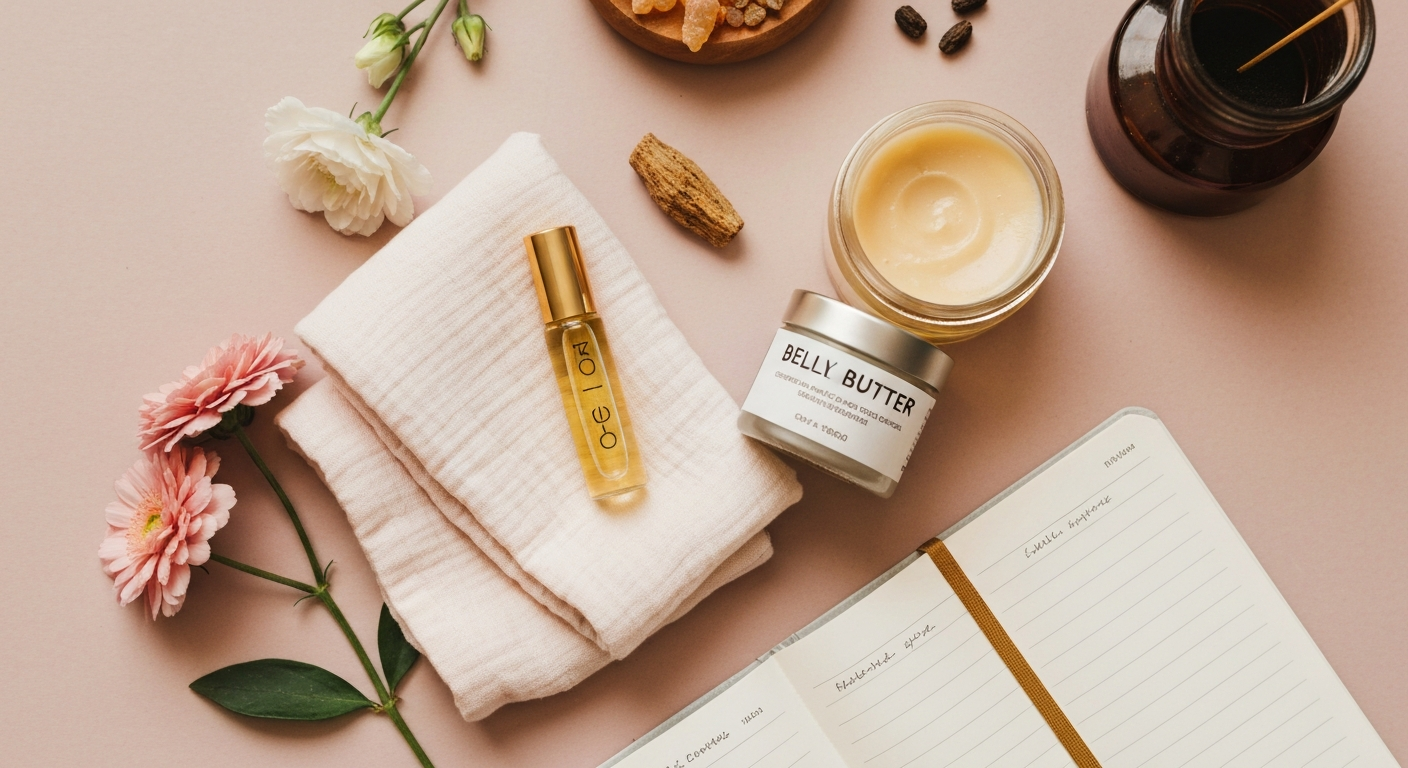
How to Use Frankincense Oil During Pregnancy: Safety Guidelines and Applications
Pregnancy brings profound changes to both body and mind, and many expecting mothers seek natural approaches to support their wellness journey. Frankincense oil, with its rich history spanning millennia, has traditionally been valued by cultures worldwide during this sacred time. However, using essential oils during pregnancy requires careful consideration, proper knowledge, and above all, safety-first practices.
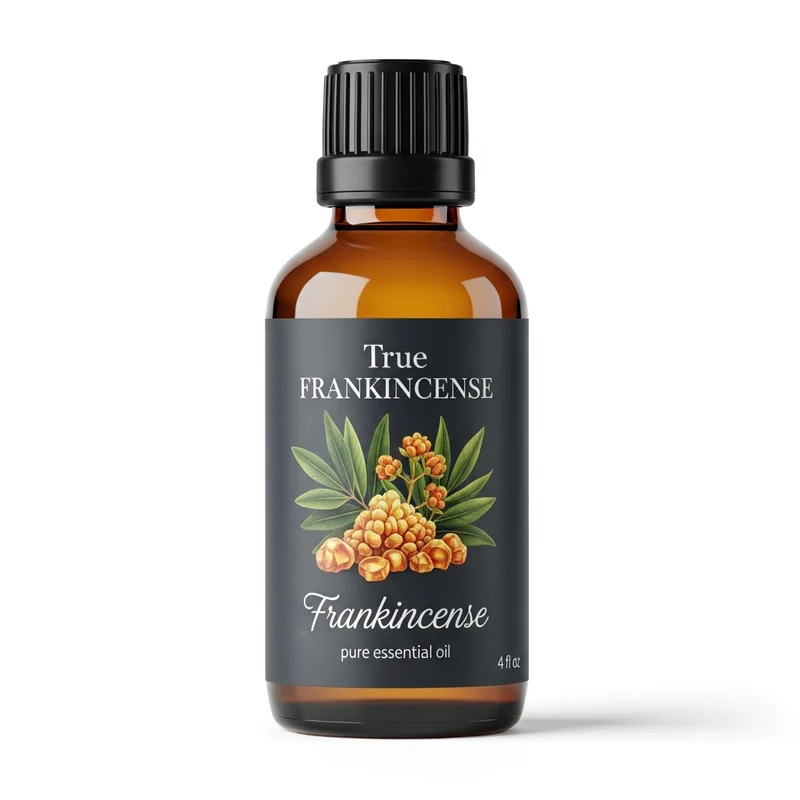
Frankincense Essential Oil
Six single-origin frankincense varieties, steam-distilled and GC/MS verified.
From $12.99
Shop Frankincense Oil →This comprehensive guide provides evidence-based information about frankincense pregnancy use, helping you make informed decisions about incorporating this ancient oil into your prenatal wellness routine. We'll explore the current research on frankincense oil pregnant women should know about, safety protocols, and practical applications that honor both tradition and modern safety standards.
Understanding Frankincense Oil and Pregnancy Safety
The question "is frankincense safe during pregnancy" is one of the most frequently asked by expecting mothers exploring natural wellness options. Current research suggests that high-quality frankincense essential oil, when used appropriately and in proper dilutions, may be among the safer essential oils for prenatal use. However, individual responses can vary significantly during pregnancy due to hormonal changes and increased sensitivity.
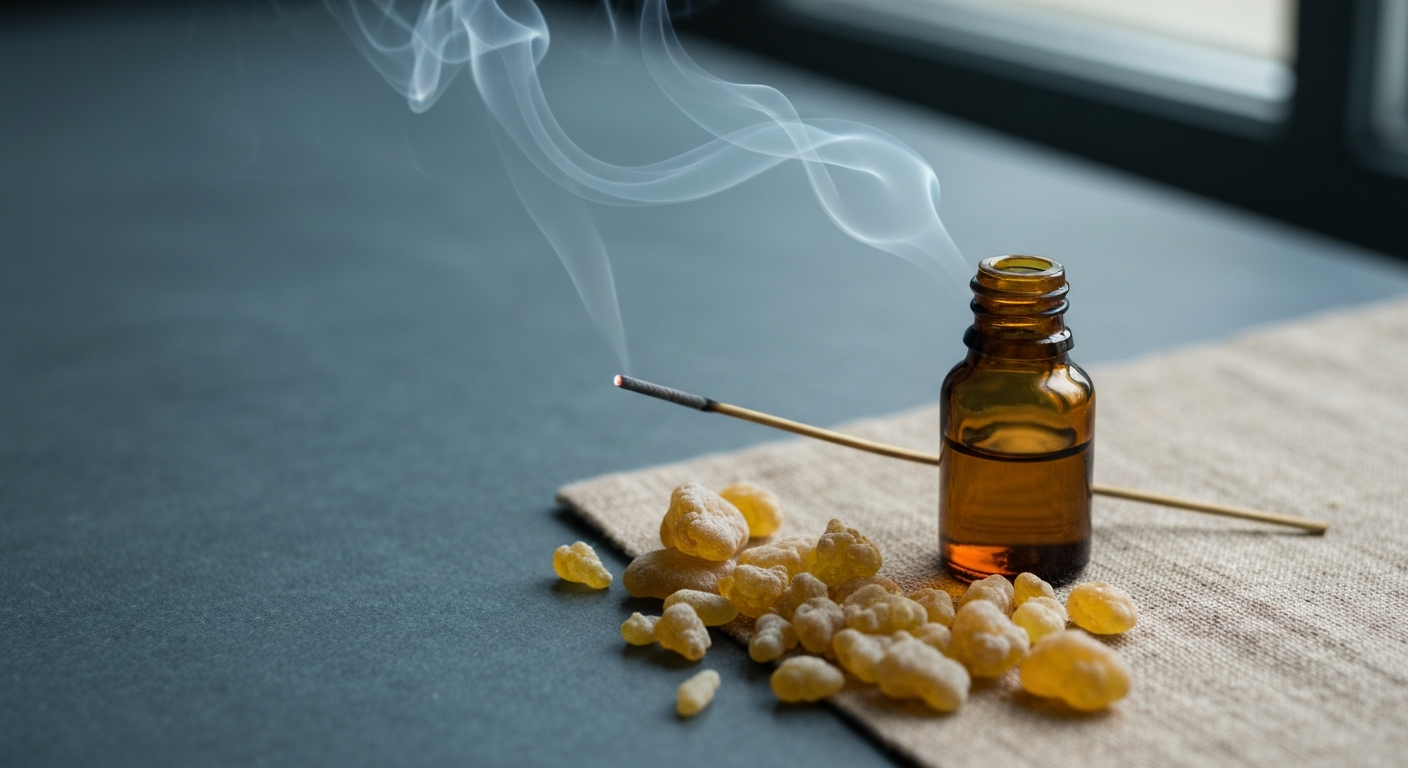
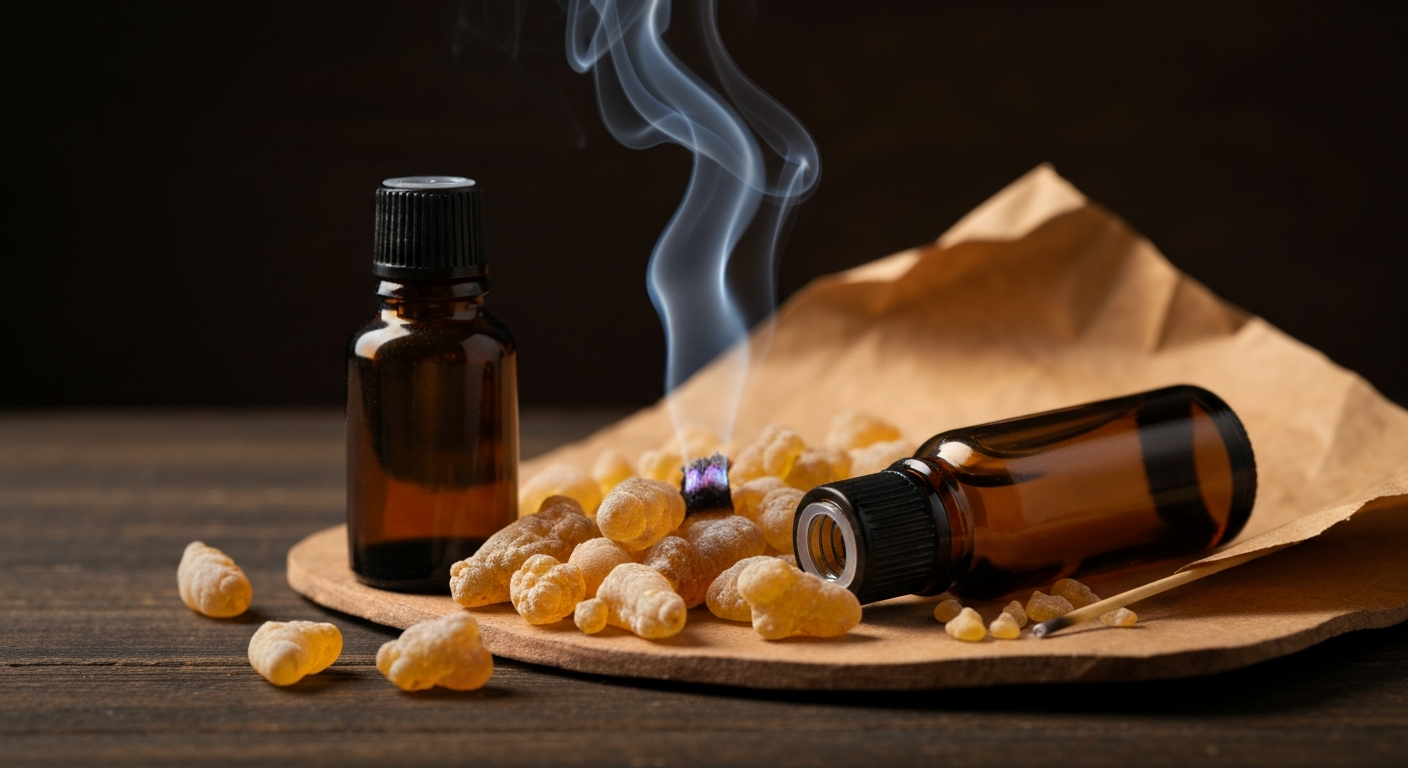
Frankincense oil (Boswellia species) has been traditionally used across cultures for spiritual practices, skin care, and general wellness support. Some preliminary research suggests certain compounds in frankincense may support cellular health and provide calming properties, though more studies are needed to fully understand its effects during pregnancy.
Key Safety Considerations
- Always consult with your healthcare provider before using any essential oils during pregnancy
- Quality matters significantly – choose certified organic, therapeutic-grade frankincense from reputable sources
- Proper dilution is critical – pregnancy requires lower concentrations than typical adult use
- Avoid internal use completely during pregnancy
- Discontinue use if any adverse reactions occur
- Be aware that sensitivity to scents often increases during pregnancy
Materials and Ingredients Needed
Before beginning any frankincense pregnancy application, gather these essential materials to ensure safe and effective use:
Essential Materials
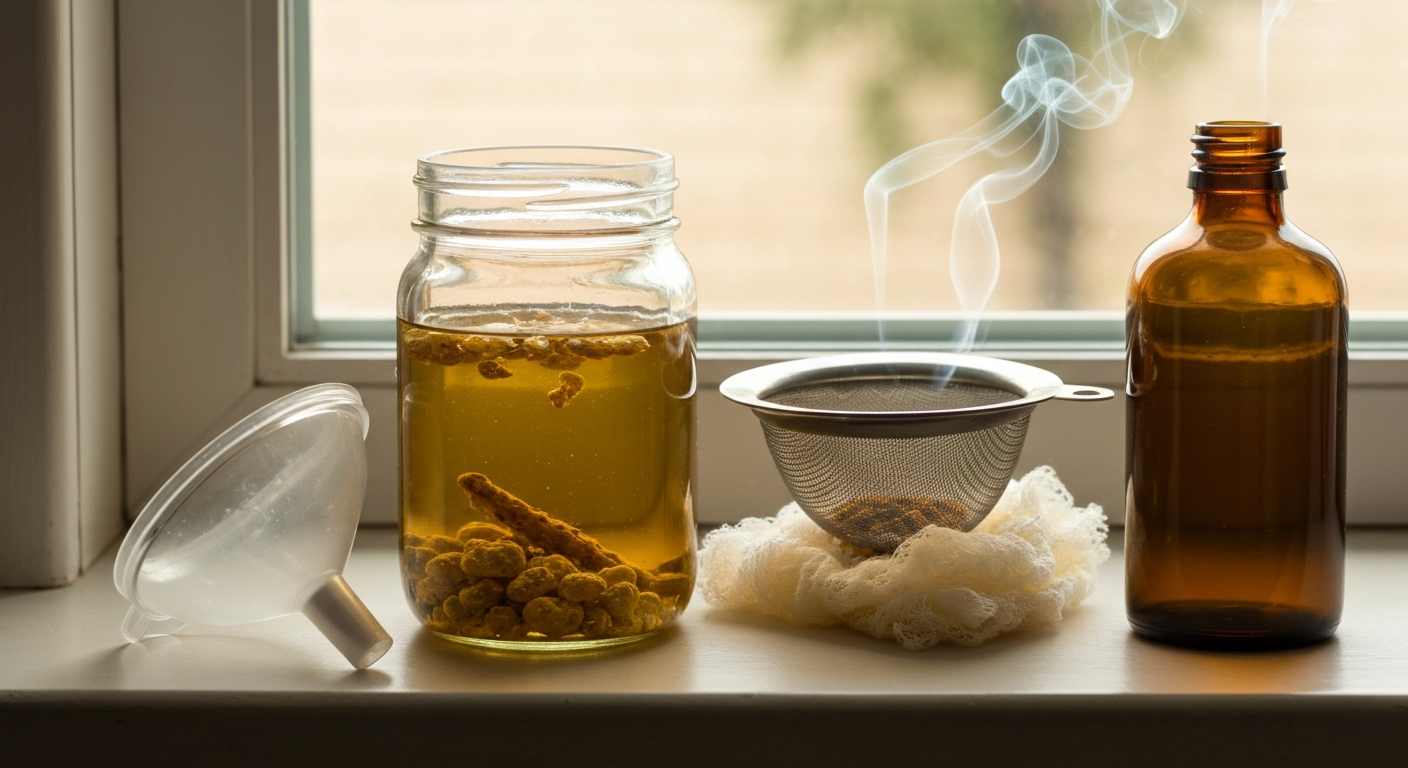
- High-quality frankincense essential oil – Choose certified organic Boswellia carterii or Boswellia serrata from reputable suppliers
- Carrier oils – Jojoba oil, sweet almond oil, or coconut oil (patch test first for allergies)
- Glass measuring tools – Graduated pipettes or small measuring spoons for accurate dilution
- Dark glass bottles – 1-2 oz amber or cobalt bottles for storing diluted blends
- Labels – For dating and identifying your preparations
- Cotton pads or soft cloths – For topical applications
Optional Supporting Materials
- Essential oil diffuser (ultrasonic or nebulizing type)
- Small bowl for diluting single applications
- pH-neutral unscented lotion base (if making body products)
- Patch test strips or small bandages
Step-by-Step Safety Protocol
Step 1: Consult Your Healthcare Provider
Before using frankincense oil during pregnancy, schedule a consultation with your obstetrician, midwife, or qualified healthcare provider. Discuss:
- Your current health status and pregnancy progression
- Any medications or supplements you're taking
- Previous reactions to essential oils or fragrances
- Your intended use and application methods
Document their recommendations and any restrictions they suggest for your specific situation.
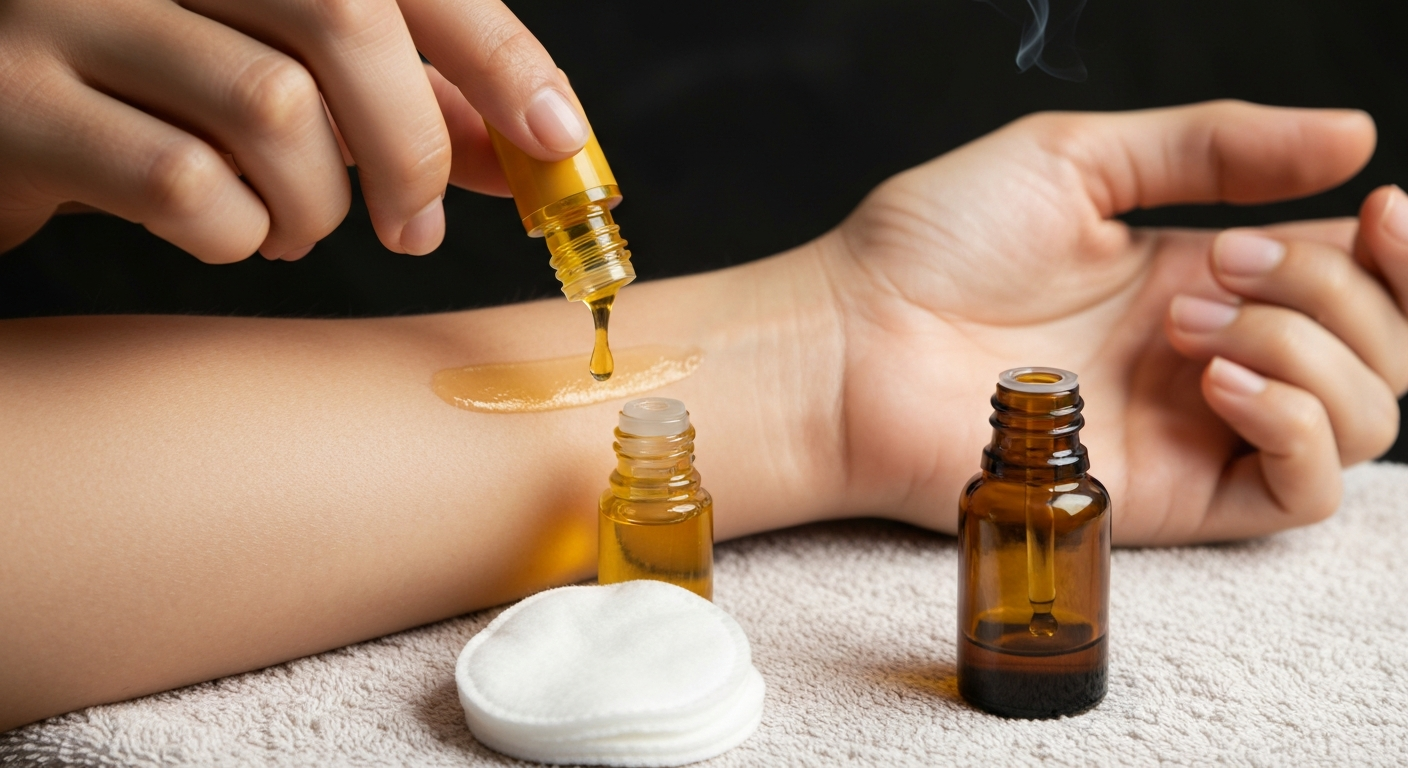
Step 2: Perform a Comprehensive Patch Test
Pregnancy can alter skin sensitivity dramatically, making patch testing essential even if you've used frankincense oil before:
- Create a 0.5% dilution by mixing 1 drop of frankincense oil with 2 teaspoons of carrier oil
- Apply a small amount to the inside of your wrist or behind your ear
- Cover with a small bandage and wait 24-48 hours
- Monitor for any redness, itching, swelling, or irritation
- If any reaction occurs, remove immediately and discontinue use
- If no reaction appears after 48 hours, you may proceed with caution
Step 3: Calculate Proper Dilution Ratios
Pregnancy requires significantly lower dilution ratios than standard adult use. Follow these guidelines for safe frankincense pregnancy dilutions:
| Application Type | Dilution Ratio | Frankincense Drops | Carrier Oil Amount |
|---|---|---|---|
| Aromatherapy diffusion | 3-4 drops total | 1-2 drops | Water in diffuser |
| Topical massage | 0.5-1% | 1-2 drops | 2 teaspoons |
| Body moisturizer | 0.25-0.5% | 2-4 drops | 4 tablespoons |
| Bath application | 1-3 drops | 1-3 drops | 1 tablespoon carrier oil |
For detailed dilution calculations and safety ratios, reference our comprehensive frankincense dilution guide.
Safe Application Methods During Pregnancy
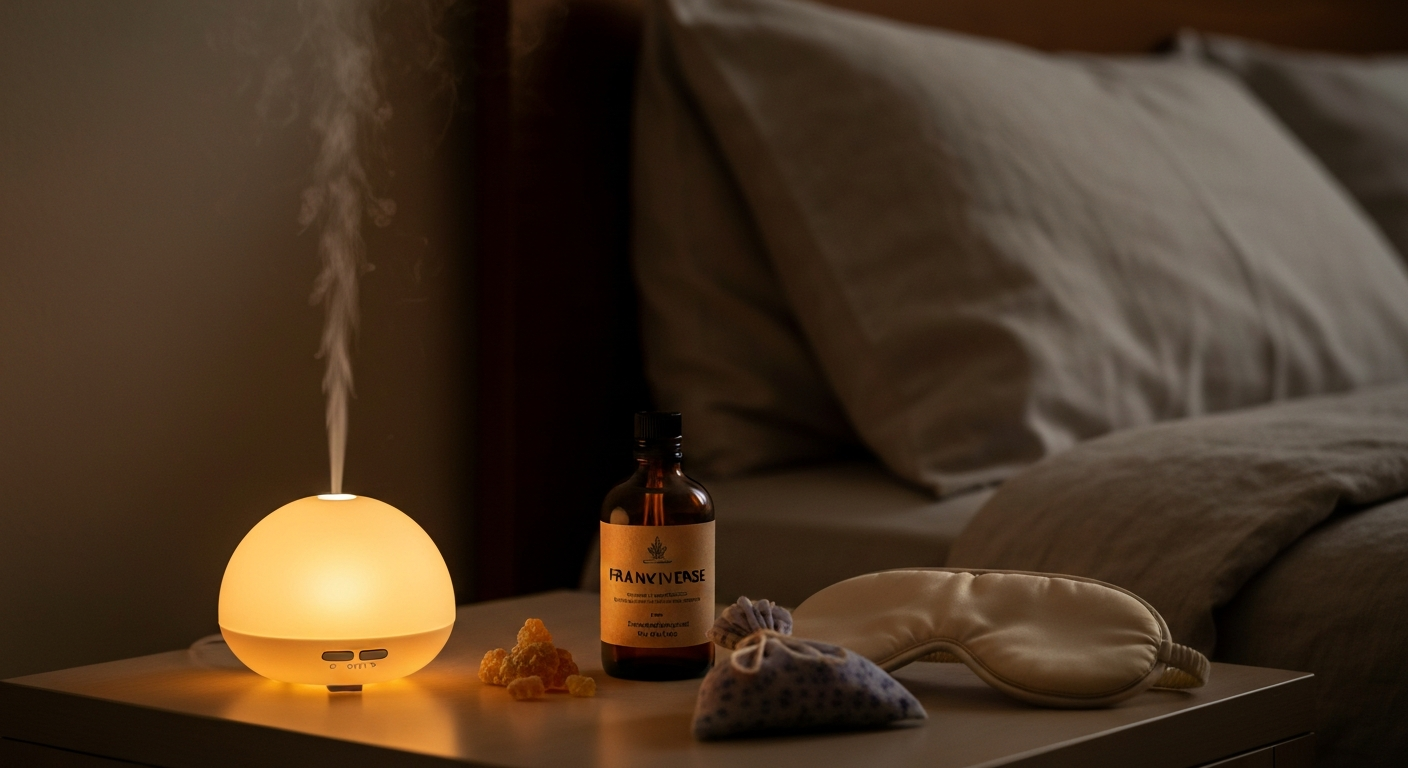
Method 1: Aromatherapy Diffusion
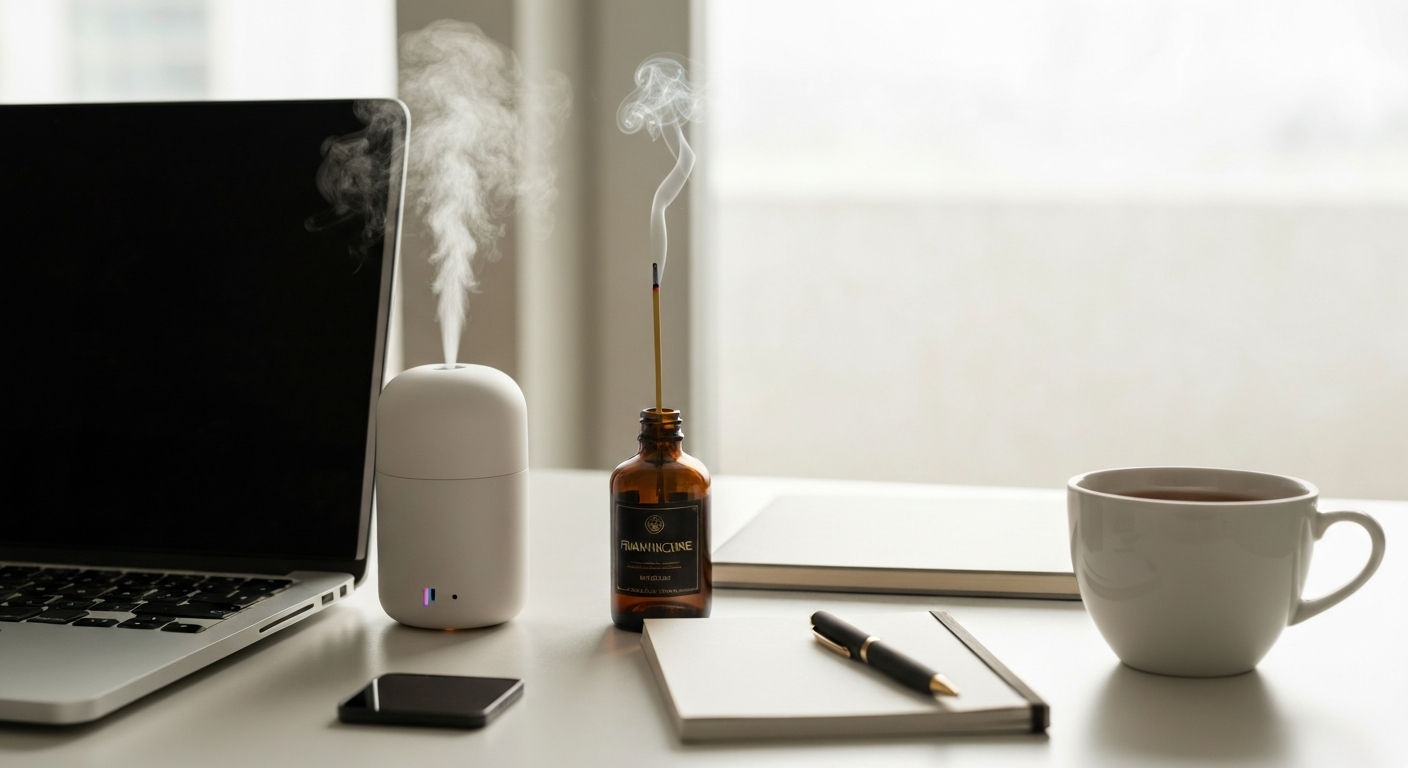
Diffusion is often considered one of the safest ways to experience frankincense during pregnancy, as it provides gentle, controlled exposure.
Instructions:
- Fill your diffuser with clean, filtered water according to manufacturer instructions
- Add 1-2 drops of frankincense oil maximum (never exceed 3-4 total drops of any oils)
- Start with 15-30 minute sessions to gauge your response
- Ensure adequate ventilation in the room
- Monitor how you feel during and after diffusion
- Discontinue if you experience nausea, headache, or respiratory irritation
Best Practices:
- Use in well-ventilated spaces only
- Avoid continuous diffusion – take breaks between sessions
- Keep diffuser away from your immediate breathing space
- Clean diffuser thoroughly between uses
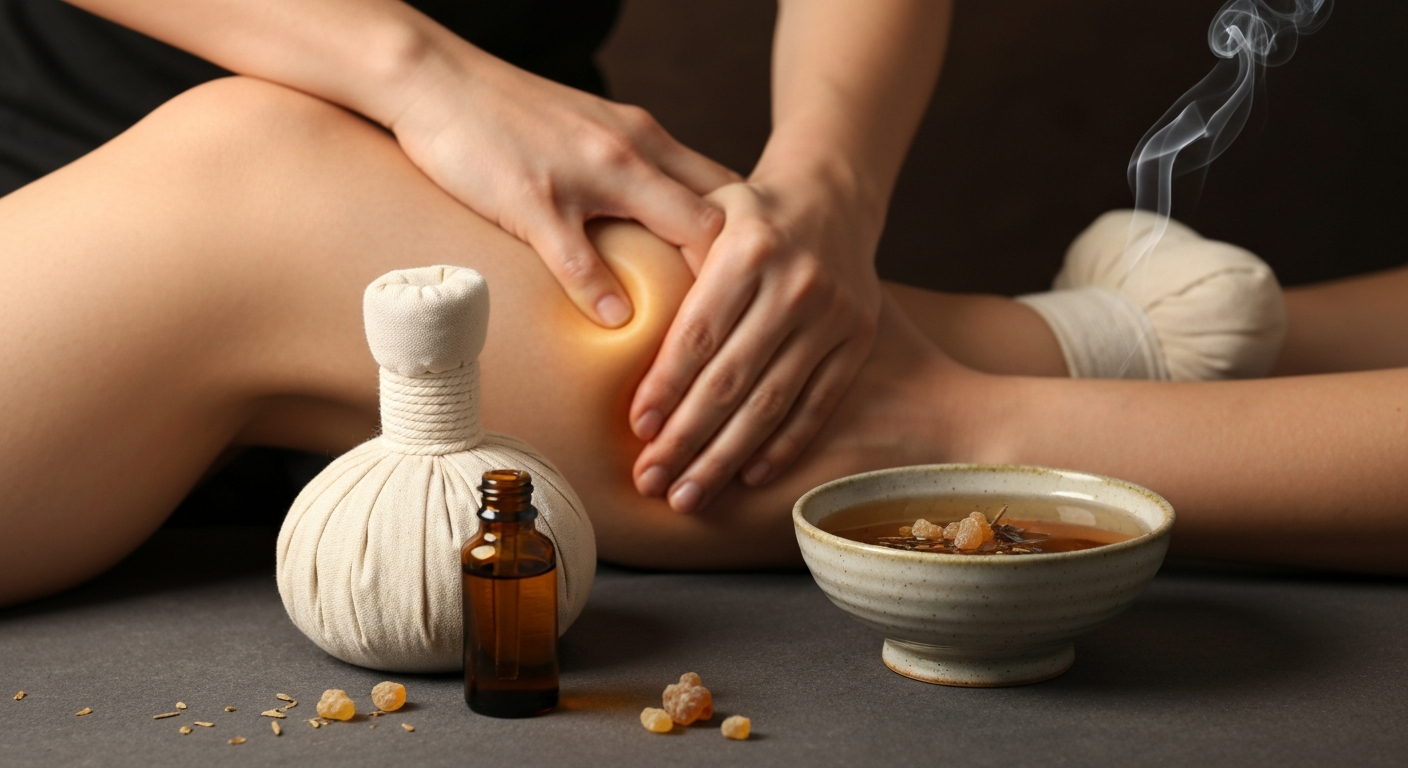
Method 2: Diluted Topical Application
When properly diluted, frankincense oil may be applied topically during pregnancy, though this requires extra caution and lower concentrations.
Instructions for General Moisturizing:
- In a small glass bowl, measure 2 tablespoons of your chosen carrier oil
- Add exactly 1-2 drops of frankincense oil
- Mix thoroughly with a clean glass stirrer or spoon
- Test the blend on a small skin area first
- If no irritation occurs, apply gently to desired areas
- Focus on areas like arms, legs, or décolletage rather than the abdomen
- Store any remaining blend in a labeled, dark glass container
Special Considerations for Stretch Mark Prevention:
Many expecting mothers are interested in using frankincense for skin elasticity support. While some anecdotal reports suggest benefits, approach this application carefully:
- Create an extremely gentle blend: 1 drop frankincense in 3 tablespoons carrier oil
- Always apply to skin that's slightly damp for better absorption
- Use gentle, circular motions without excessive pressure
- Apply twice daily maximum, monitoring skin response
- Discontinue if any sensitivity develops
For more specific guidance on this application, explore our detailed article on frankincense for stretch marks.
Method 3: Relaxation Bath Blend
A warm bath with diluted frankincense may help promote relaxation, though this method requires careful preparation to ensure safety.
Instructions:
- Fill bath with warm (not hot) water – temperatures above 100°F should be avoided during pregnancy
- In a small bowl, mix 1-2 drops frankincense oil with 1 tablespoon carrier oil
- Add this mixture to bath water just before entering
- Limit bath time to 15-20 minutes maximum
- Exit immediately if you feel dizzy, overheated, or unwell
- Rinse with cool water after bathing
Important Bath Safety Notes:
- Never add essential oils directly to bath water without a carrier
- Avoid hot baths, which can raise core body temperature dangerously
- Have someone nearby when bathing, especially in later pregnancy
- Use non-slip mats for safety
Trimester-Specific Guidelines
First Trimester (Weeks 1-12)
The first trimester is often considered the most sensitive period for essential oil use. During this time, the fetus is developing rapidly, and morning sickness may make you more sensitive to scents.
Recommendations:
- Avoid all essential oil use during the first 12 weeks if possible
- If you choose to use frankincense, limit to very occasional aromatherapy diffusion only
- Use the lowest possible concentrations (1 drop in diffuser maximum)
- Monitor closely for any nausea or adverse reactions
Second Trimester (Weeks 13-27)
This period is generally considered safer for cautious essential oil use, as morning sickness typically subsides and the risk of developmental complications decreases.
Expanded Options:
- Gentle aromatherapy diffusion (1-2 drops maximum)
- Very diluted topical applications (0.25-0.5% concentration)
- Occasional relaxation baths with proper dilution
- Continue monitoring your response carefully
Third Trimester (Weeks 28-40)
While some restrictions may relax slightly, increased skin sensitivity and preparation for labor require continued caution.
Considerations:
- Maintain conservative dilution ratios
- Be especially cautious with topical applications on the abdomen
- Some practitioners suggest avoiding certain oils near delivery time
- Discuss any labor-related aromatherapy plans with your birth team
What to Expect: Potential Benefits and Realistic Outcomes
When using frankincense oil safely during pregnancy, people often report various supportive effects, though individual experiences vary significantly. It's important to maintain realistic expectations and understand that essential oils are not medical treatments.
Commonly Reported Experiences
Aromatherapy Diffusion: Many users report that frankincense aromatherapy may help promote a sense of calm and relaxation. (See: NIH — Boswellia Research.) Some find it supportive during meditation or quiet reflection time. The grounding scent has been traditionally associated with spiritual practices and may help create a peaceful environment.
Topical Applications: When properly diluted, some people report that frankincense-infused carrier oils feel nourishing to the skin. While scientific evidence is limited, anecdotal reports suggest it may help support skin elasticity, though this should not be expected as a guaranteed outcome.
General Wellness Support: Some users find that incorporating frankincense into their pregnancy wellness routine provides a sense of connection to ancient traditions and may support their overall sense of well-being, though this is highly individual.
Managing Expectations
Remember that:
- Essential oils work differently for everyone, especially during pregnancy
- Hormonal changes can alter how you respond to scents and topical applications
- Benefits, if experienced, are typically subtle and supportive rather than dramatic
- Consistency in safe use practices matters more than concentration or frequency
Common Mistakes to Avoid
Dilution Errors
Mistake: Using standard adult dilution ratios during pregnancy.
Solution: Always reduce concentrations to 0.25-1% maximum for topical use, and use minimal amounts in diffusers.
Skipping the Patch Test
Mistake: Assuming previous tolerance means current safety.
Solution: Always perform a 48-hour patch test, as pregnancy can dramatically alter skin sensitivity.
Internal Use
Mistake: Taking frankincense oil internally or in capsules during pregnancy.
Solution: Never use essential oils internally during pregnancy without specific medical supervision.
Ignoring Quality Issues
Mistake: Using low-quality or adulterated oils.
Solution: Invest in certified organic, therapeutic-grade frankincense from reputable suppliers with proper testing documentation.
Overuse and Frequency
Mistake: Using frankincense oil multiple times daily or for extended periods.
Solution: Limit use to occasional applications and take regular breaks to prevent sensitization.
Abdominal Application
Mistake: Applying diluted oils directly to the pregnant abdomen without specific guidance.
Solution: Focus topical applications on arms, legs, and shoulders rather than the abdominal area.
When to Discontinue Use
Immediately stop using frankincense oil and consult your healthcare provider if you experience:
- Any skin irritation, redness, or rash
- Respiratory issues, including difficulty breathing or wheezing
- Headaches, dizziness, or nausea after use
- Any unusual symptoms or discomfort
- Changes in fetal movement patterns (seek immediate medical attention)
- Uterine contractions or cramping
Professional Consultation and Ongoing Safety
Throughout your pregnancy journey, maintain open communication with your healthcare team about any natural wellness practices you're incorporating. This includes:
- Informing all healthcare providers about your essential oil use
- Discussing any changes in your health status that might affect safety
- Asking about interactions with any prescribed medications
- Getting approval before changing your usage patterns or concentrations
For comprehensive safety information beyond pregnancy-specific guidelines, review our complete frankincense safety guide for additional precautions and best practices.
Final Thoughts on Frankincense and Pregnancy
Using frankincense oil during pregnancy can be a meaningful way to connect with ancient wellness traditions while supporting your journey into motherhood. However, this sacred time requires the utmost respect for safety protocols and individualized approaches to wellness.
Remember that every pregnancy is unique, and what works safely for one person may not be appropriate for another. The key lies in education, proper preparation, conservative approaches, and consistent communication with qualified healthcare providers who understand both your medical history and your wellness goals.
When used thoughtfully and safely, frankincense oil may offer gentle support during this transformative time. Honor both the wisdom of traditional use and the importance of modern safety standards as you make informed decisions about incorporating this ancient treasure into your pregnancy wellness routine.
Trust your instincts, listen to your body, and remember that the safest approach is often the most conservative one during pregnancy. Your growing baby's health and your own well-being should always be the primary considerations in any wellness decision you make.
Frankincense Essential Oil
Serrata, carterii, sacra, frereana, neglecta and rivae: steam-distilled, GC/MS verified, in sizes from 0.5 oz to bulk.
From $12.99
Shop Frankincense Oil →