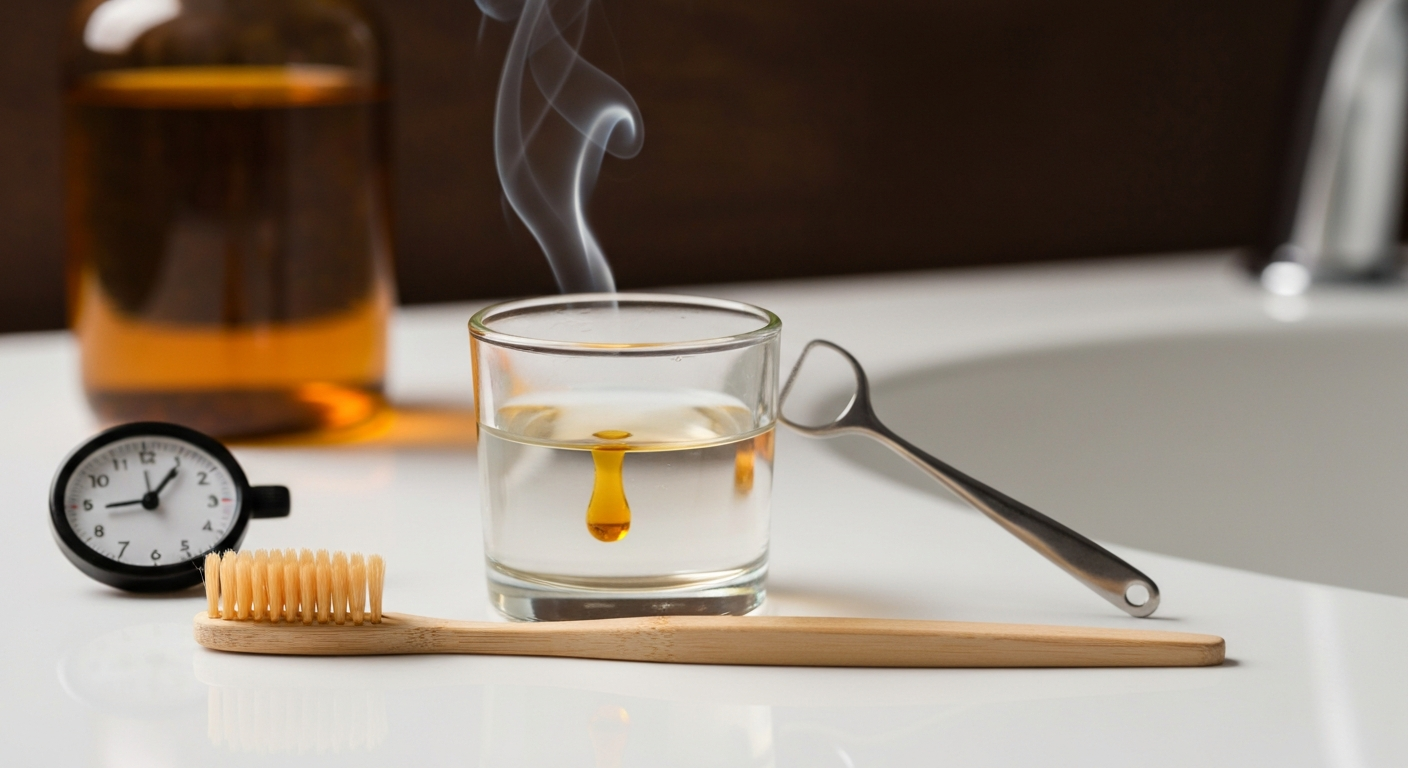
How to Use Frankincense for Oral Health: Oil Pulling, Toothpaste, and Mouthwash
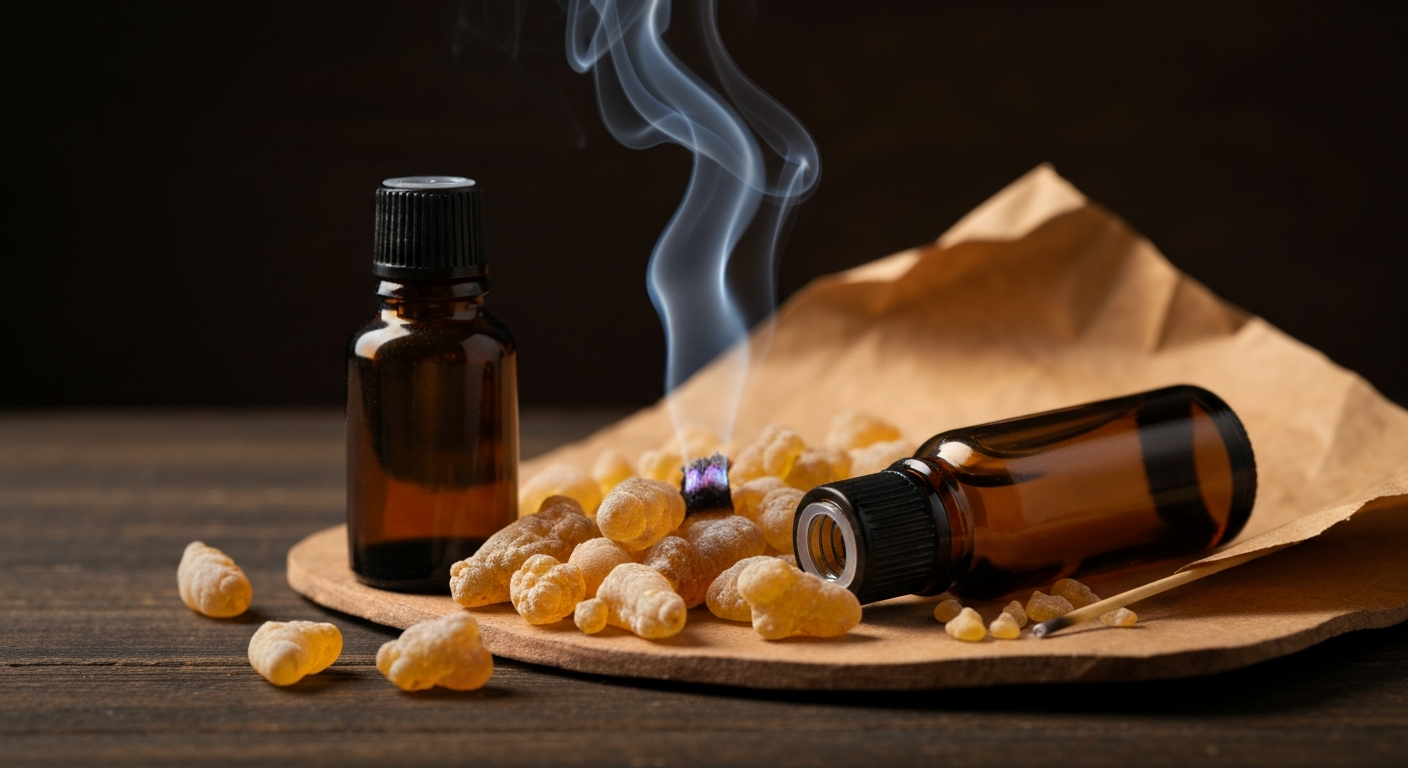
For thousands of years, frankincense has held a revered place in traditional oral care practices across ancient civilizations. From the temples of Egypt to the trading routes of Arabia, this precious resin has been treasured not only for its divine fragrance but also for its traditional role in maintaining oral wellness. Today, as we seek to bridge ancient wisdom with modern understanding, frankincense essential oil offers a luxurious approach to natural oral care routines.
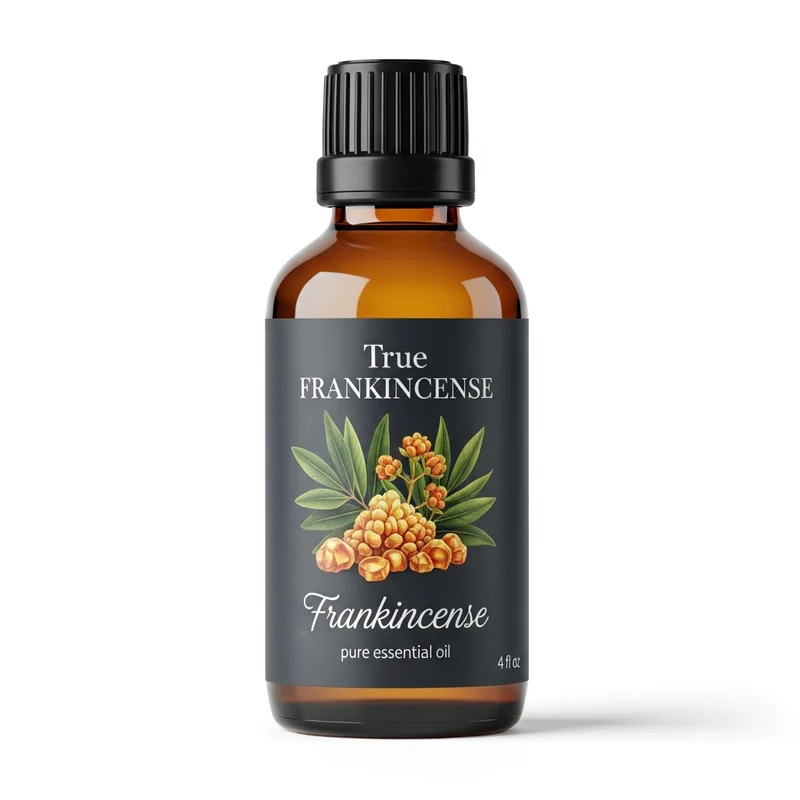
Frankincense Essential Oil
Six single-origin frankincense varieties, steam-distilled and GC/MS verified.
From $12.99
Shop Frankincense Oil →This comprehensive guide explores three time-honored methods of incorporating frankincense into your oral health regimen: oil pulling, DIY toothpaste, and homemade mouthwash. Each approach honors traditional practices while providing clear, step-by-step instructions for safe and effective use in contemporary wellness routines.
Understanding Frankincense in Traditional Oral Care
Frankincense (Boswellia species) has been traditionally valued in oral care practices for millennia. Ancient texts suggest that various cultures recognized the resin's potential benefits for oral wellness, often incorporating it into daily hygiene rituals. While modern research continues to explore these traditional applications, many people today report positive experiences when using frankincense as part of their oral care routine.
Some preliminary research suggests that frankincense may possess properties that could support oral health, though more studies are needed to fully understand these mechanisms. Traditional use indicates that frankincense was often combined with other botanicals to create comprehensive oral care preparations.
Important Safety Note: This information is for educational purposes only. Always consult with a qualified healthcare provider or dentist before making significant changes to your oral care routine, especially if you have existing dental conditions or are undergoing dental treatment.
Method 1: Frankincense Oil Pulling
Oil pulling, an ancient Ayurvedic practice, involves swishing oil in the mouth to traditionally support oral hygiene. Adding frankincense essential oil to this practice may enhance the experience while honoring both traditions.
Materials Needed for Frankincense Oil Pulling:
- 1 tablespoon high-quality carrier oil (coconut, sesame, or sunflower oil)
- 1-2 drops pure frankincense essential oil
- Small glass bowl for mixing
- Timer
- Tissues or paper towels
Step-by-Step Instructions:
- Prepare the oil blend: In a small glass bowl, combine 1 tablespoon of your chosen carrier oil with 1-2 drops of frankincense essential oil. Stir gently to distribute the essential oil evenly.
- Timing is key: Begin oil pulling first thing in the morning, before eating, drinking, or brushing your teeth. This traditional timing is believed to be most effective.
- Take the oil mixture: Place the entire tablespoon of oil blend in your mouth. The amount may seem substantial at first, but your mouth will adjust.
- Begin swishing gently: Start with gentle swishing motions, pulling the oil through your teeth and around your gums. Avoid vigorous swishing that might cause jaw fatigue.
- Continue for 10-20 minutes: Beginners should start with 5-10 minutes and gradually work up to 20 minutes. The oil will become thinner and lighter in color as you continue.
- Do not swallow: It's crucial never to swallow the oil during or after the process, as it may contain bacteria and toxins that have been drawn from the mouth.
- Spit into trash: After the allotted time, spit the oil into a tissue or directly into the trash can. Avoid spitting into sinks or toilets, as the oil can solidify and cause plumbing issues.
- Rinse thoroughly: Rinse your mouth with warm water several times, then brush your teeth as normal.
Tips for Successful Frankincense Oil Pulling:
- Start gradually: If 20 minutes feels too long initially, begin with 5-10 minutes and increase duration over time
- Stay relaxed: Keep your jaw relaxed throughout the process to prevent fatigue
- Quality matters: Use only high-grade, pure frankincense essential oil from reputable sources
- Consistency is key: Traditional practices suggest daily use for optimal results
- Listen to your body: If you experience any discomfort, reduce the essential oil concentration or discontinue use
Common Mistakes to Avoid:
- Using too much frankincense oil (more than 2 drops can be overwhelming)
- Swallowing the oil mixture
- Swishing too vigorously, causing jaw strain
- Using low-quality or synthetic essential oils
- Spitting oil down drains instead of in trash
Method 2: DIY Frankincense Toothpaste
Creating your own frankincense toothpaste allows you to control ingredients while incorporating this traditionally valued botanical into your daily routine. This luxurious paste combines modern understanding of oral care with ancient wisdom.
Materials Needed for Frankincense Toothpaste:
- 1/4 cup coconut oil (softened)
- 2 tablespoons baking soda
- 1 tablespoon arrowroot powder or cornstarch
- 1 teaspoon fine sea salt
- 3-4 drops frankincense essential oil
- 2-3 drops peppermint essential oil (optional, for freshness)
- 1 teaspoon xylitol (optional, for sweetness)
- Small glass jar with lid for storage
- Small mixing bowl
- Fork or small whisk for mixing
Step-by-Step Instructions:
- Prepare your workspace: Ensure all utensils and containers are clean and dry. Use glass or stainless steel containers when working with essential oils.
- Soften the coconut oil: If your coconut oil is solid, gently warm it to a soft, creamy consistency. It should be pliable but not completely liquid.
- Combine dry ingredients: In your mixing bowl, combine baking soda, arrowroot powder, and sea salt. Whisk together to eliminate any lumps.
- Add coconut oil: Add the softened coconut oil to the dry ingredients. Mix thoroughly with a fork until the mixture forms a paste-like consistency.
- Incorporate essential oils: Add frankincense essential oil drop by drop, mixing well after each addition. If using peppermint oil, add it now as well.
- Add sweetener if desired: If using xylitol, incorporate it now and mix until evenly distributed.
- Test consistency: The final paste should be smooth and hold together without being too dry or too wet. Adjust with small amounts of coconut oil or arrowroot powder as needed.
- Transfer to storage jar: Spoon the finished toothpaste into your clean glass jar. Press down to eliminate air pockets and smooth the surface.
- Allow to set: Let the toothpaste sit at room temperature for a few hours to achieve its final consistency.
Usage Instructions:
Use a small amount (about 1/2 teaspoon) on your toothbrush. The paste may feel different from commercial toothpastes initially, but most people adapt quickly. Brush as you normally would, paying attention to how your mouth feels during and after use.
Storage and Shelf Life:
Store your frankincense toothpaste in a cool, dry place. The paste should maintain quality for 2-3 months when stored properly. If the texture changes significantly or you notice any unusual odors, prepare a fresh batch.
Method 3: Frankincense DIY Mouthwash
A frankincense mouthwash offers a luxurious finishing touch to your oral care routine. This gentle, naturally-inspired rinse combines traditional botanicals with modern convenience.
Materials Needed for Frankincense Mouthwash:
- 1 cup distilled water
- 1 tablespoon witch hazel
- 1 teaspoon baking soda
- 3-4 drops frankincense essential oil
- 2 drops tea tree oil (optional)
- 1-2 drops peppermint essential oil (optional, for freshness)
- 1 teaspoon vegetable glycerin (optional, for smoothness)
- Glass bottle with cap (8-10 oz capacity)
- Small funnel
- Measuring spoons and cup
Step-by-Step Instructions:
- Prepare the base: In a clean measuring cup, combine distilled water and witch hazel. Witch hazel acts as a natural astringent and helps preserve the mixture.
- Dissolve baking soda: Add baking soda to the water mixture and stir until completely dissolved. This may take several minutes of stirring.
- Add essential oils: Add frankincense essential oil first, followed by any optional oils. Essential oils don't dissolve in water, so vigorous shaking before each use will be necessary.
- Include glycerin if using: If you prefer a smoother mouthwash, add vegetable glycerin now and stir well.
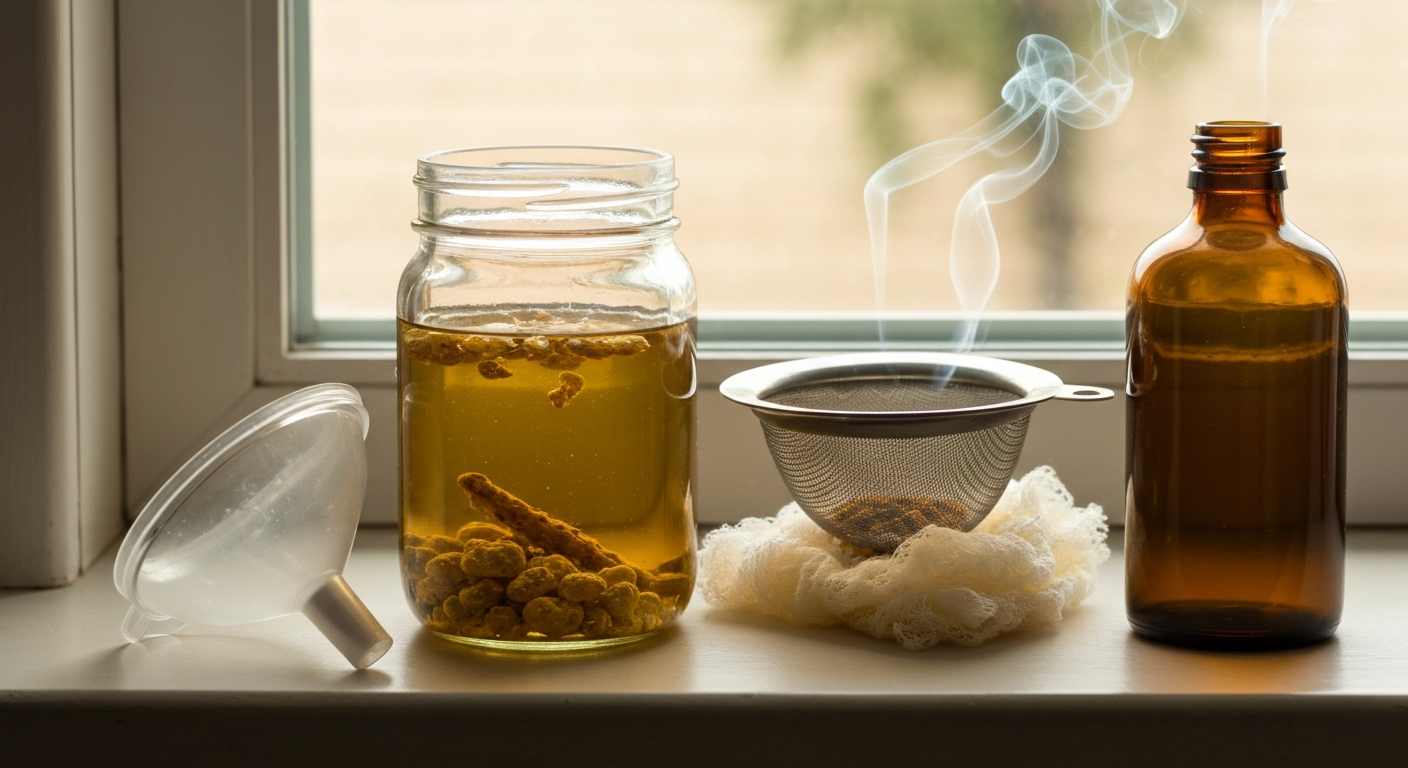
- Transfer to bottle: Using a funnel, carefully pour the mixture into your clean glass bottle. Leave some space at the top for shaking.
- Label your creation: Label the bottle with the contents and date of preparation for easy reference.
- Allow flavors to meld: Let the mouthwash sit for at least 24 hours before first use to allow the flavors to blend properly.
Usage Instructions:
Shake well before each use. (See: NIH — Boswellia Research.) Use 1-2 tablespoons as you would any mouthwash, swishing for 30-60 seconds before spitting out. Use after brushing and flossing for best results. Some people prefer to use this mouthwash before brushing to help prepare the mouth.
Safety Considerations and Precautions
Essential Oil Safety:
- Quality is paramount: Use only pure, high-grade frankincense essential oil from reputable sources
- Proper dilution: Never use undiluted essential oils in the mouth
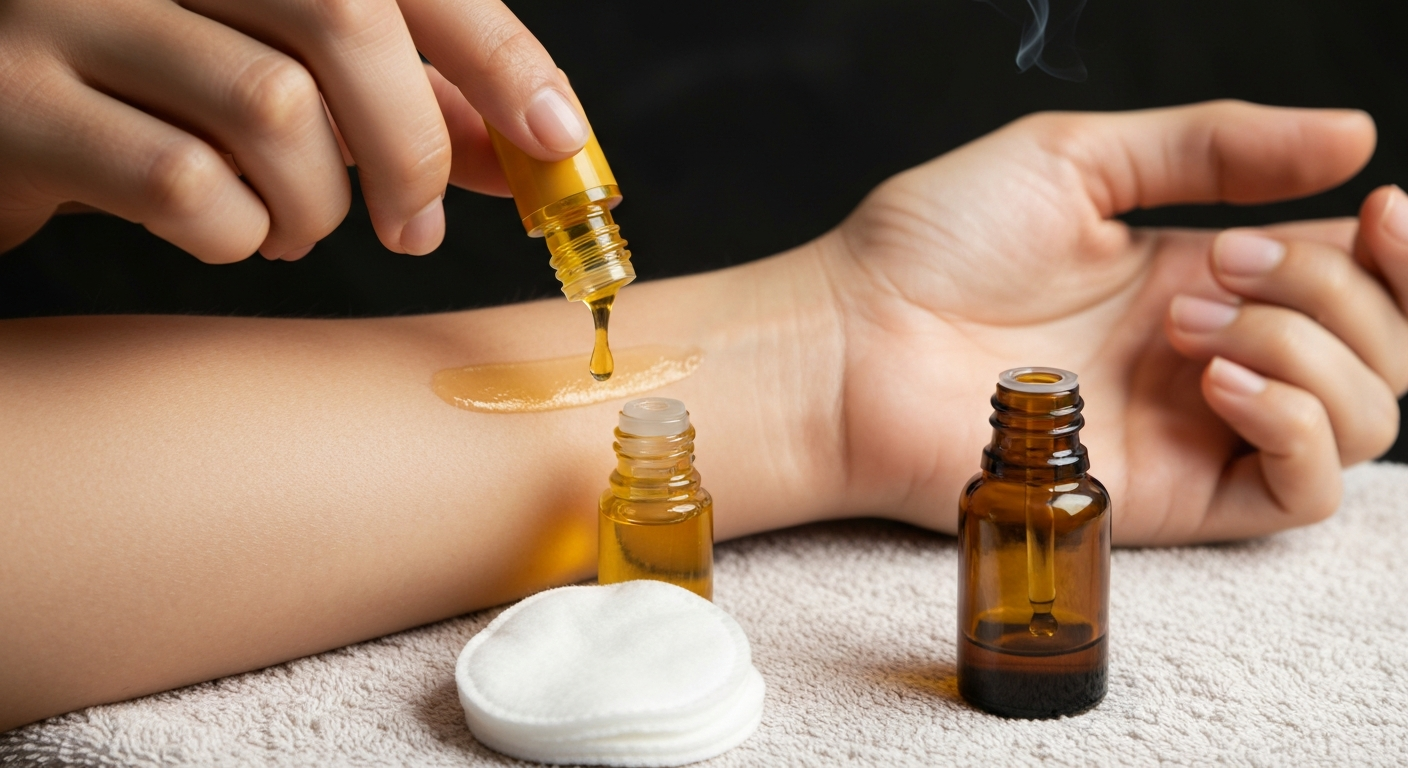
- Patch test: Before first use, apply a small amount of any mixture to the inside of your wrist to check for sensitivities
- Start slowly: Begin with lower concentrations and shorter durations to assess your tolerance
- Pregnancy and nursing: Consult with a healthcare provider before use if pregnant or nursing
- Children: These preparations are formulated for adults; consult a pediatric dentist before use with children
When to Discontinue Use:
Stop using any frankincense oral care preparation and consult with a healthcare provider if you experience:
- Persistent irritation or burning sensations
- Unusual swelling or redness
- Allergic reactions
- Worsening of existing oral health conditions
- Any unusual or concerning symptoms
Combining Frankincense with Other Traditional Oral Care Botanicals
Frankincense has traditionally been paired with other botanicals in oral care preparations. Consider exploring combinations with myrrh, which has its own rich history in oral wellness traditions. Our frankincense and myrrh guide provides detailed information about using these complementary resins together.
Other traditionally used botanicals that may complement frankincense include:
- Tea tree oil (in very small amounts)
- Clove essential oil
- Peppermint or spearmint
- Eucalyptus
- Calendula
Expected Results and Realistic Expectations
When incorporating frankincense into your oral care routine, it's important to maintain realistic expectations. Many people report positive experiences, including:
- A sense of cleanliness and freshness
- Enjoyment of the luxurious, resinous aroma
- Feeling of supporting their overall oral wellness routine
- Appreciation for connecting with traditional practices
Traditional use suggests that consistent, long-term use may be more beneficial than sporadic application. However, individual experiences may vary, and frankincense preparations should complement, not replace, established oral hygiene practices including regular brushing, flossing, and professional dental care.
Maintaining Your Frankincense Oral Care Routine
Creating Consistency:
- Start with one method: Begin with either oil pulling, toothpaste, or mouthwash rather than implementing all three simultaneously
- Track your experience: Keep notes about how each preparation feels and any changes you observe
- Prepare in batches: Make larger quantities of toothpaste and mouthwash to maintain consistency
- Quality ingredients: Invest in high-quality frankincense essential oil, as this forms the foundation of your preparations
Professional Dental Care:
Remember that these traditional practices are meant to enhance, not replace, professional dental care. Continue with regular dental checkups, cleanings, and any treatments recommended by your dental healthcare provider. Inform your dentist about any natural products you're using in your oral care routine.
Conclusion: Embracing Ancient Wisdom in Modern Oral Care
Incorporating frankincense into your oral care routine through oil pulling, DIY toothpaste, and homemade mouthwash offers a meaningful way to connect with thousands of years of traditional wisdom while maintaining modern oral hygiene standards. These practices allow you to experience the luxury and reverence that frankincense has commanded throughout history while taking an active role in your personal wellness journey.
As you explore these traditional methods, remember that consistency, quality ingredients, and realistic expectations are key to a positive experience. Whether you choose one method or incorporate all three into your routine, frankincense offers a bridge between ancient practices and contemporary wellness, bringing the sacred into the everyday ritual of oral care.
Always prioritize safety, listen to your body's responses, and maintain open communication with your healthcare providers as you explore these time-honored approaches to oral wellness. The journey of incorporating frankincense into your oral care routine is as much about honoring tradition as it is about personal discovery and wellness.
Frankincense Essential Oil
Serrata, carterii, sacra, frereana, neglecta and rivae: steam-distilled, GC/MS verified, in sizes from 0.5 oz to bulk.
From $12.99
Shop Frankincense Oil →