Frankincense Resin FAQ: Burning, Storing, and Using Raw Frankincense
Raw frankincense resin has captivated civilizations for millennia, yet many modern enthusiasts find themselves with questions about proper handling, storage, and use. Whether you're new to this ancient treasure or seeking to deepen your understanding, this comprehensive FAQ addresses the most common inquiries about working with authentic frankincense resin.
Frankincense Essential Oil
Six single-origin frankincense varieties, steam-distilled and GC/MS verified.
From $12.99
Shop Frankincense Oil →Understanding Frankincense Resin
What exactly is frankincense resin?
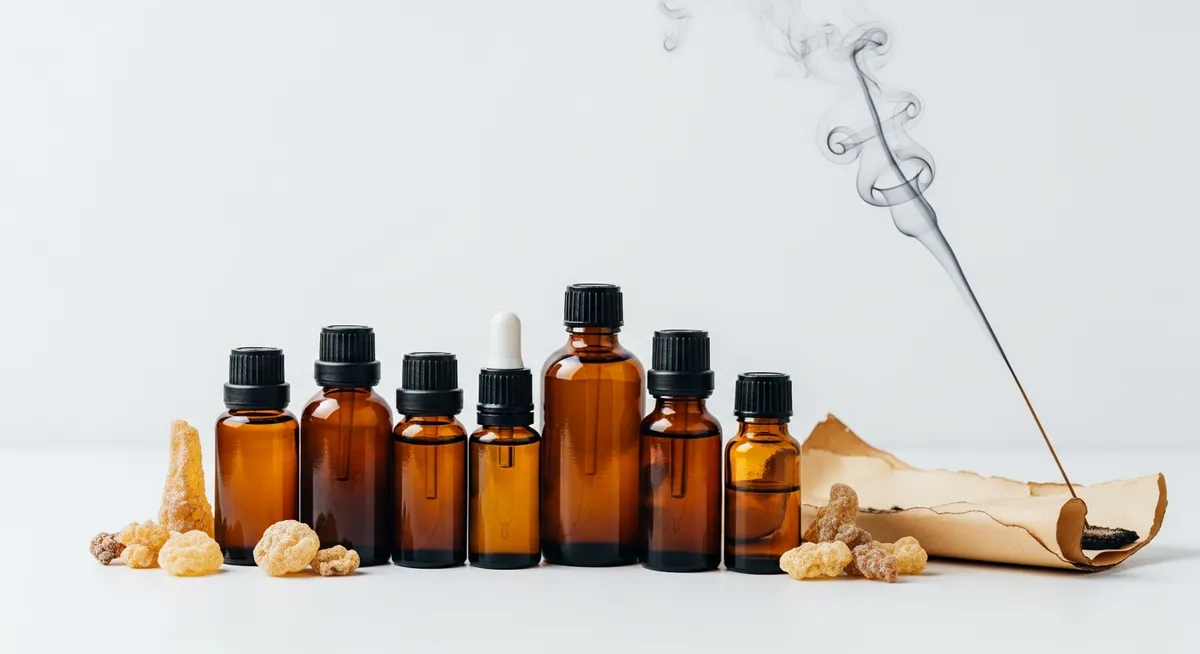
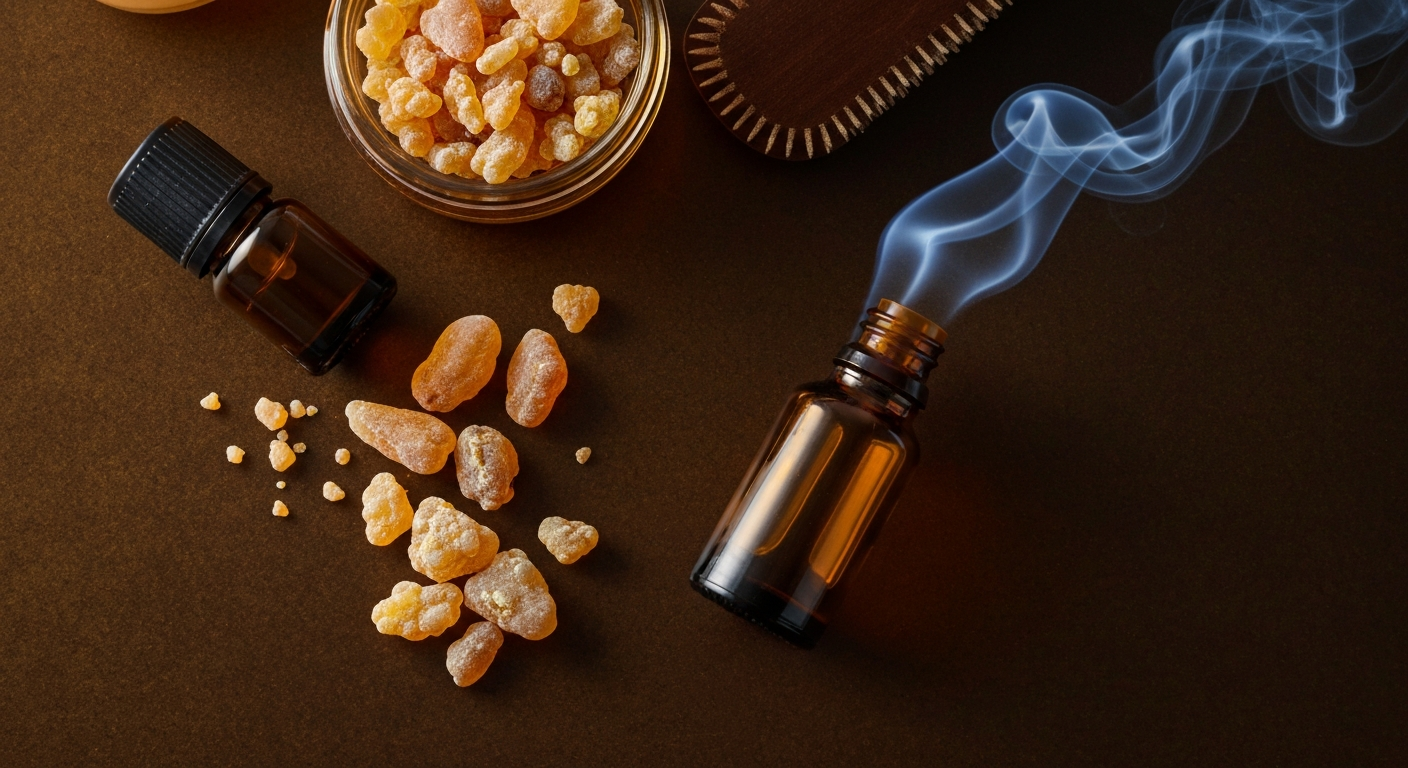
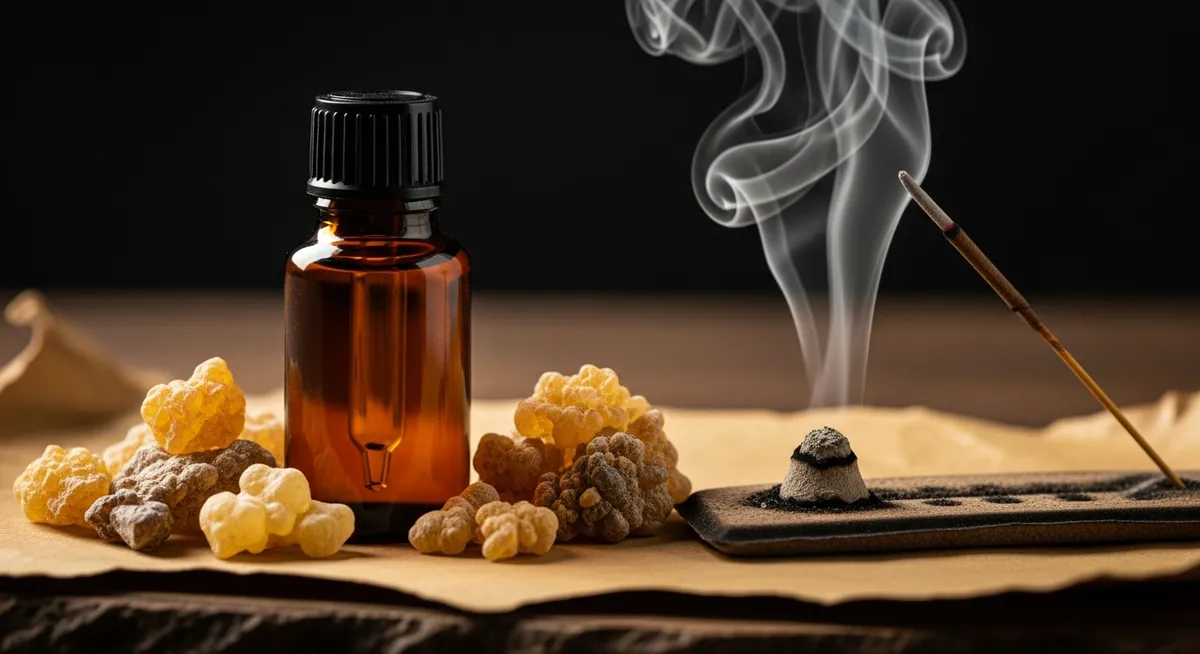
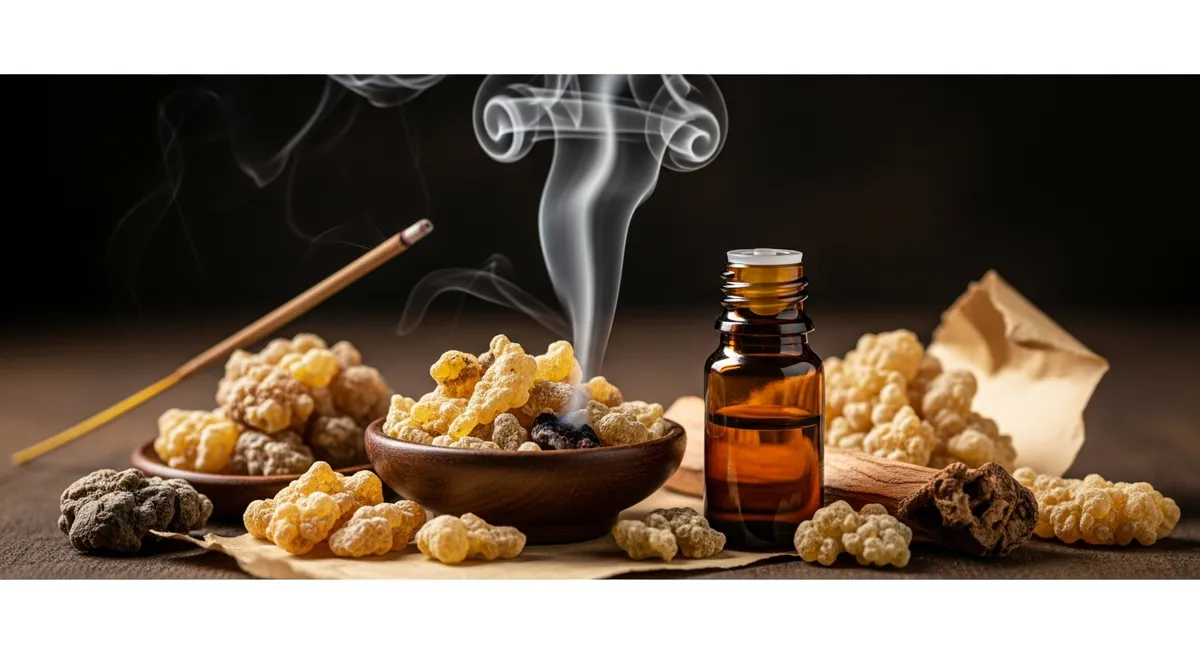
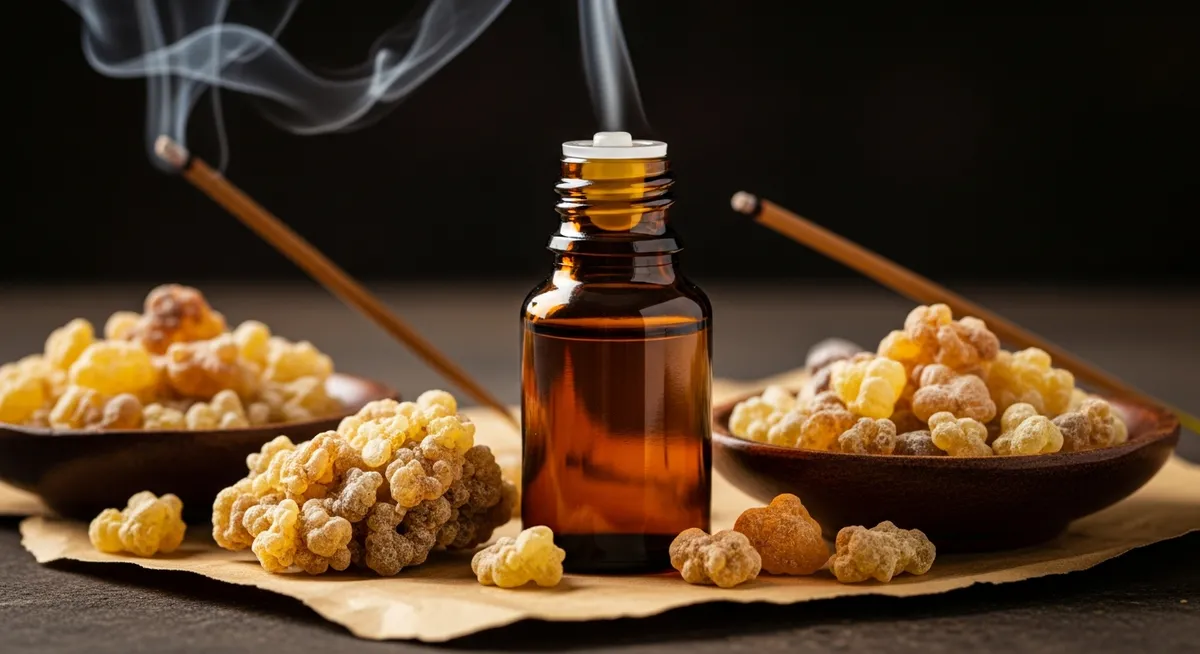
Frankincense resin is the hardened aromatic sap extracted from Boswellia trees, primarily found in Somalia, Oman, and other regions of the Arabian Peninsula and Horn of Africa. When the bark is scored, the tree produces this protective resin that hardens into translucent "tears" or "pearls." This raw material has been traded as precious cargo for over 4,000 years, forming the foundation of ancient incense traditions.
How does frankincense resin differ from frankincense essential oil?
While both originate from the same Boswellia trees, they represent different forms and applications. Raw resin contains the complete aromatic profile in its natural state and requires burning to release its fragrance. Essential oil undergoes steam distillation to extract concentrated volatile compounds, making it suitable for topical use when properly diluted. For a detailed comparison, explore our guide on frankincense resin versus essential oil.
What are the different grades of frankincense resin?
Frankincense resin is typically classified into several grades based on color, clarity, and size. Superior grades feature pale, translucent tears with minimal bark fragments, while lower grades may appear darker with more impurities. The most prized varieties include Omani Hojari and Somali Maydi, each offering distinct aromatic profiles. Understanding these distinctions helps ensure you're investing in authentic, high-quality material.
Burning and Usage Methods
How do I burn frankincense resin properly?
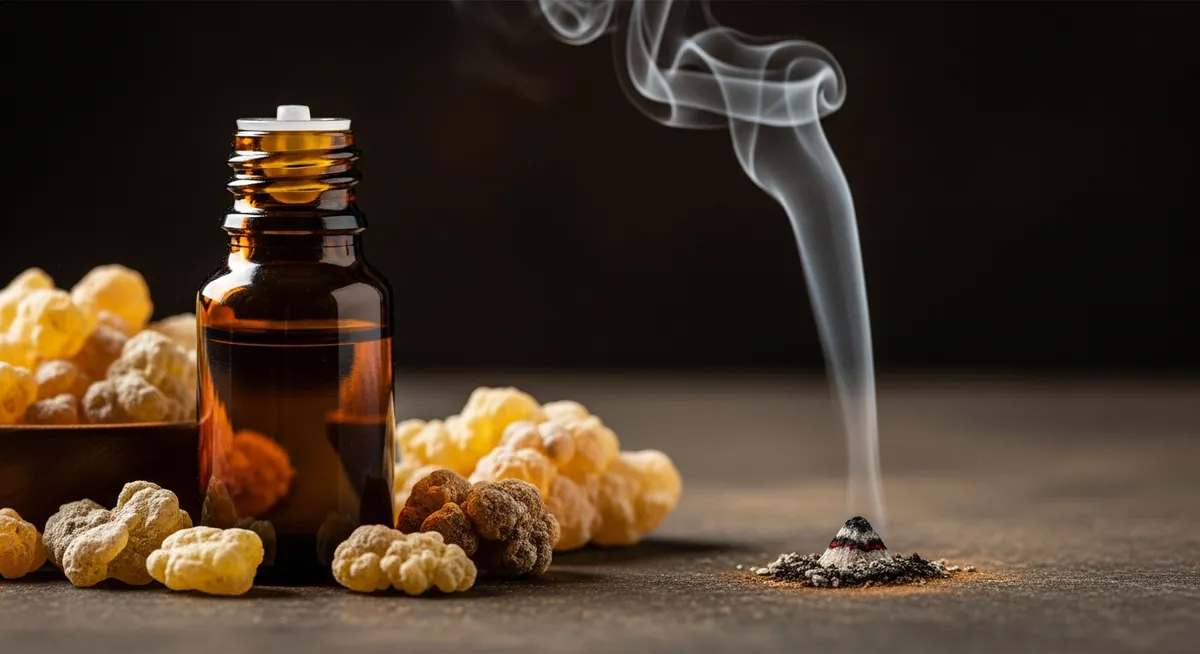
Burning frankincense resin requires charcoal discs designed specifically for incense use, never barbecue charcoal. Light the charcoal disc and place it in a heat-resistant burner, waiting until it glows evenly before adding small pieces of resin. The resin will begin smoking within moments, releasing its distinctive aroma. For comprehensive instructions, consult our detailed guide on how to burn frankincense resin safely.
How much resin should I use at one time?
Start with small pieces, approximately the size of a grain of rice or small pea. Frankincense resin is potent, and a little goes a long way. You can always add more pieces as the initial ones burn down, allowing you to control the intensity and duration of the aromatic experience. Beginning with smaller amounts also helps prevent overwhelming scents in enclosed spaces.
Can I burn frankincense resin without charcoal?
While charcoal provides the most traditional and effective method, electric incense burners designed for resins offer an alternative. These devices heat the resin gradually without combustion, producing gentler aromatic release. However, the scent profile may differ from traditional burning methods, as the higher temperatures achieved with charcoal unlock different aromatic compounds within the resin.
How long does frankincense resin burn?
Individual pieces typically burn for 10-15 minutes, depending on size and quality. A single charcoal disc remains hot enough to burn resin for approximately 45-60 minutes, allowing you to add fresh pieces throughout this period. The intensity gradually diminishes as each piece burns, creating a naturally evolving aromatic experience.
Is it safe to burn frankincense resin indoors?
When burned properly with adequate ventilation, frankincense resin can be used indoors safely. Always ensure proper airflow, never leave burning materials unattended, and keep away from flammable items. Some individuals may be sensitive to smoke, so start with small amounts and monitor your comfort level. Consider room size and ventilation when determining appropriate quantities.
Storage and Preservation
How should I store frankincense resin?
Store frankincense resin in airtight containers away from direct sunlight, heat, and moisture. Glass jars with tight-fitting lids or sealed plastic containers work well for maintaining freshness. Keep containers in cool, dry locations such as cupboards or pantries. Proper storage preserves the resin's aromatic properties and prevents degradation from environmental factors.
How long does frankincense resin last?
When stored properly, high-quality frankincense resin can maintain its aromatic properties for several years. (See: NIH — Boswellia Research.) Unlike essential oils, resin doesn't have a strict expiration date but may gradually lose potency over time. Signs of deterioration include significant darkening, crumbling texture, or diminished scent when burned. Premium grades typically retain their qualities longer than lower-quality varieties.
Can frankincense resin go bad or expire?
Frankincense resin doesn't spoil in the traditional sense but can degrade if exposed to excessive moisture, heat, or light. Properly stored resin remains stable for extended periods, though very old resin may become brittle or lose some aromatic intensity. If resin develops an off-putting odor when burned or shows signs of mold, it should be discarded.
Quality and Sourcing
How can I identify high-quality frankincense resin?
Superior frankincense resin exhibits pale, translucent coloring with minimal bark or debris. The tears should be relatively uniform in size with a clean, fresh aroma when heated. Avoid resin that appears excessively dark, contains numerous impurities, or produces harsh smoke when burned. For detailed quality assessment criteria, reference our comprehensive frankincense quality guide.
What's the difference between different Boswellia species?
Various Boswellia species produce distinct resin characteristics. Boswellia sacra from Oman yields the prized Hojari grade, while Boswellia carterii from Somalia produces excellent Maydi varieties. Each species offers unique aromatic profiles, with some being more citrusy, others more woody or balsamic. Understanding these differences helps you select resin that matches your preferences.
Where should I purchase authentic frankincense resin?
Source frankincense resin from reputable suppliers who provide information about origin, species, and harvesting methods. Look for vendors who offer transparency about their sourcing practices and can verify authenticity. Avoid unusually cheap options, as they may indicate inferior quality or adulterated products. Established specialty retailers often provide better quality assurance than general marketplace sellers.
Traditional and Modern Uses
What are the traditional uses of frankincense resin?
Throughout history, frankincense resin has been used in religious ceremonies, meditation practices, and cultural rituals across various civilizations. Ancient Egyptians incorporated it into embalming processes and temple ceremonies, while many world religions continue using it in worship services. Traditional practices often involved burning resin to create sacred spaces and support contemplative states.
Can I make my own frankincense products from resin?
Raw frankincense resin can be incorporated into various DIY projects, including making incense blends, potpourri, or infused oils. However, extracting essential oil at home requires specialized equipment and expertise. Simple applications include creating custom incense blends by mixing different resin varieties or combining with other natural aromatics. Always research proper techniques and safety considerations before attempting any processing.
How do I clean my burner after using frankincense resin?
Allow burners to cool completely before cleaning. Remove ash and residue with a soft brush or cloth, avoiding harsh chemicals that might leave odors. For stubborn residue, gentle scraping with a wooden tool can help. Some users prefer dedicating specific burners exclusively to frankincense to maintain pure aromatic experiences and simplify maintenance.
Can I travel with frankincense resin?
Frankincense resin is generally permissible for travel, but check specific airline and destination regulations before packing. Store resin in clearly labeled containers and consider carrying documentation about the product's nature. When traveling internationally, research customs regulations, as some countries have restrictions on importing organic materials. Keeping resin in original packaging can help avoid confusion during security checks.
Why does my frankincense resin produce different scents?
Various factors influence frankincense aroma, including resin quality, age, storage conditions, and burning temperature. Different Boswellia species and harvest locations produce distinct scent profiles. Additionally, the stage of burning affects fragrance, with initial heating often producing different notes than sustained burning. Temperature variations from charcoal placement can also impact the aromatic release pattern.
Understanding frankincense resin enhances appreciation for this ancient treasure. Whether you're drawn to its historical significance, aromatic beauty, or meditative qualities, proper knowledge ensures optimal experiences. Remember that working with natural materials requires patience and respect for traditional practices that have been refined over millennia.
Frankincense Essential Oil
Serrata, carterii, sacra, frereana, neglecta and rivae: steam-distilled, GC/MS verified, in sizes from 0.5 oz to bulk.
From $12.99
Shop Frankincense Oil →