Frankincense and Pets FAQ: Everything Pet Owners Need to Know
As more pet owners explore natural wellness practices, questions about frankincense and pet safety naturally arise. This comprehensive frankincense pets FAQ addresses the most common concerns, helping you make informed decisions about using frankincense around your beloved companions.
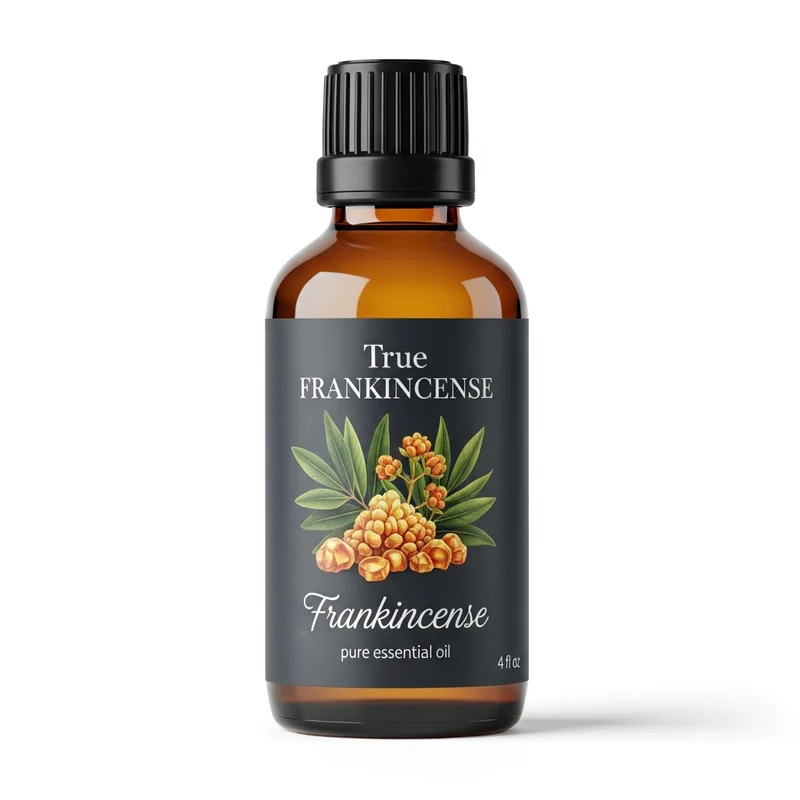
Frankincense Essential Oil
Six single-origin frankincense varieties, steam-distilled and GC/MS verified.
From $12.99
Shop Frankincense Oil →While frankincense has been treasured for millennia in human wellness traditions, pet safety requires special consideration. Our furry friends process essential oils differently than humans, making education essential for responsible pet ownership.
General Safety Questions
Is frankincense safe for dogs?
Frankincense is generally considered one of the gentler essential oils around dogs when used appropriately. However, proper dilution and application methods are crucial, as dogs have more sensitive respiratory systems than humans. Always consult your veterinarian before introducing any essential oil into your pet's environment, and never apply undiluted frankincense directly to your dog's skin or fur.
Can cats be around frankincense?
Cats require extra caution with essential oils, including frankincense, due to their unique liver metabolism. While some cat owners report using highly diluted frankincense in well-ventilated spaces, cats lack certain enzymes needed to process many compounds found in essential oils. It's essential to consult with a veterinarian familiar with essential oil safety before using frankincense around cats.
What makes frankincense different from other essential oils for pets?
Frankincense (Boswellia species) is often considered among the milder essential oils, with a long history of traditional use. Unlike some oils that contain compounds potentially harmful to pets, quality frankincense typically has a more gentle chemical profile. However, this doesn't eliminate the need for proper precautions and veterinary guidance when using it around animals.
Are there any pets that should never be around frankincense?
Pets with respiratory conditions, liver issues, or known sensitivities to aromatic compounds should generally avoid exposure to any essential oils, including frankincense. Pregnant or nursing animals, very young pets, and elderly animals may also be more sensitive. Birds are particularly sensitive to airborne particles and should typically be kept away from diffused essential oils entirely.
Usage and Application Questions
How should frankincense be diluted for use around pets?
When using frankincense around pets, dilution ratios should be significantly lower than human use—typically 0.1% to 0.25% for topical applications, if recommended by a veterinarian. For diffusion, use only 1-2 drops in a large, well-ventilated room. Always ensure pets can leave the area if they choose, and never force exposure to any aromatic substance.
Can I diffuse frankincense if I have pets?
Diffusing frankincense around pets requires careful consideration and proper technique. Use minimal amounts (1-2 drops) in large, well-ventilated spaces, limit diffusion time to 15-30 minutes, and always provide escape routes for pets. Monitor your pets closely for any signs of discomfort, such as excessive panting, drooling, or attempts to leave the area.
What's the safest way to introduce frankincense to a pet's environment?
Start with passive methods like placing a single drop on a cotton ball in a well-ventilated area where your pet can choose to approach or avoid it. Observe your pet's behavior carefully—signs of interest, indifference, or avoidance can guide your decisions. Never force exposure, and discontinue use immediately if you notice any adverse reactions.
Can I apply frankincense directly to my pet's skin?
Direct application of essential oils to pet skin is generally not recommended without specific veterinary guidance. Pet skin is often more sensitive than human skin, and animals may lick treated areas, potentially ingesting the oil. If a veterinarian recommends topical use, proper dilution in a carrier oil and careful application away from areas pets can reach with their tongues is essential.
Signs and Symptoms Questions
What are the warning signs that frankincense is affecting my pet negatively?
Watch for respiratory signs like excessive panting, coughing, or difficulty breathing, as well as behavioral changes such as restlessness, lethargy, or attempts to leave the area. Digestive symptoms might include drooling, vomiting, or loss of appetite. Skin irritation, excessive scratching, or redness should also prompt immediate discontinuation and veterinary consultation.
How quickly do adverse reactions to frankincense typically appear in pets?
Reactions can occur within minutes of exposure, particularly respiratory responses to diffused oils. (See: NIH — Boswellia Research.) Skin reactions from topical contact may develop within hours. Some sensitivities might build over time with repeated exposure. This is why careful monitoring during initial introductions and ongoing observation during regular use is crucial for pet safety.
What should I do if my pet has a negative reaction to frankincense?
Immediately remove your pet from the area and provide fresh air. If frankincense was applied topically, gently wash the area with mild soap and water. Remove any diffusers or aromatic sources from the environment. Contact your veterinarian promptly, especially if symptoms persist or worsen, and keep the frankincense product available to show the veterinarian if needed.
Practical Application Questions
Can I use frankincense for my own wellness if I have pets?
Many pet owners successfully incorporate frankincense into their personal wellness routines while maintaining pet safety. Use frankincense in well-ventilated areas, avoid diffusing when pets are present, and store oils securely away from curious pets. Personal topical use is generally acceptable if you wash your hands before interacting closely with pets and avoid areas they might lick.
How should I store frankincense if I have pets?
Store all essential oils, including frankincense, in secure locations away from pets—preferably in locked cabinets or high shelves. Essential oils can be toxic if ingested by pets, and cats are particularly good at accessing seemingly unreachable places. Child-resistant caps provide an additional safety barrier, but shouldn't be relied upon as the only protection.
Are there alternatives to frankincense that might be safer for pets?
Some pet owners explore pet-specific aromatherapy products or consult with holistic veterinarians about animal-safe alternatives. However, individual pet sensitivities vary greatly, making professional guidance valuable regardless of the product chosen. For more detailed information about frankincense safety considerations, our comprehensive safety guide provides additional insights.
Can different types or grades of frankincense affect pet safety differently?
Quality and purity can influence safety profiles, with higher-grade, properly sourced frankincense typically having fewer potentially problematic additives or contaminants. However, even the highest quality frankincense requires the same safety precautions around pets. Species variations (Boswellia serrata vs. Boswellia carterii, for example) may have slightly different chemical profiles, but all require careful use around animals.
Professional Guidance Questions
Should I consult my veterinarian before using frankincense around my pets?
Consulting with your veterinarian is always recommended before introducing essential oils into your pet's environment. Veterinarians familiar with your pet's health history can provide personalized guidance based on species, age, health status, and individual sensitivities. Some veterinary professionals have additional training in essential oil safety for animals.
Are there veterinarians who specialize in essential oil safety for pets?
Some veterinarians pursue additional education in integrative or holistic animal care, which may include essential oil safety. The American Holistic Veterinary Medical Association can be a resource for finding practitioners with relevant experience. These professionals can provide evidence-based guidance tailored to your pet's specific needs and circumstances.
What information should I bring when consulting my vet about frankincense use?
Bring the specific frankincense product you're considering, including ingredient lists and concentration information. Prepare details about your intended use method, frequency, and the specific areas where you plan to use it. Your pet's complete health history, current medications, and any previous reactions to aromatic substances will help your veterinarian provide appropriate guidance.
How can I learn more about safe frankincense practices with pets?
Beyond veterinary consultation, reputable resources include peer-reviewed research on essential oil safety in animals, continuing education from certified aromatherapy organizations, and guidance from established essential oil companies with veterinary advisory boards. Our detailed guide on frankincense and pets offers additional research-based information, while our aromatherapy guide provides broader context on safe essential oil practices.
Final Considerations
Pet safety with essential oils, including frankincense, requires ongoing education, careful observation, and professional guidance. While many pet owners successfully incorporate natural wellness practices into homes with animals, individual responses vary significantly. The key lies in prioritizing your pet's wellbeing, maintaining open communication with veterinary professionals, and approaching any new substance with appropriate caution and respect for your pet's unique needs.
Remember that what works safely for one pet may not be appropriate for another, even within the same household. When in doubt, err on the side of caution, and always prioritize your pet's comfort and safety over any other consideration.
Frankincense Essential Oil
Serrata, carterii, sacra, frereana, neglecta and rivae: steam-distilled, GC/MS verified, in sizes from 0.5 oz to bulk.
From $12.99
Shop Frankincense Oil →