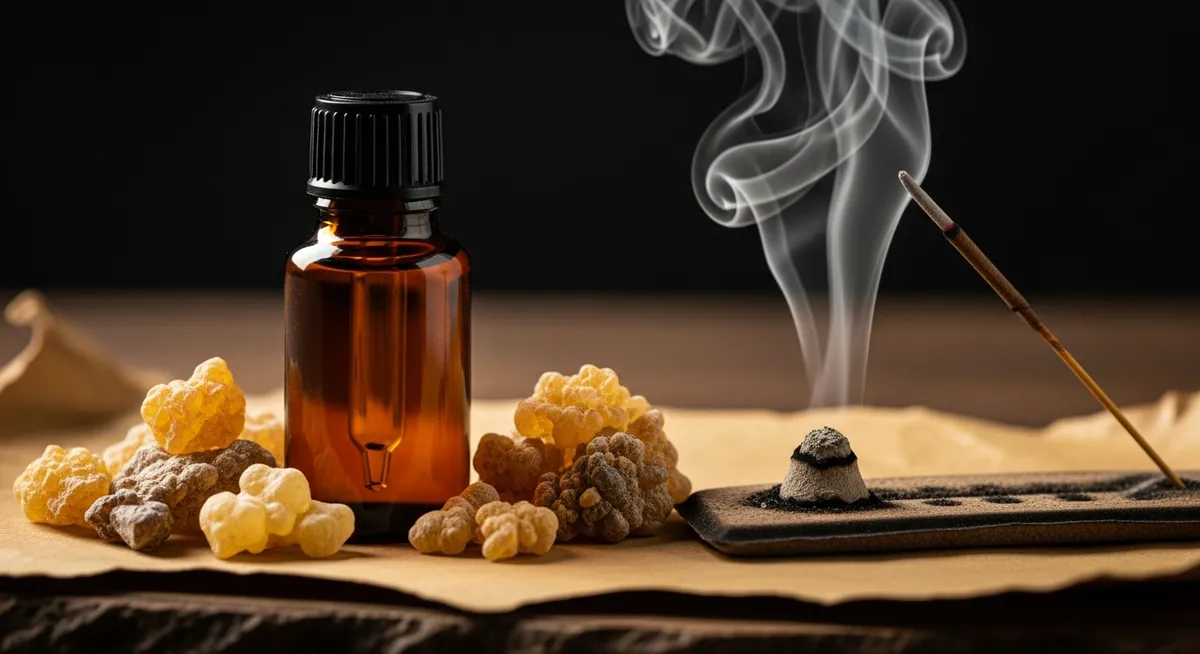
Frankincense Species and Grading FAQ: Navigating the Confusing World of Boswellia
The world of frankincense can feel overwhelming, with numerous species, grading systems, and quality claims that seem to contradict each other. Whether you're new to frankincense or seeking to deepen your understanding, these frequently asked questions address the most common points of confusion surrounding Boswellia species and their commercial grading.
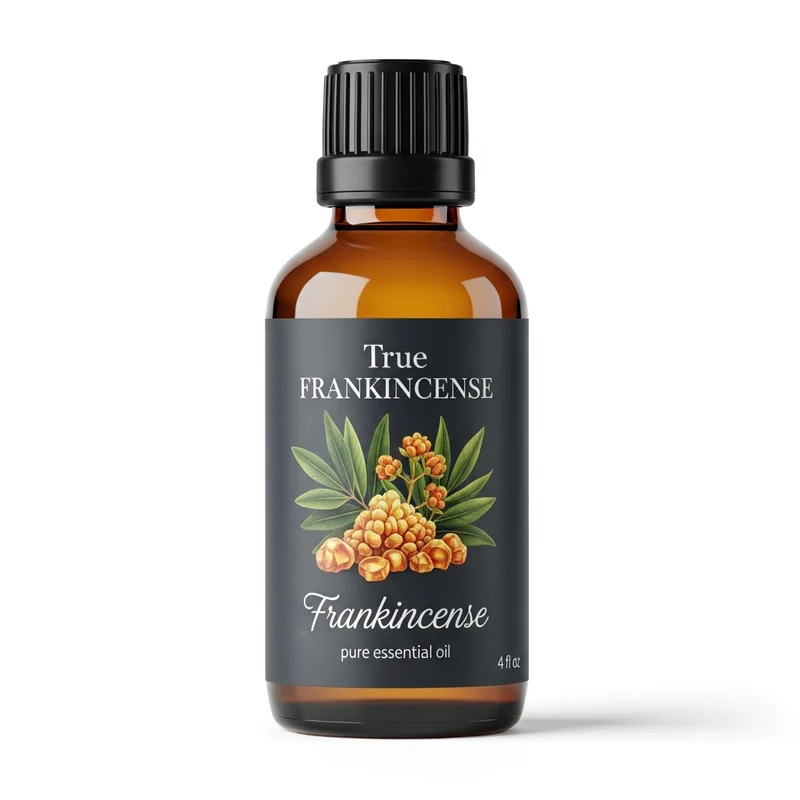
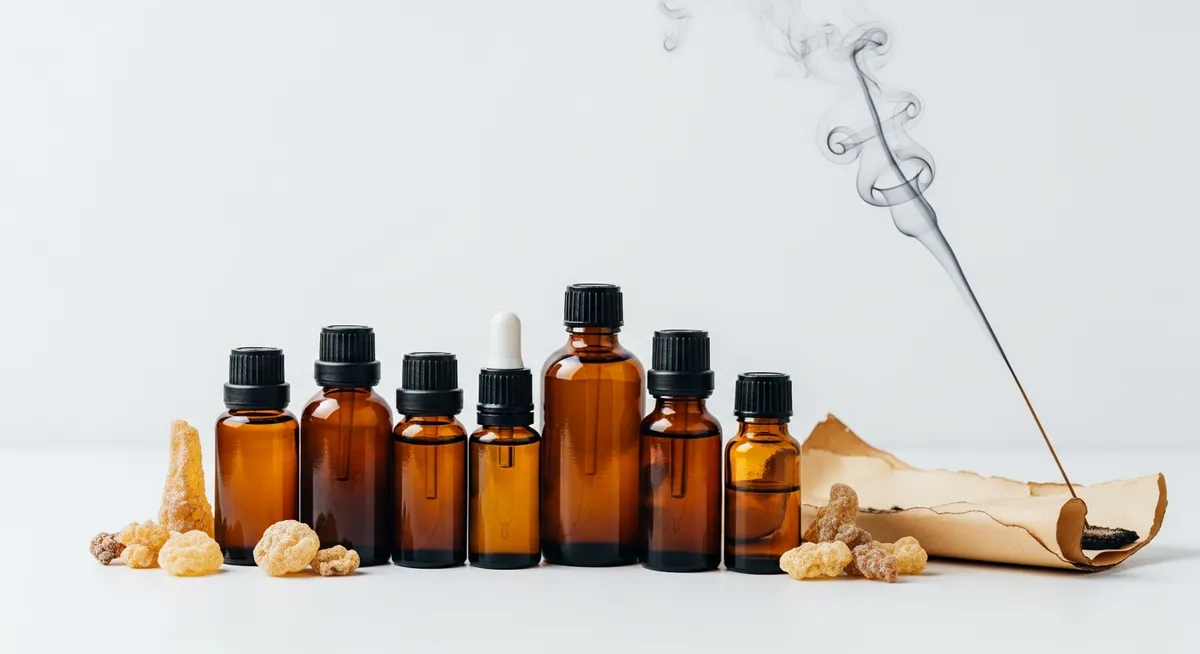
Frankincense Essential Oil
Six single-origin frankincense varieties, steam-distilled and GC/MS verified.
From $12.99
Shop Frankincense Oil →Understanding Frankincense Species
What are the main species of frankincense trees?
The genus Boswellia encompasses over 20 species, though only a handful produce commercially significant frankincense. The most renowned include Boswellia sacra from Oman, Boswellia carterii from Somalia, Boswellia frereana (the "king of frankincense"), and Boswellia serrata from India. Each species produces resin with distinct aromatic profiles and chemical compositions, shaped by their unique terroir and growing conditions.
Is Boswellia sacra really the "best" frankincense?
Boswellia sacra from Oman's Dhofar region is often considered the gold standard due to its complex, refined aroma and historical significance as the frankincense of ancient trade routes. However, "best" is subjective and depends on your intended use and personal preferences. Some may prefer the lemony brightness of Boswellia frereana or the deeper, more medicinal notes of Boswellia serrata.
What's the difference between wild-harvested and cultivated frankincense?
Wild-harvested frankincense comes from trees growing in their natural habitat, often producing more complex aromatic compounds due to environmental stresses and soil mineral content. Cultivated frankincense, while more sustainable and consistent in supply, may lack some of the nuanced characteristics that wild trees develop over decades or centuries. The harvesting method and tree age significantly impact the final resin quality.
Are Boswellia carterii and Boswellia sacra the same species?
This remains a subject of botanical debate, with some taxonomists considering them synonymous while others maintain they are distinct species. Recent DNA analysis suggests they may be closely related variants rather than separate species. From a commercial perspective, both produce high-quality frankincense, though Omani Boswellia sacra typically commands higher prices due to its reputation and limited geographic range.
Frankincense Grading Systems
How is frankincense graded for quality?
Traditional grading systems vary by region but generally consider factors like tear size, color, clarity, and absence of bark or debris. Omani frankincense uses grades like Hojari (highest), Najdi, and Shaabi, while Somali systems may use terms like "Superior" or "Commercial grade." Modern quality assessment also examines volatile oil content, specific chemical markers, and aromatic complexity through advanced analytical methods.
What does "Hojari" grade mean?
Hojari represents the finest grade of Omani Boswellia sacra, characterized by large, translucent tears with minimal impurities and exceptional aromatic complexity. True Hojari frankincense typically exhibits a pale golden to white color and produces a rich, multilayered fragrance when burned. This grade commands premium prices due to its rarity and the careful selection process required to achieve such quality standards.
Why do frankincense prices vary so dramatically between grades?
Price variations reflect the labor-intensive harvesting and sorting process, with higher grades requiring extensive hand-selection to remove impurities and achieve consistent tear sizes. Hojari grade may represent less than 10% of a harvest, while lower grades are more abundant. Additionally, factors like tree age, harvest timing, and post-harvest processing significantly impact both quality and market value.
Is darker frankincense always lower quality?
Not necessarily—while pale, translucent tears often indicate premium grades, some species naturally produce darker resins of excellent quality. Boswellia serrata, for example, typically appears more amber or brown but can be of exceptional grade. The key quality indicators are clarity, absence of impurities, and aromatic richness rather than color alone.
Choosing the Right Frankincense
Which frankincense species is best for beginners?
Boswellia carterii or sacra offers an excellent introduction to high-quality frankincense, providing the classic, complex aroma most people associate with premium frankincense. These species are widely available in various grades, allowing beginners to experience different quality levels. Starting with a mid-grade option provides good value while offering genuine insight into frankincense character.
How do I know if I'm buying authentic frankincense?
Authentic frankincense should have a complex, layered aroma that unfolds gradually when heated, with distinct citrusy top notes and deeper, more resinous base notes. Avoid products that smell flat, overly sweet, or artificial. Reputable suppliers should provide species information, origin details, and ideally third-party testing documentation. Visual inspection should reveal natural variation in tear sizes and occasional small impurities in authentic resin.
Should I buy frankincense essential oil or resin?
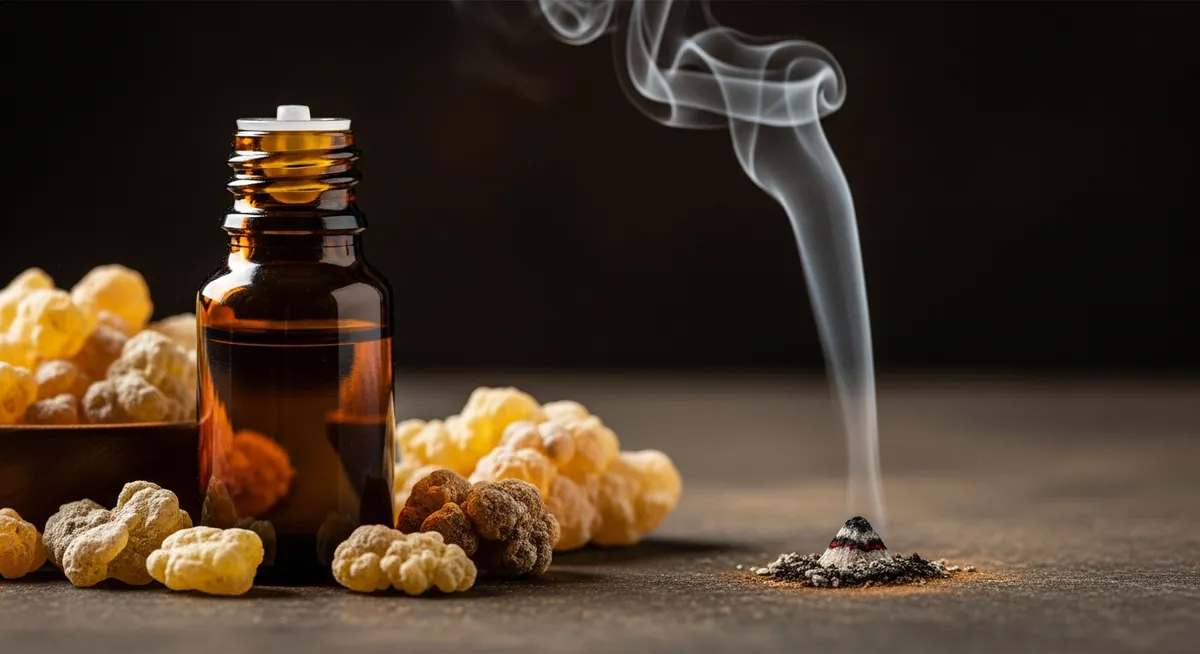
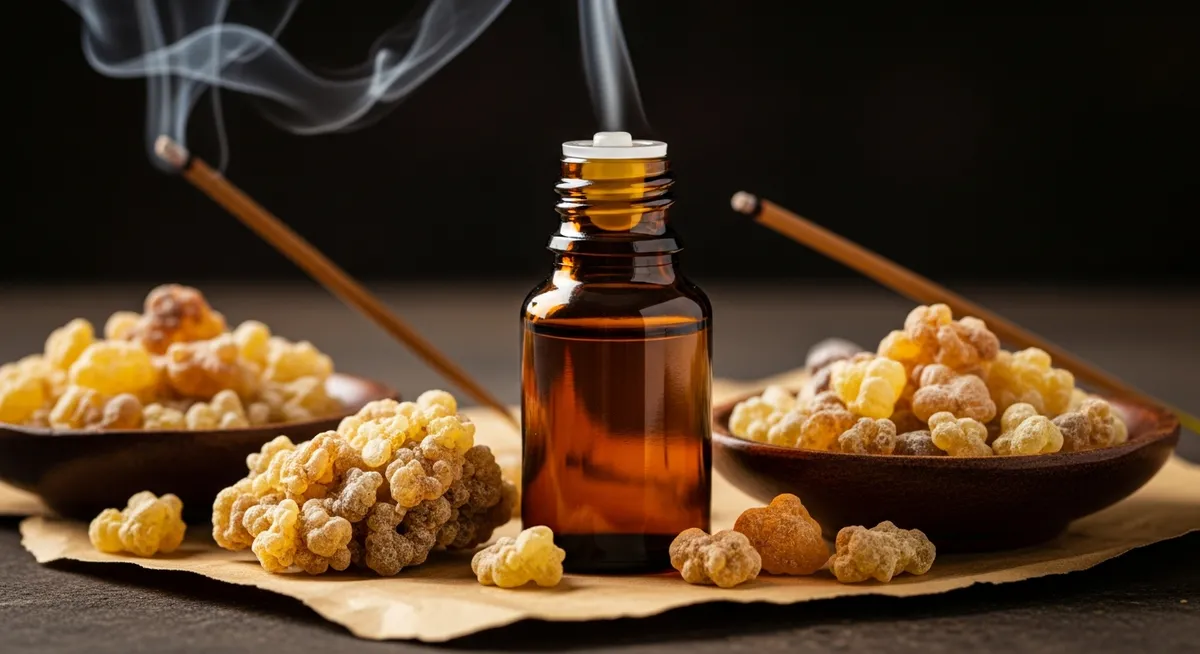
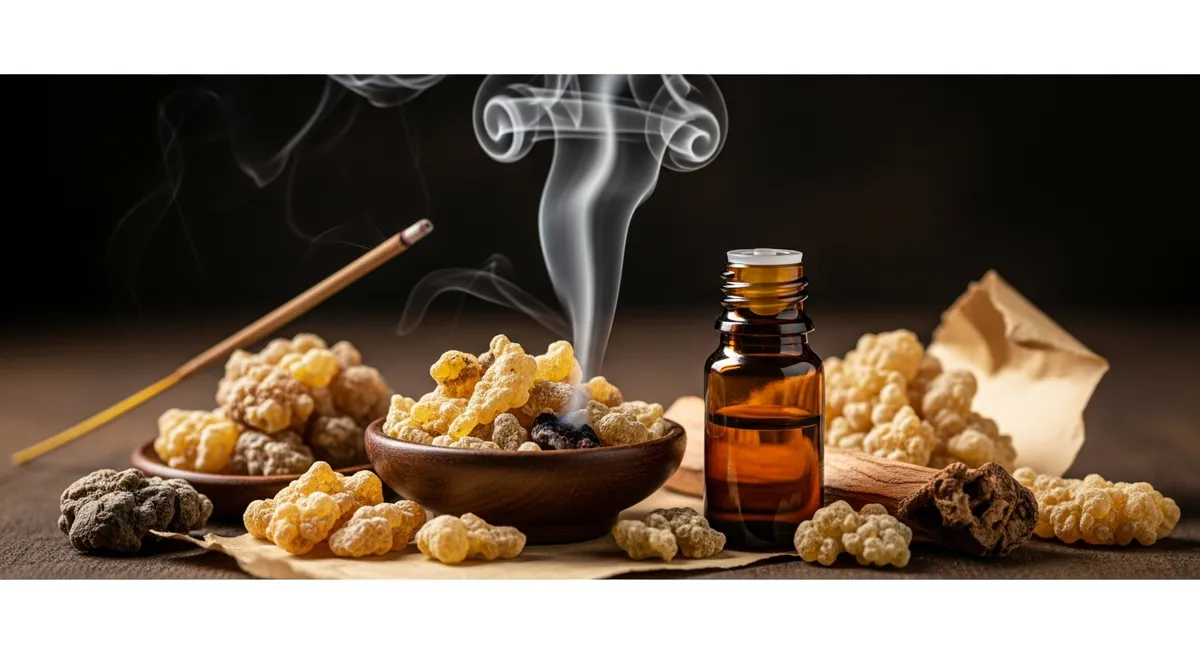
Both forms offer unique advantages—resin provides the traditional burning experience with complex aromatic development, while essential oil offers convenience for diffusion and potential aromatherapy applications. High-quality frankincense essential oil should be steam-distilled or CO2-extracted from authenticated species. For those seeking the full sensory experience and connection to ancient traditions, resin remains unparalleled.
What's the shelf life of different frankincense grades?
Properly stored frankincense resin can maintain quality for decades, with higher grades often improving with age as volatile components mellow and integrate. (See: NIH — Boswellia Research.) Store in airtight containers away from direct sunlight and extreme temperatures. Frankincense essential oil typically maintains peak quality for 3-5 years when stored correctly, though it may remain usable longer with some aromatic evolution.
Commercial Considerations and Sourcing
Why is sustainable frankincense sourcing important?
Traditional frankincense trees face increasing pressure from climate change, over-harvesting, and habitat loss. Sustainable sourcing ensures fair compensation for local harvesters, supports tree conservation efforts, and maintains the long-term viability of frankincense production. Look for suppliers who provide transparency about their sourcing practices and support local communities in traditional frankincense regions.
How can I verify the origin of my frankincense?
Reputable suppliers should provide detailed origin information, including specific regions and harvest details. Some premium suppliers offer traceability documentation or even GPS coordinates of harvesting areas. Chemical fingerprinting and isotope analysis can definitively verify geographic origin, though these methods are typically reserved for high-value commercial transactions rather than individual consumer purchases.
What should I expect to pay for high-quality frankincense?
Prices vary significantly based on species, grade, and market conditions, but genuine high-grade frankincense represents a considerable investment. Expect to pay premium prices for top-grade Omani or Somali frankincense, with Hojari-grade commanding the highest prices. Extremely low prices often indicate lower grades, blended materials, or potentially questionable authenticity—quality frankincense requires significant labor and expertise to produce.
Are there seasonal variations in frankincense quality?
Yes, harvest timing significantly impacts resin quality, with most regions having optimal harvesting windows typically aligned with dry seasons. Trees produce different resin qualities throughout the tapping season, with early-season harvests often yielding higher grades. Climate conditions, tree stress levels, and timing of incisions all contribute to seasonal quality variations that experienced suppliers understand and account for in their sourcing.
Advanced Understanding
How do processing methods affect frankincense quality?
Post-harvest processing dramatically impacts final quality—careful hand-sorting, proper drying conditions, and appropriate storage all contribute to maintaining aromatic integrity. Some suppliers use additional cleaning processes or size-grading that can enhance visual appeal while potentially affecting aromatic complexity. Traditional sun-drying methods often preserve more volatile compounds compared to accelerated drying techniques.
What role does terroir play in frankincense quality?
Like fine wine, frankincense expresses its growing environment through distinct aromatic characteristics influenced by soil composition, climate, altitude, and local ecosystem factors. Omani coastal frankincense differs markedly from inland varieties, while Somali frankincense reflects its unique geological and climatic conditions. Understanding terroir helps explain why geographic origin remains crucial for quality assessment.
How do I evaluate frankincense quality at home?
Begin with visual inspection—look for clarity, consistent coloring, and minimal debris. The "pinch test" involves gently crushing a small piece; quality resin should be somewhat brittle and release immediate aromatic compounds. When burned, premium frankincense produces clean, complex smoke with layered aromatic development rather than harsh or flat scents. Keep detailed notes to develop your palate over time.
What's the difference between commercial and artisanal frankincense grades?
Commercial grades prioritize consistency and visual appeal, often involving more processing to achieve uniform appearance and standardized characteristics. Artisanal grades may retain more natural variation and complexity, with less intervention in the selection and processing stages. Both approaches have merit—commercial grades offer predictability while artisanal selections may provide unique aromatic experiences that reflect individual harvest characteristics.
Making Informed Choices
Understanding frankincense species and grading requires patience and experience, but this knowledge enhances both your appreciation and purchasing decisions. Whether you're seeking the perfect resin for spiritual practice, aromatic enjoyment, or educational exploration, remember that quality frankincense represents centuries of traditional knowledge and careful craftsmanship.
For deeper insights into specific species characteristics, explore our comprehensive Boswellia species guide. When ready to make informed purchases, our frankincense buyer's guide provides practical sourcing advice, while our detailed quality assessment guide helps you evaluate frankincense like an expert.
The world of frankincense offers endless discovery opportunities—each species, grade, and harvest tells a unique story of ancient trees, traditional knowledge, and the remarkable resin that has captivated humanity for millennia.
Frankincense Essential Oil
Serrata, carterii, sacra, frereana, neglecta and rivae: steam-distilled, GC/MS verified, in sizes from 0.5 oz to bulk.
From $12.99
Shop Frankincense Oil →