Buying Frankincense Oil FAQ: Quality, Price, and Sourcing Questions Answered
Navigating the world of frankincense essential oil can feel overwhelming with countless options, varying prices, and conflicting quality claims. Whether you're a seasoned aromatherapy enthusiast or discovering this ancient treasure for the first time, understanding what makes exceptional frankincense oil—and how to find it—is essential for making informed purchasing decisions.
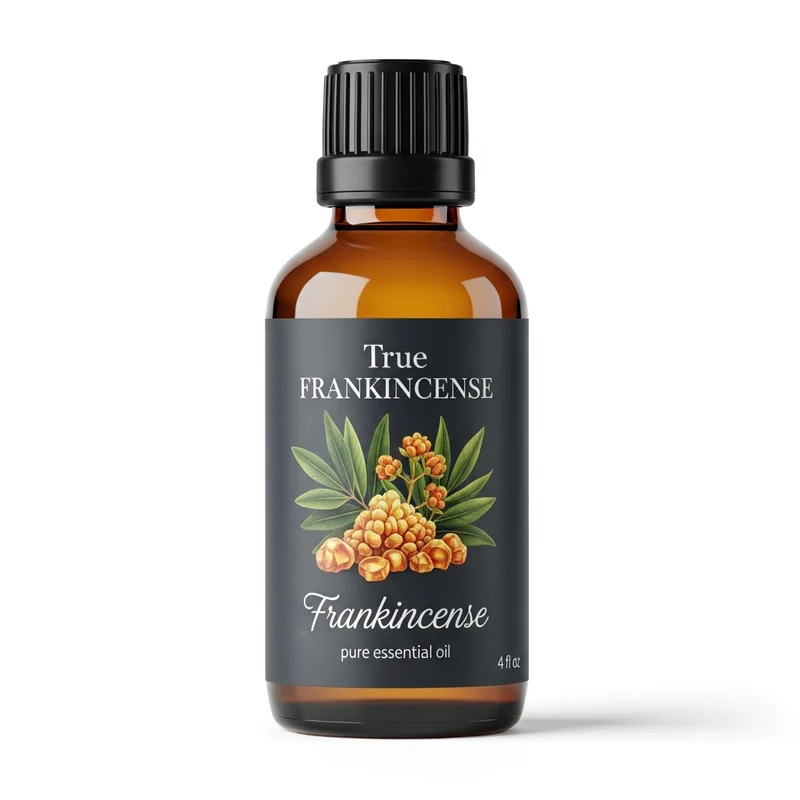
Frankincense Essential Oil
Six single-origin frankincense varieties, steam-distilled and GC/MS verified.
From $12.99
Shop Frankincense Oil →This comprehensive buying frankincense FAQ addresses the most common questions about quality indicators, pricing factors, and reliable sourcing. From understanding frankincense oil price variations to knowing exactly where to buy frankincense that meets the highest standards, these expert answers will guide your purchasing journey.
Quality and Authenticity Questions
What makes high-quality frankincense essential oil?
Premium frankincense oil should be steam-distilled from authenticated Boswellia species, particularly Boswellia sacra, carterii, or serrata. Look for oils that specify the exact botanical name, harvest location, and distillation method. The finest oils exhibit complex aromatic profiles with bright citrus top notes, warm woody middle notes, and deep resinous base notes that develop over time.
How can I tell if frankincense oil is pure and not adulterated?
Authentic frankincense oil should have a complex, evolving scent profile rather than a flat, one-dimensional aroma. Pure oils will have slight color variations and natural viscosity differences between batches, as synthetic oils tend to be unnaturally consistent. For detailed guidance on authentication, consult our comprehensive how to spot fake frankincense guide.
What's the difference between frankincense species, and does it matter?
Different Boswellia species produce oils with distinct aromatic characteristics and chemical compositions. Boswellia sacra (Omani frankincense) tends to be most prized for its complex, ethereal quality, while Boswellia carterii offers bright, citrusy notes. Boswellia serrata (Indian frankincense) provides earthier, more resinous qualities, making species selection important for specific aromatic preferences.
Should I choose CO2 extracted or steam-distilled frankincense?
Steam-distilled frankincense remains the traditional gold standard, producing the classic aromatic profile most associated with this ancient oil. CO2 extraction captures different molecular components, creating a fuller spectrum extract that some prefer for its completeness. Both methods have merit, though steam-distilled versions are generally more widely available and traditionally preferred.
Pricing and Value Questions
Why does frankincense oil price vary so dramatically between suppliers?
Significant frankincense oil price variations reflect differences in source quality, harvesting methods, distillation processes, and supply chain complexity. Premium oils from wild-harvested, sustainably sourced resin command higher prices due to limited availability and labor-intensive collection processes. Additionally, authentic oils from established terroirs like Oman's Dhofar region carry premium pricing due to their reputation and scarcity.
What's a reasonable price range for quality frankincense essential oil?
Authentic, high-quality frankincense essential oil typically ranges from $40-120 per ounce, with premium Omani Boswellia sacra oils commanding the highest prices. Oils priced significantly below $30 per ounce often raise quality concerns, while those exceeding $150 per ounce should demonstrate exceptional provenance, rarity, or artisanal processing methods. Remember that with frankincense, extremely low prices usually indicate synthetic additives or inferior source materials.
Is expensive frankincense oil always better quality?
While price often correlates with quality in frankincense oils, it's not the sole indicator of excellence. Some mid-range oils from reputable suppliers offer outstanding quality-to-value ratios, while some high-priced oils may be overpriced due to marketing rather than superior quality. Focus on supplier reputation, testing certificates, and aromatic complexity rather than price alone when evaluating options.
Are there seasonal price fluctuations for frankincense oil?
Yes, frankincense oil prices can fluctuate based on harvest seasons and regional factors affecting resin collection. The primary harvesting season typically runs from April to June in most Boswellia-producing regions, with fresh oils becoming available 2-3 months later. Political instability, weather conditions, and trade regulations in source regions can also impact availability and pricing throughout the year.
Sourcing and Purchasing Questions
Where should I buy frankincense essential oil for the best quality?
The best places to purchase authentic frankincense oil include established aromatherapy suppliers, certified organic essential oil companies, and specialty retailers focusing on Middle Eastern or African botanicals. Look for suppliers who provide detailed sourcing information, third-party testing results, and clear return policies. For comprehensive supplier evaluation criteria, review our detailed frankincense buyer's guide.
What certifications should I look for when buying frankincense oil?
Seek suppliers offering organic certification (USDA Organic, Ecocert, or equivalent), GC-MS testing results, and third-party purity verification. (See: NIH — Boswellia Research.) Some premium suppliers also provide certificates of origin, sustainability certifications, and detailed harvest documentation. While not all excellent oils carry certifications, these credentials provide additional assurance of quality and ethical sourcing practices.
Should I buy directly from producers or through retailers?
Both approaches have advantages depending on your needs and experience level. Direct purchasing from established producers in source regions can offer better pricing and authenticity guarantees, but requires more research and carries higher risk. Reputable retail suppliers provide easier access, customer service, and often blend oils from multiple sources for consistent quality, making them ideal for most consumers.
What questions should I ask potential frankincense oil suppliers?
Essential questions include: botanical species and harvest location, distillation method and date, availability of GC-MS testing results, storage and handling practices, return policies, and sustainability practices. Reputable suppliers should readily provide this information and demonstrate deep knowledge about their products. Hesitation or vague responses may indicate inferior sourcing or lack of expertise.
Storage and Handling Questions
How should I store frankincense oil to maintain quality?
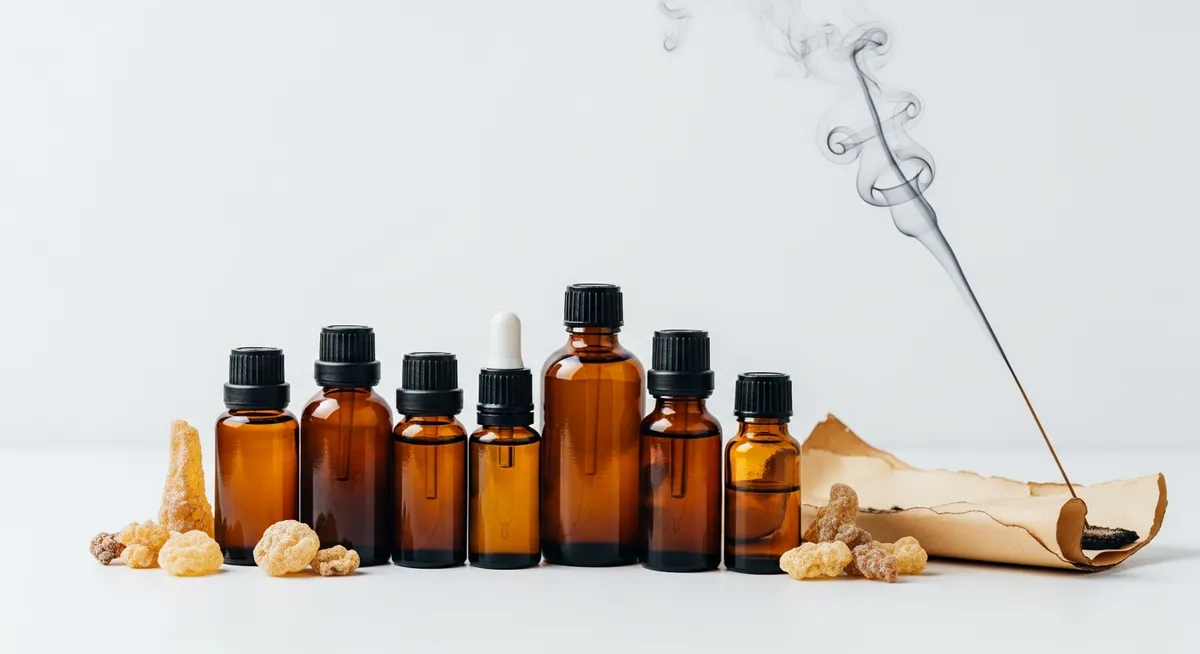
Store frankincense essential oil in dark amber or cobalt glass bottles, away from heat, light, and humidity. Optimal storage temperatures range from 60-70°F (15-21°C) with minimal temperature fluctuations. Properly stored frankincense oil can maintain quality for 3-5 years, with some high-quality oils actually improving with age when stored correctly.
Does frankincense oil expire, and how can I tell if it's gone bad?
Frankincense essential oil doesn't expire in the traditional sense but can degrade over time, especially when exposed to air, light, or heat. Signs of degradation include significantly altered scent profiles, increased viscosity, cloudiness, or rancid odors. Well-stored, high-quality frankincense oil often improves with age, developing more complex and refined aromatic characteristics.
What size bottle should I purchase for personal use?
For personal aromatherapy use, 5-15ml bottles typically provide excellent value while ensuring freshness. Larger quantities make economic sense only if you use frankincense oil regularly or share with family members. Since a little frankincense oil goes a long way in most applications, smaller bottles often prove more practical for maintaining quality over time.
Safety and Usage Questions
Are there safety considerations when buying frankincense oil for home use?
Always purchase frankincense oil intended for aromatherapy use, clearly labeled with safety information and proper dilution guidelines. Avoid oils marketed for internal consumption unless specifically formulated and labeled for such use. Ensure packaging includes batch numbers, expiration dates, and contact information for the manufacturer or supplier. When in doubt about appropriate usage, consult with qualified aromatherapy practitioners or healthcare providers.
Should I buy pre-diluted frankincense oil or pure essential oil?
Pure, undiluted frankincense essential oil offers maximum versatility and typically better value, allowing you to create custom dilutions for specific applications. Pre-diluted versions may be convenient for immediate use but limit flexibility and may contain carrier oils that don't suit your needs. For comprehensive usage guidance, explore our frankincense quality guide.
Making Your Purchase Decision
What's the most important factor when choosing a frankincense oil supplier?
Transparency stands as the most crucial factor when selecting a frankincense oil supplier. Reputable companies readily share detailed sourcing information, provide testing documentation, maintain consistent quality standards, and demonstrate genuine expertise about their products. This transparency indicates commitment to quality and builds the trust essential for long-term supplier relationships.
How can I test a small sample before making a larger purchase?
Many quality suppliers offer sample sizes (1-2ml) or sample sets allowing you to evaluate their frankincense oils before committing to larger purchases. Some companies include samples with orders or offer sample programs for serious buyers. Testing small quantities helps you assess aromatic preferences, quality levels, and supplier reliability before investing in full-size bottles.
What return policy should I expect from reputable frankincense oil suppliers?
Established frankincense oil suppliers typically offer 30-60 day return policies for unopened products, with some extending guarantees for opened bottles if quality issues arise. Look for suppliers who stand behind their products with clear return procedures and responsive customer service. Avoid suppliers with restrictive return policies or those unwilling to address quality concerns, as these may indicate lower confidence in their product quality.
Armed with this comprehensive buying knowledge, you're prepared to navigate the frankincense essential oil market with confidence. Remember that building relationships with trusted suppliers and continuously educating yourself about quality indicators will enhance your purchasing success over time. The investment in authentic, high-quality frankincense oil pays dividends in aromatic satisfaction and the preservation of this ancient botanical treasure.
Frankincense Essential Oil
Serrata, carterii, sacra, frereana, neglecta and rivae: steam-distilled, GC/MS verified, in sizes from 0.5 oz to bulk.
From $12.99
Shop Frankincense Oil →