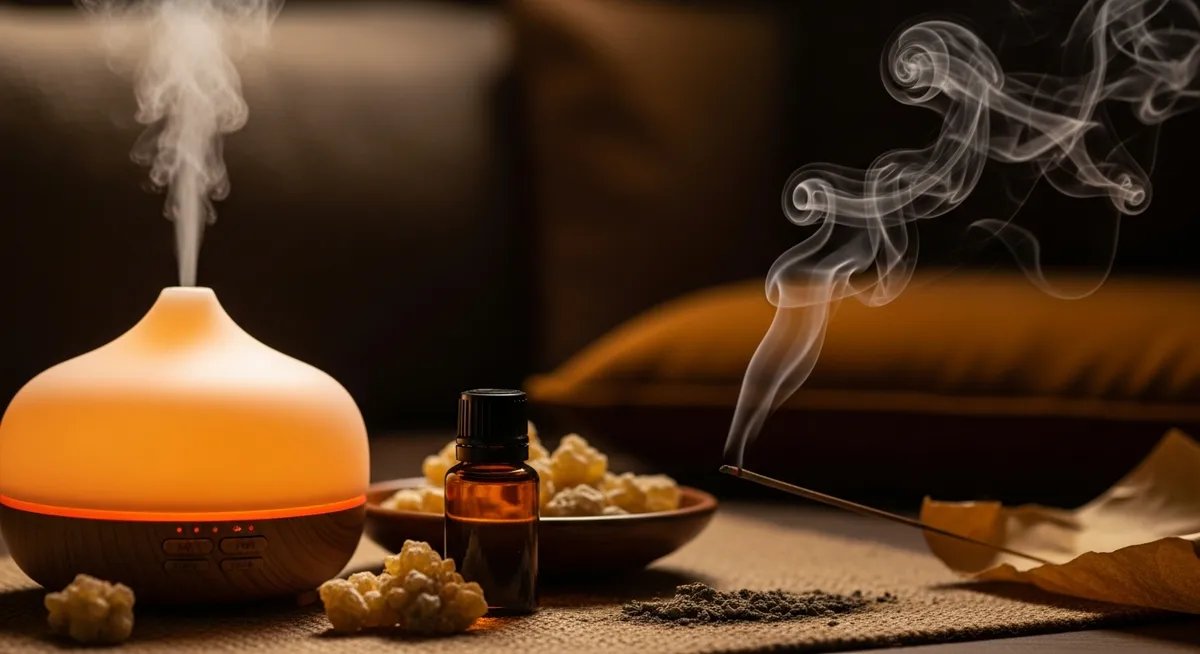
Frankincense Spiritual Uses FAQ: Answered by Aromatherapists and Practitioners
For millennia, frankincense has held a revered place in spiritual practices across cultures. From ancient temples to modern meditation spaces, this sacred resin continues to inspire questions about its traditional uses and applications. We've gathered the most frequently asked questions about frankincense spiritual practices and consulted with experienced aromatherapists and spiritual practitioners to provide comprehensive, educational answers.
Frankincense Essential Oil
Six single-origin frankincense varieties, steam-distilled and GC/MS verified.
From $12.99
Shop Frankincense Oil →Understanding Frankincense's Spiritual Heritage
What makes frankincense considered sacred in spiritual traditions?
Frankincense has been treasured for over 5,000 years across numerous spiritual traditions, from ancient Egyptian temples to Christian churches and Islamic practices. Its precious nature—historically more valuable than gold—combined with its distinctive, uplifting aroma, established it as an offering worthy of the divine. Many practitioners report that frankincense's complex scent profile may help create an atmosphere conducive to contemplation and spiritual connection. The rich history of sacred frankincense reveals why this aromatic resin became synonymous with spiritual reverence across cultures.
How is frankincense different from other spiritual aromatics?
Unlike many other aromatic substances, frankincense contains unique compounds that create its characteristic scent profile, which many describe as simultaneously grounding and elevating. Traditional practitioners often note that frankincense seems to bridge earthly and spiritual realms through its aroma. While other aromatics like sandalwood or cedar have their own spiritual associations, frankincense's historical prominence across diverse religious traditions sets it apart. Some aromatherapists suggest that frankincense's molecular composition may contribute to its reputation for promoting a sense of sacred space.
What's the difference between frankincense resin and essential oil for spiritual use?
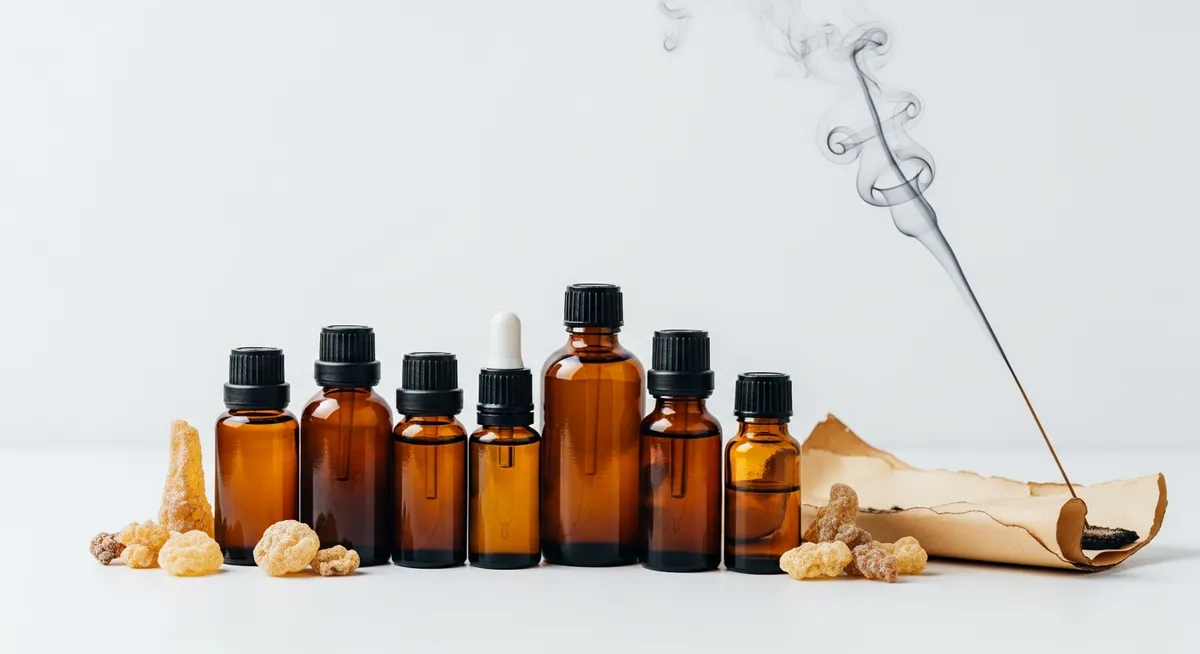
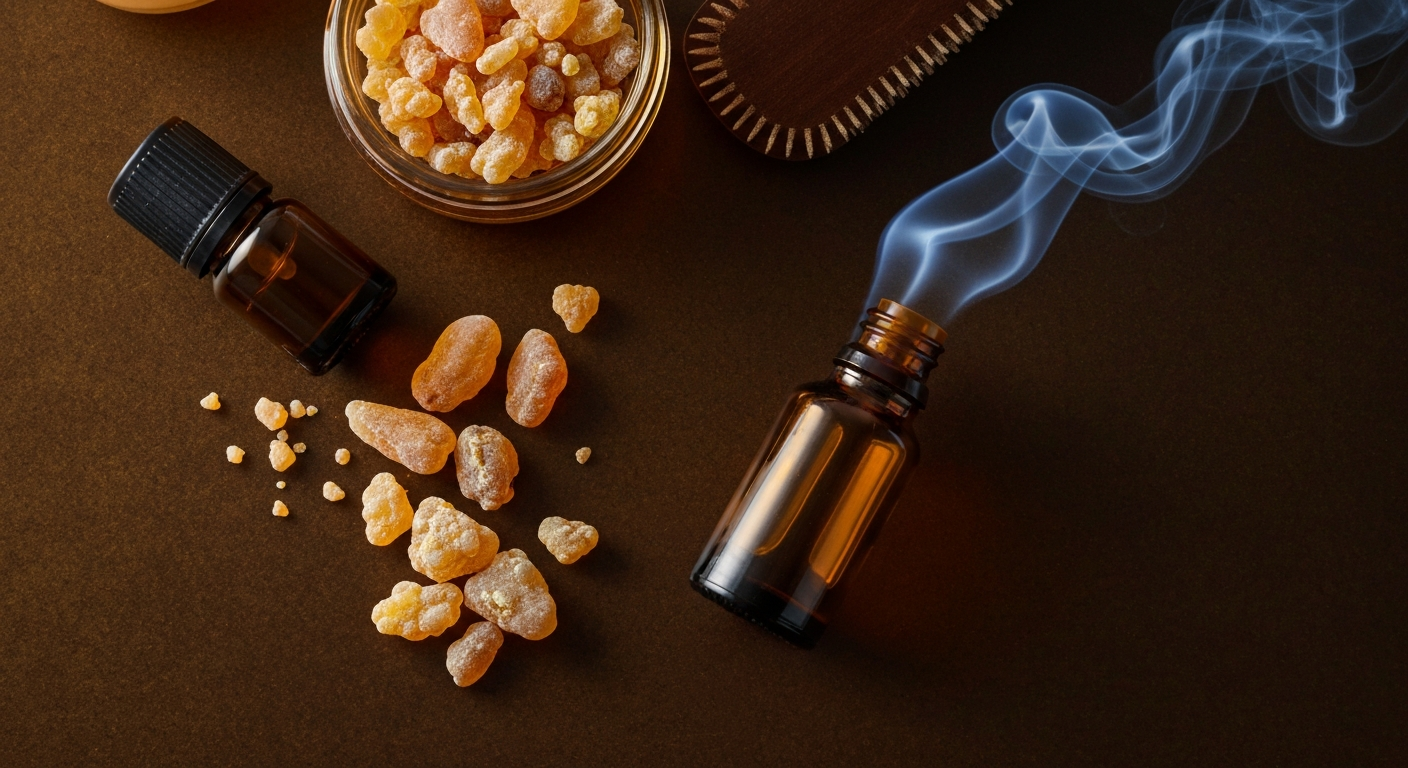
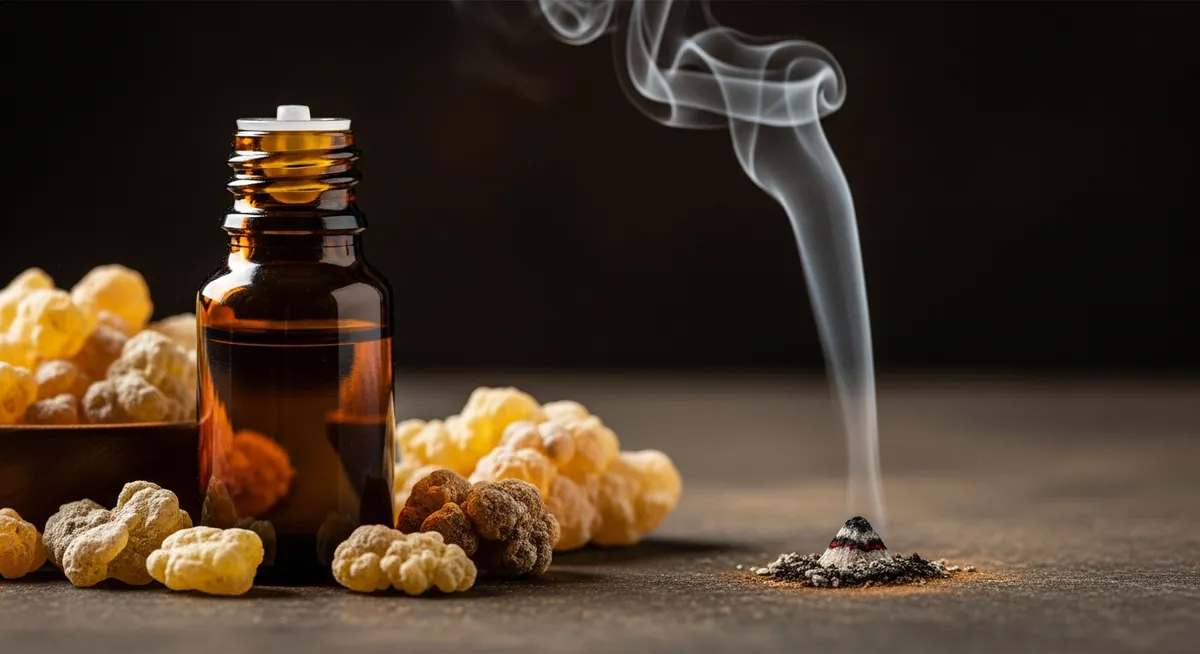
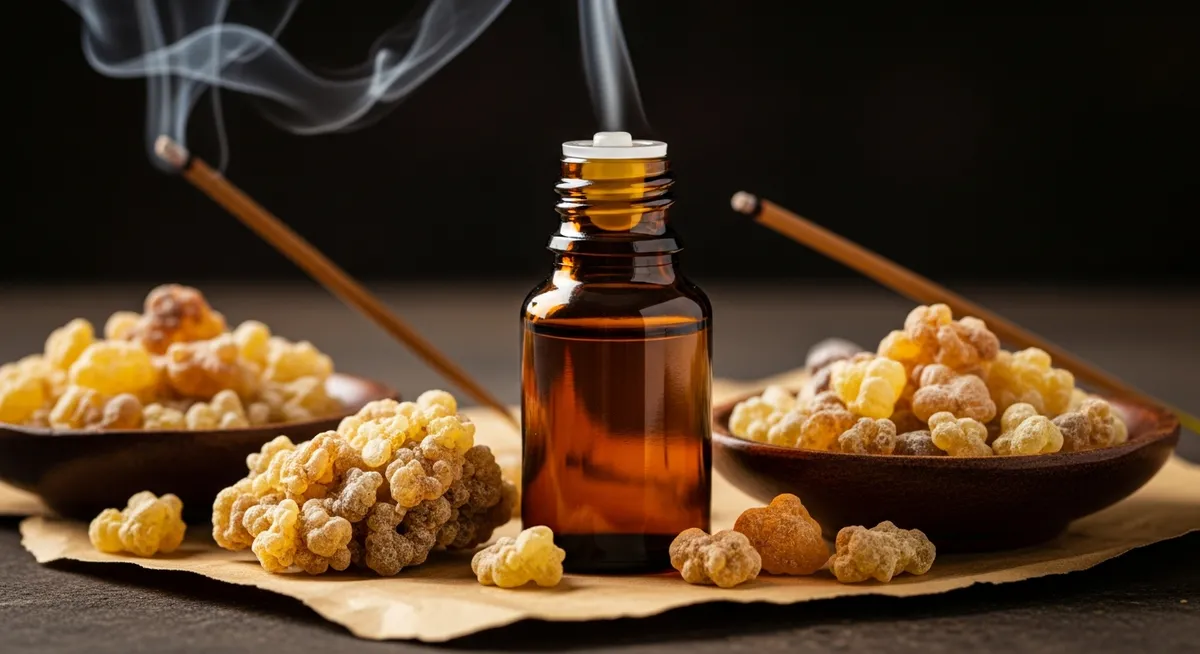
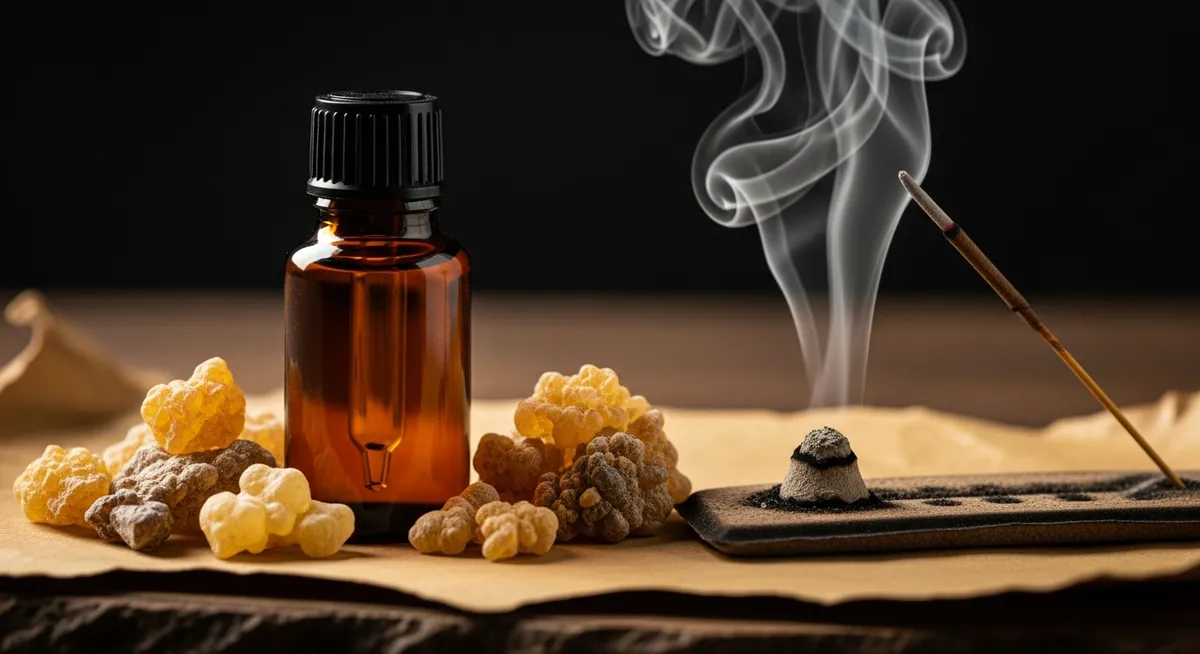
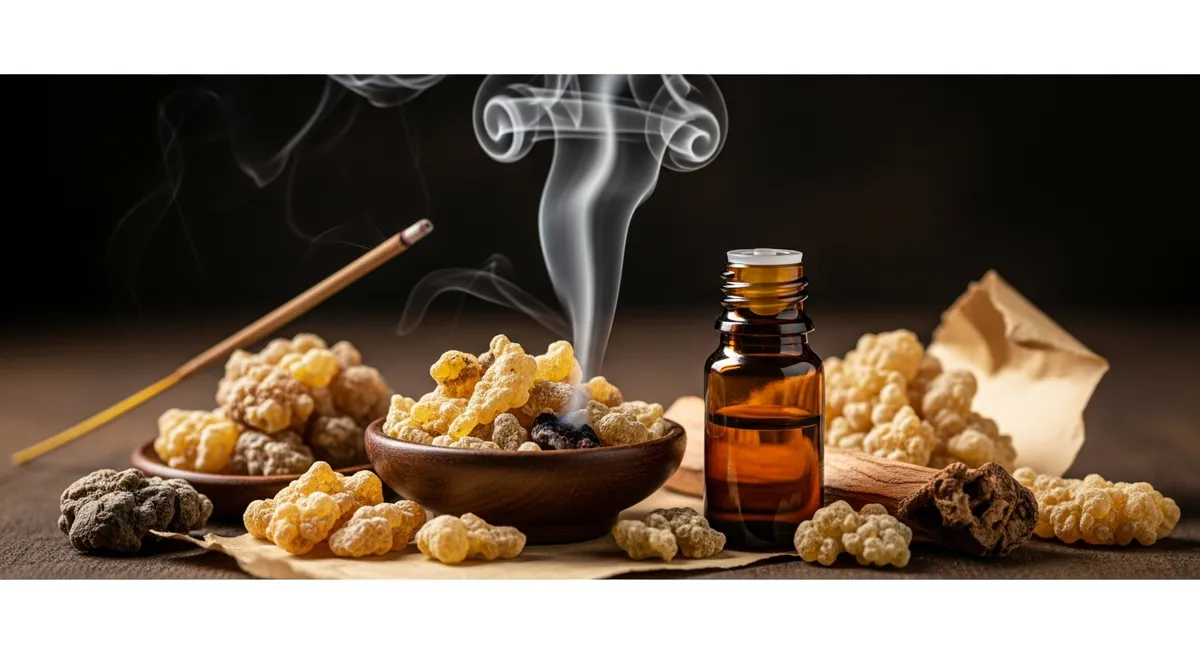
Frankincense resin must be burned on charcoal or in specialized burners, creating the traditional smoke that has been used in ceremonies for thousands of years. Essential oil offers more versatility—it can be diffused, applied topically when properly diluted, or added to spiritual bath rituals. Many practitioners find that burning resin provides a more ceremonial experience, while essential oil offers convenience for daily spiritual practices. Both forms contain the aromatic compounds that traditional cultures associated with spiritual elevation, though their intensity and method of release differ significantly.
Cleansing and Purification Practices
How do people traditionally use frankincense for spiritual cleansing?
Traditional spiritual cleansing with frankincense typically involves burning the resin and allowing the smoke to fill a space, with practitioners believing this creates an atmosphere of purification. Some people walk through their homes with burning frankincense, paying special attention to doorways, windows, and corners. In aromatherapy practice, frankincense essential oil may be diffused throughout spaces or added to cleaning solutions for those who associate the scent with spiritual freshness. These practices are rooted in cultural tradition rather than proven efficacy, and practitioners should always ensure proper ventilation when burning any substance.
Can frankincense be used for personal energy cleansing?
Many spiritual practitioners incorporate frankincense into personal cleansing rituals, often through topical application of properly diluted essential oil or by sitting near burning resin. Some people report feeling more centered and grounded when using frankincense in their personal spiritual practices. Traditional applications include adding a few drops of frankincense essential oil to bath water or applying diluted oil to pulse points before meditation. Always dilute essential oils properly (typically 1-2% dilution for topical use) and perform a patch test before applying to skin.
What safety considerations should I know for frankincense cleansing rituals?
When burning frankincense resin, ensure adequate ventilation and never leave burning materials unattended. Use appropriate burners or charcoal designed for resin burning, and keep away from flammable materials. For essential oil applications, proper dilution is crucial—frankincense should be diluted in a carrier oil before topical application. Pregnant women, nursing mothers, and individuals with respiratory conditions should consult healthcare providers before using frankincense in any form. Some people may experience skin sensitization or respiratory irritation, so start with small amounts to assess tolerance.
Meditation and Prayer Enhancement
Why do people use frankincense during meditation?
Many meditators report that frankincense's distinctive aroma may help create a sense of sacred space and promote focused attention during practice. The act of lighting frankincense can serve as a ritual transition into meditative states, signaling to the mind that it's time for quiet contemplation. Some practitioners find that the complex scent profile of frankincense—with its woody, slightly citrusy, and resinous notes—provides an anchor for wandering thoughts. Our comprehensive frankincense meditation guide explores various techniques for incorporating this sacred aroma into contemplative practices.
How much frankincense should I use for meditation sessions?
For diffusing frankincense essential oil during meditation, most aromatherapists recommend starting with 3-5 drops in a standard diffuser for a medium-sized room. When burning resin, a small piece about the size of a rice grain is often sufficient for personal meditation spaces. The goal is to create a subtle aromatic backdrop that enhances rather than overwhelms your practice. Many experienced practitioners suggest that less is more with frankincense, as its potent aroma can become distracting in high concentrations.
Can frankincense be combined with other oils for spiritual practice?
Frankincense blends beautifully with many other essential oils traditionally used in spiritual practices. Popular combinations include frankincense with sandalwood for grounding, with lavender for peaceful contemplation, or with myrrh for traditional biblical aromatics. When blending oils, start with frankincense as your base note (typically 40-50% of the blend) and add complementary oils in smaller proportions. Always test blend ratios in small quantities before creating larger amounts, and maintain proper dilution ratios for any topical applications.
Ceremonial and Ritual Applications
How is frankincense used in modern spiritual ceremonies?
Contemporary spiritual ceremonies often incorporate frankincense through diffusion, topical application of diluted oil, or traditional resin burning. (See: NIH — Boswellia Research.) Many practitioners use frankincense to mark the beginning and end of ceremonies, creating aromatic boundaries for sacred time and space. Some spiritual leaders incorporate frankincense into blessing rituals, anointing practices, or group meditations. The key is intentional use that honors both traditional wisdom and modern safety practices, ensuring that all participants are comfortable with the aromatic elements being used.
What's the proper etiquette for using frankincense in group spiritual settings?
When using frankincense in group settings, it's essential to check for allergies or respiratory sensitivities among participants beforehand. Start with minimal amounts and ensure good ventilation, especially when burning resin. Inform participants about what aromatics will be used so they can make informed decisions about participation. Many group leaders prefer diffusing essential oil rather than burning resin in shared spaces, as it's easier to control intensity and dispersion. Consider offering alternative seating arrangements for those who may be sensitive to aromatic substances.
Are there specific times or seasons when frankincense is traditionally used?
While frankincense can be used year-round, many traditions associate it with specific seasons or holy days. In Christian traditions, frankincense is particularly prominent during Advent and Christmas, referencing the gifts of the Magi. Some practitioners favor frankincense during winter months, finding its warm, resinous scent particularly grounding during darker seasons. Others incorporate it into new moon or full moon rituals, or use it during times of transition or significant life changes. The timing often depends on personal or cultural traditions rather than any inherent properties of the frankincense itself.
Quality and Sourcing Considerations
Does the source of frankincense affect its spiritual applications?
Many practitioners believe that ethically sourced, high-quality frankincense provides a more authentic spiritual experience. Boswellia sacra from Oman and Boswellia carterii from Somalia are often considered the most prized varieties for traditional spiritual use. The terroir—environmental conditions where the trees grow—can influence the aromatic profile of the resin and essential oil. Some spiritual practitioners prefer frankincense sourced from regions with long traditions of sacred use, feeling this connects them more deeply to ancient wisdom. However, any high-quality frankincense can serve spiritual practices when used with intention and respect.
How can I tell if frankincense oil is suitable for spiritual use?
High-quality frankincense essential oil should have a complex, multifaceted aroma with woody, citrusy, and slightly spicy notes. Look for oils that specify the botanical species (Boswellia sacra, carterii, or serrata) and extraction method (steam distillation is most common). Pure frankincense oil should be pale yellow to amber in color and have good viscosity. Avoid oils that smell flat, overly sweet, or synthetic, as these may be diluted or adulterated. Reputable suppliers provide information about sourcing, testing, and botanical authenticity—transparency that supports both quality and ethical considerations.
Is there a difference between frankincense grades for spiritual purposes?
Frankincense resin is traditionally graded based on size, color, and clarity, with larger, paler tears typically commanding higher prices. For spiritual use, many practitioners prefer higher grades for their more refined aromatic qualities and traditional associations with sacred offerings. However, lower grades can still provide meaningful spiritual experiences and may be more accessible for regular practice. Essential oils don't follow the same grading system as resin, but quality indicators include botanical specification, extraction method, and third-party testing for purity and authenticity.
Practical Application Questions
How long does frankincense scent last in spiritual practices?
When diffusing frankincense essential oil, the scent typically remains noticeable for 2-4 hours depending on room size, ventilation, and oil quality. Burning frankincense resin creates more persistent aromatic effects, with scent lingering for several hours after the burning stops. For topical applications using properly diluted oil, the aroma may be detectable on skin for 1-3 hours. Many practitioners find that frankincense's scent seems to "anchor" in fabrics and porous materials, creating subtle aromatic reminders long after active use ends.
Can frankincense be used daily in spiritual practice?
Many practitioners incorporate frankincense into daily spiritual routines without issue, though moderation is key. Daily diffusion of essential oil in moderate amounts is generally well-tolerated by most people. For topical applications, rotate application sites and monitor skin for any signs of sensitization. When burning resin daily, ensure adequate ventilation and consider alternating with other aromatic practices to prevent olfactory fatigue. Some practitioners prefer to use frankincense for special occasions or weekly practices rather than daily, maintaining its sense of sacred specialness.
What should I do if frankincense causes headaches or discomfort?
If frankincense causes headaches or discomfort, discontinue use immediately and seek fresh air. This reaction often indicates too high a concentration or individual sensitivity. Try reducing the amount used—sometimes a single drop of essential oil is sufficient for an entire meditation session. Ensure proper ventilation when using any aromatic substance, and consider using frankincense for shorter durations initially. If symptoms persist or worsen, consult with a healthcare provider. Some people may need to avoid frankincense entirely due to respiratory conditions or chemical sensitivities.
Remember that while frankincense has a rich spiritual heritage, individual experiences may vary greatly. These traditional uses are shared for educational purposes and should not replace professional healthcare advice. When incorporating frankincense into your spiritual practice, start slowly, prioritize safety, and honor both ancient wisdom and modern understanding of aromatic substances.
Frankincense Essential Oil
Serrata, carterii, sacra, frereana, neglecta and rivae: steam-distilled, GC/MS verified, in sizes from 0.5 oz to bulk.
From $12.99
Shop Frankincense Oil →