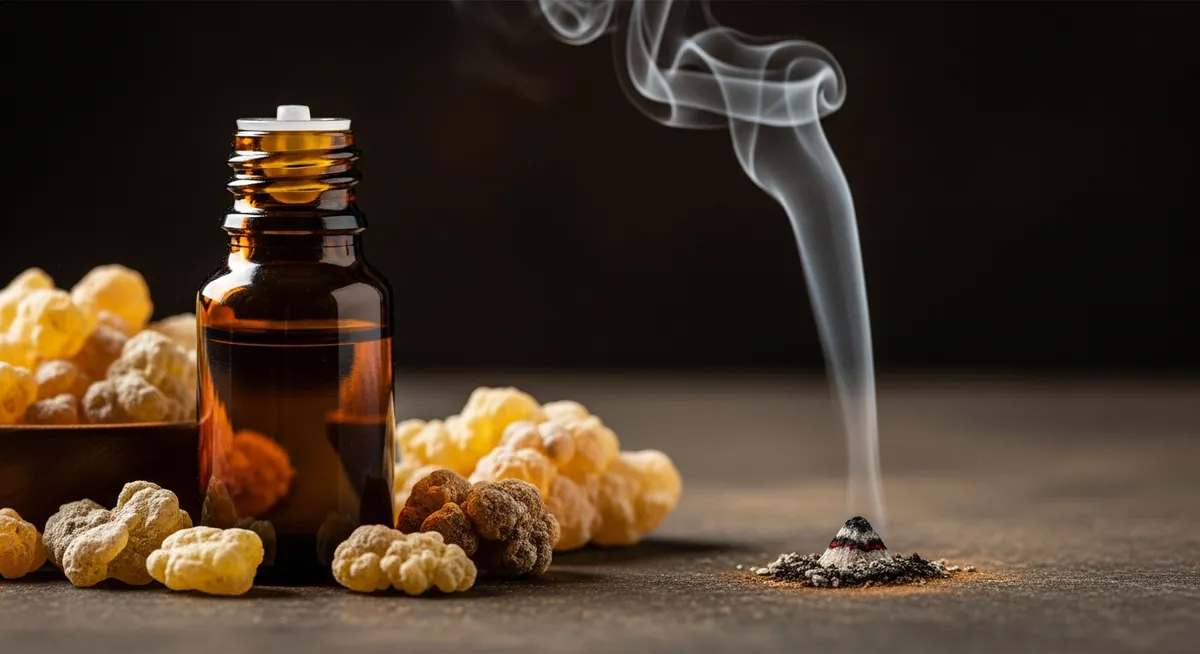
Frankincense Essential Oil FAQ: 25 Questions Beginners Always Ask
Frankincense essential oil captivates newcomers with its rich history and complex aromatic profile. Whether you're drawn to its sacred traditions or curious about its modern applications, these frequently asked questions provide authoritative answers to guide your frankincense journey.
Frankincense Essential Oil
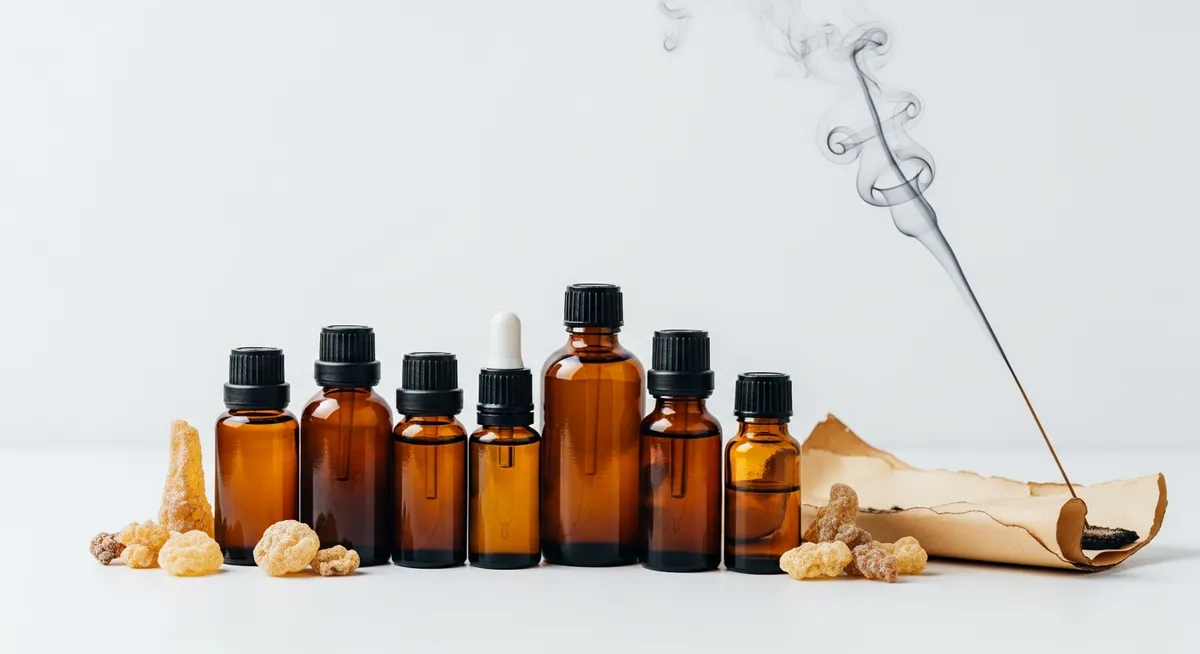
Six single-origin frankincense varieties, steam-distilled and GC/MS verified.
From $12.99
Shop Frankincense Oil →Getting Started with Frankincense
What exactly is frankincense essential oil?
Frankincense essential oil is steam-distilled from the aromatic resin of Boswellia trees, primarily found in Somalia, Oman, and India. The resin, often called "tears," is harvested by making small incisions in the tree bark, allowing the sap to harden into amber-colored droplets. This ancient extraction process yields an oil prized for its complex, balsamic scent that has been treasured for over 5,000 years.
How is frankincense oil different from frankincense resin?
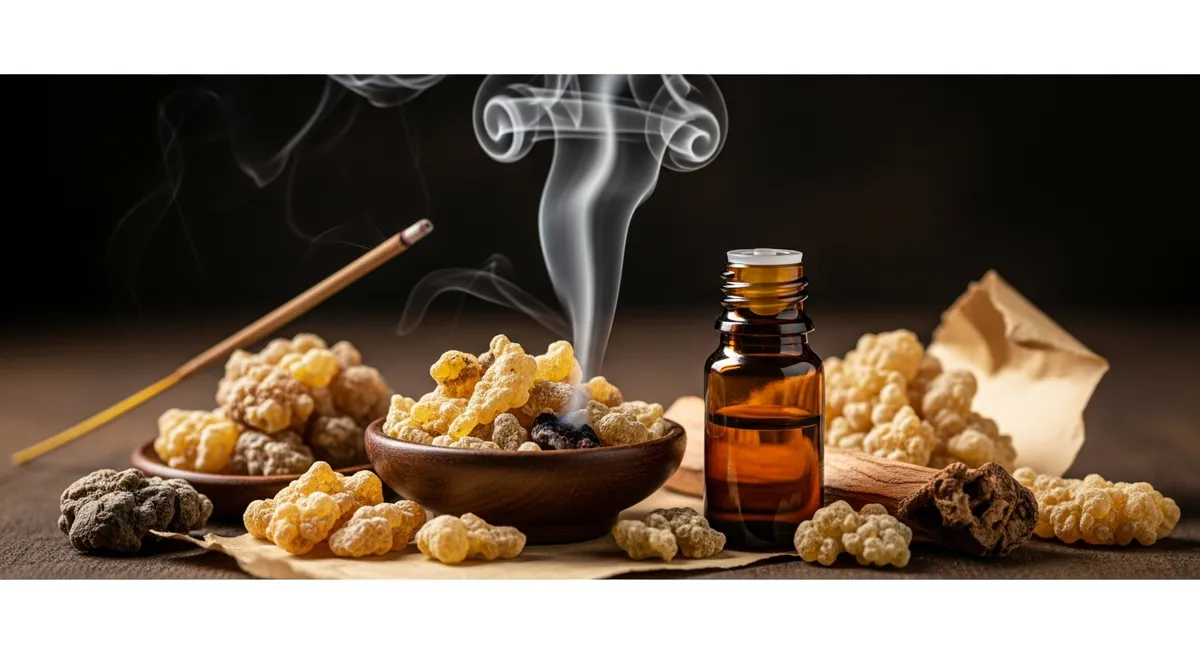
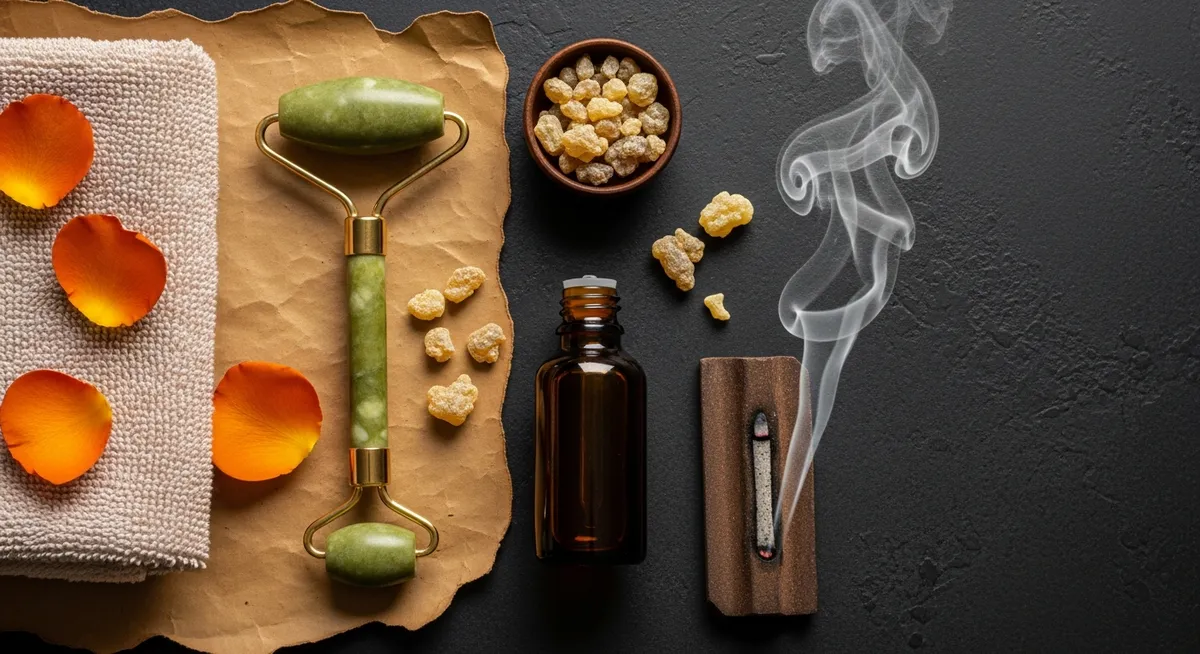
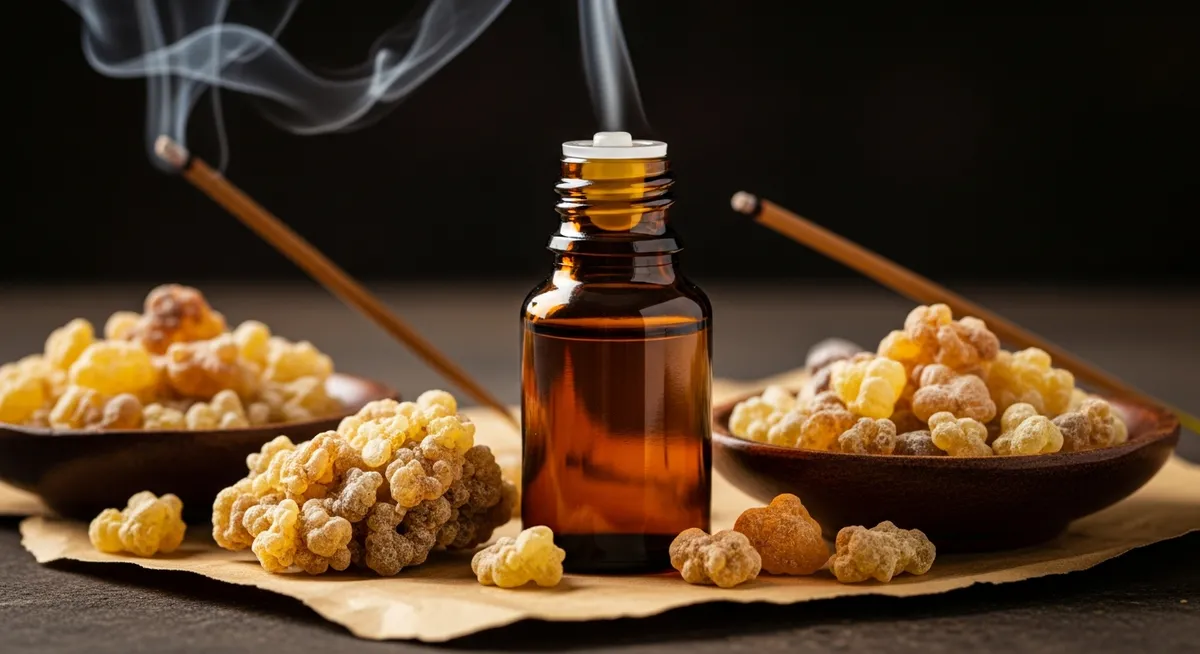
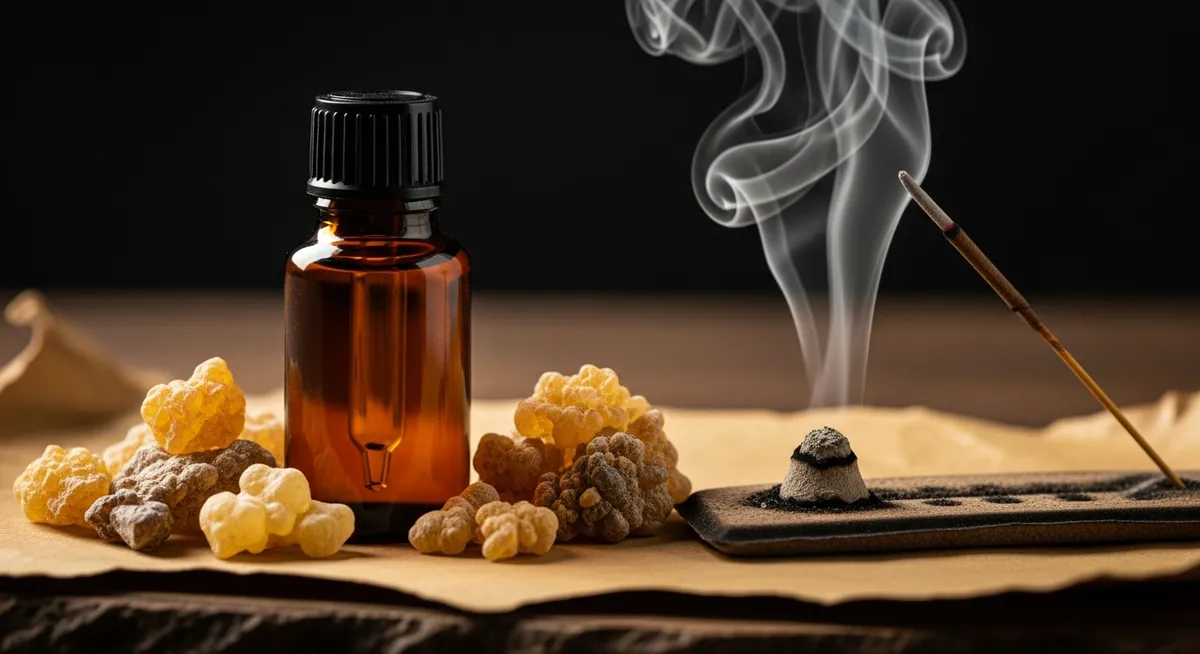
Frankincense resin is the raw, hardened tree sap that can be burned as incense or used in traditional preparations. The essential oil is the concentrated aromatic compounds extracted from this resin through steam distillation. While resin must be heated to release its fragrance, the essential oil provides immediate aromatic benefits and can be easily incorporated into modern wellness practices and aromatherapy applications.
Why is frankincense so expensive?
Several factors contribute to frankincense's premium pricing: limited geographic growing regions, labor-intensive harvesting requiring skilled tappers, and increasing global demand. The highest-quality Boswellia sacra from Oman can take decades to mature, and sustainable harvesting practices limit annual yields. Additionally, the steam distillation process requires significant amounts of resin to produce relatively small quantities of essential oil.
What should quality frankincense oil smell like?
Authentic frankincense essential oil presents a complex aromatic profile with top notes that are fresh, citrusy, and slightly camphoraceous. The heart reveals warm, resinous, and slightly spicy characteristics, while the base notes are deep, woody, and balsamic with subtle sweet undertones. Poor-quality oils may smell flat, overly sweet, or lack the sophisticated complexity that defines genuine frankincense.
Types and Sourcing Questions
What are the main types of frankincense?
The primary species include Boswellia sacra (Omani frankincense), known for its superior quality and complex aroma; Boswellia carterii (Somali frankincense), offering a classic frankincense profile; Boswellia frereana (Maydi frankincense), prized for its sweet, lemony notes; and Boswellia serrata (Indian frankincense), traditionally used in Ayurvedic practices. Each species offers distinct aromatic characteristics and traditional applications, making species identification crucial for quality assessment.
Which type of frankincense is best for beginners?
Boswellia carterii represents an excellent starting point for newcomers, offering the classic frankincense aroma profile at a more accessible price point than premium Omani varieties. This species provides the traditional frankincense experience while being versatile enough for various aromatherapy applications. For those seeking our complete frankincense guide, carterii offers an authentic introduction to this remarkable oil's characteristics.
How can I verify my frankincense oil is authentic?
Authentic frankincense should include clear species identification (Boswellia carterii, sacra, etc.), country of origin, and extraction method on the label. Reputable suppliers provide GC/MS testing reports confirming chemical composition and purity. The oil should have the complex aromatic profile characteristic of its species, and pricing should reflect quality—extremely low prices often indicate synthetic additives or inferior sourcing.
What's the difference between frankincense CO2 extract and steam-distilled oil?
Steam-distilled frankincense oil captures the lighter, more volatile aromatic compounds through traditional distillation methods. CO2 extraction uses carbon dioxide under pressure to extract a broader spectrum of compounds, resulting in an aroma closer to the original resin with more complex depth. CO2 extracts are typically more expensive and viscous, while steam-distilled oils are more fluid and traditional in character.
Safety and Usage Guidelines
Is frankincense essential oil safe for everyone?
While frankincense is generally considered one of the gentler essential oils, individual sensitivities can occur. Pregnant or nursing women should consult healthcare providers before use, and those with specific health conditions should seek professional guidance. Always perform patch tests before topical application and avoid internal use unless under professional supervision. For comprehensive safety information, consult our detailed frankincense safety guide.
How should I dilute frankincense oil for topical use?
For adults, a 2-3% dilution is appropriate for regular use, which equals approximately 12-18 drops per ounce of carrier oil. Facial applications should use 1% dilution (6 drops per ounce), while sensitive individuals may prefer 0.5-1% dilutions. Children and elderly individuals require lower concentrations, typically 0.25-1% depending on age and sensitivity. Always start with lower dilutions and gradually increase if well-tolerated.
Can I use frankincense oil during pregnancy?
Pregnant women should exercise caution with essential oils, including frankincense, especially during the first trimester when fetal development is most critical. While frankincense is traditionally considered gentler than many oils, individual responses vary, and hormonal changes during pregnancy can increase sensitivity. Consultation with qualified healthcare providers familiar with essential oil safety is strongly recommended before incorporating any aromatherapy practices during pregnancy.
What are the most common side effects or reactions?
Potential reactions include skin sensitization, contact dermatitis, or headaches from overexposure to the concentrated aroma. Some individuals may experience respiratory irritation if exposed to excessive diffuser concentrations. Photosensitivity is less common with frankincense than citrus oils but can occur in sensitive individuals. Most reactions are preventable through proper dilution, patch testing, and gradual introduction to new aromatherapy practices.
Practical Application Questions
How do I use frankincense oil in a diffuser?
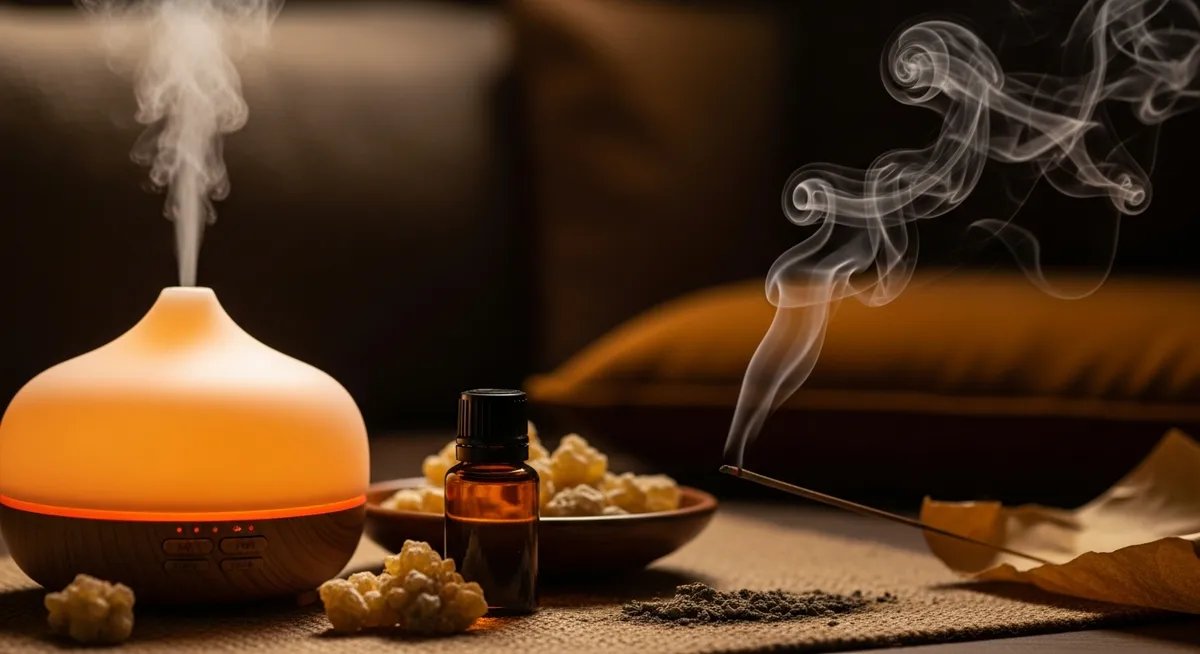
Add 3-5 drops of frankincense oil to your diffuser's water reservoir, adjusting quantity based on room size and personal preference. Frankincense blends beautifully with citrus oils like sweet orange or bergamot for uplifting combinations, or with lavender and sandalwood for relaxing evening blends. Diffuse for 15-30 minute intervals to prevent olfactory fatigue, allowing fresh air circulation between sessions.
Can I apply frankincense oil directly to my skin?
Direct application of undiluted essential oils ("neat" application) is not recommended for most individuals due to potential sensitization risks. (See: NIH — Boswellia Research.) Frankincense should always be diluted in appropriate carrier oils such as jojoba, fractionated coconut oil, or sweet almond oil before topical application. Even traditionally gentle oils like frankincense can cause reactions when used undiluted, particularly with repeated exposure.
What are the best carrier oils to use with frankincense?
Jojoba oil offers excellent stability and absorption, making it ideal for facial applications with frankincense. Fractionated coconut oil provides a lightweight, non-greasy option for body applications, while sweet almond oil delivers nourishing properties for dry skin. Rosehip seed oil pairs exceptionally well with frankincense for mature skin applications, though individuals with nut allergies should avoid almond-based carriers.
How long does frankincense oil last once opened?
Properly stored frankincense essential oil maintains quality for 4-6 years after opening, with some high-quality oils improving with age like fine wine. Store in dark glass bottles away from heat, light, and oxygen exposure to maximize longevity. Signs of oxidation include thickening consistency, darkening color, or off-putting aromas. Quality oils stored in optimal conditions often develop more complex, refined aromatic profiles over time.
Purchasing and Quality Questions
What should I look for when buying frankincense oil?
Quality frankincense oils should specify the exact Boswellia species, country of origin, and extraction method on the label. Reputable suppliers provide third-party testing documentation, including GC/MS analysis confirming purity and chemical composition. Avoid products with vague labeling like "frankincense blend" or suspiciously low prices that may indicate synthetic additives or inferior sourcing practices.
Is more expensive frankincense always better quality?
While price often reflects quality factors like species rarity, sourcing location, and extraction methods, expensive doesn't always guarantee superiority. Omani Boswellia sacra commands premium prices due to limited availability and exceptional quality, but well-sourced Boswellia carterii can offer excellent value for many applications. Focus on reputable suppliers, proper testing documentation, and aromatic authenticity rather than price alone. Our comprehensive buyers guide helps evaluate quality indicators beyond pricing.
Should I buy frankincense oil online or in stores?
Online purchasing often provides access to specialized suppliers with detailed product information, testing documentation, and customer reviews that local stores may lack. However, physical stores allow aromatic evaluation before purchase, which can be valuable for assessing quality and personal preference. Reputable online retailers should offer satisfaction guarantees and detailed product specifications, while physical stores should maintain proper storage conditions and knowledgeable staff guidance.
How much frankincense oil should I buy as a beginner?
A 5-10ml bottle provides ample opportunity to explore frankincense's characteristics and applications without significant financial investment. This quantity allows for several months of regular aromatherapy use, sufficient time to determine personal preferences and compatibility. Larger quantities become economical once you've established frankincense as a staple in your wellness routine and identified preferred suppliers and species.
Traditional and Historical Questions
Why was frankincense so valuable in ancient times?
Frankincense's historical value stemmed from its limited geographic availability, labor-intensive harvesting, and diverse traditional applications in religious ceremonies, preservation practices, and cultural rituals. Ancient trade routes were established specifically for frankincense commerce, with the resin literally worth its weight in gold. Its aromatic complexity and perceived sacred properties made it indispensable for temples, royal courts, and important cultural ceremonies across multiple civilizations.
How was frankincense traditionally used?
Throughout history, frankincense served multiple roles: burned as sacred incense in religious ceremonies, incorporated into embalming practices in ancient Egypt, used in traditional wellness applications across various cultures, and valued as a luxury aromatic for perfumes and personal care. Different civilizations developed unique preparation methods, from simple resin burning to complex traditional formulations combining frankincense with other aromatic and botanical materials.
Is frankincense mentioned in religious texts?
Frankincense appears prominently in numerous religious traditions and texts, most notably as one of the three gifts presented to Jesus in Christian tradition. Ancient Egyptian, Hindu, and Islamic texts reference frankincense in ceremonial contexts, while archaeological evidence confirms its use in temple rituals across multiple civilizations. These historical references often emphasize frankincense's role in spiritual practices and sacred ceremonies rather than practical applications.
What does modern research suggest about frankincense?
Contemporary scientific studies have investigated frankincense's chemical composition, identifying compounds like boswellic acids and various terpenes that contribute to its distinctive properties. Some research suggests potential areas of interest for further investigation, though it's important to note that traditional uses don't necessarily translate to modern applications. Research continues to explore frankincense's complex chemistry and how these compounds might interact with human physiology, though more studies are needed to draw definitive conclusions.
Storage and Maintenance
How should I store my frankincense oil?
Store frankincense essential oil in dark glass bottles, preferably amber or cobalt blue, in cool, dry locations away from direct sunlight and temperature fluctuations. Refrigeration can extend shelf life but may cause temporary thickening that resolves at room temperature. Always ensure tight closures to prevent oxidation, and consider transferring larger quantities to smaller bottles as usage progresses to minimize air exposure.
Why is my frankincense oil getting thicker?
Frankincense naturally contains heavier molecular compounds that may solidify or thicken at cooler temperatures, particularly high-quality oils with minimal processing. This is often a sign of authenticity rather than deterioration. Gentle warming in your palm or brief room temperature exposure typically restores flowing consistency. Permanent thickening combined with off-aromas may indicate oxidation from improper storage or excessive age.
These frequently asked questions provide a foundation for understanding frankincense essential oil's complexity and applications. As you explore this remarkable oil's possibilities, remember that individual experiences vary, and consultation with qualified aromatherapy practitioners can provide personalized guidance for your specific interests and needs.
Frankincense Essential Oil
Serrata, carterii, sacra, frereana, neglecta and rivae: steam-distilled, GC/MS verified, in sizes from 0.5 oz to bulk.
From $12.99
Shop Frankincense Oil →