Frankincense in the Diffuser: A Morning Routine
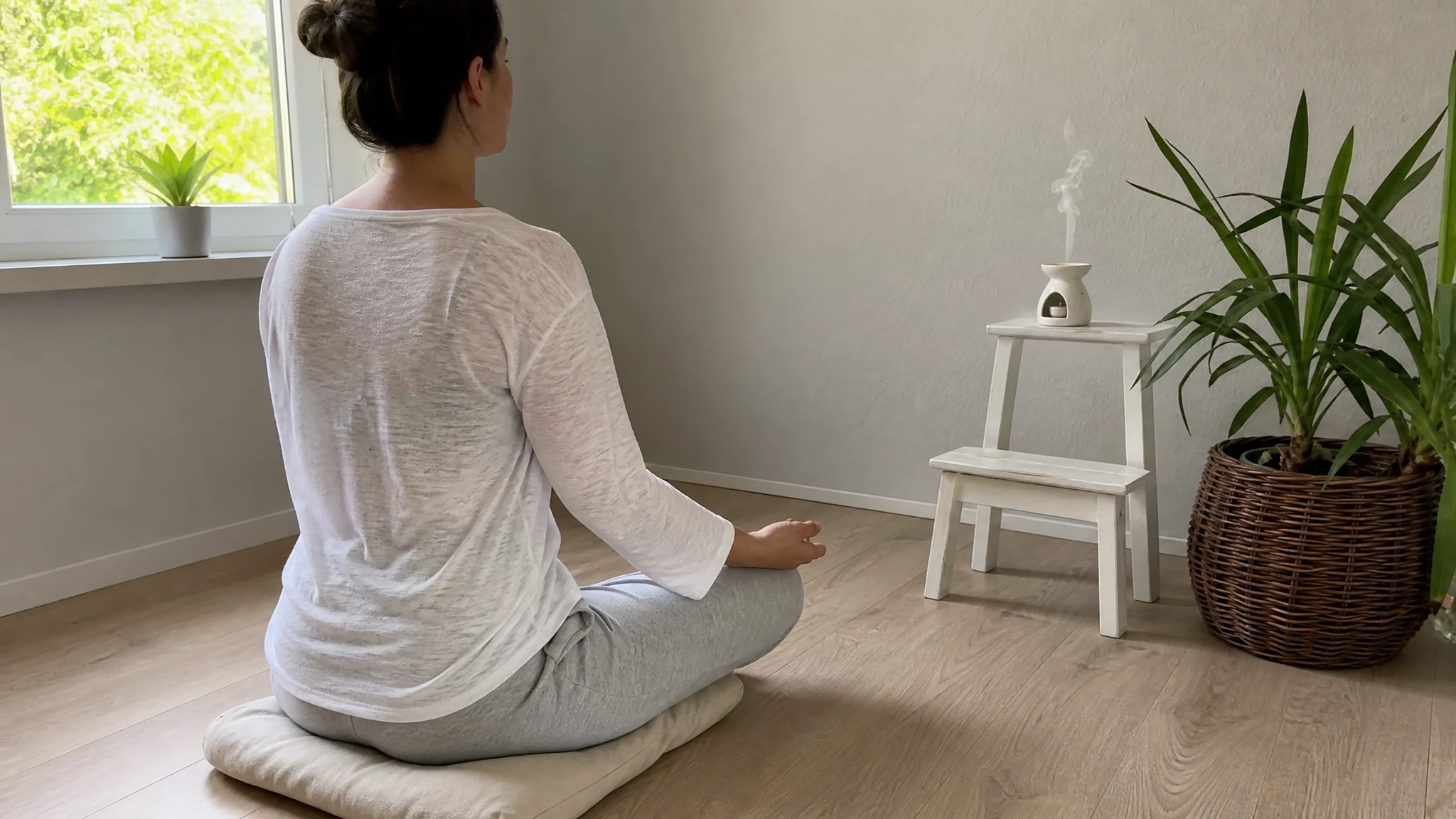
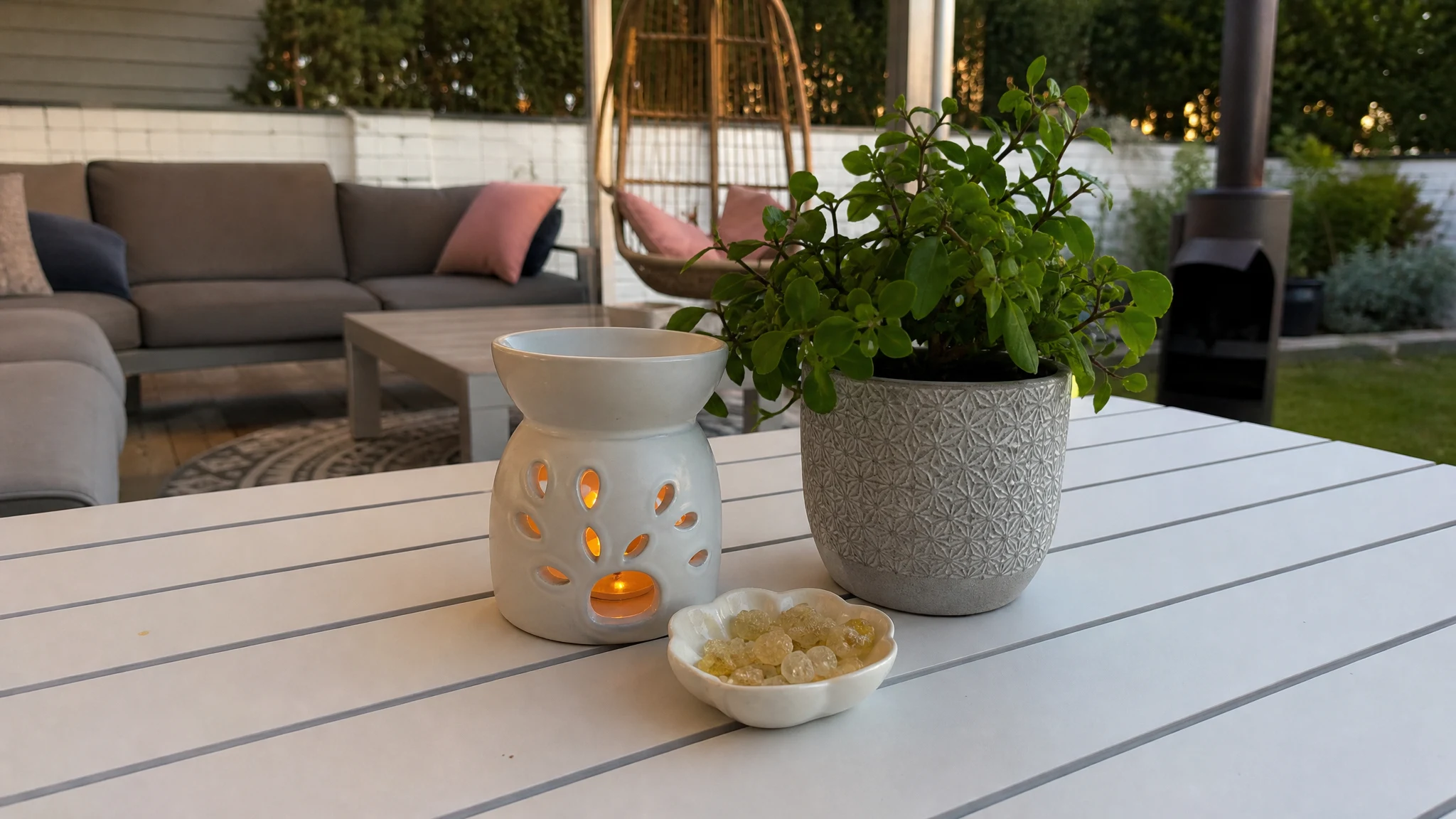
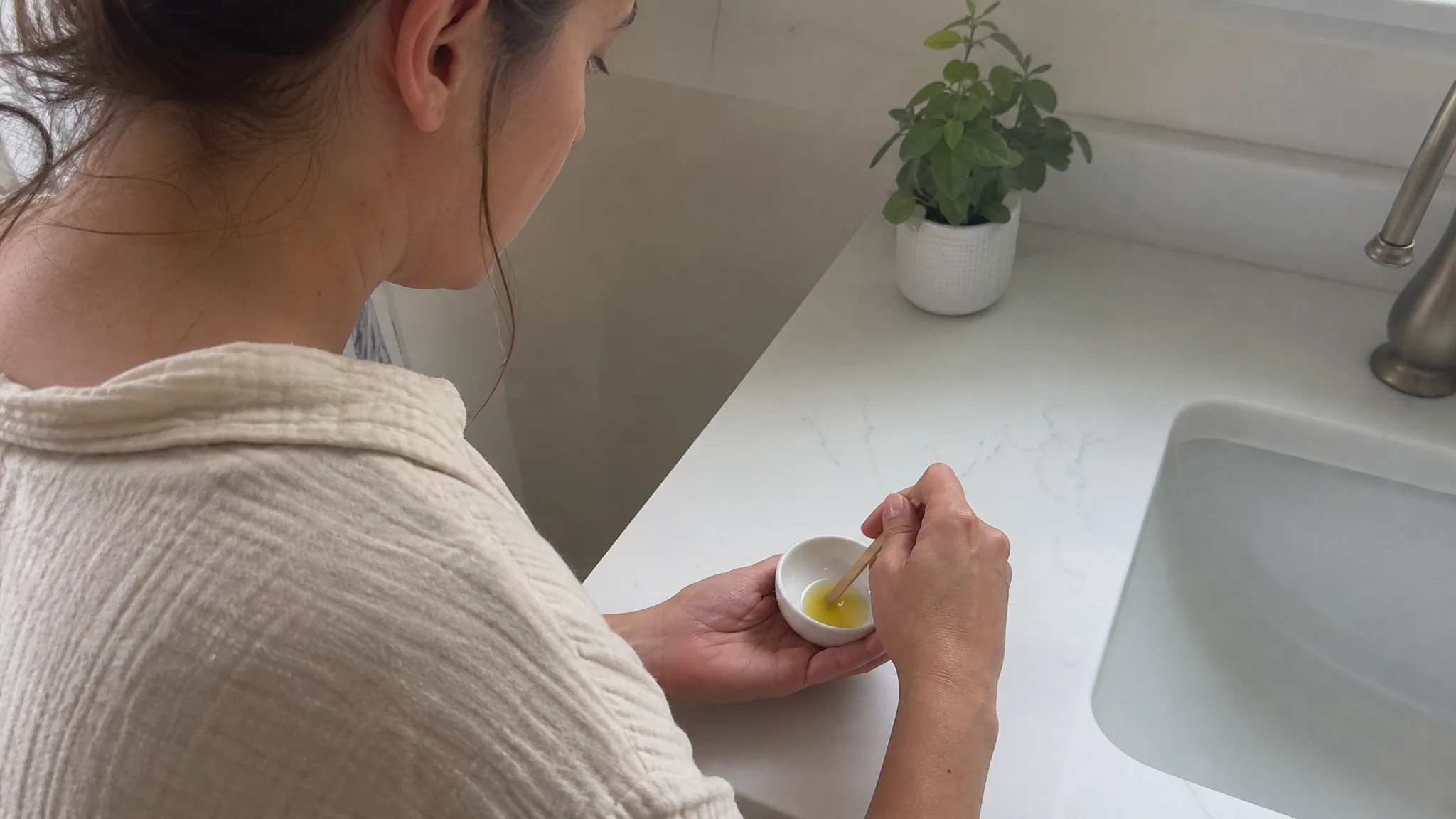
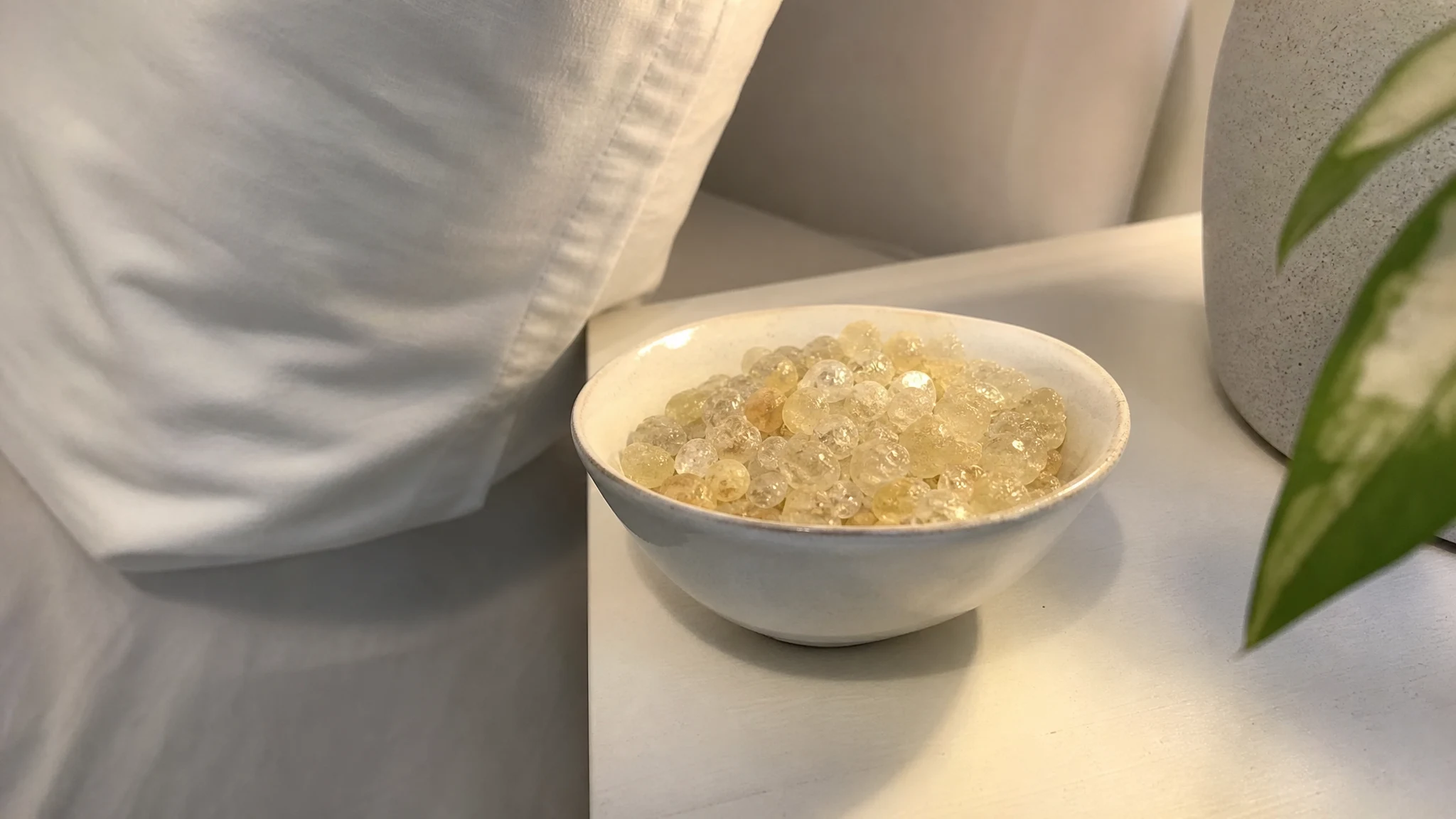
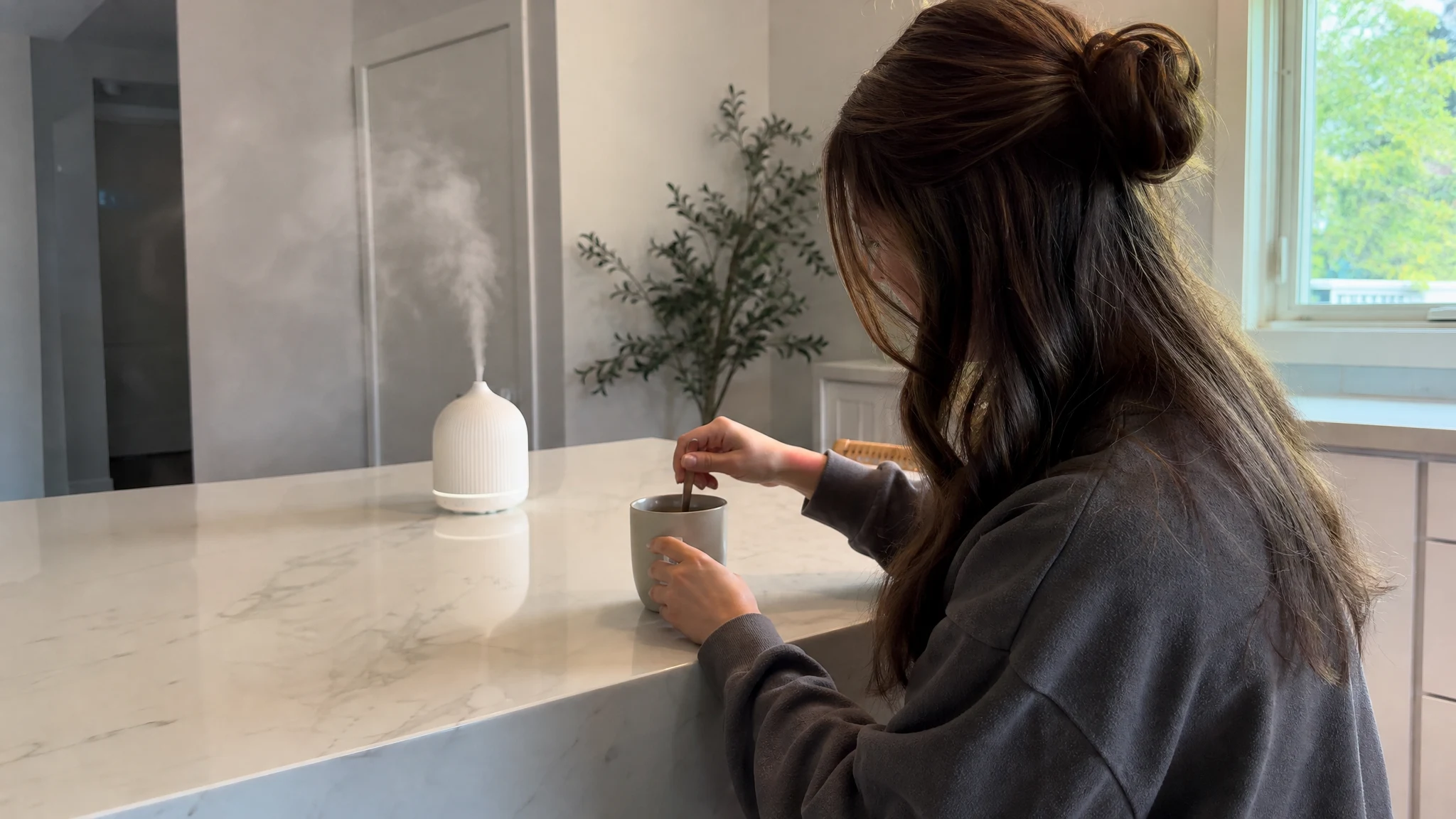
Some mornings call for something gentler than an alarm and a kettle. A diffuser that starts breathing out a warm, slightly woody scent before you are fully awake is a nice way to ease into the day, and serrata, with its citrus and pine top notes, suits that job well. It is worth being clear about what the scent is for, though: it makes a morning feel good, and it does not need to do more than that.

Frankincense Essential Oil
Six single-origin frankincense varieties, steam-distilled and GC/MS verified.
From $12.99 $10.40 with code BLACKFRIDAY
Boswellia serrata as an everyday wake-up scent
We list our Boswellia serrata as coming from Rajasthan, India, and we call it our everyday oil. Its aroma is warm and slightly woody, with subtle citrus and pine on top. That brighter top note is the reason we think of it for daytime rather than evening: it is less honeyed and heavy than our sacra, and less smoky than neglecta. That is a judgment about scent and nothing more. If you prefer something deeper at 7 a.m., a different variety may suit you better, and our guide to the six species will help you choose.
Does rosemary-style aroma research apply to frankincense?
Aroma and mental performance is an interesting area, and rosemary is its best-known example. In a 2012 study, 20 healthy volunteers did serial subtraction and visual processing tasks in a cubicle diffused with rosemary aroma. Their performance was linked to how much 1,8-cineole, rosemary's main compound, turned up in their blood afterward: higher levels went with better speed and accuracy. It is a small study that found a correlation, and it was about rosemary.
We have not found the same work for frankincense. On 5 November 2026 we searched Europe PMC for titles combining frankincense, Boswellia or olibanum with focus, cognition, attention, sleep or inhalation. Going by their titles, the 14 records that came back were extract trials, animal work and chemistry, and none tested an inhaled frankincense oil in healthy people. Frankincense oil's lead compounds in published analyses, alpha-pinene among them, are different from rosemary's, so what applies to one does not carry over to the other. The National Center for Complementary and Integrative Health's overview of aromatherapy says much the same about the field in general: limited rigorous research.
That leaves us with a simple, honest position. Choose frankincense for its smell, and let it be part of the way you start the day.
Ultrasonic versus heated diffusers for frankincense oil
- Use an ultrasonic unit rather than a heated one. A 2025 simulation with tea tree oil found terpene levels from a heat diffuser about an order of magnitude higher than from an ultrasonic one, with alpha-pinene above a long-term European exposure limit in the heat case. Tea tree is not frankincense, but both are rich in monoterpenes, so we apply the lesson here.
- Follow the manual for amounts. The number of drops depends on the unit and its water volume. Start with the lowest figure it gives and add only if you cannot smell it from across the room.
- Run it in intervals, and ventilate. A short session before you get up, then off, is plenty. Open a window when you leave the room.
- Keep pets out. The Merck Veterinary Manual explains that active diffusers release microdroplets that can settle on fur or feathers, and that cats and birds are especially vulnerable. Close the door on animals while it runs.
Should you fill the diffuser the night before?
A morning routine goes best when the work is already done. Fill the tank the evening before, place the diffuser where you can reach it from bed or on your way to the kitchen, and set its timer if it has one. In the morning, all you have to do is press a button.
Follow the manual for cleaning, too. Tip out any leftover water and wipe the tank dry, and the unit will be ready for the next day. A diffuser you can start in two seconds is a diffuser you will actually use.
First minute of noticing a morning scent
Spend the first minute simply noticing the scent. It tends to feel strongest when the room is cool and still, then softens as the air moves and your nose adjusts. If you cannot smell it after ten minutes, resist the urge to add more oil; try moving the diffuser closer instead.
Keep a note on your phone for a week or two about which mornings you enjoyed the scent and which you did not. It is a lighter way to learn your own taste than any claim could be.
Asthma and diffusing essential oils: check first
If you have asthma, ask your physician or allergist before you use any diffuser. The American Academy of Allergy, Asthma and Immunology notes that diffused oils release terpenes and other volatile compounds that have been associated with breathing symptoms, and that no studies have looked specifically at diffusers and asthma. If you are pregnant, nursing, taking medication or have a medical condition, our disclaimer says to consult your healthcare provider, and children should not be left near an open bottle.
Light, wake time and habits behind good mornings
The National Heart, Lung, and Blood Institute's advice on healthy sleep habits is refreshingly ordinary: keep the same wake-up time, get outside in daylight, stay active, and watch caffeine, since its effects can last up to eight hours. Scent works best as a pleasant layer on top of habits like those. A scent you look forward to may even make the habit easier to keep, which is a reasonable thought rather than a finding.
If you would like to see whether you enjoy it, try the diffuser on alternating mornings for a couple of weeks and notice which mornings you prefer. It costs nothing but a bit of attention. For more ideas on getting the best from your equipment, our diffuser guide is a good next stop.
Frankincense Essential Oil
Serrata, carterii, sacra, frereana, neglecta and rivae: steam-distilled, GC/MS verified, in sizes from 0.5 oz to bulk.
From $12.99 $10.40 with code BLACKFRIDAY
Sources & Further Reading
- Moss M, Oliver L, 2012. Plasma 1,8-cineole correlates with cognitive performance following exposure to rosemary essential oil aroma. Ther Adv Psychopharmacol.
- NCCIH. Aromatherapy (last updated January 2020).
- Zisook RE et al., 2025. Volatile organic compound and particle emissions from the use of tea tree oil in essential oil diffusers. J Occup Environ Hyg.
- Merck Veterinary Manual. Toxicoses From Essential Oils in Animals.
- AAAAI. Essential oil diffusers and asthma (reviewed October 2026).
- NHLBI, NIH. Sleep Deprivation and Deficiency - Healthy Sleep Habits.
- Europe PMC, title search run 5 November 2026.