Frankincense Cologne Recipe: A Natural Perfume Built on Frereana
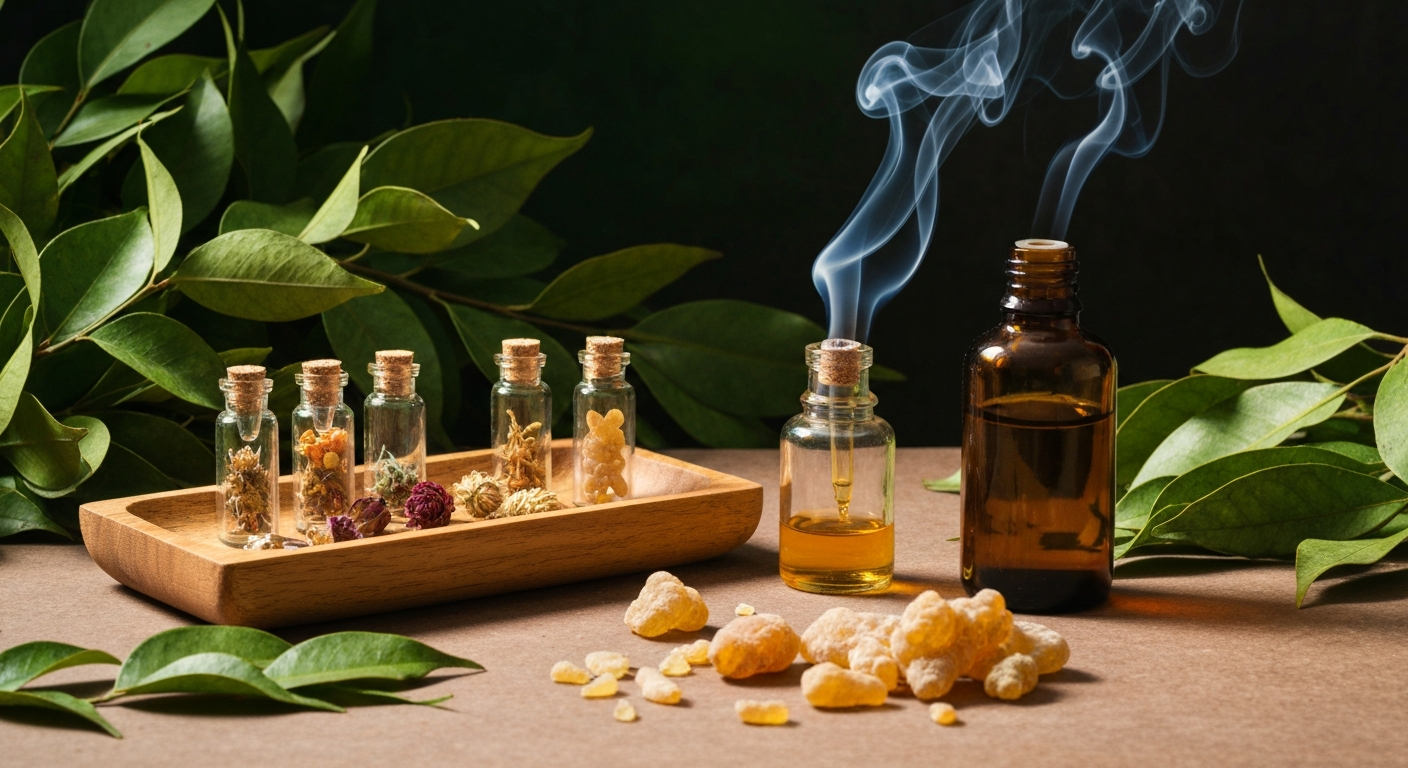
There is a particular kind of quiet luxury in wearing a scent that has been crafted entirely by your own hands — one rooted in a botanical tradition stretching back millennia. Frereana frankincense, known in the trade as Boswellia frereana and revered by Somali traders under the name Maydi, occupies a singular position in the world of natural perfumery. It is, by many accounts, the aristocrat of the frankincense family: clean, bright, and resinous in a way that reads unmistakably as luxury rather than incense smoke.
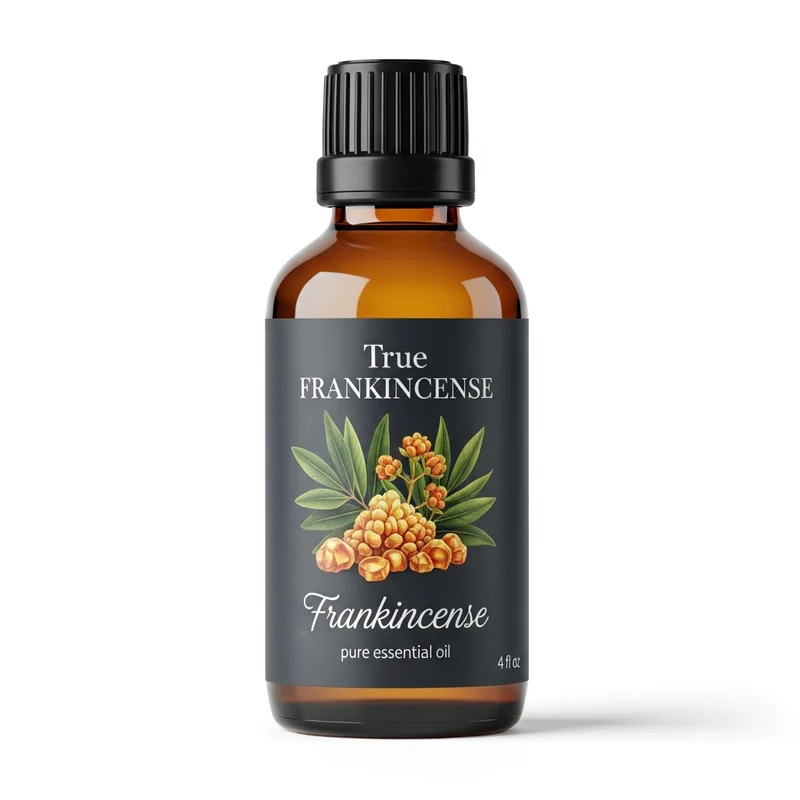
Frankincense Essential Oil
Six single-origin frankincense varieties, steam-distilled and GC/MS verified.
From $10.99
Shop Frankincense Oil →This guide is written for the curious beginner and the seasoned blender alike. Whether you are stepping into natural cologne-making for the first time or refining an already well-developed palette, a frereana frankincense fragrance offers a masterclass in structured, elegant aromatic composition. What follows is a complete perfumer's recipe — from understanding the resin itself to bottling your finished work — along with dilution guidance, safety notes, and three distinct creative variations to make the formula entirely your own.
Why Frereana? Understanding the Maydi Frankincense Character
Before any drop of oil meets alcohol, a perfumer must understand their primary material. Frereana is not interchangeable with its frankincense cousins, and appreciating its distinct character is the foundation of everything that follows.
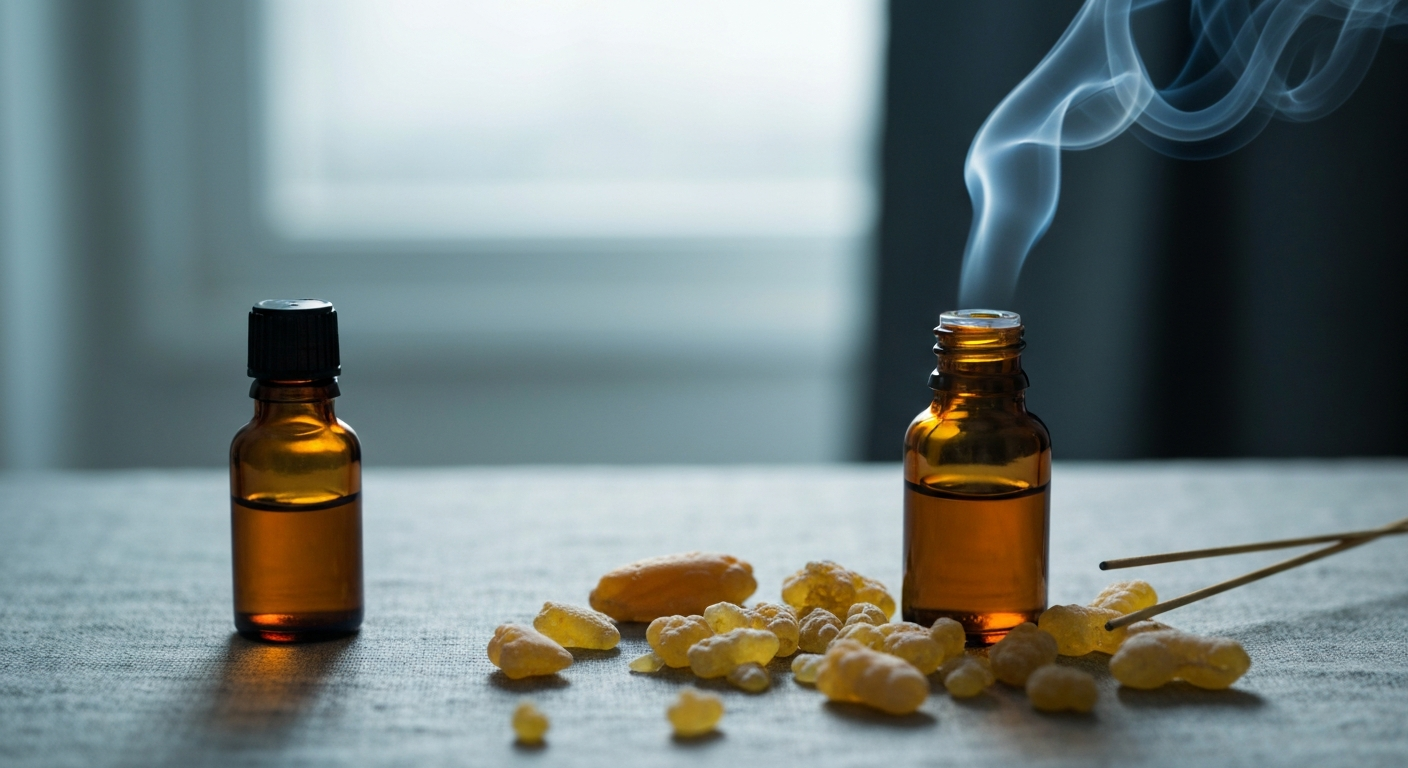
Botanical origin: Boswellia frereana grows predominantly in the limestone escarpments of northern Somalia — the Puntland region in particular — where it has been harvested and traded for centuries along ancient maritime routes to Arabia and the Mediterranean. The resin tears, known as Maydi, are notably pale and translucent, often described as resembling hardened drops of morning dew.
Aroma profile: Where Boswellia sacra leans toward camphor and cool citrus and carterii offers earthy, balsamic warmth, frereana presents something closer to a dry, luminous brightness. Perfumers describe its scent as:
- Clean and crystalline on the opening
- A distinct lemony-pine quality — fresh without being sharp
- A subtle dry-down that is more resinous and woody than smoky
- Notably low in smokiness compared to other varieties — making it approachable for skin application
This particular profile makes frereana exceptionally well-suited to cologne construction. Its natural brightness functions like a premium top-to-mid note bridge, carrying a fragrance forward without overpowering the other elements. It also possesses what perfumers call diffusivity — it radiates gently from skin rather than sitting flat against it.
You can explore our carefully sourced essential oil on the frereana frankincense product page, where full GC/MS testing documentation and origin traceability are provided for complete transparency.
The Anatomy of a Natural Cologne
A classical cologne (Eau de Cologne) is defined not merely by its dilution but by its aromatic philosophy: bright, spirited, and intended to be experienced in the first minutes of wear as much as across hours. The traditional concentration sits between 2–5% aromatic material in an alcohol base, giving it its characteristic lightness.
Natural cologne built around a frereana cologne recipe follows the same tripartite structure that has guided fine perfumery for centuries:
- Top notes — the opening impression, evaporating within the first 15–30 minutes
- Heart (middle) notes — the core character, emerging after the top fades
- Base notes — the longest-lasting layer, anchoring the composition for hours
In our recipe, frereana occupies both the top and heart simultaneously — a structural choice that lends the composition a distinctive sense of coherence and clarity from first application to final dry-down.
The Signature Frereana Cologne Recipe
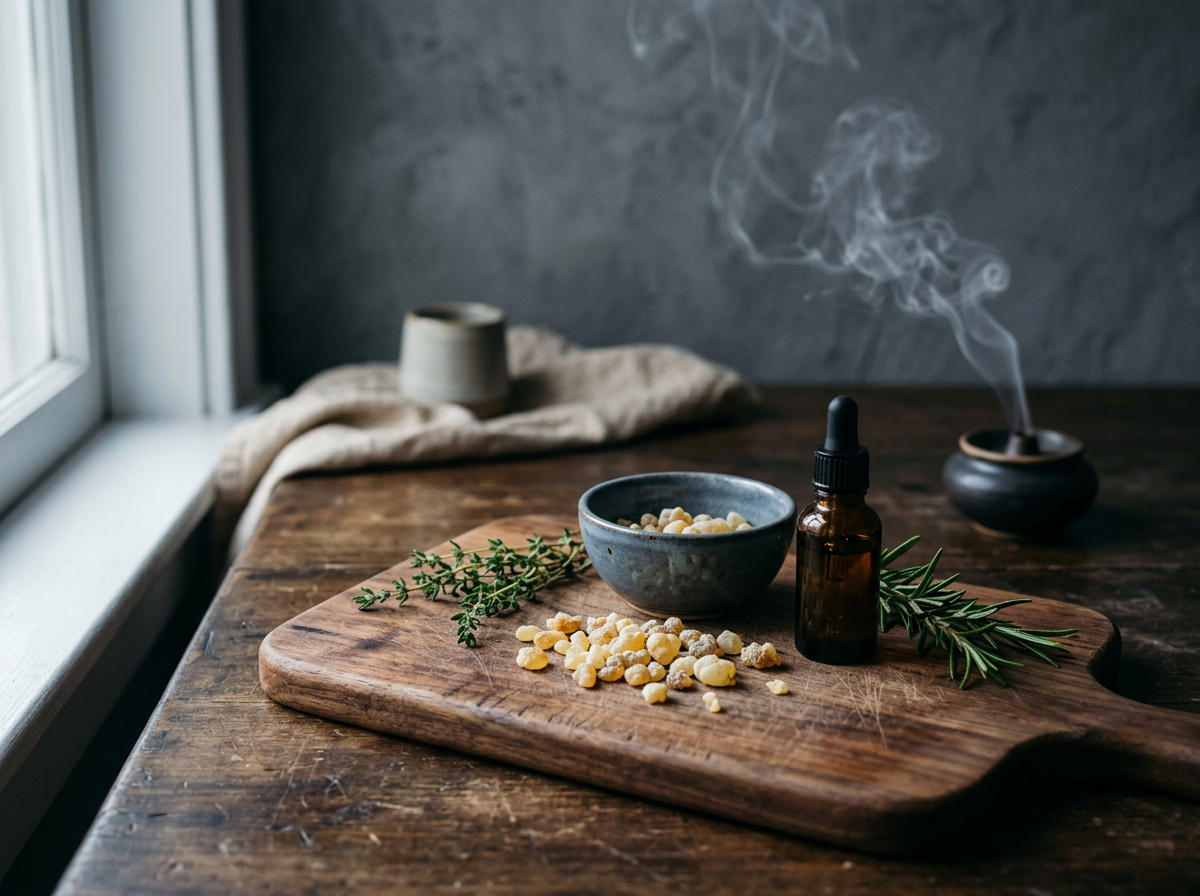
Yield: 30ml finished cologne (approximately 3% aromatic concentration)
Equipment Needed
- One 30ml glass atomiser bottle (dark amber or cobalt blue recommended)
- One 10ml glass beaker or small measuring vessel
- Disposable pipettes or dropper tips (one per oil to avoid cross-contamination)
- Fragrance blotter strips for evaluation at each stage
- A notebook for recording your exact formula
- Fine coffee filter or muslin cloth (optional, for final filtration)
Ingredients
| Ingredient | Role | Drops | Approx. ml |
|---|---|---|---|
| Frereana frankincense essential oil (B. frereana) | Top / Heart anchor | 10 drops | 0.50 ml |
| Bergamot essential oil (bergapten-free) | Top note brightness | 6 drops | 0.30 ml |
| Black pepper essential oil | Top / Heart spice | 3 drops | 0.15 ml |
| Cedarwood (Atlas or Virginian) essential oil | Heart / Base woody depth | 5 drops | 0.25 ml |
| Vetiver essential oil | Base earthy anchor | 2 drops | 0.10 ml |
| Ambrette seed essential oil (or amyris as a vegan option) | Base musky warmth | 2 drops | 0.10 ml |
| High-proof perfumer's alcohol (≥190 proof / 95% ethanol) | Carrier / diluent | — | 28.60 ml |
Total aromatic material: approximately 0.90 ml in 30 ml = ~3% dilution (Eau de Cologne concentration).
A note on bergamot: Always use bergapten-free (FCF) bergamot essential oil in any skin-application formula. Standard bergamot contains bergapten, a furanocoumarin that may cause photosensitivity reactions when skin is exposed to UV light. Bergapten-free versions retain the full aromatic profile without this concern.
Step-by-Step Blending Instructions
- Prepare your workspace. Work at a clean surface away from heat, direct sunlight, or strong ambient odours that might interfere with your evaluation. Lay out all equipment and oils before beginning.
- Build the concentrate first. Using your glass beaker, add your essential oils in order from heaviest (base) to lightest (top): begin with vetiver, then ambrette seed, then cedarwood, then frereana, then black pepper, then bergamot last. This sequence helps the heavier molecules blend more thoroughly with subsequent lighter additions.
- Evaluate the concentrate on a blotter. Dip a fragrance strip into your beaker and allow it to dry for 60 seconds. Smell at arm's length initially, then closer. Note which elements are dominant. If any single note overwhelms the composition, this is the moment to adjust — one drop at a time — before adding alcohol.
- Add the perfumer's alcohol. Pour approximately 28.60 ml of high-proof perfumer's alcohol into your 30ml atomiser bottle. Using your pipette, carefully transfer the essential oil concentrate into the bottle. Seal and gently invert the bottle several times to integrate. Do not shake vigorously.
- Allow the blend to macerate. This is the step most beginners skip and most experienced perfumers consider non-negotiable. Seal the bottle and store it in a cool, dark place for a minimum of 48 hours and ideally 2–4 weeks. During maceration, the aromatic molecules bond with the alcohol and with each other, producing a more rounded, harmonious fragrance than a freshly-made blend. Smell it weekly and note how the character evolves.
- Optional: Filter the finished cologne. If any cloudiness or particulate matter has developed (more common with certain base-note resins), pour the finished cologne through a fine coffee filter or muslin cloth before final bottling.
- Label your bottle. Record the date of creation, exact formula (drops of each ingredient), and batch number if you are making multiples. A cologne's story is part of its pleasure.
Dilution, Patch Testing, and Safety Notes
Natural perfumery is a practice of informed pleasure, and a considered approach to safety allows you to enjoy your creation with full confidence.
Dilution Ratios at a Glance
| Cologne Type | Aromatic Concentration | Longevity |
|---|---|---|
| Eau de Cologne (this recipe) | 2–5% | 1–3 hours |
| Eau de Toilette | 5–10% | 3–5 hours |
| Eau de Parfum | 10–20% | 5–8 hours |
This recipe is formulated at cologne concentration intentionally. The brightness and diffusivity of frereana are best showcased at this lighter dilution, where its luminous character can be appreciated rather than compressed under heavier concentration.
Patch Testing Protocol
Before applying any new fragrance blend to pulse points or larger skin areas, always conduct a patch test:
- Apply two to three sprays to the inner forearm or the inside of the elbow.
- Allow the area to remain uncovered and unwashed for 24 hours.
- Monitor for any redness, itching, or irritation.
- If any reaction occurs, discontinue use immediately and wash the area with mild soap and water.
Important Safety Considerations
- Pregnancy and nursing: Consult a qualified healthcare provider before using any essential oil blend if you are pregnant, nursing, or trying to conceive.
- Children: This formula is not intended for use on or around young children. Essential oil safety for children requires specialist guidance.
- Skin sensitivities: Individuals with known sensitivities to resins, citrus, or spice-family botanicals should exercise additional caution.
- Sun exposure: Even when using bergapten-free bergamot, avoid applying any fragrance directly to skin areas that will be exposed to prolonged direct sunlight immediately after application.
- Keep away from eyes and mucous membranes.
- This product is for aromatic enjoyment purposes only. It is not intended to diagnose, treat, cure, or prevent any disease or medical condition. If you have any health concerns, please consult a qualified healthcare professional.
Storage and Shelf Life
A well-made natural cologne, stored correctly, may retain its character for 12–24 months from the date of creation — and in some cases considerably longer.
- Store in a cool, dark location — a drawer, cabinet, or dedicated fragrance box away from heat sources and direct light. UV light and heat are the primary agents of aromatic degradation.
- Use dark glass bottles (amber or cobalt blue) rather than clear glass to provide an additional layer of UV protection.
- Avoid temperature fluctuations — bathrooms, despite being the traditional home of colognes, are among the worst storage environments due to heat and humidity cycles. A bedroom dresser is significantly preferable.
- Monitor for changes — if the scent develops a noticeably sharp, rancid, or flat quality, this indicates the aromatic compounds may be oxidising. Trust your nose.
Three Creative Variations on the Signature Blend
Variation 1: The Desert Nomad — A Warmer, Spicier Interpretation
For those who wish to amplify the ancestral, traded-across-ancient-routes quality of Maydi frankincense, this variation deepens the base and adds aromatic warmth. Replace the bergamot with cardamom essential oil (4 drops) and substitute the ambrette seed with sandalwood essential oil (3 drops). Increase vetiver to 4 drops. The result is a cologne that opens with spiced warmth and settles into a rich, meditative dry-down — still bright from the frereana, but considerably more contemplative in character.
Variation 2: The Coastal Meridian — A Lighter, More Aquatic Direction
To push the frereana frankincense fragrance toward something lighter and more contemporary, reduce the cedarwood to 2 drops and add sea fennel essential oil (3 drops) alongside grapefruit essential oil, pink (4 drops). Omit the vetiver entirely. This creates a crisper, more modern fragrance profile — the kind of maydi frankincense fragrance that would feel at home alongside natural Côte d'Azur aesthetics. Note: grapefruit in high-proof alcohol at cologne concentrations presents minimal photosensitivity risk, but avoid applying directly to sun-exposed skin immediately after use.
Variation 3: The Antiquarian — A Richer, Parfum-Strength Interpretation
Increase the overall aromatic concentration to approximately 10% (Eau de Toilette / light Parfum range) by doubling all essential oil quantities while keeping the alcohol base constant. Add oud essential oil (2 drops) and rose absolute (3 drops) to the base. This variation is for experienced blenders comfortable working with powerful materials. The frereana at higher concentration becomes more distinctly resinous, and the oud creates a compositional gravity that grounds what might otherwise become too airy. Allow a minimum of four weeks of maceration before evaluation — this blend will reward patience generously.
Final Notes: On the Practice of Natural Perfumery
What makes a frereana cologne recipe different from a generic fragrance project is the specificity of the material at its centre. Frereana is not a background note or a functional additive — it is, in the truest sense, a protagonist. Working with Maydi frankincense in a frankincense natural perfume context is an invitation to understand a resin that has been considered precious for thousands of years, not through historical abstraction, but through direct, sensory encounter.
Every batch you blend will be slightly different. The nature of genuine essential oils — shaped by rainfall, altitude, harvest timing, and the hands that tap the bark — means that natural perfumery is always a conversation between the maker and the material. That variability, far from being a limitation, is precisely what makes it alive.
We invite you to explore our full range of ethically sourced resins and oils, and to discover more about this remarkable variety on our dedicated frereana frankincense page — where you will find complete botanical provenance, batch-specific GC/MS testing, and the opportunity to source the very material this recipe was designed around.
Blend with intention. Wear with pleasure. And let the ancient trade winds of the Somali coast speak for themselves.