Frankincense as a 'May support wellness for-All': Why This Dangerous Narrative Hurts the Industry
The ancient resin of Boswellia trees has captivated civilizations for millennia, earning reverence in religious ceremonies and traditional wellness practices. Yet in our modern era of social media and quick fixes, frankincense has become entangled in a web of exaggerated claims that threaten both consumer safety and industry credibility. The portrayal of frankincense as a miraculous "cure-all" represents one of the most damaging myths in the essential oil world.
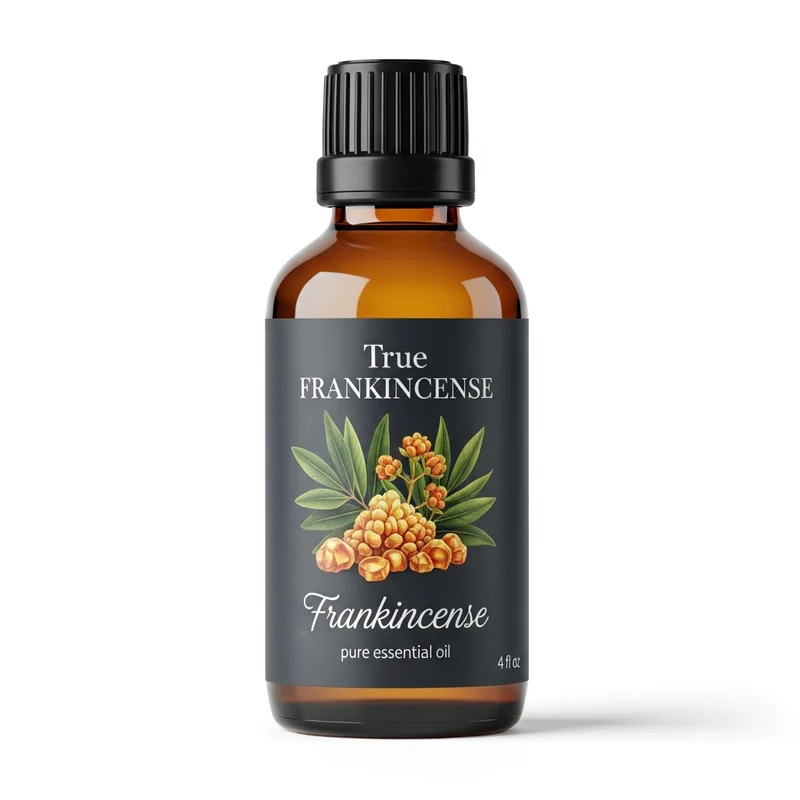
Frankincense Essential Oil
Six single-origin frankincense varieties, steam-distilled and GC/MS verified.
From $12.99
Shop Frankincense Oil →While research suggests that frankincense compounds may offer certain benefits, the leap from preliminary studies to sweeping health claims creates a dangerous disconnect between science and marketing. This myth-busting exploration examines why the "cure-all" narrative undermines the legitimate appreciation of this remarkable botanical treasure.
The Rise of the Frankincense "May support wellness for-All" Myth
The transformation of frankincense from a revered aromatic substance to a supposed panacea didn't happen overnight. Social media platforms, multilevel marketing companies, and well-meaning but misinformed wellness enthusiasts have contributed to an echo chamber of increasingly bold claims. The myth typically follows this pattern:
- Ancient use equals modern medical proof
- Preliminary research becomes definitive evidence
- Anecdotal experiences transform into universal truths
- Complex health conditions are oversimplified
This mythology particularly flourishes because frankincense occupies a unique position—it carries both ancient mystique and modern research interest. However, conflating traditional reverence with contemporary medical claims creates a foundation built on quicksand.
Myth #1: "Frankincense May support wellness for Cancer"
The Myth
Perhaps the most dangerous frankincense cure-all myth circulating online claims that frankincense essential oil can eliminate cancer cells and serve as an alternative to conventional approach.
The Reality
While some laboratory studies have examined compounds found in frankincense (particularly boswellic acids) and their effects on certain cell lines, this research remains in preliminary stages. Evidence indicates that:
- Most studies occur in laboratory settings using isolated compounds
- Cell culture research cannot be directly applied to human approach
- No peer-reviewed clinical trials support frankincense as a cancer approach
- The concentration of active compounds in essential oils differs significantly from research extracts
Research suggests that certain frankincense compounds may demonstrate interesting properties in controlled laboratory environments, but translating these observations into human applications requires extensive clinical investigation that has not yet occurred.
For a deeper examination of this specific topic, explore our analysis of frankincense cancer myths and the science behind them.
Why This Myth Persists
The cancer cure myth persists because it exploits hope and desperation. When people face serious health challenges, the promise of a natural, accessible solution becomes emotionally compelling. Additionally, preliminary research findings are often misrepresented or taken out of context in social media posts and marketing materials.
Myth #2: "Frankincense Reverses Aging and Regenerates Cells"
The Myth
Claims suggest that frankincense can turn back the clock on aging, regenerate damaged cells, and restore youthful vitality through topical application or aromatherapy.
The Reality
While frankincense has been traditionally valued for skin care applications, the regenerative claims vastly overstate the available evidence:
- Some research suggests certain compounds may support normal cellular processes
- Traditional use in skincare reflects moisturizing and aromatic properties
- No clinical evidence supports claims of cellular regeneration or age reversal
- Aging is a complex biological process influenced by multiple factors
People report enjoying frankincense in skincare routines, and some users describe improved skin appearance, but these anecdotal experiences don't constitute evidence of regenerative properties.
Why This Myth Appeals
The anti-aging industry generates billions of dollars annually by promising to halt or reverse natural processes. Frankincense's ancient association with preservation (used in mummification) creates a false parallel with preserving human youth. The myth also capitalizes on the desire for natural alternatives to cosmetic procedures.
Myth #3: "One Oil for Every Ailment"
The Myth
This essential oil cure claims narrative suggests that frankincense can address virtually any health concern—from anxiety and depression to immune system issues and chronic pain.
The Reality
Human health and wellness involve intricate biological systems that cannot be addressed by any single substance:
- Different health concerns have distinct underlying mechanisms
- Individual responses to aromatherapy vary significantly
- Multiple factors influence health outcomes beyond any single intervention
- Quality research focuses on specific, measurable outcomes rather than broad claims
While some research suggests frankincense aromatherapy may support relaxation in certain individuals, and traditional practices have valued it for spiritual and ceremonial purposes, these observations don't support universal health claims.
The Appeal of Simple Solutions
In our complex world, the idea of one solution for multiple problems provides psychological comfort. This myth exploits our cognitive bias toward simple explanations and our desire to control health outcomes through accessible means.
The Real Harm: Why Frankincense Overpromising Damages Everyone
Consumer Safety Concerns
When people believe frankincense cure-all myths, they may:
- Delay seeking appropriate medical care for serious conditions
- Use essential oils inappropriately or in dangerous concentrations
- Experience disappointment and financial loss from unrealistic expectations
- Develop skin sensitivities from improper application
Understanding proper frankincense safety guidelines becomes crucial when misinformation encourages risky behaviors.
Industry Credibility Erosion
Exaggerated claims damage the entire essential oil industry by:
- Attracting regulatory scrutiny and potential restrictions
- Creating skepticism among healthcare professionals
- Undermining legitimate research and education efforts
- Associating quality products with questionable marketing practices
Scientific Progress Hindrance
When cure-all myths dominate public discourse, they can actually impede genuine scientific investigation. Researchers may struggle to secure funding for legitimate studies when the field appears tainted by pseudoscience.
Evaluating Frankincense Claims Responsibly
Red Flags in Marketing
Learn to identify problematic claims by watching for:
- Language that suggests medical treatment ("cures," "heals," "treats")
- Testimonials without scientific backing
- Claims that sound too good to be true
- Pressure to purchase immediately or in large quantities
- Dismissal of conventional medicine
Seeking Reliable Information
When researching frankincense, prioritize:
- Peer-reviewed scientific publications
- Educational content from reputable sources
- Transparent discussion of limitations and uncertainties
- Recommendations to consult healthcare providers
- Clear distinction between traditional use and medical claims
For comprehensive, evidence-based information, consult our complete guide to frankincense, which explores both historical significance and current research without overstating the evidence.
The Path Forward: Appreciating Frankincense Appropriately
Embracing Nuanced Understanding
Frankincense doesn't need to be a cure-all to be valuable. Its legitimate qualities deserve appreciation:
- Rich aromatic profile that many find pleasant and grounding
- Historical and cultural significance spanning millennia
- Potential areas for future research investigation
- Traditional use in spiritual and ceremonial contexts
- Quality skincare applications when properly diluted
Supporting Ethical Industry Practices
Consumers can help combat frankincense cure-all myths by:
- Choosing companies that make responsible, evidence-based claims
- Supporting brands that invest in legitimate research
- Sharing accurate information rather than sensationalized content
- Asking critical questions about product claims
- Consulting qualified healthcare providers for medical concerns
Conclusion: Honoring Tradition Without False Promises
The frankincense cure-all myth represents a cautionary tale about the collision between ancient wisdom and modern marketing. While this remarkable resin has earned its place in human history through genuine cultural and aromatic value, inflating its properties into miraculous medical claims does a disservice to both consumers and the industry.
By rejecting essential oil cure claims and embracing a more nuanced understanding, we can appreciate frankincense for what it truly offers—a connection to ancient traditions, a complex and beautiful aroma, and a subject worthy of continued scientific inquiry. This approach protects consumer safety, maintains industry credibility, and honors the authentic legacy of one of humanity's most treasured botanicals.
The path forward requires collective commitment to truth over sensationalism, evidence over emotion, and responsible appreciation over dangerous overpromising. In this commitment, we find not only better consumer protection but also a more sustainable and credible future for the essential oil industry as a whole.
Important Notice: This article is for educational purposes only and does not constitute medical advice. Essential oils should not replace conventional medical approach. Always consult with a qualified healthcare provider before using essential oils, especially if you have medical conditions or take medications. Proper dilution and safety testing are essential when using any essential oil.
Frankincense Essential Oil
Serrata, carterii, sacra, frereana, neglecta and rivae: steam-distilled, GC/MS verified, in sizes from 0.5 oz to bulk.
From $12.99
Shop Frankincense Oil →