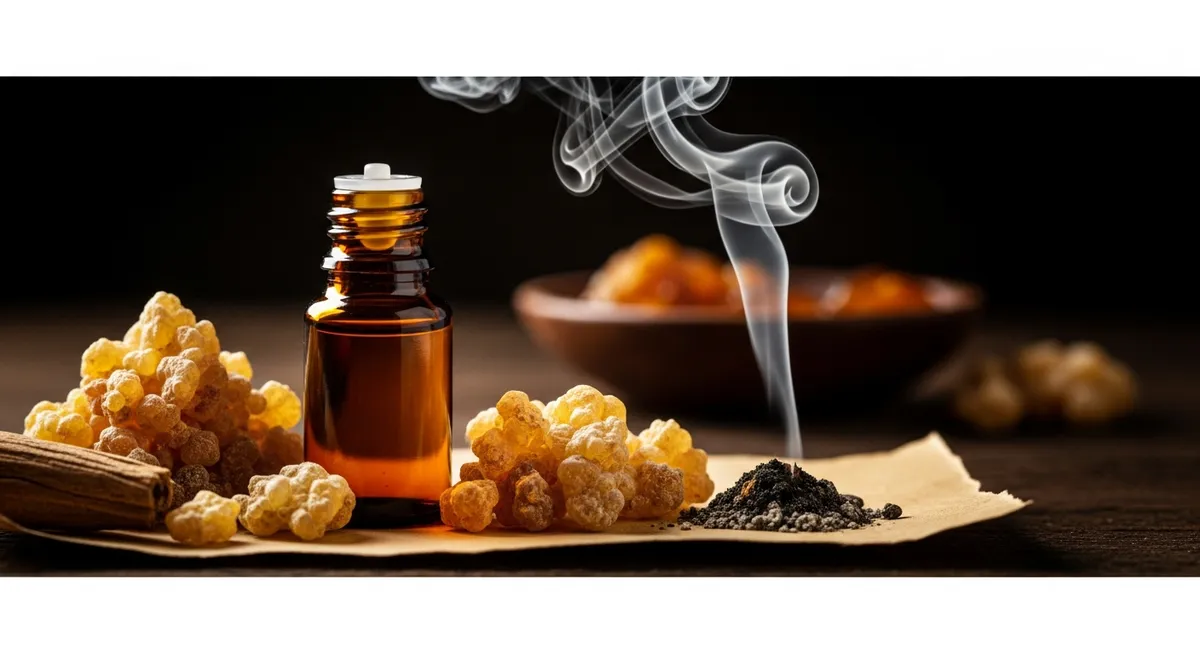
Is 'Therapeutic Grade' Frankincense Real? The Truth About Essential Oil Grading
Walk into any health store or browse essential oil websites, and you'll encounter phrases like "therapeutic grade," "medical grade," or "certified pure." These terms appear so frequently that many consumers assume they represent official quality standards. However, the reality of essential oil grading is far more complex—and far less regulated—than most people realize.
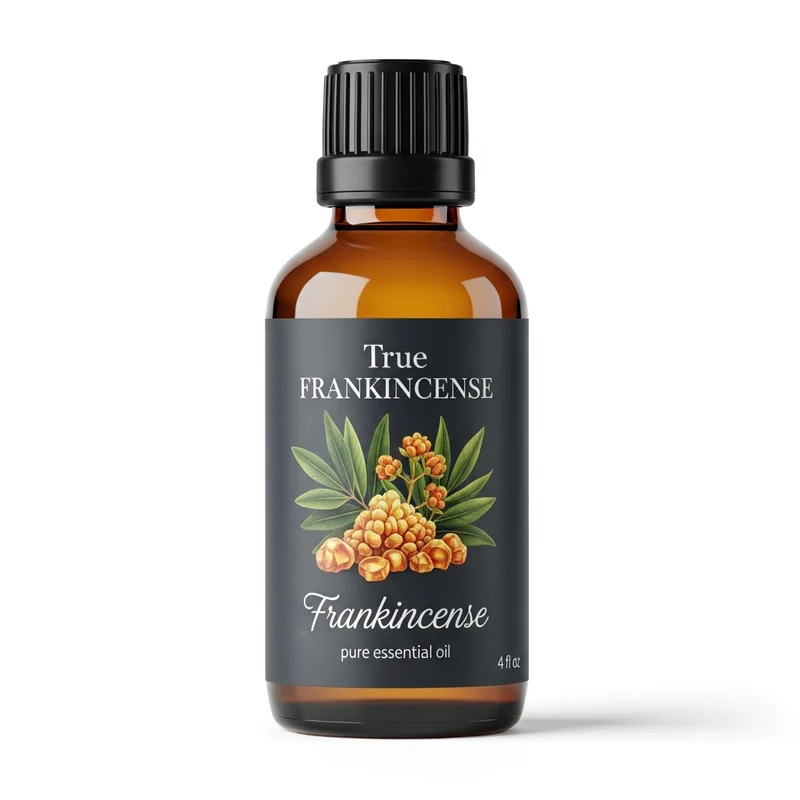
Frankincense Essential Oil
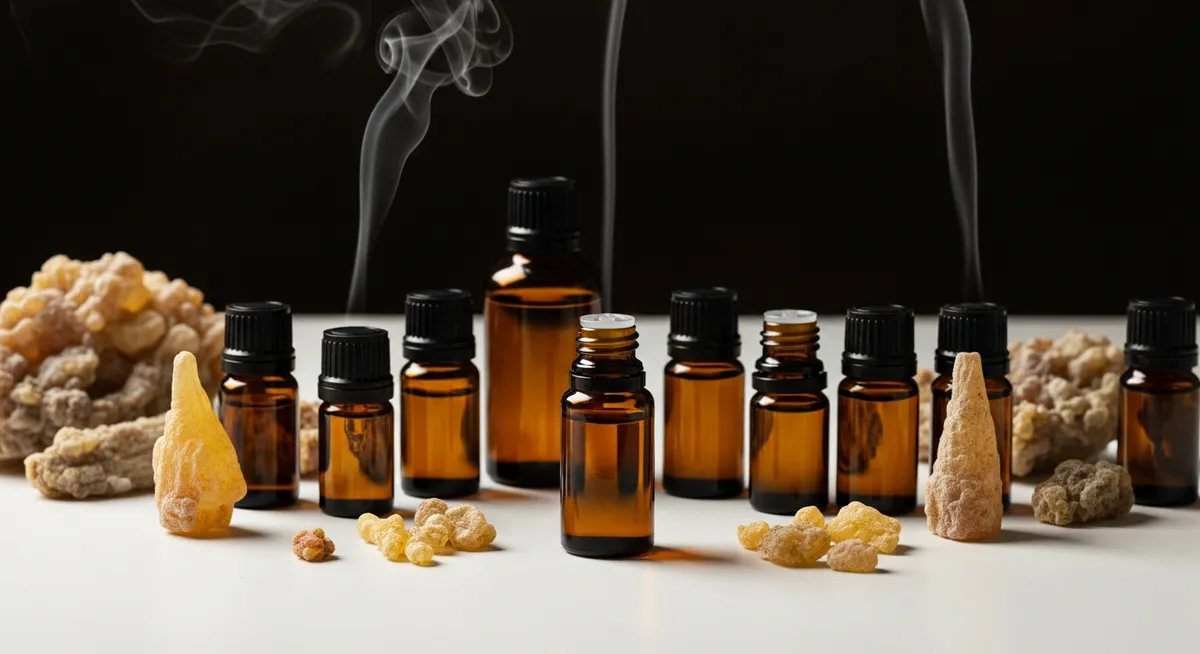
Six single-origin frankincense varieties, steam-distilled and GC/MS verified.
From $12.99
Shop Frankincense Oil →The frankincense market, in particular, has become saturated with grading claims that often confuse rather than clarify quality distinctions. Understanding the truth behind these marketing terms is essential for anyone seeking to make informed decisions about frankincense essential oils.
The Great Grading Myth: Why "Therapeutic Grade" Isn't What You Think
Myth #1: "Therapeutic Grade" Is an Official Quality Standard
The Claim: Many companies market their frankincense as "therapeutic grade," implying it meets specific quality standards that make it suitable for wellness applications.
The Truth: No official regulatory body—including the FDA, USDA, or any international organization—has established a "therapeutic grade" standard for essential oils. This term is purely a marketing designation created by individual companies to differentiate their products.
Research indicates that the essential oil industry operates largely without standardized grading systems. Unlike pharmaceuticals, which must meet strict FDA approval processes, essential oils are classified as cosmetics or aromatic products, falling under much looser regulatory oversight.
Why This Myth Persists: The term sounds official and reassuring to consumers who want confidence in their purchases. Companies capitalize on this desire for quality assurance by creating proprietary grading systems that appear authoritative.
Myth #2: Higher Prices Always Indicate Superior Quality
The Claim: Premium-priced frankincense oils labeled as "therapeutic grade" or "medical grade" are inherently higher quality than less expensive alternatives.
The Truth: Price alone is not a reliable indicator of frankincense quality. Some research suggests that marketing costs, brand positioning, and distribution channels often influence pricing more than actual quality differences.
Evidence indicates that several factors affect essential oil pricing beyond quality, including:
- Marketing and advertising expenses
- Multi-level marketing commission structures
- Brand positioning strategies
- Packaging and presentation costs
- Distribution channel markups
Why This Myth Persists: Consumers often equate higher prices with superior products across many industries. In the essential oil market, this assumption can lead to purchasing decisions based on cost rather than verified quality indicators.
Myth #3: All "Pure" Frankincense Oils Are Created Equal
The Claim: As long as frankincense essential oil is labeled "100% pure," it represents consistent quality regardless of source or processing methods.
The Truth: The term "pure" can be misleading without additional context. Research suggests that frankincense quality varies significantly based on factors that aren't reflected in simple purity claims.
Studies indicate that frankincense quality depends on multiple variables:
- Species and geographic origin (Boswellia carterii vs. Boswellia sacra)
- Harvesting methods and timing
- Distillation techniques and equipment
- Storage conditions and duration
- Processing facility standards
A comprehensive frankincense quality guide reveals that even "pure" oils can vary dramatically in chemical composition and aromatic profile depending on these factors.
Why This Myth Persists: The word "pure" suggests an absolute standard, leading consumers to believe all pure oils are equivalent. However, purity refers only to the absence of additives, not to quality consistency.
What Really Determines Frankincense Quality
Chemical Composition Analysis
Evidence indicates that the most reliable quality indicator for frankincense essential oil is its chemical composition, typically verified through Gas Chromatography-Mass Spectrometry (GC-MS) testing. This analytical method reveals the precise molecular makeup of the oil, allowing for quality assessment based on objective data rather than marketing claims.
Research suggests that high-quality frankincense oils contain specific ratios of key compounds, including:
- Alpha-pinene (25-45%)
- Limonene (10-20%)
- Alpha-thujene (5-15%)
- Sabinene (2-10%)
- Beta-pinene (2-8%)
A detailed GC-MS frankincense guide explains how to interpret these chemical profiles and understand what they reveal about oil quality and authenticity.
Source and Sustainability Factors
Studies indicate that frankincense quality begins at the source, with factors such as tree health, harvesting practices, and regional climate conditions significantly impacting the final product. Some research suggests that sustainably harvested frankincense from specific regions produces oils with superior aromatic profiles and chemical consistency.
Evidence points to several key sourcing factors that influence quality:
- Tree species and age
- Seasonal harvesting timing
- Traditional vs. commercial harvesting methods
- Post-harvest resin processing speed
- Storage conditions before distillation
Distillation Process Quality
Research indicates that distillation methods significantly impact frankincense essential oil quality. Traditional steam distillation, when properly executed, tends to preserve the oil's complex aromatic compounds better than some modern extraction methods.
Key distillation factors that evidence suggests affect quality include:
- Temperature control during distillation
- Distillation duration and pressure
- Equipment material and cleanliness
- Separation and collection techniques
- Post-distillation filtration methods
Red Flags: Marketing Terms That Should Raise Questions
Proprietary Grading Systems
Be cautious of companies that create their own grading systems with names like "Grade A+," "Premium Therapeutic," or "Medical Grade." These terms often lack standardized definitions and may serve more as marketing tools than quality indicators.
Learning how to spot fake frankincense includes recognizing when marketing language substitutes for transparent quality information.
Extreme Price Variations
Research suggests that while quality frankincense commands fair pricing due to sourcing and processing costs, extreme price variations within the same market often indicate marketing manipulation rather than quality differences.
Lack of Transparency
Evidence indicates that reputable frankincense suppliers provide detailed information about their sourcing, testing methods, and quality standards. Companies that rely heavily on grading terminology without supporting documentation may be using these terms to avoid providing concrete quality information.
How to Evaluate Frankincense Quality Without Grade Labels
Request Testing Documentation
Quality-focused suppliers typically provide GC-MS analysis reports, batch-specific testing results, and sourcing documentation. This transparent approach offers more valuable information than grade labels.
Examine Sourcing Information
Look for detailed information about the frankincense's origin, including specific regions, harvesting methods, and supplier relationships. This transparency often indicates a company's commitment to quality over marketing.
Evaluate Company Expertise
Research suggests that companies with deep expertise in frankincense—demonstrated through educational content, sourcing relationships, and industry knowledge—often provide higher quality products than those focused primarily on marketing claims.
Consider Sensory Evaluation
While subjective, the aroma, color, and consistency of frankincense essential oil can provide quality clues. High-quality frankincense typically exhibits a complex, well-balanced aromatic profile with clear, golden coloration and appropriate viscosity.
The Bottom Line on Essential Oil Grading
The truth about "therapeutic grade" frankincense is that this term—along with most grading claims in the essential oil industry—represents marketing language rather than regulated quality standards. Evidence indicates that genuine quality assessment requires examining concrete factors: chemical composition, sourcing practices, distillation methods, and testing documentation.
Rather than relying on grade labels, informed consumers can make better purchasing decisions by requesting transparency from suppliers, understanding what testing results reveal, and recognizing that quality frankincense comes from verifiable sources and processes, not marketing terminology.
The frankincense market's complexity requires educated consumers who look beyond surface-level claims to understand the real factors that determine oil quality. By focusing on substance over marketing, you can identify frankincense essential oils that truly deserve a place in your collection—regardless of how they're labeled.
Remember: Essential oils are not intended to diagnose, treat, cure, or prevent any disease. Always consult with a qualified healthcare provider before using essential oils for wellness purposes, especially if you have medical conditions or take medications.
Frankincense Essential Oil
Serrata, carterii, sacra, frereana, neglecta and rivae: steam-distilled, GC/MS verified, in sizes from 0.5 oz to bulk.
From $12.99
Shop Frankincense Oil →