Frankincense Oil and the Bible: What Scripture Actually Says (vs. What MLMs Claim)
In recent years, multi-level marketing companies have increasingly turned to biblical references to promote frankincense essential oil, creating a confusing blend of ancient scripture and modern marketing. While frankincense indeed holds profound significance in biblical texts, many commercial claims stretch far beyond what Scripture actually records.
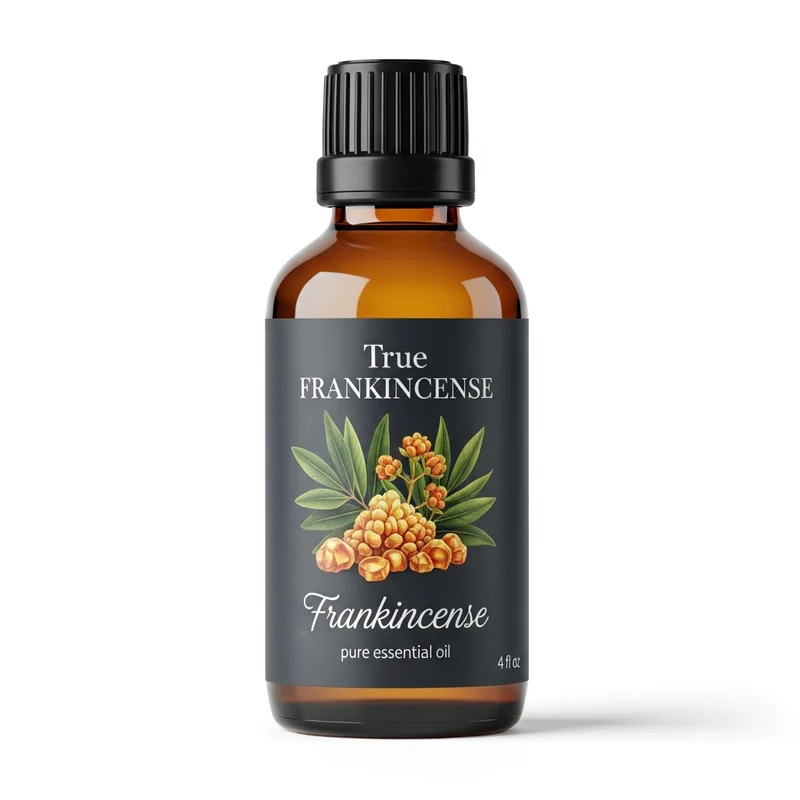
Frankincense Essential Oil
Six single-origin frankincense varieties, steam-distilled and GC/MS verified.
From $12.99
Shop Frankincense Oil →Understanding the authentic biblical context of frankincense helps us appreciate its true historical and spiritual significance, separate from contemporary marketing narratives that may misrepresent ancient wisdom for commercial purposes.
The Historical Context: What Frankincense Actually Was in Biblical Times
To understand biblical references to frankincense, we must first recognize what this substance represented in the ancient world. Frankincense's historical significance extends far beyond its aromatic properties—it was among the most precious commodities of the ancient world, often valued more highly than gold.
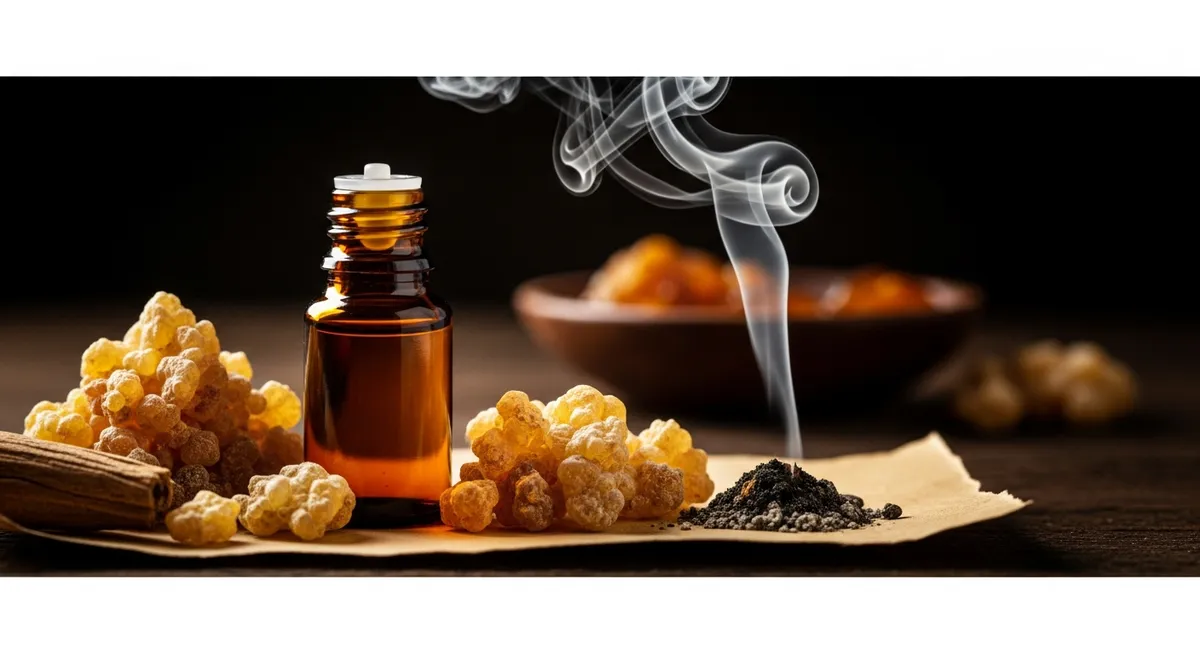
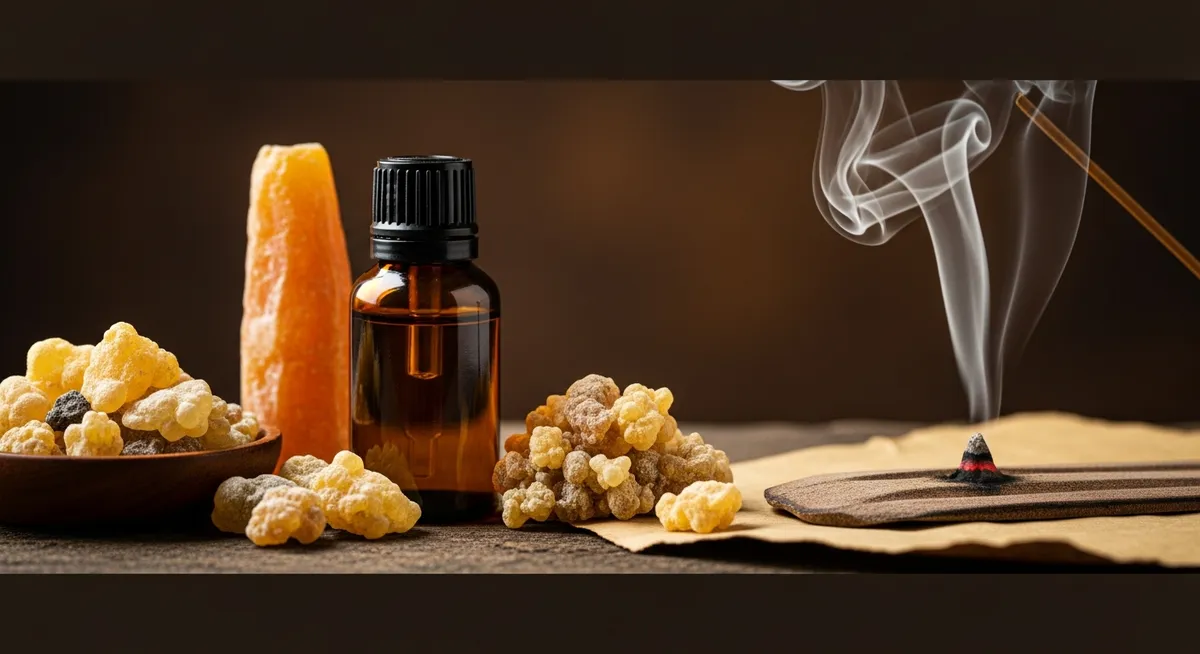
Archaeological evidence indicates that frankincense trade routes connected the Arabian Peninsula to Mediterranean civilizations, making this resin a symbol of wealth, divine connection, and international commerce. Biblical writers understood frankincense primarily as incense—a burned offering that produced fragrant smoke believed to carry prayers heavenward.
"The biblical frankincense was harvested resin burned as incense, not the distilled essential oil available today. These are fundamentally different substances with different applications."
Myth #1: "Jesus Was Anointed with Frankincense Oil for Soothing"
The Claim
Many MLM representatives suggest that the wise men brought frankincense oil to Jesus specifically for its supposed soothing properties, implying divine endorsement of aromatherapy practices.
The Biblical Truth
Scripture records that the magi brought "gold, frankincense, and myrrh" as gifts (Matthew 2:11). However, the text provides no indication these were oils, nor does it suggest they were used for any health-related purposes. Historical context suggests these were likely the raw resins—solid, aromatic substances burned as incense.
The significance of these gifts was symbolic: gold representing kingship, frankincense representing divinity (as it was used in temple worship), and myrrh representing mortality (as it was used in burial preparations). The traditional pairing of frankincense and myrrh in ancient times was primarily ceremonial and spiritual, not medicinal. Those drawn to that ceremonial tradition today can learn how to make a frankincense and myrrh anointing oil blend for their own devotional practice.
Why This Myth Persists
Modern essential oil marketing often conflates ancient practices with contemporary products. While frankincense was indeed precious and meaningful in biblical times, projecting modern aromatherapy concepts onto ancient texts creates anachronistic interpretations that serve commercial rather than scholarly purposes.
Myth #2: "The Bible Prescribes Frankincense as Medicine"
The Claim
Some marketing materials suggest that biblical references to frankincense constitute divine prescriptions for health issues, positioning essential oils as "biblical medicine."
The Biblical Truth
A comprehensive review of biblical texts reveals that frankincense is mentioned exclusively in ceremonial and worship contexts. The primary biblical references include:
- Temple incense formulations (Exodus 30:34-38)
- Grain offerings (Leviticus 2:1-2)
- The wise men's gifts (Matthew 2:11)
- Symbolic references in Revelation (Revelation 5:8, 8:3-4)
None of these passages describe frankincense being applied to the body for health purposes. Instead, they consistently present frankincense as an element of worship—burned to create fragrant smoke that symbolically carried prayers to God.
The Sacred Context
The sacred history of frankincense reveals its role as a bridge between earthly worship and divine presence. The elaborate instructions for temple incense in Exodus demonstrate frankincense's ceremonial importance, not its application as a topical substance.
Myth #3: "Biblical Characters Used Frankincense Oil Daily"
The Claim
Marketing narratives often suggest that biblical figures regularly used frankincense oil as part of their daily routines, implying long-standing tradition supports modern usage patterns.
The Historical Reality
Archaeological and historical evidence indicates that frankincense was far too precious for daily personal use. (See: NIH — Boswellia Research.) Even wealthy individuals would have reserved frankincense for special occasions. The common people of biblical times would rarely have encountered pure frankincense, much less used it regularly.
Temple priests, who had the most access to frankincense, used it exclusively for religious ceremonies. The detailed biblical instructions for incense preparation and use make no mention of personal applications outside of worship contexts.
Myth #4: "The Bible Guarantees Frankincense's Effectiveness"
The Claim
Some marketing approaches suggest that biblical mention of frankincense constitutes divine guarantee of its beneficial properties, implying that questioning its effectiveness questions biblical authority.
The Theological Truth
This represents a fundamental misunderstanding of biblical literature and interpretation. Scripture records historical events, cultural practices, and spiritual symbolism without necessarily endorsing every mentioned practice for contemporary use. Biblical mention of a substance doesn't constitute medical or therapeutic endorsement.
Responsible biblical interpretation distinguishes between descriptive passages (recording what happened) and prescriptive passages (commanding what should be done). References to frankincense fall into the descriptive category, providing historical and cultural context rather than contemporary directives.
The Authentic Biblical Significance of Frankincense
Spiritual Symbolism
The genuine biblical significance of frankincense lies in its spiritual symbolism. Ancient worship practices used frankincense's ascending smoke as a tangible representation of prayers rising to God. This symbolism appears throughout Scripture, from Old Testament temple practices to New Testament imagery in Revelation.
Economic and Cultural Context
Frankincense also represents the international nature of God's kingdom in biblical narrative. The wise men's journey from the East with precious gifts, including frankincense, foreshadows the inclusion of all nations in God's plan. This global perspective reflects frankincense's role in ancient international trade. We explore the enduring legacy of the magi's offering in our article on Christmas frankincense and the ancient gift of the wise men.
Modern Applications and Ancient Wisdom
While we should be cautious about misrepresenting biblical texts for commercial purposes, the historical reverence for frankincense does reflect genuine appreciation for this remarkable substance. Some research suggests that frankincense may offer various aromatic benefits when used appropriately, though these potential benefits should be evaluated through modern scientific methods rather than assumed based on ancient practices.
Individuals interested in incorporating frankincense into their routines should focus on its documented properties and proper usage guidelines rather than relying on anachronistic biblical interpretations. Always consult qualified healthcare providers before using essential oils, especially if you have health concerns or take medications.
Responsible Marketing and Biblical Integrity
The intersection of faith and commerce requires particular sensitivity. Companies that genuinely respect biblical tradition will:
- Acknowledge the difference between ancient resins and modern essential oils
- Present historical context accurately without exaggeration
- Avoid implying divine endorsement of commercial products
- Respect the sacred significance of biblical references
Consumers can evaluate marketing claims by researching actual biblical passages, understanding historical context, and distinguishing between authentic scholarship and commercial interpretation.
Conclusion: Honoring Both Scripture and Science
Frankincense deserves appreciation for its genuine historical significance, cultural importance, and potential contemporary applications. However, this appreciation should be grounded in accurate understanding of biblical texts, honest representation of historical practices, and responsible evaluation of modern research.
By separating authentic biblical scholarship from commercial marketing narratives, we can honor both the sacred traditions surrounding frankincense and the scientific approach needed to understand its contemporary applications. This balanced perspective allows us to appreciate frankincense's rich heritage while making informed decisions about its modern use.
The true biblical legacy of frankincense lies not in marketing claims but in its authentic role as a bridge between earthly worship and divine presence—a significance that transcends any commercial application and deserves our respect and accurate representation.
Frankincense Essential Oil
Serrata, carterii, sacra, frereana, neglecta and rivae: steam-distilled, GC/MS verified, in sizes from 0.5 oz to bulk.
From $12.99
Shop Frankincense Oil →