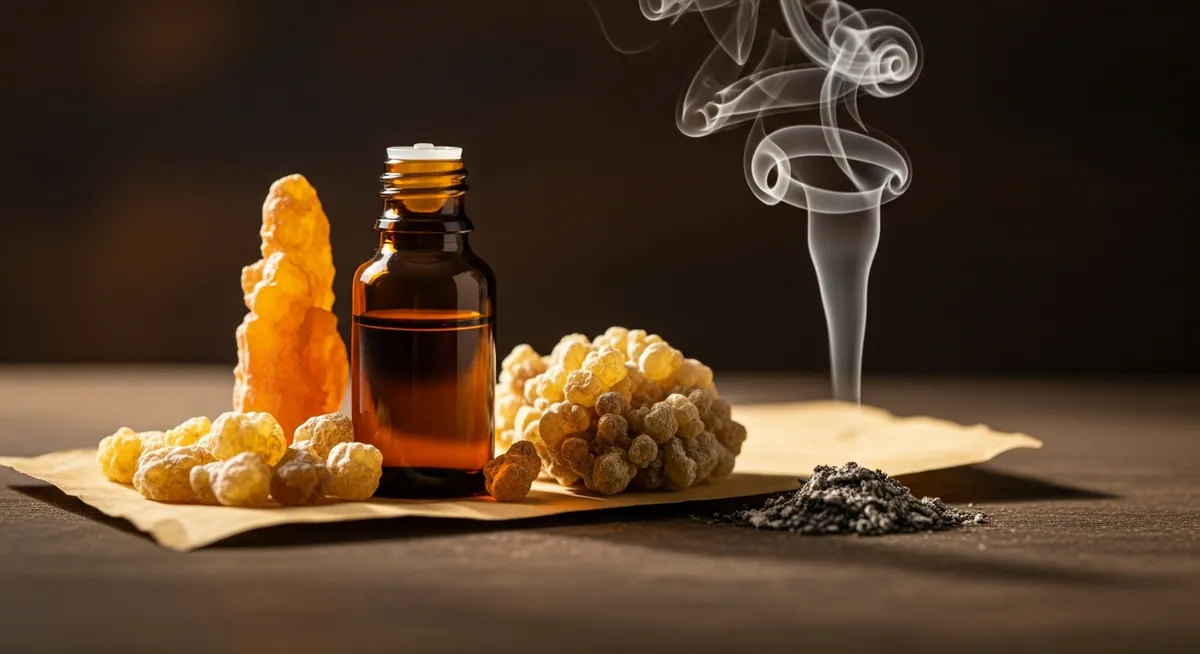
Can You Really Ingest Frankincense Essential Oil? Separating Fact from Fiction
The question of whether frankincense essential oil can be safely ingested has become one of the most contentious topics in the essential oil community. With conflicting information spreading across social media, wellness blogs, and even some product labels, it's time to separate myth from reality with evidence-based information.
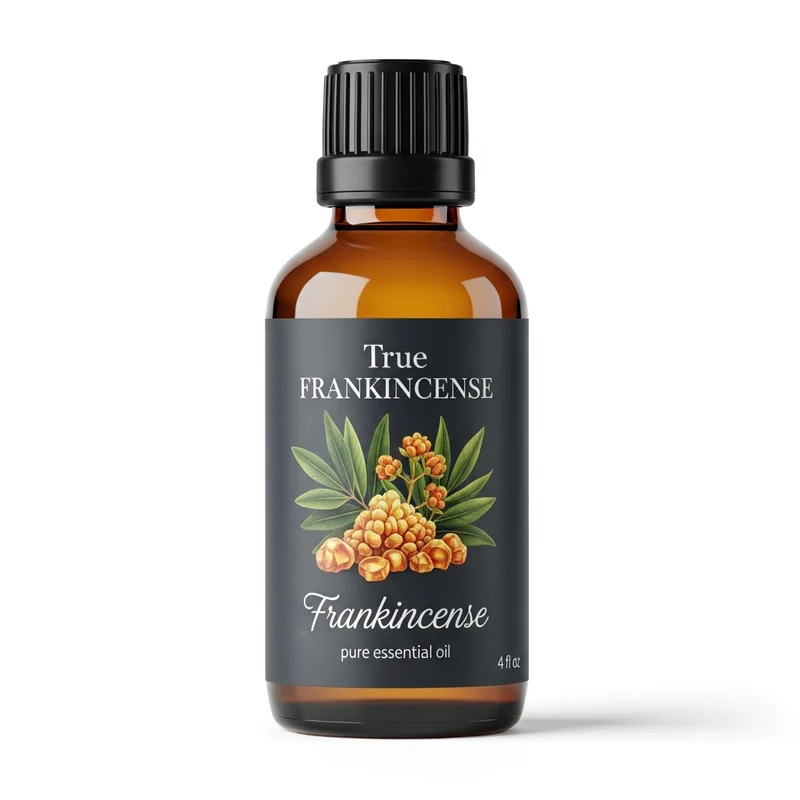
Frankincense Essential Oil
Six single-origin frankincense varieties, steam-distilled and GC/MS verified.
From $12.99
Shop Frankincense Oil →This comprehensive examination explores the most persistent myths surrounding frankincense internal use, examining what current research suggests and why these misconceptions continue to circulate in wellness circles.
The Origins of Internal Use Confusion
The confusion around ingesting frankincense essential oil often stems from conflating different forms of frankincense. Boswellia serrata extracts, frankincense resin preparations, and essential oils are entirely different substances with distinct safety profiles and concentrations. This fundamental misunderstanding has created a dangerous knowledge gap in the wellness community.
Essential oils represent highly concentrated plant compounds—typically 50 to 100 times more potent than the original plant material. What might be safe in resin form or as a standardized extract doesn't automatically translate to essential oil safety, particularly for frankincense internal use considerations.
Myth #1: "Frankincense Essential Oil is Safe to Ingest Because It's Natural"
The Myth
This widespread belief suggests that because frankincense comes from a natural source and has been used historically, the essential oil must be safe for internal consumption. Proponents often cite ancient practices and the "natural equals safe" fallacy.
The Truth
Research indicates that "natural" doesn't automatically mean "safe for ingestion." Essential oils undergo significant concentration during distillation, creating chemical profiles that differ dramatically from their source materials. Studies on essential oil toxicity suggest that concentration levels in essential oils can reach potentially harmful thresholds when ingested.
Evidence from aromatherapy safety research indicates that even "food-grade" essential oils can cause adverse reactions when consumed, including gastrointestinal irritation, allergic responses, and interactions with medications.
Why This Myth Persists
The myth endures because people conflate different forms of frankincense. Ancient texts describe burning frankincense resin or preparing infusions from plant material—not consuming concentrated essential oils, which didn't exist in antiquity using modern distillation methods.
Myth #2: "GRAS Status Means All Essential Oils Are Safe to Ingest"
The Myth
Some frankincense essential oil products reference "Generally Recognized as Safe" (GRAS) status, leading consumers to believe this designation applies to essential oil ingestion across the board.
The Truth
Evidence indicates that GRAS status applies to specific compounds in specific concentrations for specific uses—typically as flavoring agents in minute quantities. The FDA's GRAS database doesn't provide blanket approval for essential oil consumption in therapeutic or supplement-like quantities.
Research suggests that GRAS compounds become potentially problematic when consumed in concentrations far exceeding their intended flavoring applications. A few drops of essential oil can contain compound concentrations equivalent to consuming pounds of the original plant material.
Why This Myth Persists
Marketing materials often oversimplify regulatory classifications, and consumers may not understand the nuanced distinctions between flavoring use, aromatherapy applications, and therapeutic consumption claims.
Myth #3: "If It's in a Gelcap, It Must Be Safe"
The Myth
The presence of frankincense essential oil in encapsulated form leads some to assume these products have undergone safety testing and approval for internal use.
The Truth
Evidence suggests that encapsulation doesn't inherently make essential oils safer for ingestion. Research indicates that gelcaps may actually concentrate exposure to potentially irritating compounds by delivering them directly to the digestive system without dilution.
Studies examining essential oil encapsulation suggest that this delivery method can increase the risk of gastrointestinal irritation and may interfere with the body's natural protective mechanisms that would normally limit exposure to concentrated plant compounds.
Why This Myth Persists
The professional appearance of encapsulated products creates an impression of pharmaceutical-grade safety testing, even when such testing hasn't occurred or isn't required for dietary supplements.
Myth #4: "Therapeutic Grade Oils Are Safe for Internal Use"
The Myth
Marketing terms like "therapeutic grade" or "certified pure" are often interpreted as safety certifications for internal consumption.
The Truth
Research indicates that these terms aren't regulated classifications and don't indicate safety for ingestion. (See: NIH — Boswellia Research.) Evidence suggests that even the highest quality essential oils can pose risks when consumed, regardless of purity or grade designations.
Studies examining essential oil quality standards suggest that purity and therapeutic effectiveness don't automatically translate to ingestion safety. Some of the most pure and potent essential oils may actually pose greater risks when consumed due to their concentrated nature.
Why This Myth Persists
Marketing language often blurs the lines between quality certification and safety approval, leading consumers to make incorrect assumptions about appropriate usage methods.
Myth #5: "Small Amounts Are Always Safe"
The Myth
The "just a drop or two" mentality suggests that minimal quantities of frankincense essential oil pose no ingestion risks.
The Truth
Evidence from toxicology research suggests that even small amounts of concentrated essential oils can cause adverse reactions in sensitive individuals. Studies indicate that essential oil sensitivity can develop over time, and reactions may be unpredictable regardless of quantity consumed.
Research examining essential oil pharmacokinetics suggests that these concentrated compounds can accumulate in the body and potentially interact with medications or underlying health conditions in ways that aren't immediately apparent.
Why This Myth Persists
The delayed or subtle nature of some adverse reactions can make it difficult for individuals to connect symptoms with essential oil consumption, perpetuating the belief that small amounts are universally safe.
What Current Research Actually Suggests
Current scientific literature on essential oil ingestion presents a complex picture. Some research suggests potential benefits from frankincense compounds, but these studies typically examine standardized extracts rather than essential oils, use controlled laboratory conditions, and often involve animal models rather than human subjects.
Evidence from safety databases indicates that essential oil ingestion reports to poison control centers have increased significantly in recent years, with gastrointestinal symptoms being the most common complaint.
Research examining essential oil metabolism suggests that the human digestive system isn't optimally designed to process these highly concentrated compounds, potentially leading to unpredictable absorption rates and effects.
The Safer Alternatives
For those interested in frankincense's potential wellness applications, evidence suggests several safer approaches than essential oil ingestion:
- Aromatherapy applications: Research indicates that inhalation methods may provide benefits without ingestion risks
- Topical use with proper dilution: Studies suggest diluted frankincense oil may support skin wellness when applied externally
- Standardized extracts: Evidence indicates that researched Boswellia extracts undergo safety testing that essential oils typically don't receive
- Traditional resin preparations: Historical methods of frankincense use may offer a middle ground between modern essential oils and ancient practices
For comprehensive guidance on safe frankincense applications, consult our detailed frankincense safety guide.
Red Flags to Watch For
Evidence-based evaluation suggests being cautious of sources that:
- Make definitive medical claims about essential oil ingestion
- Dismiss safety concerns without citing peer-reviewed research
- Suggest replacing medical approach with essential oil consumption
- Use testimonials as primary evidence rather than scientific studies
- Claim that their particular brand or grade eliminates safety concerns
Making Informed Decisions
When evaluating frankincense essential oil information, research suggests prioritizing sources that:
- Cite peer-reviewed scientific literature
- Acknowledge both potential benefits and risks
- Distinguish between different forms of frankincense
- Recommend consultation with qualified healthcare providers
- Present balanced perspectives rather than absolute claims
For additional context on common misconceptions, explore our comprehensive frankincense myths list.
The Bottom Line
Current evidence suggests that the question of frankincense essential oil ingestion isn't as straightforward as many sources claim. While research continues to examine frankincense compounds and their potential applications, the concentrated nature of essential oils presents unique considerations that differ significantly from traditional frankincense use.
The most prudent approach, according to aromatherapy safety experts, involves supporting essential oils as potent substances requiring careful consideration rather than casual consumption. When in doubt, evidence consistently supports consulting with qualified healthcare providers who can provide personalized guidance based on individual health profiles and circumstances.
As our understanding of essential oil science continues to evolve, staying informed through evidence-based sources and maintaining a healthy skepticism of absolute claims remains the wisest path forward for anyone interested in frankincense's remarkable properties.
Frankincense Essential Oil
Serrata, carterii, sacra, frereana, neglecta and rivae: steam-distilled, GC/MS verified, in sizes from 0.5 oz to bulk.
From $12.99
Shop Frankincense Oil →