Does Frankincense Oil Really Remove Wrinkles? What Clinical Evidence Shows
In the world of natural skincare, few ingredients inspire as much mystique—and as many bold claims—as frankincense essential oil. From ancient Egyptian beauty rituals to modern Instagram influencers, this precious resin has been heralded as a fountain of youth in a bottle. But does frankincense oil truly possess the wrinkle-erasing powers attributed to it, or have we fallen prey to well-meaning but scientifically unsupported myths?
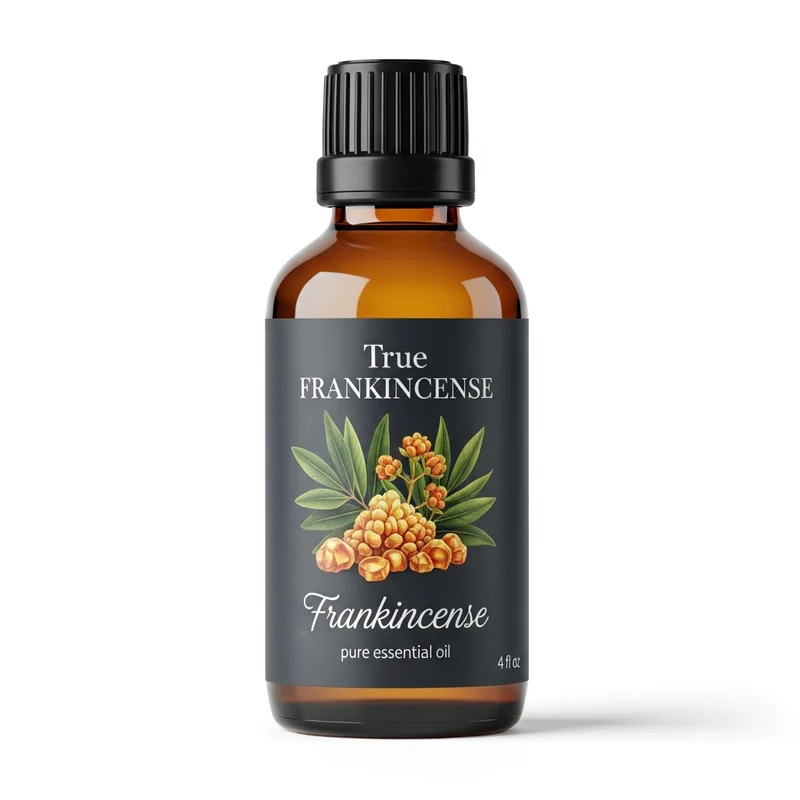
Frankincense Essential Oil
Six single-origin frankincense varieties, steam-distilled and GC/MS verified.
From $12.99
Shop Frankincense Oil →As discerning consumers increasingly seek evidence-based answers about their skincare investments, it's time to examine what clinical research actually reveals about frankincense and aging skin. Let's separate the marketing hype from the scientific reality, exploring both the promising research and the limitations of current evidence.
The Origins of Frankincense Anti-Aging Claims
The association between frankincense and youthful skin isn't merely a modern marketing invention. Historical texts from ancient Egypt, India, and the Middle East document the use of frankincense resin in cosmetic preparations for nobility and religious figures. Cleopatra herself was said to have incorporated frankincense into her beauty regimen, though historical accounts of such practices often blend fact with legend.
In traditional Ayurvedic and Chinese medicine systems, frankincense (known as "ru xiang" in Traditional Chinese Medicine) has been used for centuries in formulations intended to support skin health. However, it's crucial to understand that traditional use, while valuable for research direction, doesn't constitute scientific proof of specific effects.
The modern resurgence of interest in frankincense for skin applications has been fueled by several factors: the clean beauty movement, increased interest in natural alternatives to synthetic skincare ingredients, and preliminary research suggesting certain beneficial properties of frankincense compounds.
Myth #1: "Frankincense Oil Erases Wrinkles Overnight"
The Myth
Perhaps the most pervasive claim circulating in natural beauty circles is that frankincense essential oil can dramatically reduce or eliminate wrinkles within days or weeks of application. Social media testimonials often feature before-and-after photos claiming miraculous transformations from consistent frankincense oil use.
The Scientific Reality
Current clinical evidence does not support claims that frankincense oil can "erase" or "remove" wrinkles. While some studies have examined the effects of frankincense compounds on skin cells in laboratory settings, these findings cannot be directly translated to dramatic wrinkle reduction in human skin.
A 2016 study published in the Journal of Traditional and Complementary Medicine examined the effects of frankincense oil on human skin fibroblasts (cells responsible for collagen production) in laboratory conditions. The research suggested that certain compounds in frankincense may support cellular activity related to skin structure, but the study authors were careful to note that laboratory results don't necessarily predict real-world skin benefits.
Why This Myth Persists
The persistence of dramatic wrinkle-removal claims stems from several factors. First, frankincense oil may indeed provide some temporary skin-smoothing effects through hydration and the occlusive properties of carrier oils typically used for dilution. Additionally, the ritual of regular facial massage during oil application can temporarily improve circulation and skin appearance, creating a short-term improvement that users may attribute solely to the frankincense.
Myth #2: "All Frankincense Oils Have Anti-Aging Properties"
The Myth
Many consumers assume that any product labeled "frankincense oil" will deliver anti-aging benefits, regardless of the species, extraction method, or quality of the oil.
The Scientific Reality
Research indicates that the chemical composition—and therefore potential skin benefits—of frankincense oils varies significantly depending on several factors:
- Species variation: Boswellia serrata, Boswellia carterii, and Boswellia sacra each contain different concentrations of bioactive compounds
- Extraction method: Steam distillation versus CO2 extraction produces oils with different chemical profiles
- Geographic origin: Environmental factors affect the composition of the source resin
- Processing and storage: Exposure to light, heat, and oxygen can degrade beneficial compounds
A comparative analysis published in the International Journal of Molecular Sciences found significant variations in the levels of α-pinene, limonene, and other potentially beneficial compounds across different frankincense oil samples. This suggests that quality and sourcing matter significantly when evaluating potential skin benefits.
Why This Myth Persists
The complexity of frankincense chemistry isn't widely understood by consumers, and marketing materials often treat all frankincense oils as equivalent. Additionally, the lack of standardization in the essential oil industry means that products with vastly different compositions may carry similar labels and claims.
Myth #3: "Clinical Studies Prove Frankincense Reverses Aging"
The Myth
Some sources claim that numerous clinical studies have definitively proven frankincense oil's ability to reverse signs of aging, citing these studies as conclusive evidence for anti-aging efficacy.
The Scientific Reality
While research on frankincense and skin health is growing, the current body of clinical evidence is limited and preliminary. Most studies examining frankincense compounds and skin have been conducted in laboratory settings using isolated cells or animal models, rather than comprehensive human clinical trials.
The few human studies that do exist typically focus on specific frankincense compounds or prepared formulations rather than pure essential oil applied topically. For example, a 2018 study examined the effects of a cream containing frankincense extract (not essential oil) on skin elasticity and hydration, showing modest improvements over placebo. However, this study involved multiple active ingredients, making it difficult to isolate frankincense's specific contributions.
Research does suggest that certain compounds found in frankincense, such as boswellic acids, may have properties that could theoretically benefit skin health. (See: NIH — Boswellia Research.) However, it's important to note that essential oils typically contain only trace amounts of these compounds, as they're primarily found in alcohol and water-based extracts rather than steam-distilled oils.
Why This Myth Persists
The gap between preliminary research and definitive clinical proof is often lost in translation as studies move from academic journals to popular media. Additionally, the natural products industry sometimes presents laboratory studies and traditional use as equivalent to clinical proof, contributing to consumer confusion about the strength of available evidence.
What the Evidence Actually Suggests
While frankincense oil may not be the miracle wrinkle-eraser that some claim, research does indicate several properties that could potentially support skin health when used as part of a comprehensive frankincense anti-aging routine:
Antioxidant Activity
Studies have shown that frankincense oil contains compounds with antioxidant properties, which may help protect skin cells from oxidative stress. A 2019 analysis found that frankincense essential oil demonstrated significant antioxidant activity in laboratory tests, though the practical implications for topical skin application remain under investigation.
Potential Anti-Inflammatory Effects
Some research suggests that certain frankincense compounds may have anti-inflammatory properties. Since chronic inflammation is believed to contribute to skin aging, this could theoretically be beneficial for overall skin health, though more research is needed to confirm these effects in human skin.
Moisturizing Properties
When properly diluted in carrier oils, frankincense oil can contribute to skin hydration, which may temporarily improve the appearance of fine lines by plumping the skin. However, this effect is primarily due to moisturization rather than structural changes to the skin.
Safe and Realistic Expectations for Frankincense Use
For those interested in incorporating frankincense oil into their skincare routine, realistic expectations and proper safety measures are essential:
Proper Dilution Is Critical
Frankincense essential oil should always be diluted before topical application. A typical dilution ratio for facial use is 1-2 drops of essential oil per teaspoon of carrier oil. Undiluted essential oils can cause skin irritation, sensitization, or allergic reactions.
Patch Testing
Before using any new essential oil on your face, perform a patch test on a small area of skin and wait 24-48 hours to check for adverse reactions.
Realistic Timeframes
Any potential benefits from frankincense oil would likely develop gradually over months of consistent use, not days or weeks. Dramatic overnight changes in wrinkles or skin texture should not be expected.
Those interested in creating their own formulations might consider exploring frankincense face serum DIY recipes that combine properly diluted frankincense oil with other beneficial ingredients.
The Verdict: Separating Hope from Hype
The question "does frankincense reduce wrinkles" doesn't have a simple yes or no answer based on current scientific evidence. While frankincense oil shows promise in laboratory studies and may offer some skin-supporting properties, the dramatic anti-aging claims often associated with it are not supported by robust clinical evidence.
This doesn't mean frankincense oil is without merit for skincare enthusiasts. When used safely and with realistic expectations, it may contribute to an overall skin wellness routine. However, consumers should be wary of products or claims that promise dramatic wrinkle reduction or age reversal.
For those dealing with significant signs of aging, consulting with a qualified dermatologist or skincare professional remains the most prudent approach. These experts can recommend evidence-based treatments and help evaluate whether natural options like frankincense oil might complement a broader skincare strategy.
Moving Forward: The Future of Frankincense Research
The growing interest in natural skincare ingredients is driving increased research into frankincense and other traditional beauty substances. Future studies may provide more definitive answers about frankincense oil's potential benefits and limitations for skin health.
Until then, the most responsible approach is to appreciate frankincense oil for what current evidence suggests it might offer—a luxurious sensory experience, potential antioxidant support, and modest moisturizing properties—while remaining skeptical of dramatic anti-aging claims that exceed the current scientific foundation.
As with any skincare ingredient, the key lies in informed use, realistic expectations, and integration into a comprehensive approach to skin health that includes proven fundamentals like sun protection, hydration, and professional care when needed.
Frankincense Essential Oil
Serrata, carterii, sacra, frereana, neglecta and rivae: steam-distilled, GC/MS verified, in sizes from 0.5 oz to bulk.
From $12.99
Shop Frankincense Oil →