Does Frankincense Oil Support a clean environment and Viruses? What Lab Studies Actually Prove
In the world of essential oils, few substances have captured public imagination quite like frankincense. Ancient texts speak of its purifying powers, modern wellness circles tout its antimicrobial benefits, and countless online sources make bold claims about its ability to support a clean environment and viruses. But what does the scientific evidence actually say?
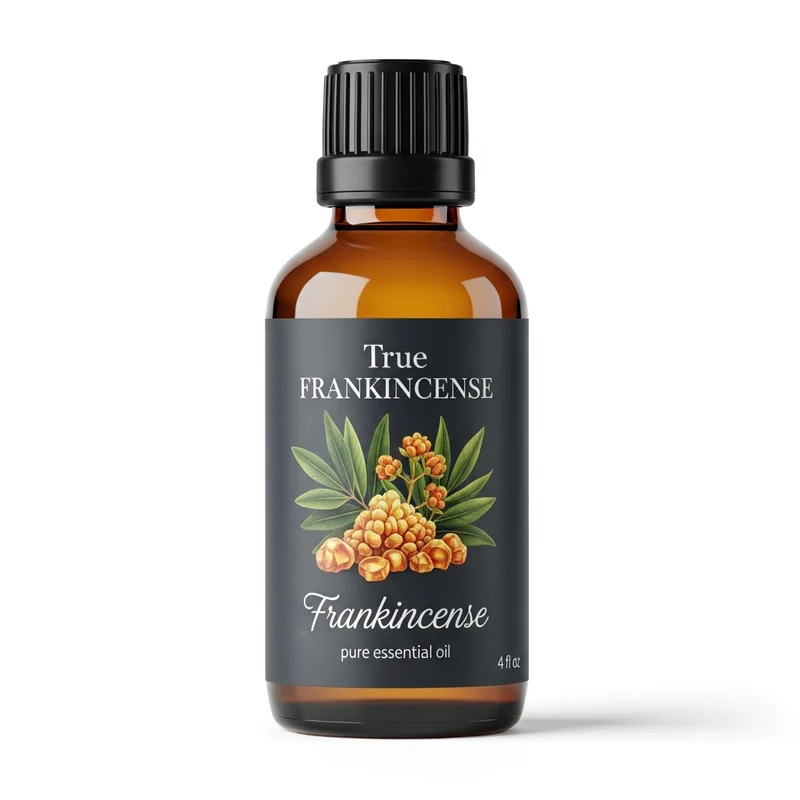
Frankincense Essential Oil
Six single-origin frankincense varieties, steam-distilled and GC/MS verified.
From $12.99
Shop Frankincense Oil →As frankincense continues to gain popularity in natural wellness circles, it's crucial to separate marketing myths from laboratory realities. While this precious oil certainly possesses fascinating properties that researchers are still exploring, many claims circulating online far exceed what current evidence supports.
Understanding Antimicrobial Research: The Foundation
Before diving into specific myths and facts, it's important to understand how antimicrobial research works. When scientists study whether a substance has antibacterial or antiviral properties, they typically begin with in vitro studies—laboratory tests conducted in petri dishes or test tubes, outside of living organisms.
These initial studies are valuable for understanding basic mechanisms, but they don't automatically translate to real-world effectiveness. A substance that shows antimicrobial activity in a lab dish may behave very differently in the complex environment of the human body, where factors like concentration, absorption, and interaction with other substances all play crucial roles.
Myth #1: "Frankincense Oil is a Natural Antibiotic That Kills All Bacteria"
The Reality
This sweeping claim significantly oversimplifies the research findings. While some laboratory studies have observed antimicrobial activity in frankincense oil, the results are far more nuanced than this myth suggests.
Research published in various scientific journals indicates that certain compounds found in frankincense, particularly boswellic acids and monoterpenes, may demonstrate antibacterial properties against specific bacterial strains in controlled laboratory conditions. However, these findings come with important caveats:
- Activity varies dramatically between different bacterial species
- Effectiveness depends heavily on concentration and preparation method
- Results are inconsistent across different frankincense varieties and sources
- Laboratory conditions don't replicate real-world scenarios
Why This Myth Persists
The myth of frankincense as a "natural antibiotic" likely stems from its historical use in religious and cultural practices involving purification rituals, combined with selective interpretation of preliminary research findings. Ancient cultures did use frankincense in contexts where cleanliness mattered, but this doesn't necessarily indicate understood antimicrobial properties.
Myth #2: "Studies Prove Frankincense Has been studied for its relationship with viruses"
The Reality
The evidence for antiviral activity in frankincense oil is even more limited than antibacterial research. While some studies have examined essential oils' potential antiviral properties, few have specifically focused on frankincense, and those that exist show mixed results.
Some research suggests that certain compounds in frankincense may interfere with viral replication in laboratory settings, but these findings are preliminary and require significant additional investigation. Important limitations include:
- Most studies focus on other essential oils rather than frankincense specifically
- Antiviral testing is complex and requires specialized protocols
- Different virus types respond differently to various compounds
- Laboratory concentrations may not be achievable or safe in practical applications
Context Behind the Myth
The antiviral myth often conflates frankincense with other essential oils that have received more extensive study, or extrapolates from its traditional use during times of illness without considering other factors that may have contributed to perceived benefits.
Myth #3: "Frankincense Can Replace Medical Treatments for Infections"
The Reality
This dangerous misconception represents one of the most problematic myths surrounding frankincense antimicrobial claims. No current evidence supports using frankincense oil as a replacement for established medical treatments for bacterial or viral infections.
Even if frankincense demonstrated consistent antimicrobial activity in laboratory settings, several factors would prevent it from serving as a medical approach:
- Dosage standardization remains unclear
- Safety profiles for therapeutic concentrations are unknown
- Drug interactions have not been thoroughly studied
- Regulatory approval processes exist for important safety reasons
The Dangerous Origins of This Myth
This myth typically develops from combining legitimate research findings with unfounded extrapolation, often promoted by sources more interested in selling products than providing accurate health information.
What the Research Actually Shows
When examined objectively, frankincense antimicrobial research reveals a complex picture that defies simple characterization. Some studies have indeed observed interesting properties worth further investigation:
Antibacterial Observations
Several laboratory studies have noted that frankincense oil extracts may demonstrate activity against certain bacterial strains, including some associated with oral health concerns. However, these observations typically require high concentrations and specific preparation methods.
Research suggests that the antibacterial activity, when present, may be attributed to compounds like α-pinene, limonene, and various boswellic acid derivatives. (See: NIH — Boswellia Research.) The effectiveness appears to vary significantly based on:
- Frankincense species (Boswellia serrata, B. carterii, etc.)
- Extraction and processing methods
- Storage conditions and age of the oil
- Testing methodologies used
Antiviral Research Gaps
The antiviral research landscape for frankincense remains notably sparse. While some studies have examined essential oil blends or other Boswellia-derived compounds, direct evidence for frankincense oil's antiviral properties is limited and preliminary.
Important Study Limitations
Most antimicrobial research on frankincense suffers from common limitations that affect interpretation:
- Small sample sizes: Many studies examine only a few bacterial or viral strains
- Lack of standardization: Different studies use varying oil preparations and testing methods
- Publication bias: Studies showing positive results are more likely to be published
- Limited replication: Few findings have been confirmed by independent research groups
The Role of Quality and Sourcing
One factor that significantly complicates frankincense antimicrobial research is the dramatic variation in oil quality and composition. Unlike pharmaceutical compounds with standardized formulations, essential oils can vary tremendously based on:
- Geographic origin and growing conditions
- Harvesting techniques and timing
- Processing and distillation methods
- Storage and handling practices
- Adulteration with synthetic compounds
This variation means that positive results from one study may not be replicable with oils from different sources, making it difficult to draw broad conclusions about "frankincense" as a category.
Practical Implications for Consumers
Given the current state of research, how should consumers approach frankincense antimicrobial claims?
Realistic Expectations
While frankincense oil may possess some antimicrobial properties in certain contexts, it's important to maintain realistic expectations. The oil may support general wellness practices when used appropriately, but it should not be viewed as a substitute for proven medical treatments.
Some people incorporate frankincense into their wellness routines for its pleasant aroma and traditional associations with purification, which may contribute to a sense of cleanliness and well-being. This psychological component, while not antimicrobial in nature, can be valuable in its own right.
Safety Considerations
Those interested in exploring frankincense for wellness purposes should prioritize safety:
- Always dilute essential oils properly before topical use
- Perform patch tests to check for allergic reactions
- Consult healthcare providers before using during pregnancy or with medical conditions
- Never ingest essential oils without professional guidance
- Store oils safely away from children and pets
The Future of Frankincense Antimicrobial Research
While current evidence doesn't support the bold antimicrobial claims often made about frankincense, the research landscape continues to evolve. Future studies may provide clearer insights into:
- Standardized testing methodologies for essential oil antimicrobial activity
- Identification of specific active compounds and their mechanisms
- Optimal concentration ranges for various applications
- Synergistic effects when combined with other natural compounds
- Safety profiles for different usage scenarios
Scientists are also exploring how frankincense might support general immune system function and skin health through mechanisms that don't necessarily involve direct antimicrobial action.
Conclusion: Balancing Tradition with Science
The question of whether frankincense oil has been studied for its relationship with bacteria and viruses doesn't have a simple yes or no answer. Laboratory evidence suggests some antimicrobial activity under specific conditions, but this falls far short of the dramatic claims often circulated online.
Rather than viewing frankincense through the lens of exaggerated antimicrobial claims, we can appreciate it for what the evidence does support: a complex aromatic oil with a rich cultural history and potential wellness applications that deserve continued scientific investigation.
For consumers, the key lies in approaching frankincense with informed expectations, prioritizing quality sourcing, using proper safety precautions, and maintaining the perspective that essential oils complement rather than replace conventional medical care when dealing with infectious diseases.
As research continues to evolve, we may develop a clearer understanding of frankincense's true antimicrobial potential. Until then, the most responsible approach is to appreciate this ancient oil for its confirmed qualities while remaining skeptical of unsupported claims about its ability to support cleanliness.
Frankincense Essential Oil
Serrata, carterii, sacra, frereana, neglecta and rivae: steam-distilled, GC/MS verified, in sizes from 0.5 oz to bulk.
From $12.99
Shop Frankincense Oil →