The Complete Guide to Frankincense Essential Oil: Benefits, Uses, and Everything You Need to Know
For over 5,000 years, frankincense has been revered as one of the world's most precious aromatic substances. Known as the "king of oils," frankincense essential oil continues to captivate modern wellness enthusiasts with its complex fragrance profile and rich cultural heritage. This comprehensive guide explores everything you need to know about frankincense oil, from its ancient origins to contemporary applications in aromatherapy and personal care.
Frankincense Essential Oil
Six single-origin frankincense varieties, steam-distilled and GC/MS verified.
From $10.99
Shop Frankincense Oil →Key Takeaways
- Frankincense essential oil is steam-distilled from Boswellia tree resin, primarily sourced from Oman, Somalia, and India
- The oil contains bioactive compounds like alpha-pinene, limonene, and boswellic acids that contribute to its distinctive properties
- Quality varies significantly based on species, harvesting methods, and distillation techniques
- Traditional uses span religious ceremonies, meditation practices, and skincare applications
- Modern aromatherapy incorporates frankincense for creating calming environments and supporting mindfulness practices
- Proper dilution and safety guidelines are essential for topical use
Table of Contents
- What is Frankincense Essential Oil?
- Chemical Composition and Active Compounds
- Species, Sourcing, and Quality Factors
- Traditional Uses and Cultural Significance
- Modern Applications and Uses
- Aromatherapy and Emotional Wellness
- Safety Guidelines and Best Practices
- How to Choose High-Quality Frankincense Oil
What is Frankincense Essential Oil?
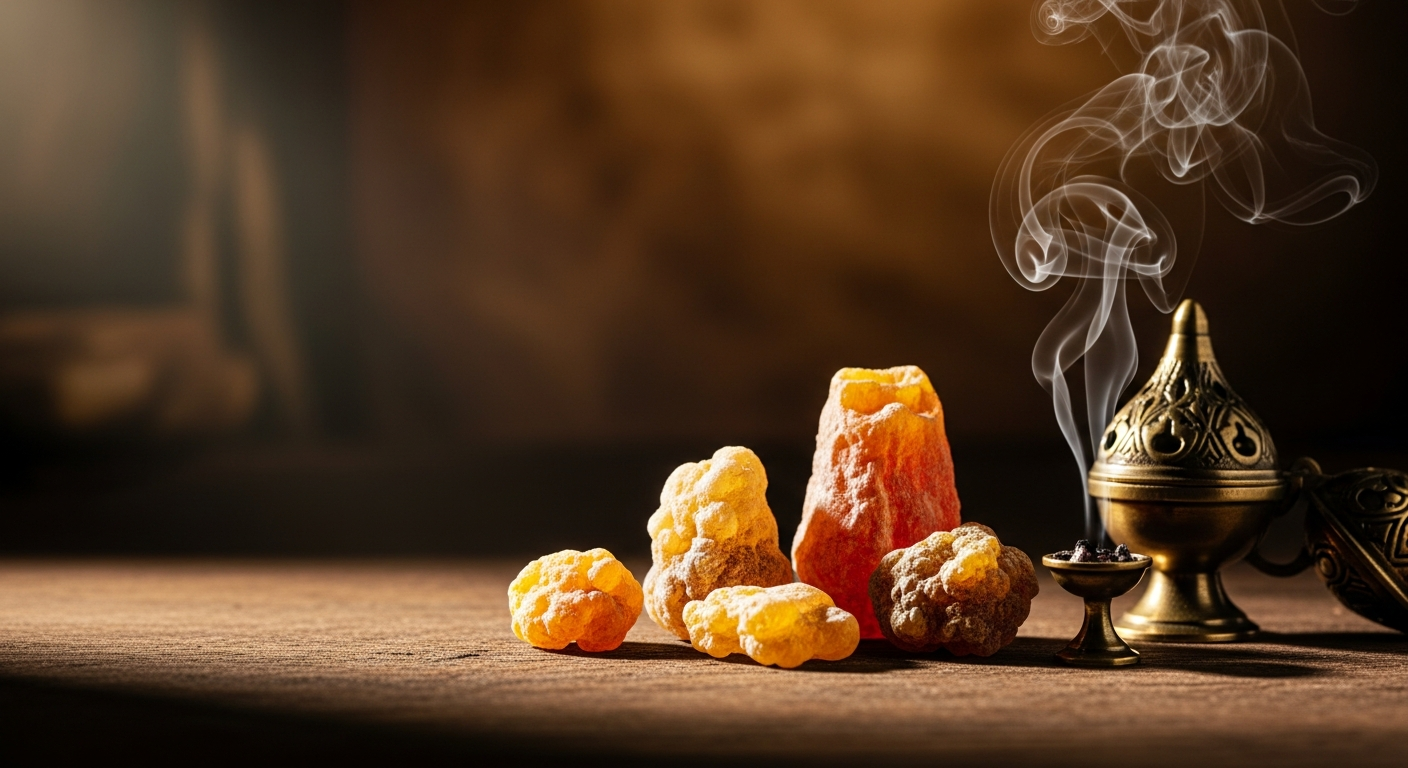
Frankincense essential oil is derived from the aromatic resin of Boswellia trees, which grow in the arid regions of Somalia, Oman, Yemen, and parts of India and Pakistan. The production process begins when the bark of these ancient trees is scored, allowing the tree to "weep" amber-colored resin tears that harden upon exposure to air.
The Extraction Process
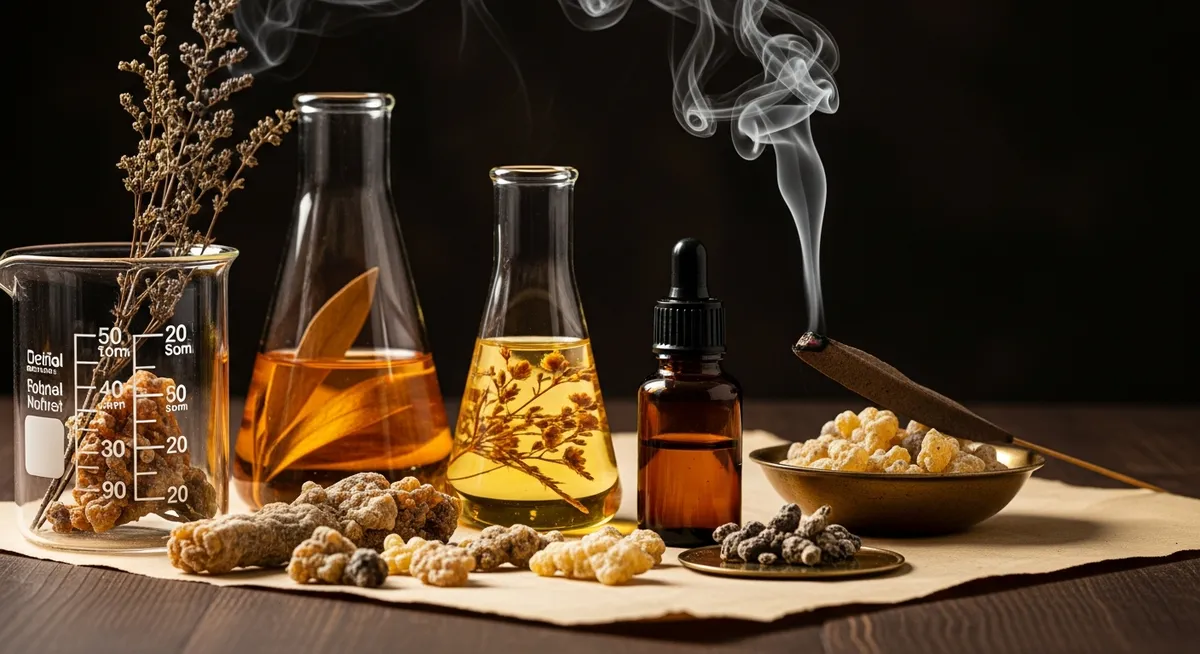
The transformation from raw resin to essential oil involves careful steam distillation. Fresh or aged resin is placed in distillation chambers where steam passes through the material, carrying volatile aromatic compounds upward. As the steam cools and condenses, it separates into two distinct layers: the hydrosol (aromatic water) and the precious essential oil that floats on the surface.
This process typically yields only 3-10% essential oil from the original resin, making authentic frankincense oil a concentrated and valuable substance. The distillation time can range from 12 to 24 hours, with longer distillations often producing oils with more complex aromatic profiles.
Aromatic Profile
High-quality frankincense essential oil presents a sophisticated fragrance journey. The initial top notes often reveal bright, citrusy, and slightly pine-like qualities, attributed to compounds like alpha-pinene and limonene. As the scent develops, warm, balsamic middle notes emerge, followed by deep, resinous base notes that can linger for hours.
The complexity of frankincense oil's aroma makes it highly prized in perfumery, where it serves as both a fixative and a bridge note, harmonizing other fragrance components. Master perfumers describe quality frankincense oil as having "spiritual" or "transcendent" qualities that seem to elevate both mood and consciousness.
Chemical Composition and Active Compounds
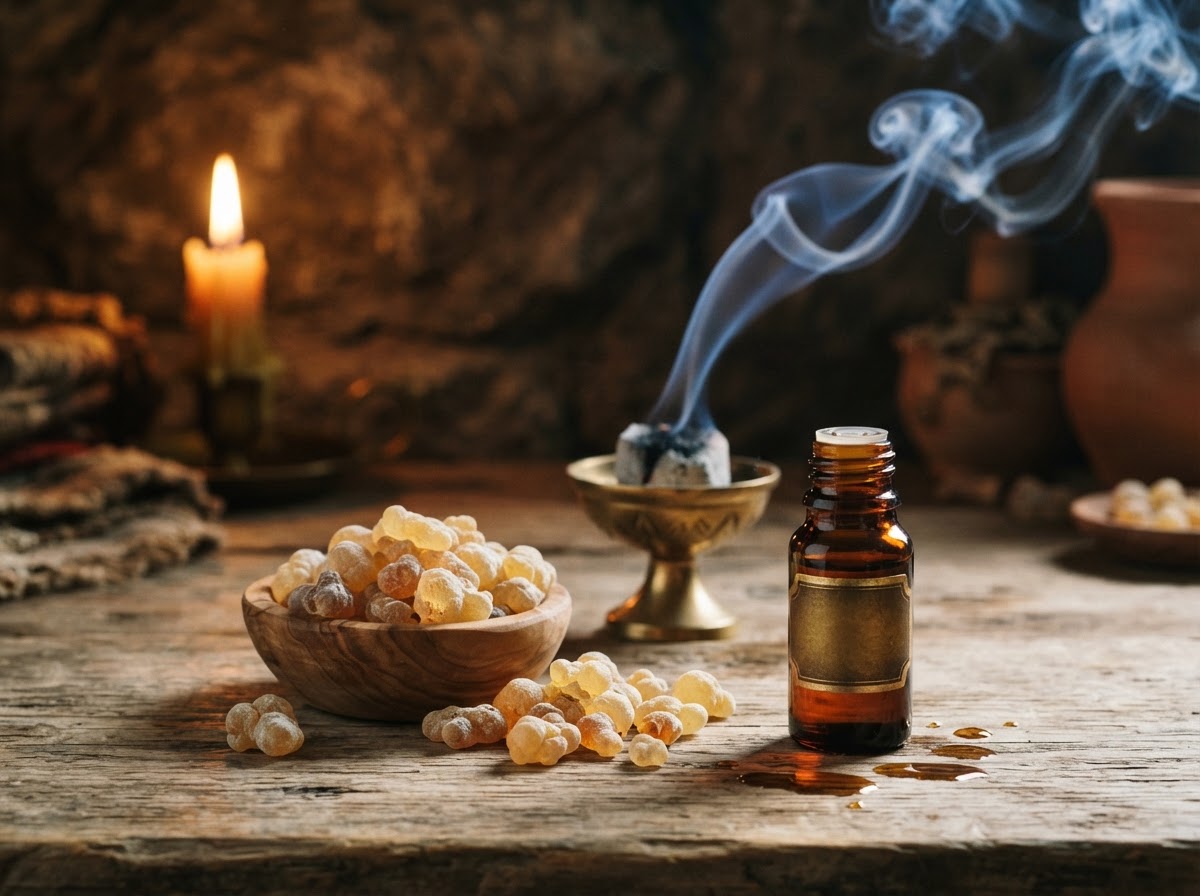
The therapeutic reputation of frankincense essential oil stems from its complex chemical composition, which contains over 200 identified compounds. Understanding these constituents helps explain why frankincense has maintained its status as a premium aromatic material across cultures and centuries.
Primary Chemical Constituents
| Compound | Percentage Range | Properties |
|---|---|---|
| Alpha-pinene | 25-40% | Fresh, pine-like aroma; research suggests potential calming effects |
| Limonene | 10-25% | Citrus-like scent; some studies indicate mood-supporting properties |
| Octyl acetate | 5-15% | Fruity, sweet notes; contributes to oil's complexity |
| Camphene | 3-8% | Camphor-like qualities; adds depth to aromatic profile |
| Incensole acetate | 1-5% | Unique to frankincense; research suggests potential neurological effects |
Boswellic Acids: The Resin Connection
While boswellic acids are primarily found in the raw resin rather than the steam-distilled essential oil, their presence in trace amounts may contribute to frankincense oil's overall character. These compounds have been the subject of numerous research studies, though it's important to note that essential oils and resin extracts have different compositions and should not be considered equivalent.
For those interested in exploring the various Boswellia species and their unique chemical profiles, our comprehensive guide to Boswellia species provides detailed information about the botanical diversity within the frankincense family.
Factors Affecting Chemical Composition
The chemical makeup of frankincense essential oil can vary significantly based on several factors:
- Species variation: Different Boswellia species produce oils with distinct chemical signatures
- Geographic origin: Soil composition, climate, and altitude influence compound concentration
- Harvest timing: Seasonal collection can affect the resin's chemical profile
- Resin age: Fresh versus aged resin may produce oils with different characteristics
- Distillation parameters: Temperature, pressure, and duration impact which compounds are extracted
Species, Sourcing, and Quality Factors
The world of frankincense encompasses several Boswellia species, each producing resin with unique characteristics that translate into distinct essential oil profiles. Understanding these differences is crucial for appreciating the diversity and quality variations in frankincense essential oil.
Primary Boswellia Species
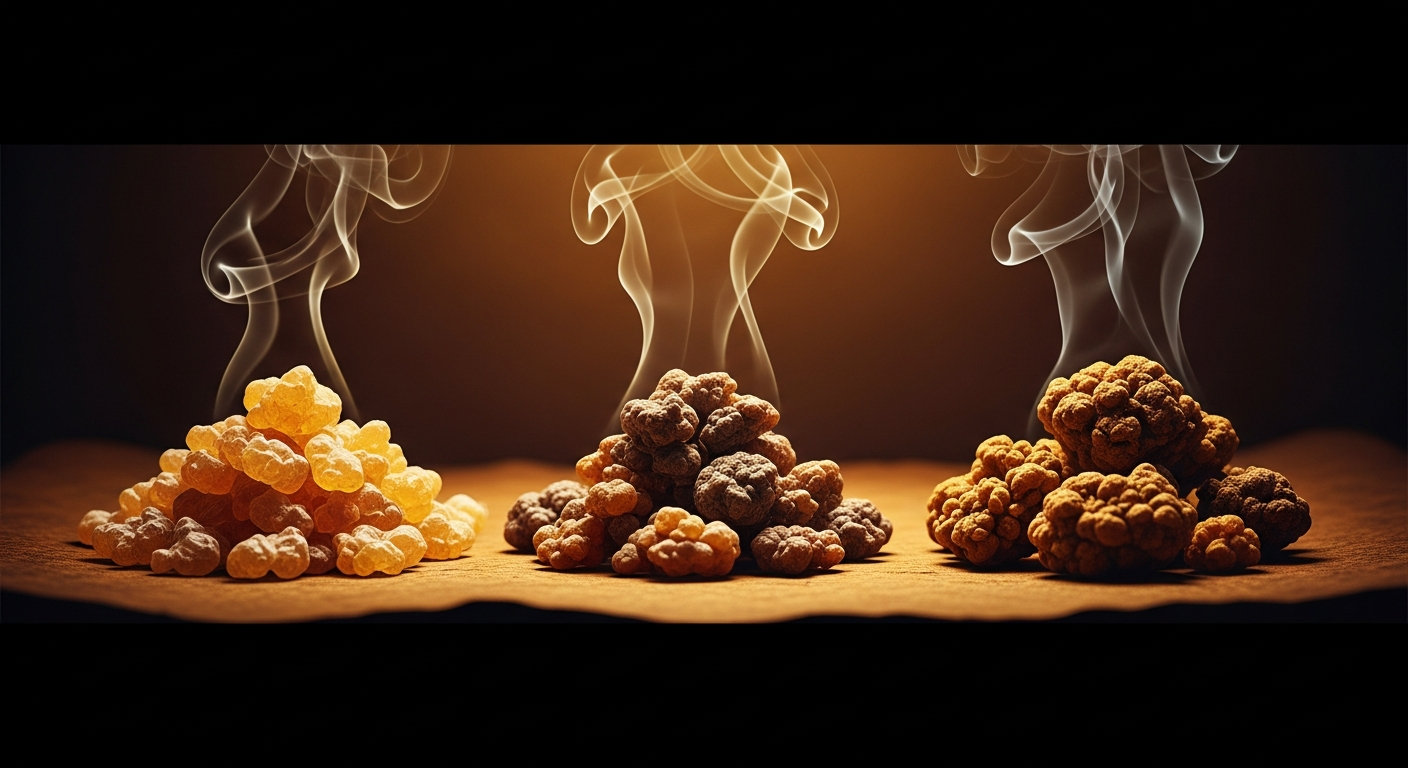
Boswellia sacra (Hojari/Omani Frankincense)
Considered the premium grade of frankincense, Boswellia sacra grows exclusively in the Dhofar region of Oman and parts of Yemen. The essential oil derived from this species is prized for its exceptional aromatic complexity, featuring bright citrus top notes that evolve into deep, balsamic base notes. Hojari frankincense oil commands the highest prices due to its limited geographic distribution and superior olfactory qualities.
Boswellia carterii (Somali Frankincense)
Native to Somalia and parts of Ethiopia, this species produces essential oil with a slightly different aromatic profile compared to its Omani counterpart. Somali frankincense oil tends to have more prominent pine and citrus notes with a somewhat lighter overall character. It represents excellent value while maintaining high quality standards.
Boswellia serrata (Indian Frankincense)
Found primarily in the dry mountainous regions of India, this species has been used extensively in traditional Ayurvedic practices. The essential oil from Boswellia serrata often presents earthier, more herbaceous notes compared to African varieties, with some describing it as having a slightly medicinal character.
Boswellia frereana (Maydi Frankincense)
Growing in northern Somalia, this species produces a resin known for its sweet, almost candy-like aroma when burned. The essential oil derived from Boswellia frereana is less common in commerce but offers unique aromatic properties that some find more accessible than traditional frankincense scents.
Geographic Terroir and Quality
Much like wine grapes, frankincense resin quality is significantly influenced by terroir—the environmental factors that affect the tree's growth and resin production. The harsh, arid conditions where Boswellia trees thrive actually contribute to the resin's concentration and complexity.
Omani Terroir
The Dhofar Mountains of Oman provide ideal conditions for Boswellia sacra, with their limestone-rich soils, seasonal monsoons, and extreme temperature variations. These environmental stressors cause the trees to produce exceptionally aromatic resin as a protective mechanism.
Somali Highlands
The rocky, mountainous terrain of Somalia's Puntland region, combined with minimal rainfall and intense solar exposure, produces frankincense resin with distinctive characteristics. The trees often grow in seemingly impossible locations, clinging to cliff faces and thriving in poor soils.
Harvesting and Processing Methods
Traditional frankincense harvesting requires considerable skill and knowledge passed down through generations. Harvesters, known as "frankincense tappers," make precise incisions in the tree bark during specific seasons when the resin flow is optimal.
The Tapping Process
- Initial scoring: Shallow cuts are made in the bark during the dry season
- Soothing period: Trees are allowed to heal and prepare for resin production
- First harvest: Lower-quality resin is collected and often discarded
- Premium collection: Subsequent harvests yield higher-quality resin tears
- Grading and sorting: Resin is carefully graded based on color, size, and purity
The best essential oils come from carefully selected, properly aged resin that has been stored in optimal conditions to preserve its aromatic compounds.
Traditional Uses and Cultural Significance
The history of frankincense spans millennia, with archaeological evidence suggesting its use in religious and cultural practices dating back to ancient Egypt, Greece, and Rome. Understanding these traditional applications provides context for frankincense oil's continued reverence in modern times.
Ancient Civilizations and Sacred Uses
In ancient Egypt, frankincense was literally worth its weight in gold, used in mummification processes and temple ceremonies. Egyptian priests burned frankincense daily as offerings to the gods, believing its ascending smoke carried prayers heavenward. The famous Egyptian queen Hatshepsut organized extensive trading expeditions to the land of Punt (modern-day Somalia) specifically to secure frankincense supplies.
Ancient Greek and Roman cultures similarly prized frankincense for religious ceremonies and as a luxury item. The historian Pliny the Elder documented extensive trade routes dedicated to frankincense transport, describing how this "liquid gold" influenced entire economies along the Arabian Peninsula.
Religious and Spiritual Traditions
Frankincense holds profound significance across multiple religious traditions:
Christianity
Perhaps most famously referenced as one of the three gifts presented to the infant Jesus by the Magi, frankincense symbolizes divinity and prayer. Christian churches continue to use frankincense in liturgical ceremonies, where its aromatic smoke is believed to represent the prayers of the faithful ascending to heaven.
Islam
Islamic traditions value frankincense for purification rituals and meditation practices. The Prophet Muhammad reportedly recommended the use of frankincense, and it remains common in mosques and Islamic ceremonies throughout the Middle East.
Eastern Traditions
In Buddhist and Hindu practices, frankincense has long been used to create sacred space and support meditation. Practitioners report that the scent helps quiet mental chatter and deepen contemplative states.
Traditional Wellness Applications
Historical texts from various cultures document frankincense's use in traditional wellness practices, though it's important to note these represent cultural practices rather than medical treatments:
- Ayurvedic traditions: Used Boswellia serrata resin in various preparations
- Traditional Chinese Medicine: Incorporated frankincense (ru xiang) in certain formulations
- Middle Eastern folk medicine: Applied frankincense-infused preparations topically
- African tribal practices: Used frankincense smoke for purification ceremonies
These traditional uses reflect thousands of years of cultural knowledge, though modern users should always consult qualified healthcare providers for wellness concerns.
Modern Applications and Uses
Contemporary use of frankincense essential oil spans numerous applications, from luxury perfumery to personal wellness practices. Modern aromatherapy has embraced frankincense for its complex aromatic profile and its ability to create calming, meditative environments.
Skincare and Personal Care
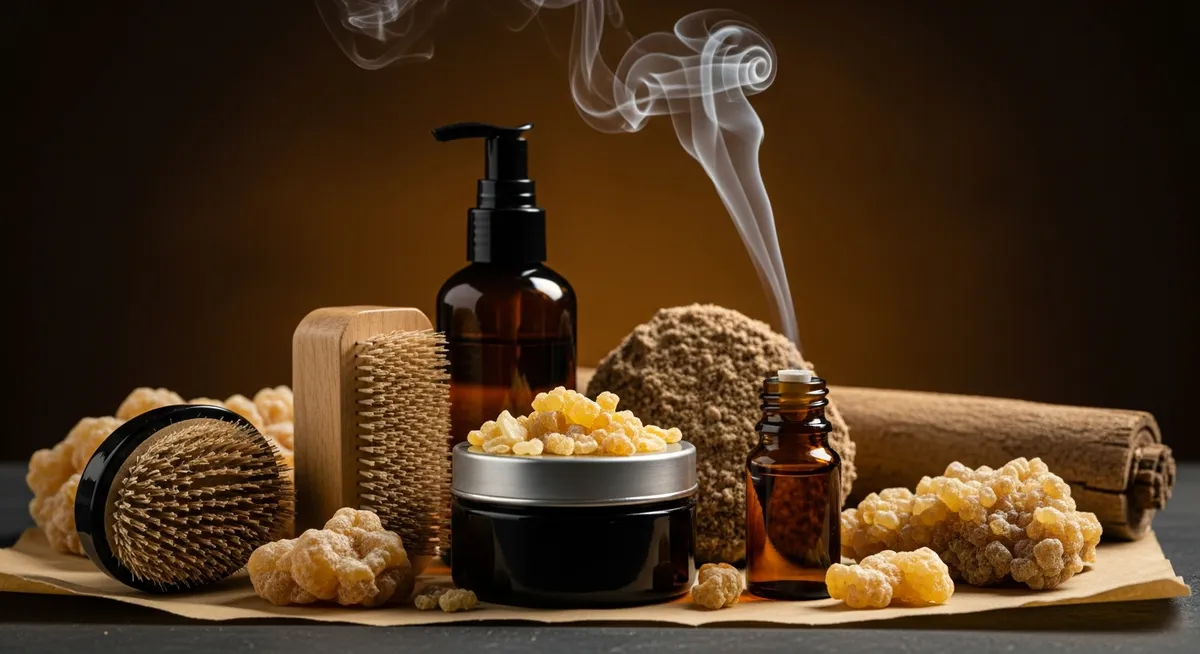
Frankincense essential oil has found a prominent place in modern skincare formulations, prized for its luxurious scent and potential skin-supporting properties. When properly diluted, frankincense oil is commonly incorporated into:
- Anti-aging formulations: Premium skincare products often feature frankincense for its aromatic appeal
- Facial serums: Usually combined with carrier oils like jojoba or rosehip seed oil
- Body lotions and creams: Added for fragrance and sensory experience
- Cleansing products: Incorporated into luxury soaps and face washes
For detailed information about incorporating frankincense into your skincare routine, including proper dilution ratios and safety considerations, explore our comprehensive guide on frankincense for skin applications.
Aromatherapy and Diffusion
Modern aromatherapy extensively utilizes frankincense essential oil for creating supportive environments for relaxation and mindfulness practices. Common aromatherapy applications include:
Diffusion Methods
- Ultrasonic diffusers: 3-5 drops in 100ml of water for standard room diffusion
- Reed diffusers: Blended with carrier oils for continuous, subtle scenting
- Electric warmers: A few drops on the warming plate for gentle scent release
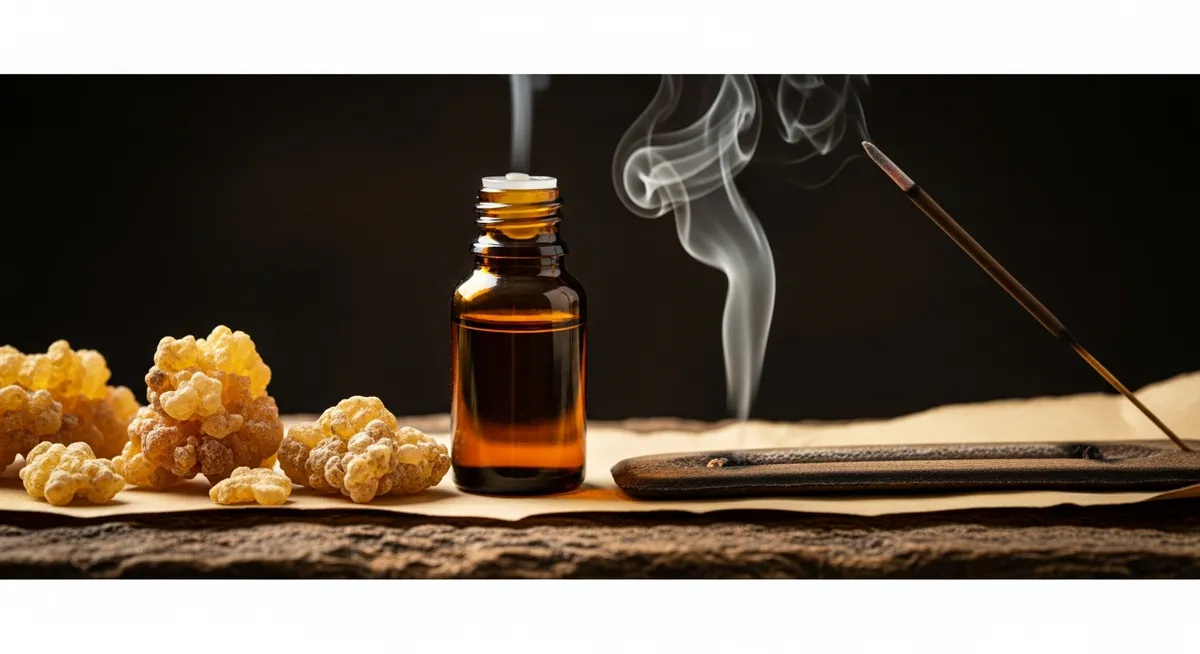
- Traditional incense: Frankincense resin burned on charcoal for authentic experience
Aromatherapy Blending
Frankincense essential oil blends beautifully with numerous other oils, creating complex aromatic experiences:
- Citrus oils: Bergamot, sweet orange, or lemon enhance frankincense's bright top notes
- Woody oils: Sandalwood, cedarwood, or vetiver complement its resinous base
- Floral oils: Rose, lavender, or geranium create sophisticated, balanced blends
- Spice oils: Cinnamon, cardamom, or black pepper add warming complexity
Meditation and Mindfulness Practices
Many modern practitioners incorporate frankincense essential oil into meditation and mindfulness routines, drawing on its historical association with spiritual practices. Users often report that frankincense helps create an atmosphere conducive to:
- Focused attention: The scent may help minimize distractions during meditation
- Deeper breathing: Some find frankincense encourages slower, more conscious breathing
- Emotional centering: The familiar, grounding scent can support emotional balance
- Sacred space creation: Used to designate and purify meditation areas
For more detailed guidance on using frankincense in aromatherapy applications, including specific blending recipes and diffusion techniques, visit our specialized guide on frankincense aromatherapy practices.
DIY Projects and Crafting
Frankincense essential oil lends itself well to various DIY projects, though proper safety precautions are essential:
Candle Making
Adding frankincense oil to homemade candles creates luxurious, aromatic experiences. Use approximately 1-2% essential oil by weight of wax, and ensure proper ventilation during crafting.
Room and Linen Sprays
Create custom room sprays by combining frankincense oil with distilled water and a dispersing agent like witch hazel or vodka. Always shake before use and test on inconspicuous areas first.
Personal Fragrance Blends
Frankincense serves as an excellent base note in personal fragrance formulations, though proper dilution in appropriate carrier oils is crucial for safe skin application.
Aromatherapy and Emotional Wellness
The aromatic complexity of frankincense essential oil makes it particularly valued in modern aromatherapy practices. While individual responses to aromatherapy vary greatly, many users report positive experiences when incorporating frankincense into their wellness routines.
Understanding Aromatherapy Effects
Aromatherapy operates on the principle that inhaled aromatic compounds can influence mood and emotional states through the olfactory system's connection to the limbic brain. Some research suggests that certain compounds found in frankincense, particularly alpha-pinene and limonene, may have calming properties, though more study is needed to fully understand these mechanisms.
Reported Aromatherapy Experiences
Users commonly report various positive experiences when using frankincense essential oil in aromatherapy applications:
Stress and Tension Support
Many practitioners find that diffusing frankincense oil may help create an atmosphere that supports relaxation and stress management. The deep, resinous scent is often described as "grounding" and may help some individuals feel more centered during challenging periods.
Meditation Enhancement
The historical association between frankincense and spiritual practices extends into modern meditation routines. Some users report that frankincense aromatherapy helps:
- Create a sense of sacred space for meditation practice
- Support focused attention during mindfulness exercises
- Enhance the overall meditative experience through sensory engagement
- Establish ritual and routine around contemplative practices
Sleep and Relaxation Support
Some individuals incorporate frankincense into their evening routines, reporting that its calming aroma may support relaxation before bedtime. Common applications include:
- Diffusing in the bedroom 30 minutes before sleep
- Adding to pillow sprays or linen mists (properly diluted)
- Incorporating into evening bath routines
- Using in bedtime aromatherapy blends
Creating Aromatherapy Blends
Frankincense's versatile aromatic profile makes it an excellent foundation for custom aromatherapy blends:
Calming Evening Blend
- 3 drops Frankincense
- 2 drops Lavender
- 1 drop Roman Chamomile
Meditation Focus Blend
- 4 drops Frankincense
- 2 drops Sandalwood
- 1 drop Vetiver
Uplifting Morning Blend
- 2 drops Frankincense
- 3 drops Sweet Orange
- 2 drops Bergamot
Safety Note: Always use appropriate dilution ratios for diffusion (typically 3-5 drops per 100ml of water in ultrasonic diffusers) and ensure adequate ventilation.
Safety Guidelines and Best Practices
While frankincense essential oil is generally well-tolerated when used appropriately, following proper safety guidelines is essential for safe and enjoyable use. Understanding dilution ratios, potential sensitivities, and contraindications helps ensure positive experiences with this precious oil.
General Safety Principles
Dilution Guidelines
Essential oils are highly concentrated substances that require proper dilution for most applications:
| Application | Dilution Ratio | Example |
|---|---|---|
| Facial applications | 0.5-1% | 1-2 drops per teaspoon of carrier oil |
| Body massage | 2-3% | 6-9 drops per tablespoon of carrier oil |
| Bath applications | 5-8 drops total | Mixed with dispersant like milk or bath salts |
| Diffusion | 3-5 drops | Per 100ml water in ultrasonic diffuser |
Patch Testing Protocol
Before using any new essential oil topically, conduct a patch test:
- Dilute 1 drop of frankincense oil in 1 teaspoon of carrier oil
- Apply a small amount to the inside of your wrist or elbow
- Cover with a bandage and wait 24-48 hours
- If no redness, irritation, or sensitivity occurs, the dilution may be suitable for use
- If any adverse reaction occurs, wash immediately and discontinue use
Specific Populations and Considerations
Pregnancy and Breastfeeding
Pregnant and breastfeeding individuals should exercise particular caution with essential oils. While frankincense is generally considered one of the gentler essential oils, it's advisable to:
- Consult with a qualified healthcare provider before use
- Avoid use during the first trimester
- Use only in very low dilutions if approved by healthcare provider
- Limit aromatherapy sessions to short periods with adequate ventilation
Children and Elderly
Both children and elderly individuals may be more sensitive to essential oils:
- Children under 2: Avoid topical use; limit aromatherapy exposure
- Children 2-10: Use half the adult dilution rates
- Elderly individuals: May require lower dilutions due to thinner skin
- All ages: Ensure adequate ventilation during aromatherapy use
Medical Conditions and Medications
Individuals with certain medical conditions should exercise caution:
- Respiratory conditions: Asthma or COPD patients should use aromatherapy with caution
- Skin sensitivities: Those with eczema or dermatitis should patch test carefully
- Medication interactions: Consult healthcare providers about potential interactions
- Allergies: Those with plant allergies should exercise particular caution
Storage and Handling
Proper storage extends the life and maintains the quality of frankincense essential oil:
Storage Conditions
- Temperature: Store in cool, stable temperatures (ideally below 75°F/24°C)
- Light protection: Keep in dark glass bottles away from direct sunlight
- Air exposure: Minimize oxygen contact by keeping bottles tightly sealed
- Location: Store upright in a dedicated essential oil box or cabinet
Handling Precautions
- Always wash hands after handling essential oils
- Avoid contact with eyes and mucous membranes
- Keep away from heat sources and flames (essential oils are flammable)
- Use glass or stainless steel containers for dilutions (avoid plastic)
How to Choose High-Quality Frankincense Oil
The market for frankincense essential oil varies dramatically in quality and price, making informed selection crucial for obtaining authentic, therapeutic-grade oil. Understanding quality indicators helps consumers make educated choices and avoid common pitfalls in the essential oil marketplace.
Frankincense Essential Oil
Serrata, carterii, sacra, frereana, neglecta and rivae: steam-distilled, GC/MS verified, in sizes from 0.5 oz to bulk.
From $10.99
Shop Frankincense Oil →