Indian Frankincense (Boswellia Serrata): The Complete Guide to Its Unique Therapeutic Properties
Key Takeaways
- Indian frankincense (Boswellia serrata) is one of four primary frankincense species, prized for its unique chemical composition
- Traditional Ayurvedic medicine has used this resin for thousands of years to support overall wellness
- The Boswellia serrata tree grows primarily in the dry regions of India, producing a resin with distinctive boswellic acids
- Modern research suggests this frankincense variety may support comfort and general well-being through various mechanisms
- Quality sourcing and proper identification are crucial when selecting authentic Indian frankincense products
- Always consult healthcare providers before incorporating any botanical supplements into your wellness routine
Table of Contents
- Botanical Profile and Origins
- Historical and Traditional Uses in Ayurvedic Medicine
- Unique Chemical Composition and Active Compounds
- Modern Research Observations and Studies
- Traditional Wellness Applications
- Forms and Availability
- Quality and Sourcing Considerations
- Safety Considerations and Precautions
Among the ancient treasures of traditional medicine, few botanicals command the reverence accorded to Indian frankincense, scientifically known as Boswellia serrata. This remarkable resin-producing tree has been a cornerstone of Ayurvedic soothing traditions for millennia, earning recognition not merely as an aromatic offering to the divine, but as a sophisticated botanical ally in supporting human wellness.
While the world knows frankincense primarily through its biblical associations and perfumery applications, Indian frankincense represents a unique chapter in this ancient story. Unlike its more famous cousin, Boswellia sacra from Oman, the Indian variety possesses a distinctive chemical signature that has captured the attention of modern researchers and traditional practitioners alike.
This comprehensive exploration delves deep into the multifaceted world of Boswellia serrata, examining its botanical characteristics, historical significance, and the growing body of research that suggests why this particular frankincense variety has maintained its esteemed position in traditional wellness practices for over 3,000 years.
Botanical Profile and Origins
The Boswellia serrata tree stands as a testament to nature's ability to thrive in challenging environments. This deciduous tree, belonging to the Burseraceae family, has adapted magnificently to the arid and semi-arid regions of India, where it grows naturally across several states including Rajasthan, Madhya Pradesh, Assam, and parts of the Western Ghats.
Physical Characteristics
The Indian frankincense tree typically reaches heights of 3-5 meters, though exceptional specimens may grow larger. Its compound leaves consist of 3-5 pairs of leaflets, creating an elegant canopy that provides crucial shade in its harsh native habitat. The bark, perhaps the most economically significant feature, appears papery and peels in thin, horizontal strips—a characteristic that allows for sustainable resin harvesting.
The flowers, small and typically white or pale yellow, appear in terminal clusters during the flowering season. These eventually give way to small, three-winged fruits that play a role in the tree's natural propagation across its native range.
Geographic Distribution and Habitat
Understanding the natural habitat of Boswellia serrata provides crucial insights into the quality and characteristics of its resin. These trees demonstrate remarkable resilience, growing in:
- Dry deciduous forests where they often serve as dominant canopy species
- Rocky hillsides where their deep root systems can access groundwater
- Degraded lands where few other tree species can establish successfully
- Elevations ranging from 275 to 900 meters above sea level
This adaptability to marginal environments has made Indian frankincense trees ecologically significant, as they help prevent soil erosion and support local ecosystems even in areas with challenging growing conditions.
Resin Production Mechanism
The resin that makes Indian frankincense so valuable forms as part of the tree's natural defense mechanism. When the bark is wounded—whether naturally through environmental stress or deliberately through harvesting—the tree responds by secreting an oleoresin that hardens upon contact with air.
This hardened resin contains the concentrated essence of the tree's chemical compounds, including the unique boswellic acids that distinguish Indian frankincense from other varieties. The quality and composition of this resin can vary significantly based on factors such as:
- Seasonal timing of harvesting
- Tree age and health
- Environmental conditions during resin formation
- Harvesting techniques employed
- Post-harvest processing methods
Historical and Traditional Uses in Ayurvedic Medicine
The story of Indian frankincense in traditional medicine spans thousands of years, with its first documented uses appearing in ancient Sanskrit texts that form the foundation of Ayurvedic practice. Known in Sanskrit as "Shallaki" or "Gugal," this revered resin has been continuously used by traditional practitioners who developed sophisticated understanding of its properties long before modern science began investigating its mechanisms.
Ancient Textual References
Classical Ayurvedic texts, including the Charaka Samhita and Sushruta Samhita, reference Indian frankincense extensively. These ancient medical treatises, some dating back over 2,000 years, describe the resin's traditional applications and provide detailed guidance on preparation methods that remain relevant today.
The traditional understanding of Indian frankincense centered around its classification according to Ayurvedic principles:
- Rasa (Taste): Traditionally described as having bitter, pungent, and sweet taste components
- Virya (Potency): Considered to have heating energy
- Vipaka (Post-digestive effect): Sweet post-digestive taste
- Prabhava (Special effect): Unique properties beyond basic taste and energy classifications
Traditional Preparation Methods
Ayurvedic practitioners developed numerous sophisticated preparation methods for Indian frankincense, each designed to optimize specific aspects of the resin for different traditional applications. These time-tested methods include:
Shodhana (Purification Process)
Traditional purification of Indian frankincense resin involved specific processes designed to remove impurities and enhance the material's perceived beneficial properties. This typically included:
- Careful selection of resin pieces based on color, texture, and aromatic qualities
- Grinding the purified resin into fine powders using traditional stone implements
- Combining with complementary herbs according to classical formulations
- Processing with various liquids including milk, ghee, or herbal decoctions
Classical Formulations
Indian frankincense rarely appeared alone in traditional preparations. Instead, master practitioners combined it with complementary botanicals in sophisticated formulations such as:
- Simhanada Guggulu: A complex preparation traditionally used to support joint comfort
- Yogaraja Guggulu: A comprehensive formulation for overall wellness support
- Mahayogaraja Guggulu: An elaborate preparation requiring numerous complementary herbs
Regional Variations in Traditional Use
Different regions of India developed their own traditional approaches to Indian frankincense, influenced by local availability, climate, and cultural practices. These regional variations provide fascinating insights into the adaptability of traditional knowledge systems.
In Rajasthan, where some of the finest quality resin originates, traditional practitioners developed specific harvesting calendars aligned with lunar cycles and seasonal changes. These practices, passed down through generations, represent sophisticated understanding of how environmental factors influence resin quality.
Unique Chemical Composition and Active Compounds
The distinctive properties of Indian frankincense stem from its complex chemical composition, which differs significantly from other frankincense varieties. Modern analytical techniques have revealed a sophisticated array of compounds that may help explain why this particular species has maintained its position in traditional wellness practices for millennia.
Boswellic Acids: The Signature Compounds
The most distinctive and extensively studied components of Indian frankincense are the boswellic acids—a group of pentacyclic triterpenes that appear in higher concentrations in Boswellia serrata than in other frankincense species. Research has identified several key boswellic acids, each with unique structural characteristics:
| Boswellic Acid Type | Typical Concentration Range | Key Structural Features |
|---|---|---|
| β-Boswellic Acid | 1.5-4.5% | Primary pentacyclic structure |
| Acetyl-β-boswellic Acid | 2.0-6.0% | Acetylated derivative |
| 11-keto-β-boswellic Acid (KBA) | 0.8-2.5% | Ketone functional group |
| Acetyl-11-keto-β-boswellic Acid (AKBA) | 1.0-10.0% | Most researched compound |
Essential Oil Components
Beyond the non-volatile boswellic acids, Indian frankincense contains a complex essential oil fraction that contributes significantly to its aromatic profile and may influence its traditional applications. Gas chromatography-mass spectrometry analyses have identified numerous compounds in the essential oil, including:
Monoterpenes
- α-Pinene: Contributing to the fresh, pine-like top notes
- Limonene: Adding citrusy brightness to the overall aroma
- β-Pinene: Providing woody, resinous undertones
- Myrcene: Contributing to the complex middle notes
Sesquiterpenes
- β-Caryophyllene: A compound also found in black pepper and cloves
- α-Gurjunene: Contributing to the woody base notes
- δ-Cadinene: Adding complexity to the aromatic profile
Oxygenated Compounds
- Octyl acetate: Providing fruity, somewhat floral notes
- Incensole: A compound unique to frankincense varieties
- Incensole acetate: The acetylated form of incensole
Factors Affecting Chemical Composition
The chemical profile of Indian frankincense can vary significantly based on numerous factors, making quality assessment and standardization important considerations for both traditional practitioners and modern researchers.
Geographic Origin
Trees growing in different regions of India produce resins with measurably different chemical profiles. Research suggests that factors such as soil composition, elevation, annual rainfall, and temperature variations all influence the concentration of active compounds.
Harvesting Season
Traditional knowledge suggests that resin collected during different seasons possesses varying qualities, and modern analysis confirms that boswellic acid concentrations can fluctuate based on harvesting timing. Pre-monsoon harvests often show different profiles compared to post-monsoon collections.
Tree Age and Health
Mature, healthy trees typically produce resin with higher concentrations of desired compounds. Over-harvesting or environmental stress can negatively impact both yield and chemical composition, highlighting the importance of sustainable harvesting practices.
Modern Research Observations and Studies

The intersection of traditional knowledge and modern scientific inquiry has generated considerable research interest in Indian frankincense. While traditional practitioners have long recognized the value of Boswellia serrata, contemporary researchers are beginning to understand the mechanisms that may underlie its traditional applications.
Preclinical Research Findings
Laboratory studies examining Indian frankincense extracts have revealed several interesting properties that may help explain its traditional uses. These investigations, conducted primarily in cell culture and animal models, suggest various mechanisms of action.
Anti-inflammatory Activity Observations
Some of the most extensively documented research on Indian frankincense focuses on its interaction with inflammatory pathways. Laboratory studies suggest that certain boswellic acids, particularly AKBA (acetyl-11-keto-β-boswellic acid), may influence specific enzymes involved in inflammatory processes.
Research observations indicate that these compounds may interact with:
- 5-lipoxygenase (5-LOX) pathways
- Nuclear factor-κB (NF-κB) signaling
- Various inflammatory mediator cascades
- Complement system components
However, it's crucial to note that these are preliminary laboratory findings, and researchers emphasize that more investigation is needed to understand the full scope of these interactions and their potential relevance to human wellness.
Joint Comfort Research
Given traditional uses of Indian frankincense for supporting joint comfort, numerous studies have examined its effects in experimental models of joint health. Some research suggests that standardized Boswellia serrata extracts may support normal joint function through multiple pathways.
Key research observations include:
- Potential support for cartilage matrix integrity
- Possible influence on enzymes involved in cartilage breakdown
- Observations regarding comfort levels in experimental models
- Effects on various markers associated with joint health
Clinical Research Studies
While preclinical research provides valuable insights, human studies offer more directly relevant information about Indian frankincense's potential applications in supporting wellness.
Joint Comfort Studies
Several clinical trials have examined standardized Indian frankincense extracts in relation to joint comfort and mobility. These studies, while showing promising preliminary results, typically involve small sample sizes and relatively short durations.
Research participants in some studies reported:
- Improved comfort levels during daily activities
- Enhanced mobility and flexibility measures
- Better quality of life indicators
- Reduced morning stiffness duration
However, researchers note that larger, longer-term studies are needed to better understand these preliminary findings and their broader applicability.
Digestive Comfort Research
Traditional Ayurvedic applications of Indian frankincense include support for digestive comfort, and some modern research has examined this application. Preliminary studies suggest that certain preparations may support normal digestive function, though more research is needed to understand these effects fully.
Respiratory Wellness Studies
Given traditional uses for respiratory support, researchers have investigated Indian frankincense's potential applications in this area. Some preliminary studies suggest possible benefits for respiratory comfort, though findings remain inconclusive and require further investigation.
Research Limitations and Future Directions
While existing research on Indian frankincense shows promising preliminary results, several important limitations must be acknowledged:
- Standardization Challenges: Variations in extract preparation and standardization make comparing studies difficult
- Sample Sizes: Many clinical studies involve relatively small numbers of participants
- Duration Limitations: Most studies examine short-term effects rather than long-term outcomes
- Mechanistic Understanding: The precise mechanisms of action remain incompletely understood
- Dosage Optimization: Optimal dosing strategies require further investigation
Future research directions may include larger-scale clinical trials, longer-term safety studies, and more sophisticated investigation of the mechanisms underlying observed effects.
Traditional Wellness Applications
The traditional applications of Indian frankincense span a remarkably broad spectrum of wellness support, reflecting thousands of years of empirical observation and refinement by traditional practitioners. Understanding these traditional uses provides valuable context for modern research and contemporary wellness applications.
Joint and Muscle Comfort Support
Perhaps the most well-documented traditional application of Indian frankincense relates to supporting joint comfort and mobility. Traditional practitioners developed sophisticated understanding of how different preparations could be used to support normal joint function.
Traditional Preparation Methods for Joint Support
Classical Ayurvedic texts describe numerous preparation methods specifically designed for joint comfort applications:
- Guggulu Preparations: Complex formulations combining Indian frankincense with complementary herbs
- Medicated Oils: Traditional oil preparations for external application
- Decoctions: Water-based extractions following classical methods
- Powder Formulations: Carefully ground preparations for internal use
Traditional practitioners recognized that different preparation methods could emphasize different aspects of the resin's properties, allowing for customized approaches based on individual needs and constitutional factors.
Digestive Wellness Support
Ayurvedic medicine has long recognized Indian frankincense as a valuable ally in supporting normal digestive function. Traditional applications in this area focused on promoting comfortable digestion and supporting the body's natural digestive processes.
Traditional Digestive Applications
Classical uses for digestive support included:
- Supporting normal digestive fire (agni) according to Ayurvedic principles
- Promoting comfortable digestion of complex meals
- Supporting normal elimination processes
- Maintaining healthy digestive tissues
Traditional practitioners often combined Indian frankincense with digestive spices and herbs to create synergistic formulations that addressed multiple aspects of digestive wellness simultaneously.
Respiratory Comfort Traditions
The aromatic qualities of Indian frankincense made it a natural choice for traditional respiratory support applications. Both the resin itself and its essential oil components were used in various traditional methods.
Traditional Respiratory Applications
- Fumigation Practices: Burning the resin to create therapeutic smoke
- Steam Inhalations: Adding resin to hot water for aromatic steam
- Medicated Preparations: Internal formulations for respiratory comfort
- Topical Applications: Chest rubs and similar external preparations
Skin and Wound Care Traditions
Traditional practitioners recognized Indian frankincense as valuable for supporting healthy skin and normal wound soothing processes. These applications took advantage of both the resin's aromatic and purported protective properties.
Traditional Skin Care Methods
Classical skin care applications included:
- Incorporation into medicated oils for skin wellness
- Addition to traditional cosmetic preparations
- Use in fumigation practices for purification
- Integration into wound care formulations
Mental Wellness and Spiritual Practices
Beyond physical applications, Indian frankincense held significant importance in traditional mental wellness and spiritual practices. The aromatic properties of the resin made it particularly valued for creating conducive environments for meditation and contemplation.
Traditional Mental Wellness Applications
- Meditation Support: Creating aromatic environments conducive to spiritual practice
- Stress Management: Traditional relaxation and comfort support
- Sleep Support: Evening applications for promoting restful sleep
- Emotional Balance: Traditional methods for supporting emotional well-being
These applications often involved burning the resin as incense or incorporating it into massage oils and other preparations designed to promote relaxation and mental comfort.
Forms and Availability
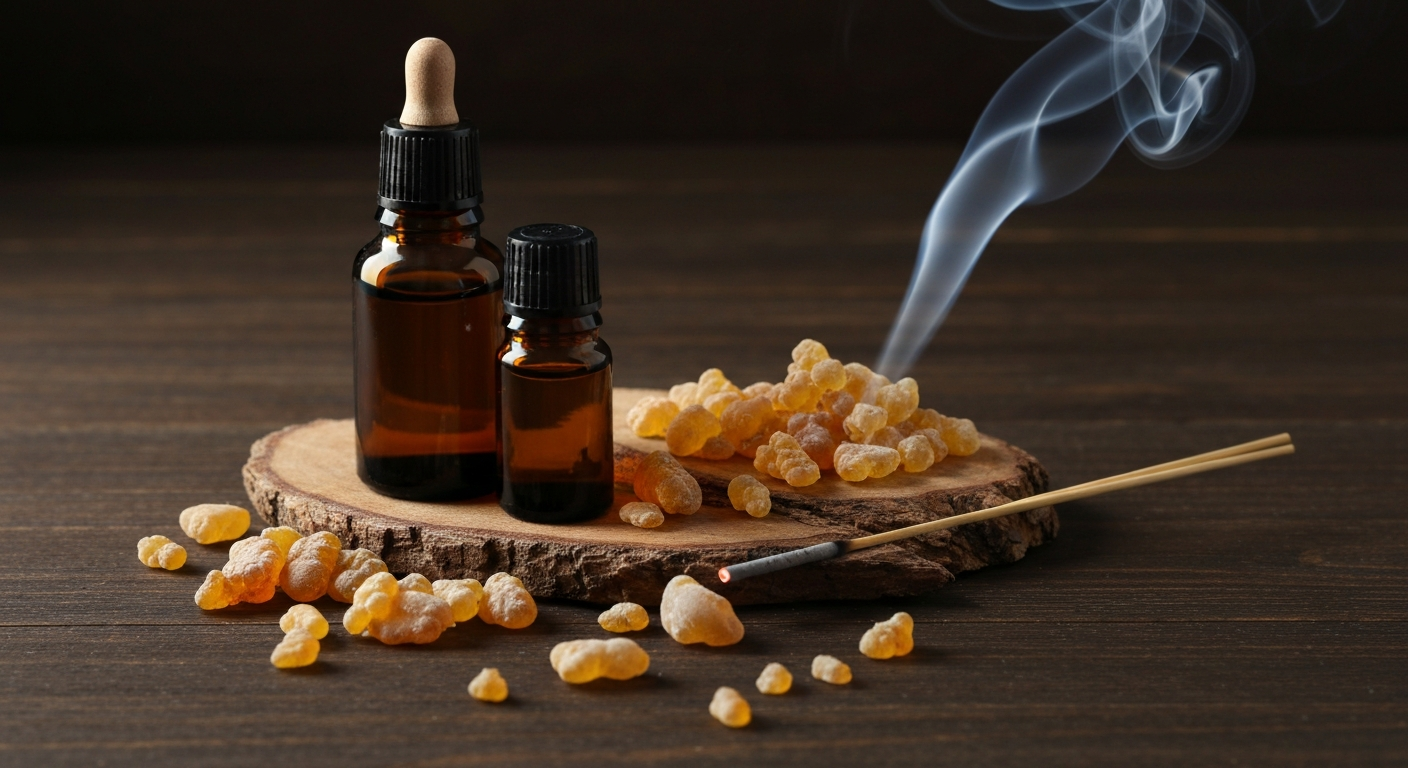
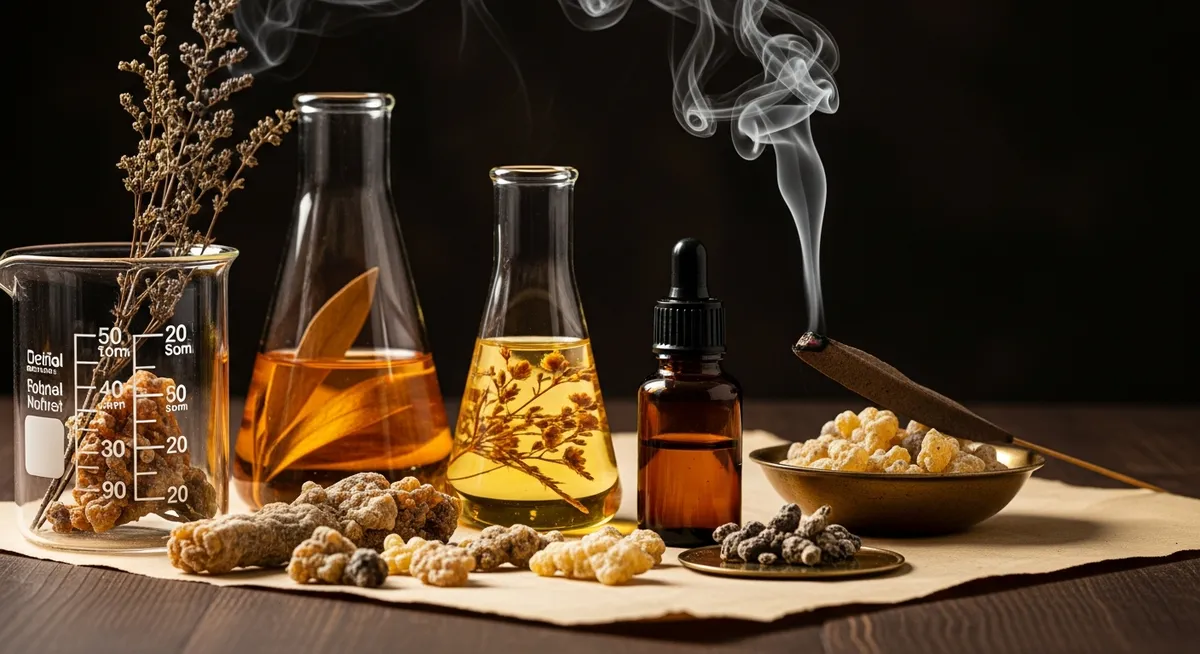
Modern consumers have access to Indian frankincense in numerous forms, each offering distinct advantages depending on intended applications and personal preferences. Understanding the characteristics of different forms can help individuals make informed choices about which products might best suit their wellness goals.
Raw Resin
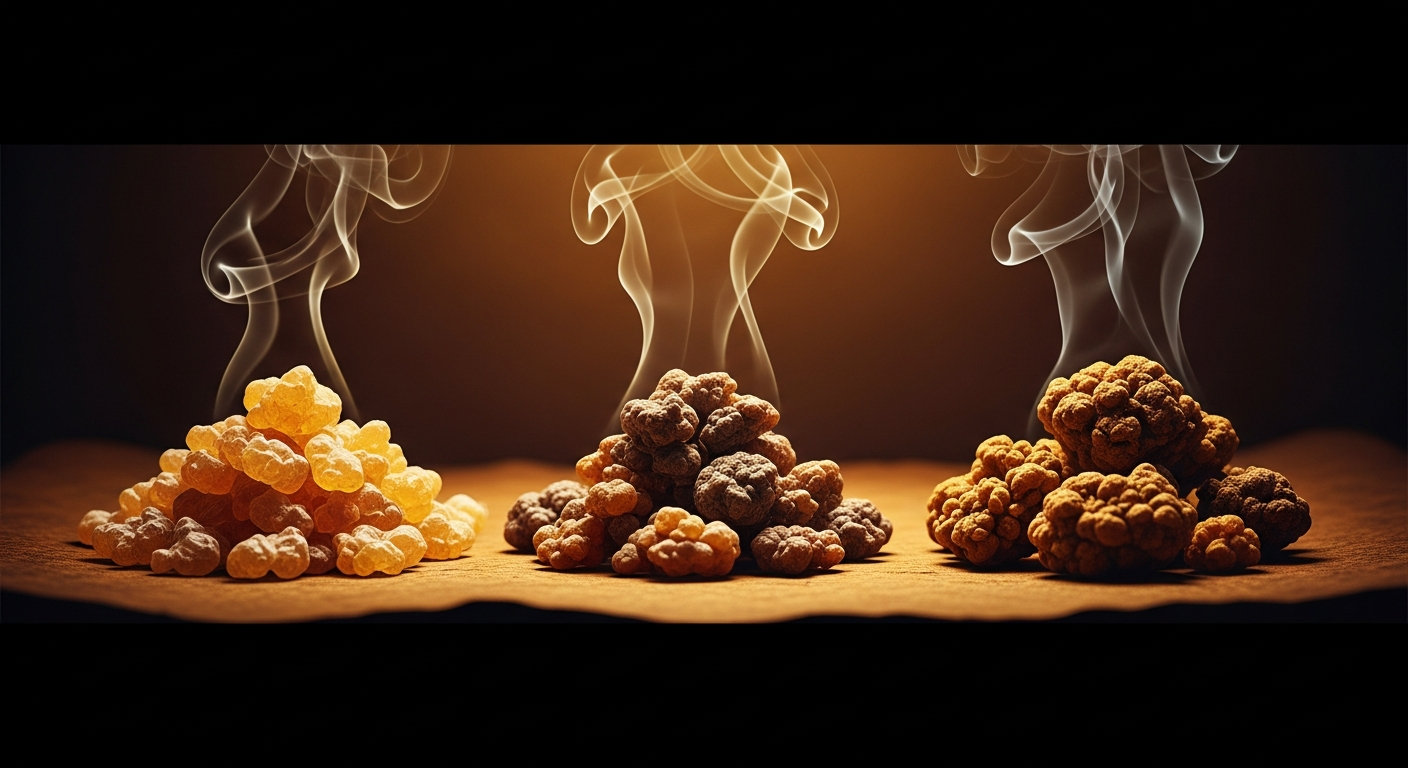
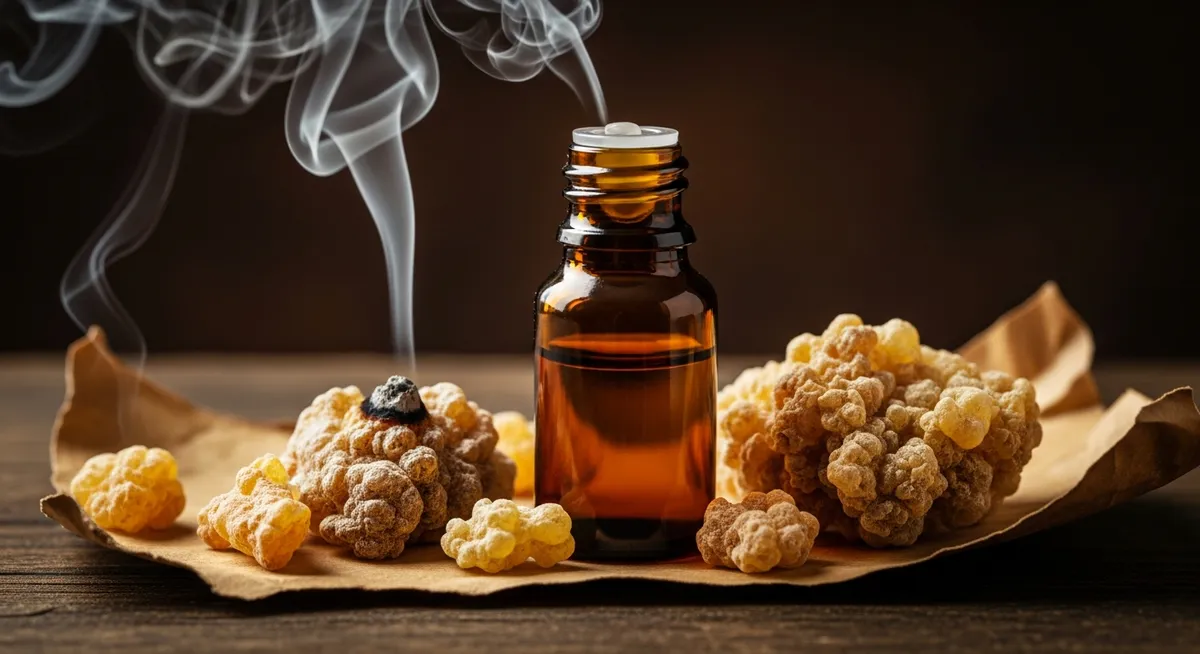
The most traditional form of Indian frankincense remains the raw resin itself—hardened tears of oleoresin harvested directly from Boswellia serrata trees. This form offers the most direct connection to traditional usage methods and allows for maximum flexibility in preparation.
Characteristics of Quality Raw Resin
Premium Indian frankincense resin typically exhibits:
- Color Range: Light amber to darker brown, with clearer pieces generally considered higher quality
- Texture: Should be brittle and break cleanly, revealing a glassy interior
- Aroma: Fresh, woody, and slightly citrusy when first broken
- Purity: Minimal bark, wood, or other plant debris mixed with resin pieces
Traditional Preparation Methods
Raw resin can be prepared using traditional methods including:
- Grinding: Using traditional stone mortars or modern spice grinders
- Infusion: Soaking in various liquids according to classical methods
- Burning: For aromatic and fumigation applications
- Oil Extraction: Traditional methods for creating medicated oils
Standardized Extracts
Modern processing techniques have enabled the creation of standardized Indian frankincense extracts that concentrate specific compounds, particularly boswellic acids. These extracts offer consistency and convenience that appeals to contemporary users.
Types of Standardized Extracts
Common standardization approaches include:
- Total Boswellic Acid Standardization: Typically 65-70% total boswellic acids
- AKBA Standardization: Focusing on acetyl-11-keto-β-boswellic acid content
- Multi-compound Standardization: Balancing multiple active compounds
- Full-spectrum Extracts: Maintaining the complete range of naturally occurring compounds
Extract Advantages
Standardized extracts offer several benefits:
- Consistent potency between batches
- Convenient dosing and administration
- Removal of inert plant materials
- Concentrated active compounds
- Better shelf stability
Essential Oil
Steam distillation of Indian frankincense resin yields an essential oil that captures the volatile aromatic compounds while leaving behind the non-volatile boswellic acids. This form is particularly valued for aromatherapy and topical applications.
For detailed information about frankincense essential oil quality and selection, refer to our comprehensive frankincense quality guide.
Essential Oil Characteristics
- Aroma Profile: Fresh, woody, with citrus top notes and resinous base
- Viscosity: Medium viscosity, flows easily at room temperature
- Color: Pale yellow to light amber
- Solubility: Oil-soluble, requiring proper carriers for water-based applications
Capsules and Tablets
For convenience and precise dosing, many manufacturers offer Indian frankincense in capsule or tablet form. These products typically contain standardized extracts and may include complementary ingredients.
Considerations for Capsule Products
- Extract Standardization: Look for products specifying boswellic acid content
- Serving Sizes: Typical ranges from 300-500mg per capsule
- Additional Ingredients: Some products combine with turmeric, ginger, or other complementary botanicals
- Quality Certifications: Third-party testing and quality assurance programs
Topical Preparations
Various topical preparations incorporate Indian frankincense for external applications, taking advantage of both the essential oil and resin extracts.
Common Topical Forms
- Massage Oils: Diluted essential oil in carrier oil bases
- Balms and Salves: Solid preparations for targeted application
- Creams and Lotions: Water-based preparations for easy application
- Therapeutic Gels: Fast-absorbing formulations
Quality and Sourcing Considerations
The quality of Indian frankincense products varies dramatically based on sourcing practices, processing methods, and quality control measures. Understanding these factors enables consumers to make informed decisions and select products that align with their wellness goals and quality expectations.
Sustainable Harvesting Practices
The long-term availability of high-quality Indian frankincense depends critically on sustainable harvesting practices that support both tree health and community livelihoods. Traditional knowledge offers valuable insights into sustainable resin collection methods.
Traditional Sustainable Methods
Time-tested sustainable practices include:
- Seasonal Harvesting: Collecting resin during optimal periods for tree health
- Rotation Systems: Allowing trees recovery periods between harvest cycles
- Selective Tapping: Avoiding over-exploitation of individual trees
- Community Management: Local stewardship programs protecting forest resources
Modern Conservation Challenges
Contemporary challenges to sustainable Indian frankincense production include:
- Increasing commercial demand pressuring traditional practices
- Habitat loss due to development and agricultural expansion
- Climate change affecting tree growth and resin production
- Limited regeneration of natural forests
Quality Assessment Criteria
Evaluating Indian frankincense quality requires understanding multiple factors that influence the final product's characteristics and potential applications.
Raw Resin Quality Indicators
When selecting raw Indian frankincense resin, consider these quality markers: