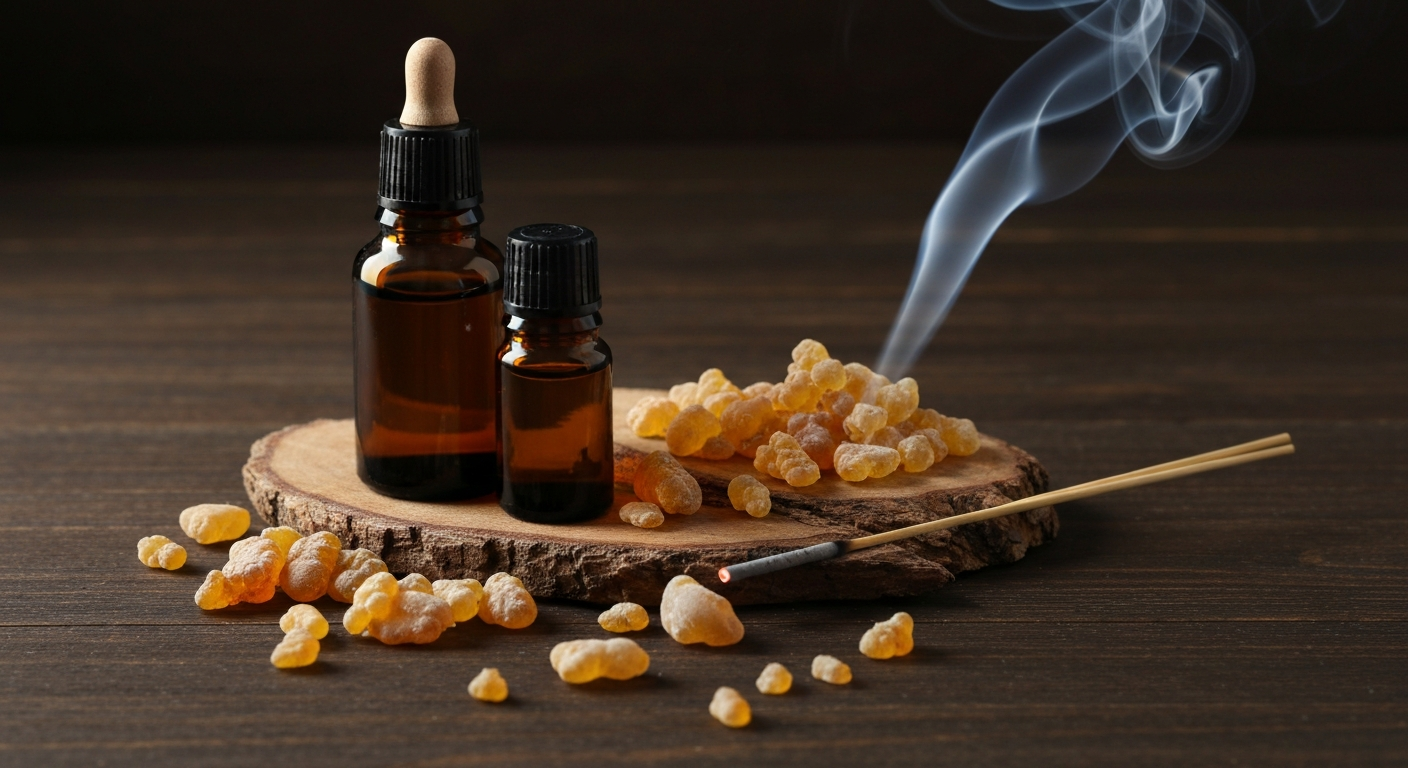
Frankincense Oil Types Explained: Serrata, Carterii, Sacra, and Frereana
Key Takeaways
- Four primary frankincense species produce essential oils: Boswellia serrata, carterii, sacra, and frereana
- Each species offers unique aromatic profiles and chemical compositions
- Geographic origin significantly influences oil characteristics and quality
- Understanding species differences helps in selecting appropriate oils for personal preferences
- Sustainable sourcing practices are essential for preserving these ancient trees
Table of Contents
- Understanding Frankincense Species
- Boswellia Serrata: The Indian Frankincense
- Boswellia Carterii: The Somali Classic
- Boswellia Sacra: The Royal Omani
- Boswellia Frereana: The Rare Maydi
- Comparative Analysis: Chemistry and Characteristics
- Sourcing and Sustainability Considerations
- How to Choose the Right Frankincense Oil Type
Understanding Frankincense Species
The genus Boswellia encompasses over twenty species of trees and shrubs, yet only four primary species yield the precious frankincense essential oils that have captivated humanity for millennia. These four sacred trees—Boswellia serrata, carterii, sacra, and frereana—each produce distinctly different aromatic profiles and chemical compositions, reflecting their unique geographic origins and environmental adaptations.
Understanding the nuances between these frankincense oil types requires appreciation of both their botanical heritage and the traditional harvesting methods that have remained largely unchanged for thousands of years. Each species represents a living link to ancient trade routes, sacred rituals, and the profound relationship between humanity and these remarkable desert-dwelling trees.
The distinction between these species extends far beyond mere academic classification. Each variety offers unique olfactory experiences, chemical constituents, and traditional applications that have been refined through centuries of use. For the modern aromatherapy enthusiast or spiritual practitioner, recognizing these differences becomes essential for selecting oils that align with specific preferences and intended uses.
Boswellia Serrata: The Indian Frankincense
Geographic Origins and Habitat
Boswellia serrata, commonly known as Indian frankincense or salai, thrives in the dry deciduous forests of India, particularly in the states of Rajasthan, Madhya Pradesh, and Gujarat. Unlike its Middle Eastern cousins, serrata adapts to slightly more humid conditions and higher altitudes, growing at elevations up to 1,200 meters above sea level.
The trees demonstrate remarkable resilience, often found growing from rocky outcrops and cliff faces where other vegetation struggles to survive. This hardy nature contributes to the robust character of the resin and subsequent essential oil, creating a frankincense variety with distinctive earthy undertones.
Aromatic Profile and Characteristics
Boswellia serrata essential oil presents a complex aromatic bouquet that many describe as more grounded and earthier than its Middle Eastern relatives. The initial impression often carries fresh, pine-like top notes, followed by a heart of warm, woody middle notes with subtle spicy undertones. The base notes reveal deep, resinous qualities with hints of pepper and dried herbs.
This distinctive profile makes serrata particularly appealing to those who prefer frankincense oils with more substantial body and complexity. The oil typically appears pale yellow to light amber in color, with a medium to thick consistency that reflects its rich resin content.
Chemical Composition
Research indicates that Boswellia serrata contains unique boswellic acids, particularly acetyl-11-keto-β-boswellic acid (AKBA), which distinguishes it chemically from other frankincense species. The essential oil typically contains significant concentrations of α-pinene, β-pinene, and limonene, contributing to its fresh, pine-like characteristics.
Additional compounds such as incensole and incensole acetate provide the deeper, more meditative aromatic qualities traditionally associated with frankincense. The specific ratios of these compounds create serrata's unique olfactory signature.
Boswellia Carterii: The Somali Classic
Traditional Heartland
Boswellia carterii represents perhaps the most historically significant frankincense species, native to the Somali regions of northeastern Africa. These trees have supplied the ancient world with frankincense for over 5,000 years, forming the backbone of the legendary incense trade routes that connected Africa with Egypt, Rome, and the Far East.
The harsh, arid landscape of Somalia provides the perfect environment for these resilient trees, which often grow directly from rocky surfaces with minimal soil. The extreme conditions concentrate the aromatic compounds within the resin, creating some of the most potent and sought-after frankincense in the world.
Aromatic Excellence
Many connoisseurs consider Boswellia carterii to produce the quintessential frankincense aroma—the scent most closely associated with traditional incense and sacred practices. The oil opens with bright, citrusy top notes, often described as lemony or slightly green, which quickly develop into the classic frankincense heart of warm, balsamic sweetness.
The dry-down reveals deep, meditative base notes with subtle hints of pepper and wood smoke, creating an olfactory experience that many find profoundly centering and spiritually evocative. This aromatic complexity explains why carterii remains the gold standard against which other frankincense types are often compared.
Chemical Distinctions
Scientific analysis of Boswellia carterii reveals high concentrations of α-pinene, often comprising 30-60% of the total chemical composition. This dominance of monoterpenes contributes to the oil's bright, fresh opening notes and excellent diffusion properties.
The presence of octyl acetate provides distinctive fruity undertones, while boswellic acids contribute to the oil's deeper, more resinous characteristics. The balanced ratio of monoterpenes to sesquiterpenes creates carterii's signature aromatic evolution from bright and lifting to deep and grounding.
Boswellia Sacra: The Royal Omani
The Sacred Groves of Dhofar
Boswellia sacra, known as the royal or sacred frankincense, grows exclusively in the Dhofar region of southern Oman and parts of Yemen. These trees represent the most prized source of frankincense in the ancient world, so valuable that they were placed under royal protection and their locations kept as closely guarded secrets.
The unique microclimate of Dhofar, influenced by seasonal monsoons that bring moisture to an otherwise arid landscape, creates optimal conditions for resin production. The trees often grow in seemingly impossible locations—clinging to cliff faces and emerging from solid rock formations, testament to their remarkable adaptation to extreme environments.
Unparalleled Aromatic Sophistication
Boswellia sacra produces what many consider the most refined and complex frankincense oil available. The aromatic profile begins with crystalline, almost ethereal top notes that possess an otherworldly clarity and purity. These initial impressions quickly develop into profoundly rich middle notes characterized by honeyed sweetness and subtle floral undertones.
The base notes reveal extraordinary depth and persistence, with warm, ambery qualities that can linger for hours. Many describe the overall impression as simultaneously uplifting and deeply grounding, making sacra particularly valued for meditation and spiritual practices. The oil typically appears pale golden yellow with exceptional clarity and medium viscosity.
Premium Chemical Profile
Research indicates that Boswellia sacra contains unique chemical markers that distinguish it from other frankincense species. The oil shows particularly high concentrations of α-pinene and limonene, creating its distinctive bright, clean opening.
The presence of rare sesquiterpenes and their oxidized derivatives contributes to sacra's exceptional longevity and complexity. Some studies suggest that the specific terroir of the Dhofar region influences the development of unique chemical compounds not found in frankincense from other regions.
Boswellia Frereana: The Rare Maydi
The Hidden Treasure
Boswellia frereana, traditionally known as Maydi frankincense, represents perhaps the rarest and most mysterious of the frankincense species. Growing primarily in northern Somalia, these trees produce a resin that was historically reserved for the most sacred ceremonies and royal courts.
The scarcity of frereana results from both its limited geographic range and the challenging harvesting conditions. The trees often grow in remote, difficult-to-access locations, and the resin requires specific timing and techniques for optimal collection. This rarity has made authentic frereana essential oil increasingly precious in modern markets.
Distinctive Aromatic Character
Boswellia frereana offers an aromatic experience quite different from its more common relatives. The oil presents an immediately recognizable profile that many describe as more lemony and bright than other frankincense types, with pronounced citrusy top notes that remain prominent throughout the aromatic development.
The middle notes reveal warm, slightly sweet characteristics with subtle peppery undertones, while the base notes provide gentle, woody depth without the heavy resinous quality found in other species. This lighter, more ethereal character makes frereana particularly appealing to those who find traditional frankincense too heavy or overwhelming.
Unique Chemical Signature
Scientific analysis reveals that Boswellia frereana contains distinctly different chemical ratios compared to other frankincense species. The oil shows particularly high concentrations of α-phellandrene and α-pinene, contributing to its characteristic fresh, citrusy aroma.
Lower concentrations of the heavier sesquiterpenes result in frereana's lighter aromatic profile and faster evaporation rate. This chemical composition makes it particularly suitable for those seeking the spiritual and aromatic benefits of frankincense in a more subtle, less imposing format.
Comparative Analysis: Chemistry and Characteristics
| Species | Origin | Primary Compounds | Aromatic Profile | Color | Rarity |
|---|---|---|---|---|---|
| B. serrata | India | α-pinene, AKBA | Earthy, pine-like, complex | Pale yellow to amber | Common |
| B. carterii | Somalia | α-pinene, octyl acetate | Classic, citrusy, balanced | Clear to pale yellow | Moderate |
| B. sacra | Oman/Yemen | α-pinene, limonene | Refined, honey-like, complex | Pale golden | Premium |
| B. frereana | N. Somalia | α-phellandrene, α-pinene | Lemony, bright, ethereal | Clear to very pale | Rare |
This comparative analysis reveals the remarkable diversity within the frankincense family. While all four species share certain fundamental characteristics—the presence of monoterpenes, the basic resinous quality, and the capacity for spiritual and aromatic applications—each offers a unique expression of the frankincense archetype.
The chemical differences between species directly translate to experiential differences, making the choice between frankincense types a matter of personal preference, intended application, and desired aromatic journey. Understanding these distinctions empowers users to select oils that best align with their specific needs and preferences.
Sourcing and Sustainability Considerations
Environmental Challenges
All four frankincense species face increasing environmental pressures that threaten their long-term survival. Climate change, overgrazing, and unsustainable harvesting practices have significantly reduced wild populations across their native ranges. Boswellia sacra has been listed as "Near Threatened" by the International Union for Conservation of Nature, highlighting the urgent need for conservation efforts.
The unique ecological requirements of these trees—their dependence on specific soil conditions, climate patterns, and minimal human interference—make them particularly vulnerable to environmental changes. Sustainable sourcing practices become not just ethical choices but essential for ensuring the continued availability of these precious oils.
Ethical Sourcing Practices
Responsible frankincense suppliers increasingly focus on supporting local communities while implementing sustainable harvesting techniques. Traditional harvesting methods, when practiced correctly, actually promote tree health and resin production. However, the growing global demand has sometimes led to over-harvesting that can damage or kill the trees.
Ethical sourcing involves working directly with local harvesters, providing fair compensation, and implementing harvesting quotas that allow trees adequate recovery time between tapping seasons. Some suppliers also support reforestation efforts and community education programs to ensure the long-term viability of frankincense production.
Quality Indicators
When selecting frankincense oils, several quality indicators can help identify ethically sourced, authentic products:
- Species Identification: Reputable suppliers clearly identify the specific Boswellia species and geographic origin
- Harvesting Information: Details about harvesting methods and seasonal timing
- Community Support: Evidence of fair trade practices and community involvement
- Chemical Analysis: Gas chromatography/mass spectrometry (GC/MS) reports confirming authenticity
- Transparency: Clear information about sourcing practices and sustainability efforts
How to Choose the Right Frankincense Oil Type
Aromatic Preferences
Selecting the appropriate frankincense type begins with understanding your aromatic preferences and intended applications. Those new to frankincense might start with Boswellia carterii, which offers the most recognizable and balanced frankincense profile. Its moderate price point and reliable availability make it an excellent introduction to the world of sacred oils.
For those seeking a more earthy, grounded experience, Boswellia serrata provides excellent value with its complex, woody character. Indian frankincense particularly appeals to those who appreciate oils with substantial body and longer-lasting aromatic development.
Experienced users often gravitate toward Boswellia sacra for its unparalleled refinement and complexity. While more expensive, Omani frankincense offers an aromatic experience that many consider the pinnacle of frankincense oils. Its exceptional purity and spiritual associations make it particularly valued for meditation and ceremonial use.
Boswellia frereana serves those seeking a lighter, more subtle frankincense experience. Its bright, citrusy character makes it particularly suitable for daytime use or for those who find traditional frankincense too heavy or overwhelming.
Application Considerations
Different applications may favor specific frankincense types. For diffusion and room scenting, the brightness of carterii or frereana often works well, providing uplifting energy without overwhelming the space. Serrata's complexity makes it excellent for personal aromatherapy applications where deeper, more grounding effects are desired.
Sacra's exceptional purity and spiritual associations make it particularly suitable for meditation, prayer, and other contemplative practices. Its refined character and remarkable persistence make even small amounts highly effective.
Budget and Availability
Price and availability vary significantly between species. Serrata typically offers the best value for regular use, while carterii provides an excellent balance of quality and affordability. Sacra commands premium prices but offers exceptional quality, making it worthwhile for special occasions or dedicated spiritual practice.
Frereana's rarity and limited availability make it the most expensive option, often suitable only for collectors or those specifically drawn to its unique aromatic profile.
Understanding these differences empowers informed decisions that align with both personal preferences and practical considerations. Whether seeking the grounding earthiness of serrata, the classic beauty of carterii, the refined elegance of sacra, or the ethereal brightness of frereana, each frankincense type offers its own pathway to the ancient wisdom and modern wellness that these sacred oils provide.
By appreciating the unique characteristics of each species, we honor both the botanical heritage and cultural traditions that have preserved these precious oils through millennia, ensuring their continued place in our modern world of natural wellness and spiritual practice.