How to Blend Frankincense for Tension Headaches: Roller Recipes
There is something almost ritualistic about reaching for a small glass roller bottle when the familiar weight of a tension headache begins to settle behind your eyes or across the base of your skull. For thousands of years, frankincense resin — harvested from the ancient Boswellia sacra and Boswellia carterii trees of Oman, Somalia, and Ethiopia — has occupied a place of profound reverence in wellness traditions around the world. Today, a growing number of people are exploring how a well-crafted frankincense headache roller might fit into their personal self-care rituals.
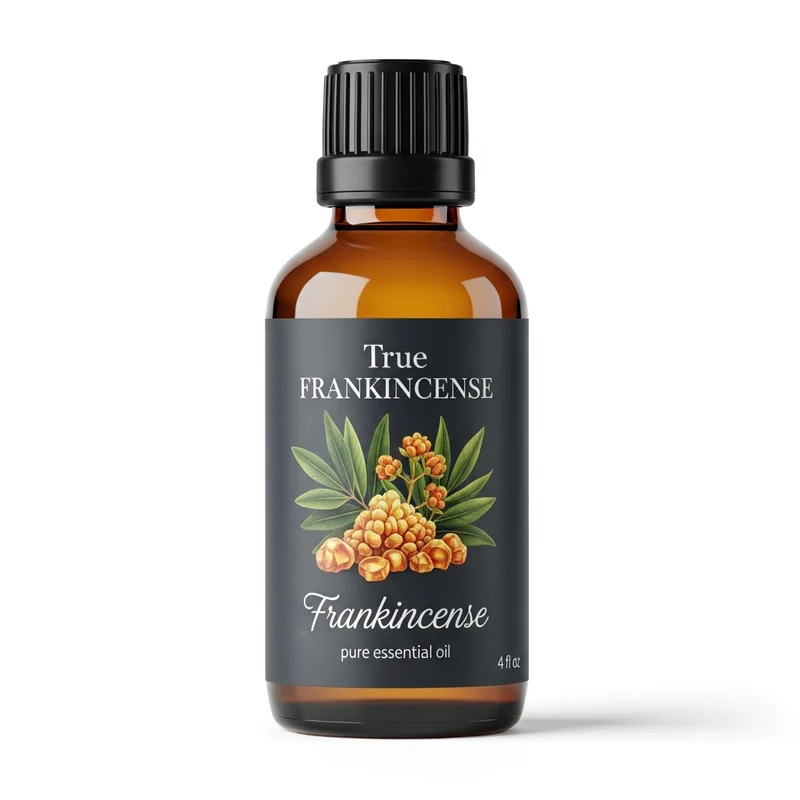
Frankincense Essential Oil
Six single-origin frankincense varieties, steam-distilled and GC/MS verified.
From $10.99
Shop Frankincense Oil →This guide walks you through everything you need to know: the foundational science behind frankincense and its companion botanicals, safe dilution principles, step-by-step roller recipes, and the application techniques that enthusiasts swear by. As always, essential oils are tools for wellness support — they are not medicines, and nothing here should be taken as medical advice or a substitute for professional healthcare guidance.
Why Frankincense? Understanding the Traditional & Research Context
Frankincense essential oil is steam-distilled from the aromatic resin of Boswellia trees, yielding a rich, complex scent profile — earthy, balsamic, faintly citrus, and deeply grounding. Its primary active constituents include alpha-pinene, limonene, and the celebrated boswellic acids (which are largely present in the resin extract rather than the steam-distilled oil itself).
So why do so many aromatherapy practitioners turn to a frankincense tension headache blend rather than, say, peppermint alone? A few reasons worth understanding:
- Traditionally grounding aroma: Across Ayurvedic, traditional Chinese, and Middle Eastern wellness traditions, frankincense has long been used to promote feelings of calm and mental clarity — two states that many people associate with tension relief.
- Some research suggests promising properties: Preliminary laboratory and animal studies have explored frankincense oil's potential interaction with inflammatory pathways and the central nervous system. Some research suggests the constituent alpha-pinene may support a sense of calm, though human clinical trials remain limited. These are observations, not proven medical outcomes.
- Synergy with other botanicals: Frankincense's warm, resinous base note blends exceptionally well with cooling oils like peppermint and soothing ones like lavender — creating layered aromatic experiences that people report finding comforting during moments of head tension.
Important note: Essential oils are not clinically proven treatments for headaches or any medical condition. If you experience frequent, severe, or unusual headaches, please consult a qualified healthcare provider before relying on any home remedy.
The Essential Safety Framework: Dilution & Patch Testing
Before you uncap a single bottle, let's establish the non-negotiables. Roller bottles make dilution beautifully simple — but only if you get the ratios right from the start.
Dilution Ratios for Roller Bottles
| Use Case | Dilution % | Drops of EO per 10ml Carrier |
|---|---|---|
| Sensitive skin / facial application | 1% | ~6 drops total |
| General adult use (temples, neck) | 2% | ~12 drops total |
| Short-term localized use (adults) | 3% | ~18 drops total |
| Children ages 6–12 (with caution) | 0.5–1% | ~3–6 drops total |
For a standard 10ml roller bottle, a 2% dilution is the sweet spot recommended by most certified aromatherapists for regular adult topical use on the temples and neck.
Choosing Your Carrier Oil
The carrier oil you choose affects both skin feel and how quickly the blend absorbs. For a frankincense headache roller, consider:
- Fractionated coconut oil: Lightweight, virtually odourless, and very long shelf life. The gold standard for roller blends.
- Jojoba oil: Technically a liquid wax, jojoba closely mimics skin's natural sebum. Excellent for facial and temple application. Shelf-stable.
- Sweet almond oil: Slightly richer, with a mild nutty scent. Avoid if you have nut allergies.
- Rosehip oil: Rich in fatty acids and absorbs relatively quickly — though its shorter shelf life means you'll want to use blends within 3–4 months.
Patch Testing Protocol
- Apply a small amount of the diluted blend to the inside of your elbow or wrist.
- Wait 24–48 hours.
- If you observe redness, itching, or irritation, discontinue use immediately and consult a dermatologist.
⚠ Contraindications & Cautions: Avoid applying essential oil blends near the eyes, mucous membranes, or broken skin. Do not use on children under 6 without guidance from a paediatric aromatherapist. If you are pregnant, nursing, or managing a serious health condition, consult your healthcare provider before using any essential oil blend. Peppermint oil in particular should not be used near the faces of young children. Essential oils are not a replacement for prescribed medication — never discontinue medical treatment on the basis of aromatherapy use.
The Core Blending Principles for a Tension-Focused Roller
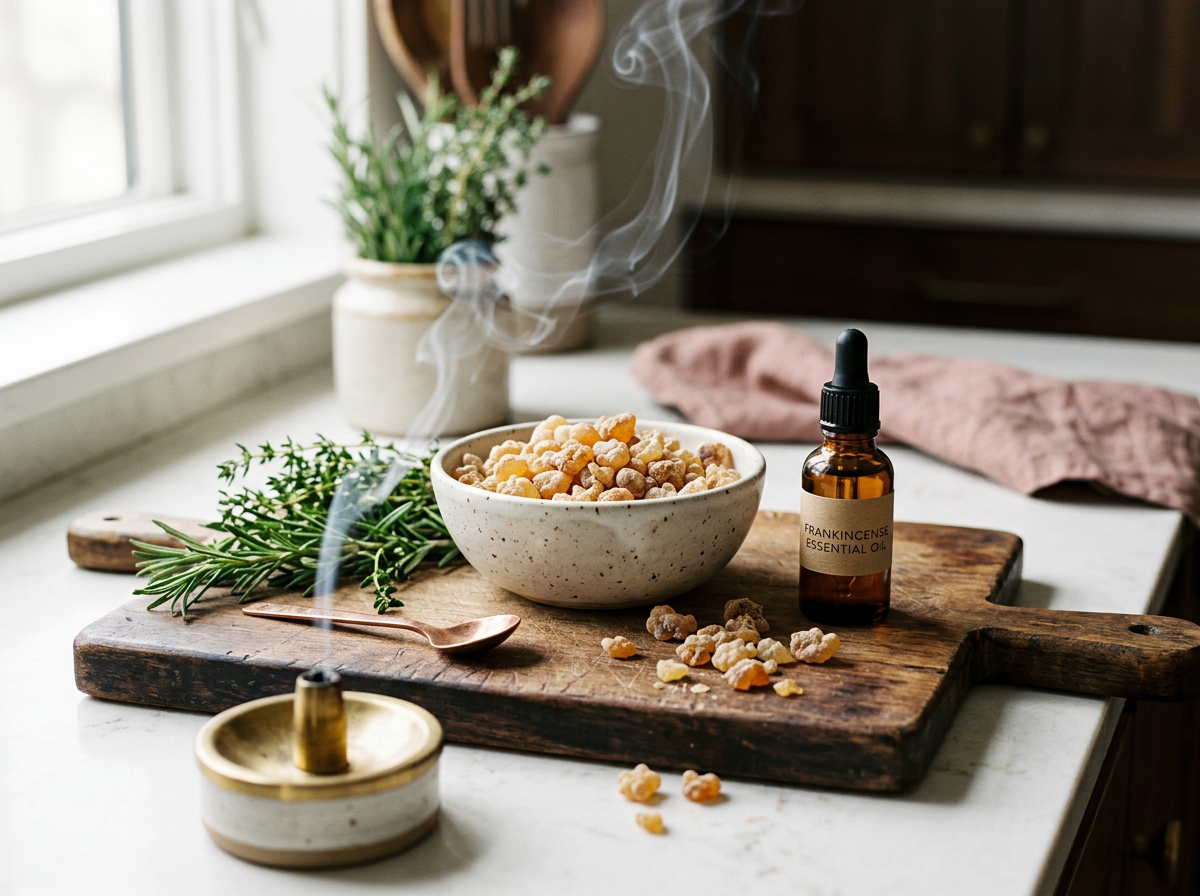
A well-constructed essential oil roller headache blend is built on the perfumer's model of top, middle, and base notes — but weighted toward function and aroma harmony rather than fragrance alone.
- Base note anchor (frankincense): Grounds the blend, slows the evaporation of lighter oils, and contributes its own traditionally calming aromatic character.
- Middle note bridge (lavender, Roman chamomile, or marjoram): These oils are traditionally associated with relaxation and may help create a cohesive, soothing aroma experience.
- Top note activation (peppermint or spearmint): The cool, sharp opening note that many people associate with a refreshing sensation on the temples. Peppermint contains menthol, which creates a physical cooling effect on the skin — often reported as one of the more immediately noticeable aspects of any tension-focused roller blend.
Four Frankincense Roller Recipes to Try
Each of the following recipes is formulated for a 10ml glass roller bottle at approximately 2% dilution for general adult use. All drop counts are approximate — the exact number may vary slightly based on your dropper insert. Top up with your chosen carrier oil after adding essential oils.
Recipe 1: The Classic Frankincense & Peppermint Roller
Clean, cooling, and direct. The most popular starting point for those new to frankincense tension headache blends.
- 4 drops Frankincense (Boswellia sacra or B. carterii)
- 5 drops Peppermint (Mentha × piperita)
- 3 drops Lavender (Lavandula angustifolia)
- Top up with fractionated coconut oil to 10ml
Aromatic profile: Crisp and cool opening with a warm, resinous dry-down. People describe this blend as simultaneously refreshing and settling.
Application suggestion: Roll across the temples, the back of the neck, and the hairline at the base of the skull. Avoid the eye area.
Recipe 2: The Deeply Grounding Blend
For those who find the cool sharpness of peppermint too intense, or who prefer a warmer, more meditative aromatic experience.
- 5 drops Frankincense (Boswellia sacra)
- 4 drops Lavender (Lavandula angustifolia)
- 3 drops Roman Chamomile (Anthemis nobilis)
- Top up with jojoba oil to 10ml
Aromatic profile: Soft, floral, and deeply balsamic. Roman chamomile adds a distinctive apple-like sweetness. Often described as the most serene of these four blends.
Note: Roman chamomile is among the more expensive essential oils. If cost is a consideration, Blue Tansy (Tanacetum annuum) at 1–2 drops offers a similarly calming aromatic character, though it will tint your carrier oil a deep blue.
Recipe 3: The Tension & Neck Focus Roller
Formulated with the neck and shoulder area in mind — where many people report that tension seems to originate before radiating upward.
- 4 drops Frankincense (Boswellia carterii)
- 3 drops Peppermint (Mentha × piperita)
- 3 drops Sweet Marjoram (Origanum majorana)
- 2 drops Helichrysum (Helichrysum italicum) — optional but elevating
- Top up with fractionated coconut oil to 10ml
Aromatic profile: Herbal, slightly spicy, with a cooling top note. Sweet marjoram has a long history of traditional use in European herbalism and aromatherapy for its warming, comforting aromatic properties.
Application suggestion: Focus on the neck, trapezius muscles, and the base of the skull. May be applied to temples as well.
Recipe 4: The Uplifting Citrus-Frankincense Roller
A lighter, brighter take on the frankincense tension headache roller — particularly popular in the morning or when tension is accompanied by mental fatigue.
- 4 drops Frankincense (Boswellia sacra)
- 4 drops Wild Orange (Citrus sinensis)
- 2 drops Spearmint (Mentha spicata)
- 2 drops Eucalyptus radiata
- Top up with jojoba oil to 10ml
Aromatic profile: Bright, sweet citrus top note gives way to a cool herbal middle and warm, resinous base. Many people find this blend energising rather than sedating.
⚠ Phototoxicity note: Wild orange (Citrus sinensis) is generally considered non-phototoxic unlike cold-pressed citrus oils such as bergamot or lemon. However, avoid sun exposure on any skin area where citrus-containing oils have been applied, and allow at least 12 hours before UV exposure as a precaution.
How to Make Your Roller Blend: Step-by-Step
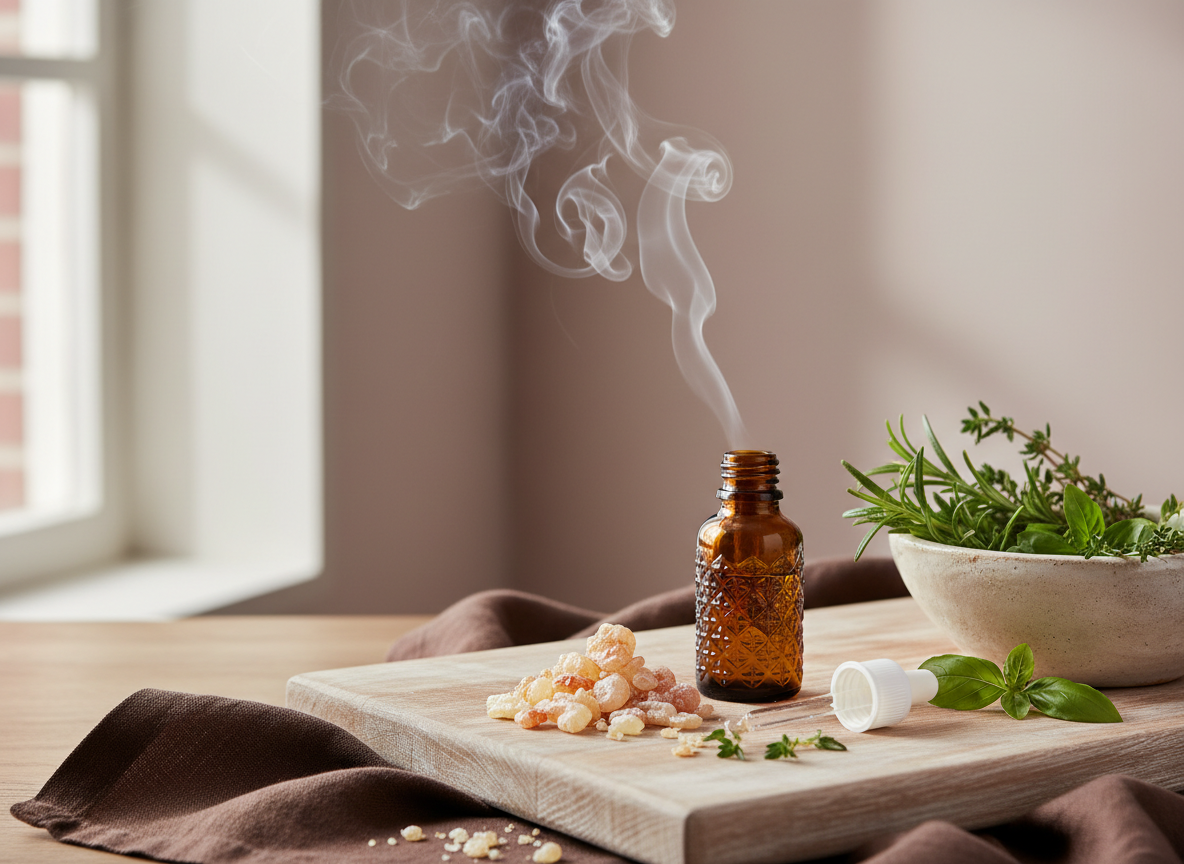
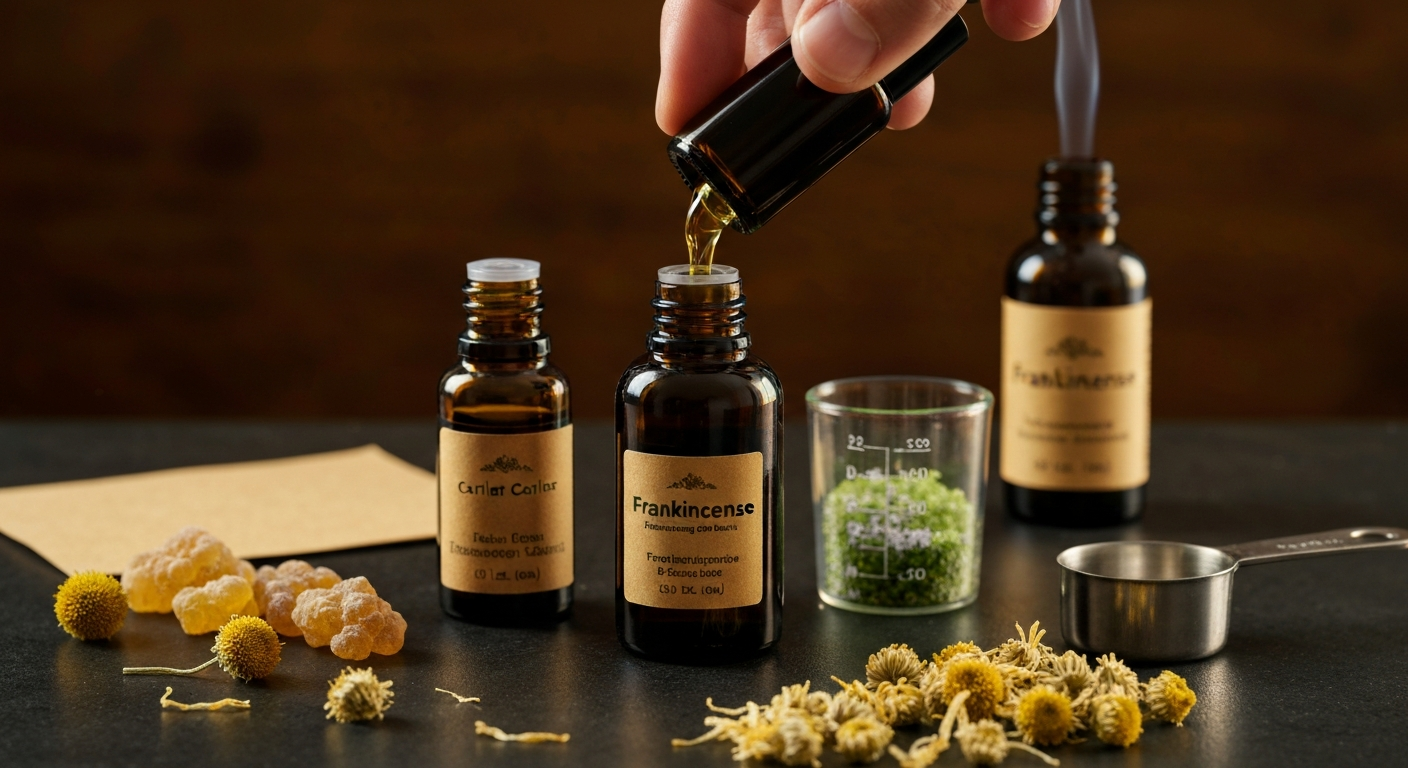
- Gather your materials: 10ml glass roller bottles (dark amber or cobalt blue to protect oil integrity from light), a small funnel or pipette, your chosen carrier oil, and all essential oils.
- Remove the roller ball: Use the back of a spoon or a roller ball remover tool to gently pop out the insert.
- Add essential oils first: Drop your essential oils directly into the empty bottle. This allows you to adjust the ratio before diluting.
- Top up with carrier oil: Fill to just below the neck of the bottle, leaving room for the roller ball assembly.
- Reinsert the roller ball: Press firmly until it clicks into place.
- Cap and label: Always label with the blend name, date, and contents. Most blends remain viable for 12–18 months if stored correctly.
- Roll gently between your palms to combine before first use — do not shake vigorously, as this can introduce air bubbles.
- Patch test before full application (see above).
Application Technique: Getting the Most from Your Roller
The how of application matters as much as the blend itself. Here is a simple sequence that aromatherapy practitioners often recommend:
- Temples: Apply in small, slow circular motions. Use gentle pressure — the skin here is thin and sensitive.
- Third eye point: A single roll across the centre of the forehead, between the brows, is a classic aromatherapy application point.
- Base of skull: Roll across the occipital ridge — the bony ridge where the neck meets the skull. This is a key tension accumulation point for many people.
- Neck and upper trapezius: For blends that include marjoram or deeper oils, extend application down the sides and back of the neck.
- Breathe intentionally: After applying, cup your hands gently over your nose (without touching your eyes) and take 3–5 slow, deep breaths. The aromatic inhalation component is a central part of the traditional aromatherapy experience.
Many people find it helpful to use their roller as part of a broader relaxation practice — dimming lights, stepping away from screens, and taking a short rest after application, rather than expecting the oil alone to do the work.
Storage, Shelf Life & Roller Bottle Care
- Store roller bottles away from direct sunlight and heat — a drawer, cabinet, or dedicated oil storage box is ideal.
- Carrier oils containing vitamin E (such as jojoba) naturally resist oxidation and extend shelf life.
- If a blend begins to smell rancid or "off", discard it. Oxidised oils can cause skin sensitisation.
- Clean roller balls before refilling: soak in isopropyl alcohol, rinse with water, and allow to dry completely.
A Note on Quality: Your Frankincense Matters
Not all frankincense essential oils are created equal. The therapeutic aromatic profile of a genuine steam-distilled Boswellia sacra from Dhofar, Oman is profoundly different from a synthetic fragrance oil or a low-grade adulterated product. When sourcing for your frankincense tension headache roller blends, look for:
- Clear GC/MS (gas chromatography/mass spectrometry) testing documentation
- Transparent country of origin and distillation method disclosure
- Single-species botanical naming (e.g., Boswellia sacra, not just "frankincense")
- Ethical sourcing practices that support sustainable harvesting communities
The quality of your carrier oil matters equally. Cold-pressed, ideally organic carriers will complement your essential oils rather than competing with or diminishing them.
Final Thoughts
Crafting a personal frankincense headache roller is one of the most accessible entry points into the world of serious aromatherapy — and one of the most rewarding. The process itself — selecting oils, blending by instinct and knowledge, decanting into a beautiful amber bottle — is its own small ritual of intention and care.
These blends will not replace medical care, and they make no promises that science has not yet kept. What they offer is something subtler: a mindful, sensory moment of self-tending, rooted in traditions that stretch back millennia and informed by the best available contemporary knowledge about these extraordinary botanical oils.
Start with Recipe 1 if you are new to essential oil roller blends. Adjust, experiment, and — above all — smell as you go. Your nose is your most important instrument.
As always, if you experience persistent, worsening, or unusually severe headaches, please speak with a qualified healthcare provider. Essential oils are a complement to wellness — never a replacement for professional medical assessment and care.