DIY Frankincense Deodorant That Actually Works
The quest for an effective natural deodorant often leads to disappointment—formulas that leave you questioning their efficacy by midday. However, this carefully crafted frankincense deodorant DIY recipe combines the time-honored properties of frankincense essential oil with proven natural ingredients to create a deodorant that may actually meet your expectations.
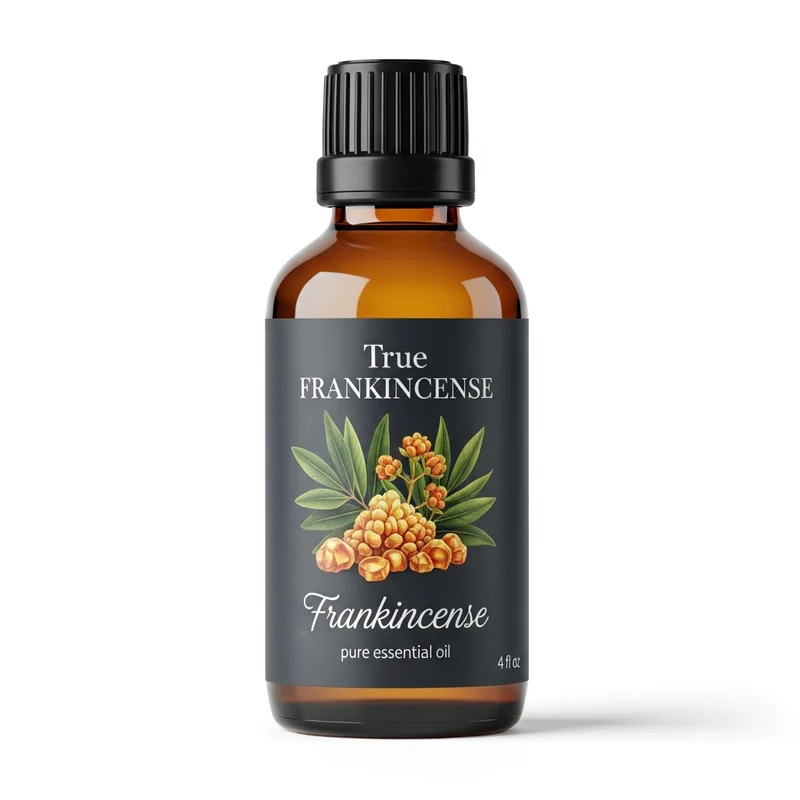
Frankincense Essential Oil
Six single-origin frankincense varieties, steam-distilled and GC/MS verified.
From $12.99
Shop Frankincense Oil →Frankincense, revered for thousands of years across ancient civilizations, brings its distinctive woody, slightly citrusy aroma to this formulation. When blended with complementary natural ingredients, it creates a deodorant that people report provides reliable protection while remaining gentle on sensitive underarm skin.
Why This Natural Deodorant Recipe Works
Unlike many homemade deodorant frankincense recipes that rely solely on baking soda (which can cause irritation), this formula balances multiple effective ingredients. The coconut oil provides a smooth base while potentially offering antimicrobial properties. Arrowroot powder absorbs moisture, while a small amount of baking soda may help neutralize odors without overwhelming sensitive skin.
The frankincense essential oil serves as more than just fragrance—traditionally used in personal care preparations, it may help support the skin's natural balance while providing that signature luxurious scent that sets this deodorant apart from commercial alternatives.
Complete Ingredients List
Difficulty Level: Beginner
Prep Time: 15 minutes
Setting Time: 2-3 hours
Yield: Approximately 3 oz (enough for 2-3 months of daily use)
Essential Ingredients:
- 3 tablespoons coconut oil (refined or unrefined)
- 2 tablespoons arrowroot powder (or cornstarch as substitute)
- 1 tablespoon baking soda
- 1 tablespoon beeswax pellets (or candelilla wax for vegan option)
- 15-20 drops frankincense essential oil
- 5-8 drops complementary essential oil (optional - lavender or bergamot work well)
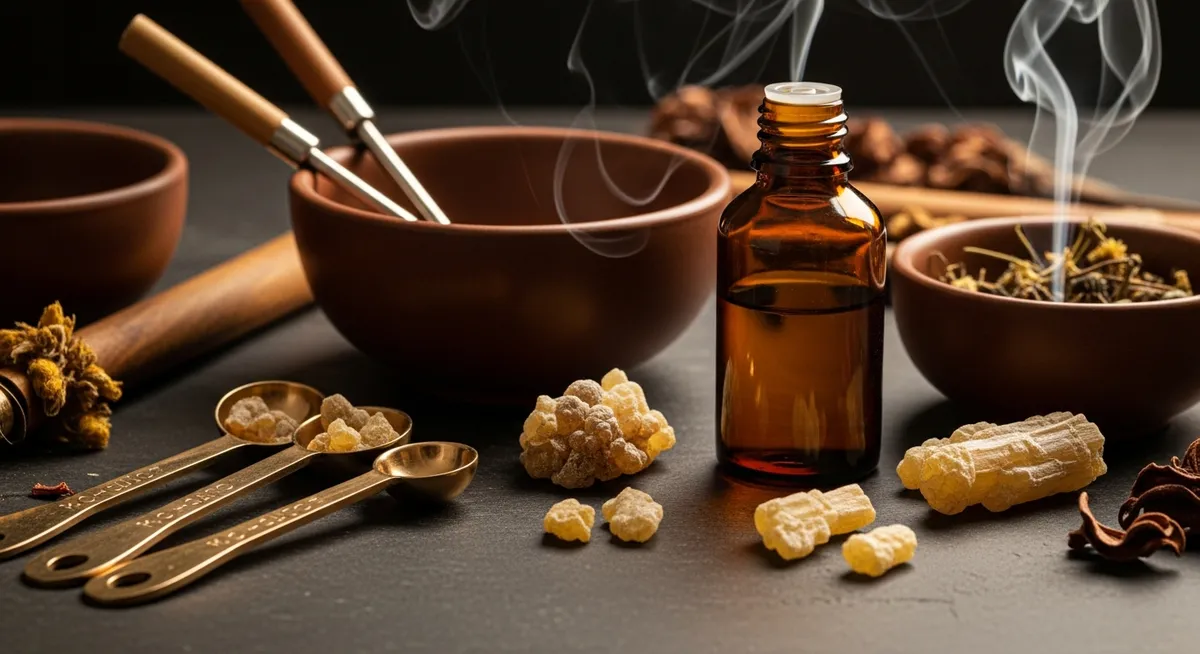
Equipment Needed:
- Double boiler or heat-safe bowl with saucepan
- Whisk or fork for mixing
- Empty deodorant tubes or small glass jars
- Measuring spoons
- Small funnel (helpful but not essential)
Step-by-Step Instructions
Step 1: Prepare Your Workspace
Ensure all equipment is clean and dry. If using deodorant tubes, have them ready and easily accessible—the mixture will begin to set quickly once removed from heat.
Step 2: Melt the Base Oils
Using a double boiler or improvised version (heat-safe bowl over simmering water), gently melt the coconut oil and beeswax together. Stir occasionally until completely liquefied and well combined. Remove from heat.
Step 3: Add Dry Ingredients
Quickly whisk in the arrowroot powder and baking soda while the oil mixture is still warm but not hot. Mix thoroughly to eliminate lumps and create a smooth consistency.
Step 4: Incorporate Essential Oils
Allow the mixture to cool slightly (but remain liquid) before adding the frankincense essential oil and any complementary oils. This prevents the heat from diminishing the oil's aromatic compounds. Stir well to distribute evenly.
Step 5: Pour and Set
Working quickly, pour the mixture into deodorant tubes or small jars. If using tubes, fill to just below the rim to allow for easy application. Place in refrigerator for 2-3 hours to set completely.
Critical Safety Guidelines
Essential Oil Dilution: This recipe maintains a safe dilution ratio of approximately 1-1.5% for the essential oils. Do not exceed 25 drops total essential oil in this quantity of base ingredients.
Patch Testing Required: Before using this natural deodorant recipe, perform a patch test by applying a small amount to your inner forearm. Wait 24 hours to check for any irritation, redness, or allergic reaction.
Baking Soda Sensitivity: If you experience irritation from baking soda, reduce the amount to 1 teaspoon or substitute with additional arrowroot powder. Some people find baking soda too harsh for delicate underarm skin.
Contraindications:
- Avoid if pregnant or nursing without consulting your healthcare provider
- Not recommended for children under 6 years old
- Discontinue use if skin irritation occurs
- Do not apply to broken or irritated skin
Storage and Shelf Life
Store your finished deodorant in a cool, dry place away from direct sunlight. (See: NIH — Boswellia Research.) In temperatures above 76°F, coconut oil naturally liquefies, so refrigeration during hot weather may be necessary.
Shelf Life: When stored properly, this deodorant should maintain its effectiveness for 6-12 months. The absence of water in the formula helps prevent bacterial growth, but always check for any changes in smell, texture, or appearance before use.
Application Tips: Allow the deodorant to warm slightly against your skin before application. A few seconds of contact will soften the surface for smooth, even coverage.
Variations and Customizations
For Sensitive Skin:
Replace baking soda entirely with additional arrowroot powder and add 1 tablespoon of zinc oxide powder, which may provide gentle odor protection without irritation.
Enhanced Moisture Control:
Add 1 tablespoon of bentonite clay to the dry ingredients for additional absorption properties. This works particularly well for those who tend to perspire heavily.
Alternative Scent Profiles:
While frankincense provides an elegant base note, you can explore different aromatherapy blends by checking our guide to frankincense oil blends for inspiration.
Vegan Substitution:
Replace beeswax with candelilla wax using a 1:1 ratio. Candelilla wax is slightly harder, so you may need to add an extra teaspoon of coconut oil to maintain the proper consistency.
Troubleshooting Common Issues
Too Soft: If your deodorant remains too soft at room temperature, remelt and add more beeswax, 1 teaspoon at a time.
Too Hard: Add more coconut oil, warming the mixture gently to incorporate.
Grainy Texture: This typically results from the coconut oil cooling too quickly. Remelt gently and allow to cool more gradually.
Skin Irritation: Reduce or eliminate baking soda. Some people require a gentler formulation, especially during the transition period from commercial antiperspirants.
Making It Part of Your Routine
Transitioning to natural deodorant requires patience as your body adjusts. The first few weeks may involve increased sweating as your skin recalibrates from commercial antiperspirants that block pores.
For additional natural skincare inspiration, explore our collection of DIY frankincense recipes or learn more about frankincense for skin applications.
This homemade deodorant represents more than just personal care—it's a return to intentional, mindful self-care using ingredients our ancestors treasured. While results may vary from person to person, many find this natural approach both effective and luxurious.
Important Reminder: This recipe is intended for external use only and is not meant to diagnose, treat, cure, or prevent any medical condition. If you experience persistent skin irritation or have concerns about body odor that may indicate an underlying health issue, consult with a qualified healthcare provider.
Frankincense Essential Oil
Serrata, carterii, sacra, frereana, neglecta and rivae: steam-distilled, GC/MS verified, in sizes from 0.5 oz to bulk.
From $12.99
Shop Frankincense Oil →