Best Frankincense Resin for Burning: Grades, Varieties, and Where to Buy
The ancient art of burning frankincense transforms any space into a sanctuary of tranquility and spiritual reverence. Yet with countless varieties flooding the market—from budget-friendly options to premium Hojari grades—selecting the right frankincense resin can feel overwhelming. This comprehensive buying guide illuminates the path to finding exceptional frankincense resin that delivers the authentic aromatic experience this sacred substance is renowned for.
Whether you're a seasoned practitioner seeking the finest Boswellia sacra tears or a newcomer exploring the world of natural incense, understanding quality indicators, grade classifications, and sourcing practices will elevate your frankincense burning experience from ordinary to extraordinary.
Understanding Frankincense Resin Quality
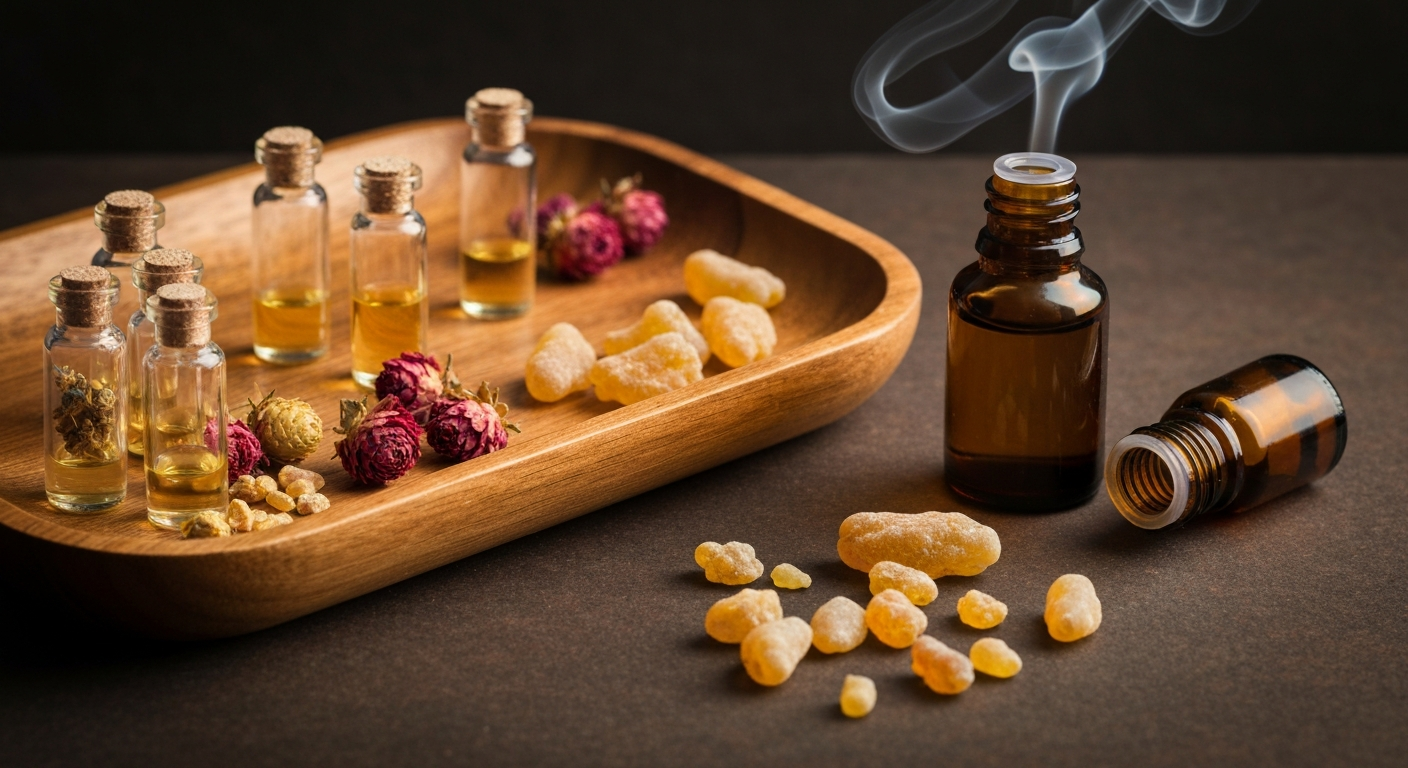
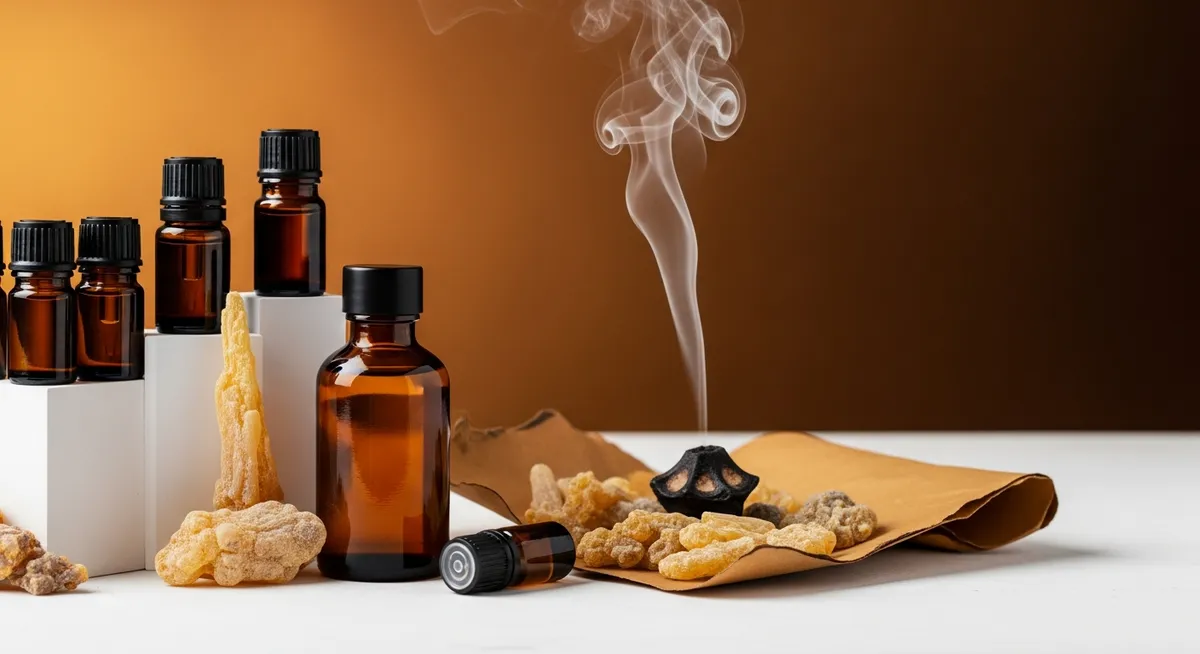
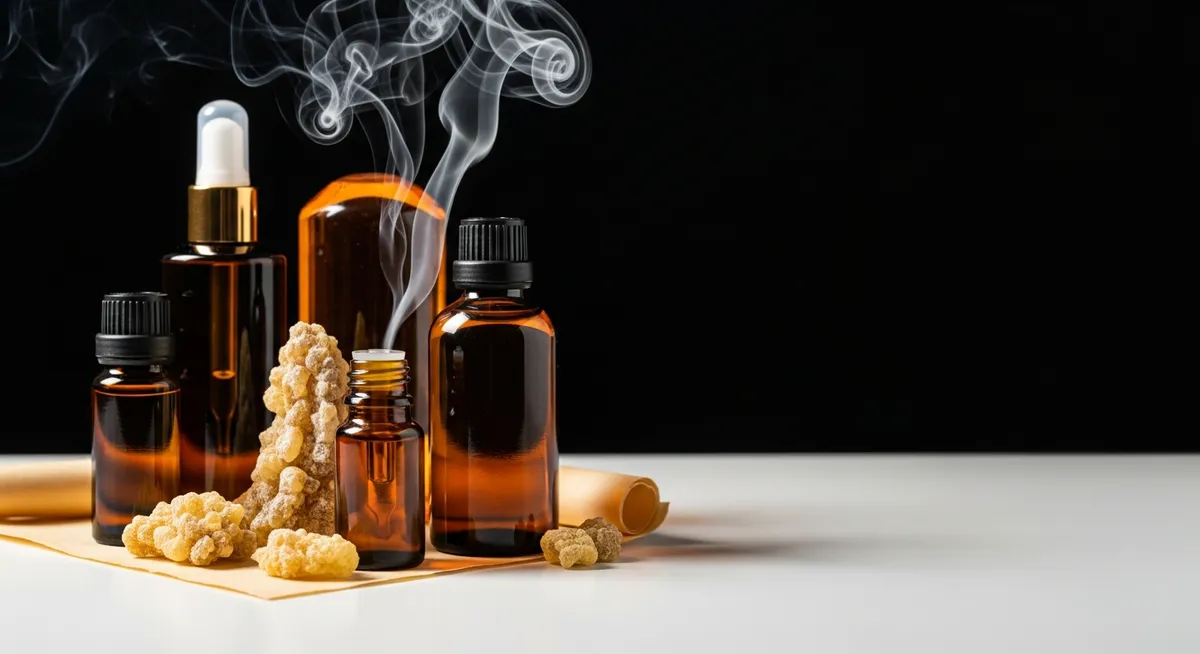
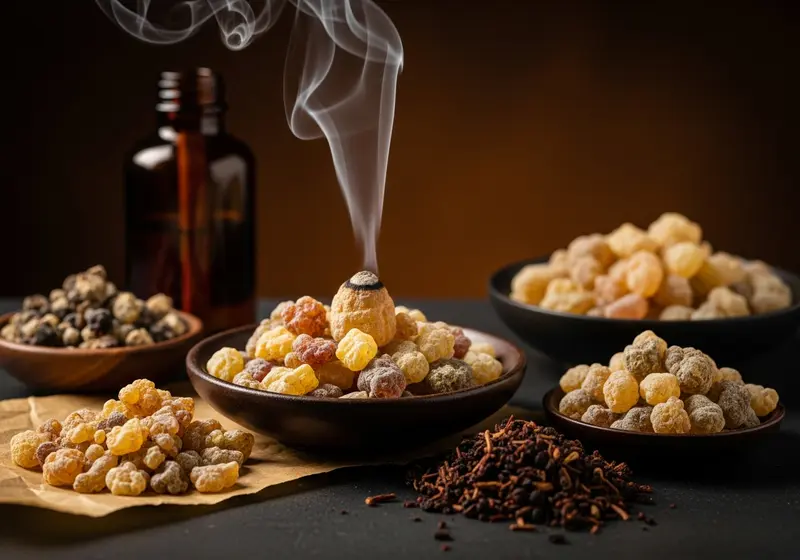
Premium frankincense resin reveals its excellence through several unmistakable characteristics that separate exceptional specimens from inferior alternatives. The most coveted resins exhibit a translucent to pale golden appearance, with individual tears displaying remarkable clarity and minimal impurities.
Visual Quality Indicators
Superior frankincense resin presents as well-formed, teardrop-shaped pieces with smooth surfaces and consistent coloration. The finest grades showcase:
- Translucency: High-quality resin allows light to pass through, creating an almost ethereal glow
- Minimal powder: Excessive dust or powder indicates poor handling or inferior processing
- Uniform sizing: Premium selections feature consistently sized tears without excessive fragments
- Natural variations: Authentic resin displays subtle color variations from pale yellow to light amber
Aromatic Profile Excellence
The fragrance of exceptional frankincense resin unfolds in layers, beginning with bright, citrusy top notes that transition into complex woody and balsamic undertones. When heated, premium resin releases a clean, pure smoke without harsh or acrid characteristics that might indicate contamination or poor storage conditions.
For those curious about the differences between resin and oil forms, our detailed comparison in frankincense resin vs oil explores the unique benefits of each preparation.
Frankincense Varieties and Grades
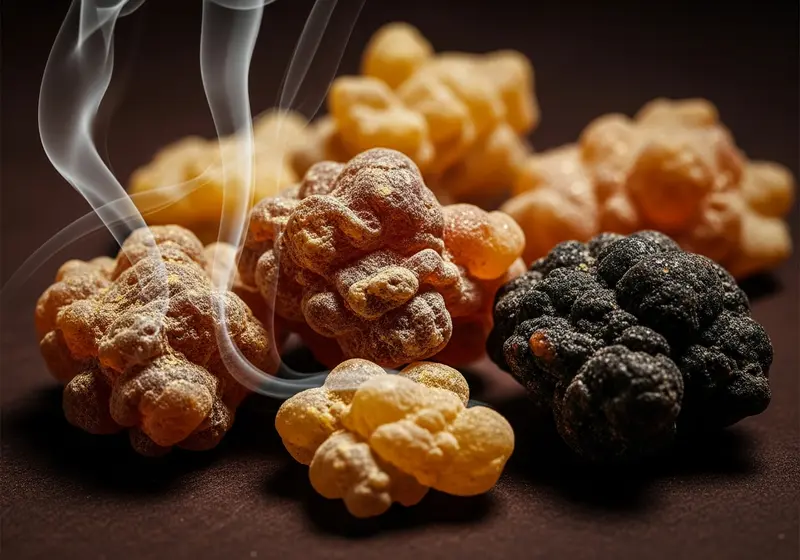
The frankincense market offers several distinct varieties, each with unique characteristics derived from different Boswellia species and geographical origins. Understanding these distinctions empowers informed purchasing decisions based on personal preferences and intended uses.
Hojari Frankincense (Boswellia Sacra)
Hojari frankincense resin represents the pinnacle of quality in the frankincense world. Sourced exclusively from the Dhofar region of Oman, this variety commands premium pricing due to its exceptional purity and complex aromatic profile. Hojari resin typically displays superior translucency and produces the most refined fragrance when burned.
The best Hojari frankincense exhibits multiple grade classifications:
- Royal Grade (Hojari Maliki): The finest selection featuring large, perfectly formed tears
- Superior Grade (Hojari Najdi): High-quality resin with excellent clarity and minimal impurities
- Select Grade (Hojari Shathari): Good quality resin suitable for regular burning practices
Maydi Frankincense (Boswellia Frereana)
Originating from Northern Somalia, Maydi frankincense offers a distinctive lemon-pine fragrance profile that sets it apart from other varieties. This resin tends to be slightly more opaque than Hojari but provides excellent value for those seeking authentic frankincense with unique aromatic characteristics.
Beyo Frankincense (Boswellia Papyrifera)
Sourced primarily from Ethiopia and Sudan, Beyo frankincense presents an accessible entry point for newcomers while still delivering genuine frankincense benefits. Though generally more affordable than Omani varieties, quality Beyo resin can provide satisfying aromatic experiences.
Key Features to Compare When Shopping
Successful frankincense resin selection requires evaluating multiple factors that influence both immediate satisfaction and long-term value. Smart buyers consider these essential criteria before making purchasing decisions.
Origin and Authenticity
Reputable suppliers provide clear information about geographical origin, harvest dates, and certification of authenticity. Genuine frankincense resin should include documentation of its source region and, ideally, information about sustainable harvesting practices.
Processing and Storage
Premium frankincense undergoes careful processing to remove bark fragments and debris while preserving the integrity of individual tears. Proper storage in cool, dry conditions prevents degradation and maintains aromatic potency.
Packaging Quality
Professional packaging protects frankincense resin from moisture, light, and contamination during shipping and storage. Look for suppliers who use airtight containers or sealed bags that preserve freshness until opening.
Supplier Reputation
Established suppliers with positive customer feedback, transparent business practices, and knowledgeable customer service indicate reliable sources for authentic frankincense resin. Research supplier backgrounds and read customer reviews before committing to large purchases.
Our comprehensive frankincense quality guide provides additional insights into identifying premium specimens and avoiding common quality issues.
Top Frankincense Resin Picks by Price Point
Different budgets and experience levels call for different frankincense selections. These carefully curated recommendations span multiple price ranges while maintaining quality standards appropriate for each category.
Premium Selection ($40-80 per ounce)
Finest Hojari Royal Grade: For connoisseurs seeking the ultimate frankincense experience, premium Hojari Royal Grade delivers unparalleled purity and complexity. These carefully selected tears showcase perfect translucency and produce remarkably clean, sophisticated fragrance profiles when burned.
Premium selections typically include detailed provenance information, sustainable harvesting certifications, and superior packaging that preserves quality during storage. (See: NIH — Boswellia Research.) Investment in top-tier frankincense rewards users with consistently exceptional burning experiences.
Mid-Range Options ($15-35 per ounce)
Hojari Select Grade: Offering excellent value for regular practitioners, mid-range Hojari provides authentic Omani frankincense without premium pricing. These selections maintain good clarity and aromatic quality while accommodating more frequent use.
Premium Maydi: Superior Maydi frankincense delivers distinctive citrusy notes and reliable quality at attractive price points. This variety appeals to users seeking unique aromatic profiles and consistent burning characteristics.
Budget-Friendly Choices ($8-20 per ounce)
Quality Beyo Frankincense: Ethiopian and Sudanese varieties provide genuine frankincense experiences for newcomers and budget-conscious buyers. While less refined than premium Omani grades, quality Beyo resin offers authentic aromatic benefits.
Maydi Mixed Grades: Combining different Maydi grade levels creates affordable options that maintain reasonable quality standards while reducing costs for regular burning practices.
Red Flags to Avoid
Protecting your investment requires recognizing warning signs that indicate poor quality, questionable authenticity, or unreliable suppliers. These red flags help identify potential problems before making purchasing commitments.
Quality Concerns
- Excessive powder or dust: Indicates poor handling, old stock, or inferior processing methods
- Dark or opaque coloration: May signal contamination, oxidation, or mixing with inferior materials
- Synthetic fragrance: Artificial scents added to enhance poor-quality resin
- Irregular burning: Quality resin should melt and release fragrance consistently without excessive smoke or harsh odors
Supplier Warning Signs
- Vague origin information: Legitimate suppliers provide specific geographical and botanical details
- Unrealistic pricing: Extremely low prices often indicate inferior quality or questionable authenticity
- Poor customer service: Unresponsive or unknowledgeable support suggests unprofessional operations
- Lack of return policies: Reputable suppliers stand behind their products with reasonable return options
Packaging Issues
Substandard packaging that allows moisture infiltration, light exposure, or contamination compromises resin quality and indicates careless handling throughout the supply chain.
Where to Buy Quality Frankincense Resin
Sourcing authentic, high-quality frankincense resin requires identifying reputable suppliers who prioritize product integrity and customer satisfaction. Multiple purchasing channels offer different advantages depending on specific needs and preferences.
Specialized Essential Oil Retailers
Dedicated aromatherapy and essential oil suppliers often maintain extensive frankincense collections with detailed product information and quality certifications. These retailers typically offer expert guidance and educational resources to support informed purchasing decisions.
Direct Import Companies
Companies specializing in direct relationships with Middle Eastern and African suppliers can provide authentic frankincense with detailed provenance information. These sources often offer competitive pricing due to reduced intermediary costs.
Artisan Incense Makers
Small-batch incense artisans frequently source exceptional frankincense resin and can provide personalized recommendations based on specific preferences and intended uses. These suppliers often prioritize quality over quantity.
Online Marketplaces
While online platforms offer convenience and competitive pricing, buyers must exercise increased caution regarding quality verification and supplier credibility. Research seller ratings, read detailed reviews, and verify return policies before purchasing.
Local Spiritual and Wellness Stores
Physical examination allows direct quality assessment, though selection may be limited compared to online sources. Local stores often provide immediate gratification and personal service for smaller quantities.
For detailed instructions on maximizing your frankincense experience, consult our guide on how to burn frankincense resin properly and safely.
Storage and Handling Best Practices
Preserving frankincense resin quality requires proper storage techniques that protect against moisture, light, and temperature fluctuations. These practices ensure long-term freshness and maintain aromatic potency.
Optimal Storage Conditions
- Cool, dry environment: Room temperature or slightly cooler prevents resin softening
- Airtight containers: Glass jars or sealed bags prevent moisture infiltration
- Dark storage: Protection from direct light preserves color and prevents degradation
- Stable temperature: Avoid areas with significant temperature variations
Handling Guidelines
Clean, dry hands prevent contamination when handling frankincense resin. Use small utensils or tweezers for selecting individual pieces to minimize oil transfer from skin contact.
Making Your Final Selection
The perfect frankincense resin selection balances personal preferences, intended uses, and budget considerations while prioritizing quality and authenticity. Consider starting with smaller quantities of different varieties to identify preferences before committing to larger purchases.
Premium Hojari frankincense resin justifies its price point for special occasions and discerning practitioners, while quality mid-range options serve well for regular use. Budget selections provide accessible entry points for newcomers exploring the ancient art of frankincense burning.
Remember that the best frankincense resin for your needs combines exceptional quality with reliable sourcing, proper storage, and sustainable harvesting practices. Take time to research suppliers, read customer reviews, and verify authenticity before making significant investments in this precious aromatic treasure.
The journey toward finding your ideal frankincense resin rewards patience and careful consideration with countless moments of aromatic bliss and spiritual connection that have captivated humanity for millennia.
Shop Frankincense Essential Oil
If the aroma of burning resin has you curious about the oil, our shop carries six steam-distilled varieties spanning the same origins and grades.
Shop Frankincense Oil →