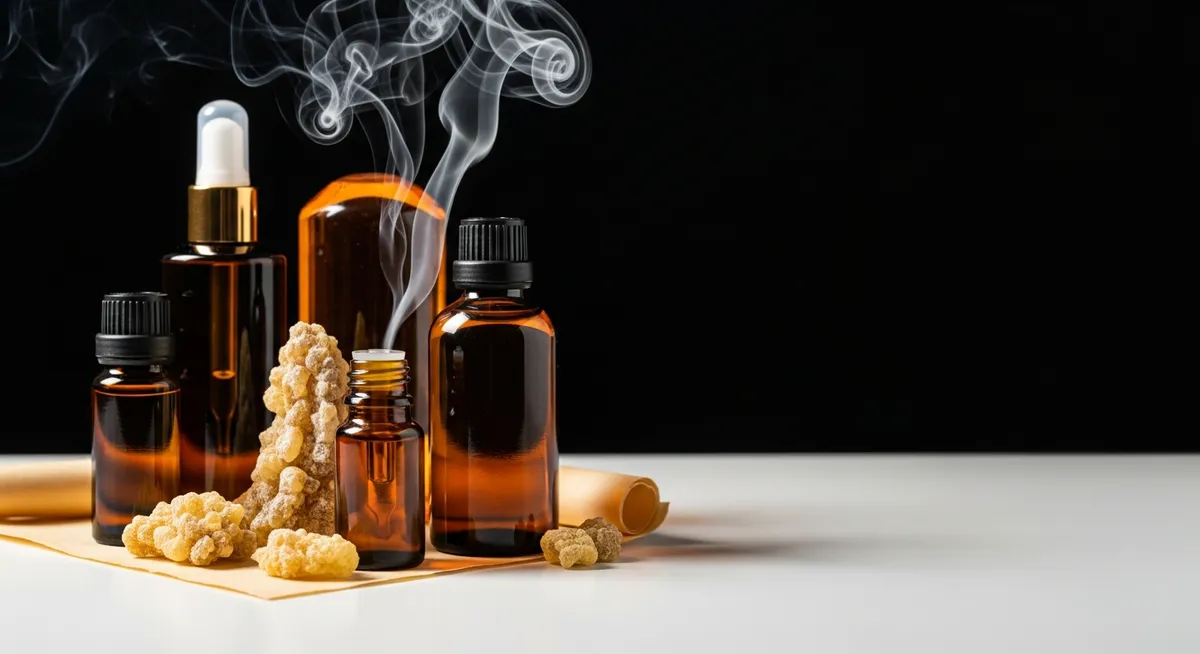
Best Frankincense Oil for Diffusing: Aroma Profiles and Recommendations
The ancient art of burning frankincense has evolved into the modern practice of diffusing its precious essential oil, bringing the same revered aroma into contemporary homes with unprecedented convenience and control. Yet with dozens of frankincense oils flooding the market, selecting the ideal option for your diffuser requires understanding the subtle distinctions that separate exceptional oils from mediocre alternatives.
This comprehensive guide illuminates the path to finding the best frankincense for diffuser use, examining quality indicators, aroma profiles, and expert recommendations across various price points. Whether you're seeking the sacred scent for meditation, creating an atmosphere of luxury, or simply enjoying one of nature's most treasured fragrances, the right frankincense oil can transform your space into a sanctuary of tranquility.
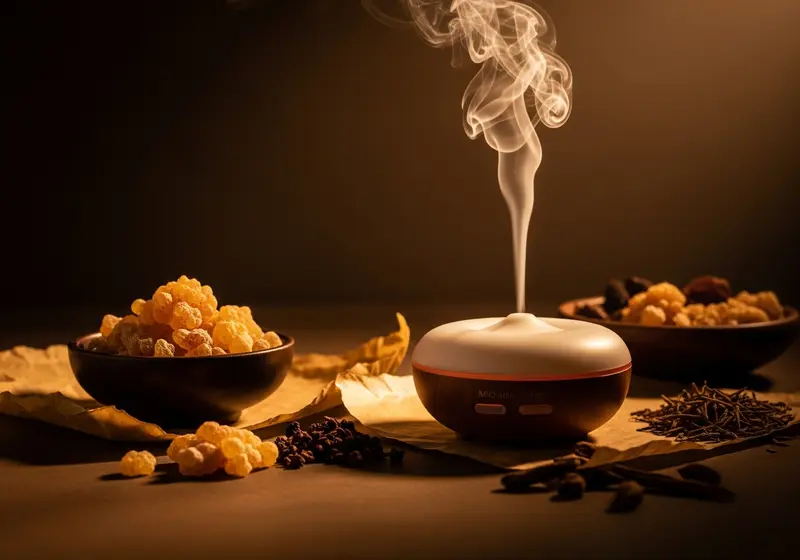
Understanding Frankincense Oil Quality: What Separates Excellence from Ordinary
The journey to selecting superior frankincense oil begins with recognizing the hallmarks of quality that distinguish authentic, potent oils from diluted or synthetic alternatives. These quality indicators serve as your compass in navigating the complex landscape of frankincense offerings.
Botanical Source and Species Clarity
Premium frankincense oils clearly identify their botanical source, typically featuring species such as Boswellia carterii, Boswellia serrata, or Boswellia frereana. Each species offers distinct aromatic characteristics, and reputable suppliers provide this crucial information prominently. Vague labeling such as "frankincense blend" or missing species identification often indicates lower quality or synthetic additions.
For those seeking deeper understanding of these botanical distinctions, our comprehensive boswellia species guide explores how different frankincense varieties impact both aroma and diffusion characteristics.
Extraction Method and Purity Standards
Steam distillation represents the gold standard for frankincense essential oil extraction, preserving the delicate aromatic compounds while ensuring therapeutic-grade purity. CO2 extraction, while more expensive, can offer even more complete aromatic profiles. Avoid oils extracted using harsh solvents or those lacking clear extraction method documentation.
Third-party testing certificates, including GC/MS (Gas Chromatography-Mass Spectrometry) analysis, provide objective verification of an oil's chemical composition and purity. These reports should be readily available from quality suppliers, demonstrating transparency and commitment to excellence.
Geographic Origin and Terroir Influence
Like fine wine, frankincense oils reflect their geographic origins, with Omani, Somali, and Indian varieties each offering unique aromatic signatures. Omani frankincense typically presents sweet, citrusy top notes with deep resinous undertones, while Somali varieties often feature brighter, more lemony characteristics. Indian frankincense tends toward earthier, more woody profiles.
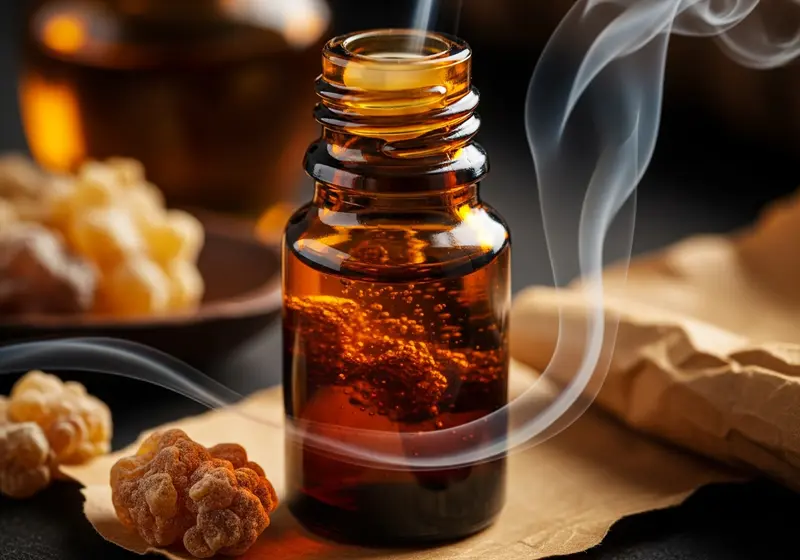
Key Features to Compare When Selecting Frankincense Diffuser Oils
Armed with quality fundamentals, the selection process involves comparing specific features that directly impact your diffusing experience. These considerations ensure your chosen oil performs optimally in your particular diffuser and environment.
Aromatic Intensity and Longevity
Frankincense oils vary significantly in their aromatic strength and persistence when diffused. Some oils project boldly throughout large spaces, while others offer subtle, intimate fragrances better suited to smaller rooms. Consider your intended use: meditation spaces might benefit from gentler oils, while reception areas may require more robust projection.
Longevity refers to how long the scent remains detectable after diffusion begins. Premium oils typically maintain their aromatic presence for 4-6 hours, with top notes evolving into deeper base notes over time. Lower quality oils may fade within 1-2 hours or maintain only single-note simplicity.
Viscosity and Diffuser Compatibility
Frankincense oil viscosity affects diffuser performance, particularly in ultrasonic and nebulizing models. Thicker oils may require dilution with lighter carrier oils to prevent clogging, while overly thin oils might indicate excessive dilution or synthetic additives.
Some frankincense oils naturally crystallize at cooler temperatures, appearing cloudy or developing sediment. This is often a sign of authenticity rather than degradation, as pure frankincense contains natural compounds that solidify below certain temperatures.
Blending Compatibility
The finest frankincense oils serve as excellent foundation scents for custom blends, harmonizing beautifully with complementary oils such as lavender, bergamot, or sandalwood. Quality oils should integrate smoothly without overwhelming or clashing with other aromatics.
Those interested in creating sophisticated scent combinations will find our detailed frankincense diffuser blends guide invaluable for understanding aromatic partnerships and proportions.
Top Frankincense Oil Recommendations by Price Point
Quality frankincense oils span a broad price spectrum, from accessible everyday options to ultra-premium artisanal selections. Understanding value within each category helps identify exceptional oils regardless of budget constraints.
Premium Luxury Segment ($40-80+ per 10ml)
At the apex of frankincense excellence, these oils represent the finest examples of their species, often featuring unique geographic origins, artisanal harvesting methods, or exceptional aging processes.
Characteristics of Premium Options:
- Single-estate sourcing with documented provenance
- Artisanal distillation in small batches
- Complex aromatic profiles with distinct evolution
- Exceptional longevity and projection
- Comprehensive third-party testing documentation
Premium oils often showcase rare varieties such as Royal Hojari from Oman's Dhofar region or ancient tree resins with centuries of traditional harvesting methods. These oils justify their premium pricing through uncompromising quality and extraordinary aromatic experiences.
Mid-Range Quality Segment ($20-40 per 10ml)
This category offers excellent value for discerning users, balancing quality with accessibility. Mid-range options typically feature established suppliers with consistent quality control and reliable sourcing practices.
Expected Features:
- Clear species identification and origin information
- Steam distillation extraction methods
- Good aromatic complexity and moderate longevity
- Reliable diffuser performance
- Basic quality testing documentation
These oils provide authentic frankincense experiences suitable for daily use, offering genuine therapeutic-grade quality without luxury premiums.
Budget-Conscious Segment ($8-20 per 10ml)
Budget-friendly frankincense oils can offer surprising quality when selected carefully, though expectations should align with price points. Focus on established suppliers with transparent practices rather than unknown vendors offering seemingly too-good-to-be-true pricing.
Quality Indicators in Budget Options:
- Clear labeling with botanical names
- Basic extraction method information
- Consistent supplier reviews and reputation
- Authentic frankincense aroma, even if simpler
- Proper packaging with dark glass bottles
Red Flags: Warning Signs of Inferior Frankincense Oils
Navigating the frankincense market requires awareness of common quality issues and deceptive practices that can lead to disappointing purchases or potentially harmful products.
Labeling and Marketing Red Flags
Suspicious labeling often reveals quality issues before opening the bottle. Vague descriptions such as "frankincense fragrance oil" or "frankincense blend" without species identification suggest synthetic or heavily diluted products. Similarly, extraordinary health claims or promises of miraculous benefits indicate marketing-focused rather than quality-focused suppliers.
Pricing that seems impossibly low for genuine frankincense often indicates synthetic oils or excessive dilution. Authentic frankincense requires significant raw materials and processing, making extremely cheap oils economically impossible to produce at quality standards.
Physical and Aromatic Warning Signs
Poor quality frankincense oils often exhibit telltale physical characteristics:
- Overly thin consistency: Genuine frankincense oil should have moderate viscosity
- Artificial scent profile: Synthetic oils lack the complex aromatic evolution of authentic frankincense
- Harsh or chemical undertones: Quality oils should never smell "plasticky" or overly sweet
- Rapid scent dissipation: Authentic oils maintain presence for several hours when diffused
- Clear or unnaturally colored oil: Pure frankincense typically ranges from pale yellow to golden amber
Supplier and Sourcing Concerns
Reputable suppliers provide comprehensive information about their sourcing, processing, and testing practices. Warning signs include reluctance to share extraction methods, absence of third-party testing, or inability to provide specific botanical and geographic information.
Suppliers who make exaggerated medical claims or suggest their oils can replace professional healthcare should be avoided entirely, as this indicates prioritizing marketing over safety and compliance.
Aroma Profile Deep Dive: Understanding Frankincense Scent Characteristics
Appreciating frankincense oil quality requires understanding the complex aromatic journey these oils provide when diffused. True frankincense oils reveal themselves in layers, creating an evolving sensory experience that distinguishes them from simple, static fragrances.
Top Note Characteristics
Initial frankincense impressions typically feature bright, citrusy elements with hints of pine or eucalyptus. These top notes provide immediate recognition and set the aromatic stage for deeper elements to emerge. Quality oils present clean, crisp top notes without harsh or artificial edges.
Regional variations significantly impact top note characteristics: Omani frankincense often features sweeter, more orange-like qualities, while Somali varieties tend toward sharper, more lemony expressions. Indian frankincense may present earthier, more herbal initial impressions.
Heart Note Development
As diffusion continues, frankincense reveals its heart notes – the core aromatic character that defines its personality. These middle notes typically showcase the classic "frankincense" scent most people recognize: warm, resinous, slightly spicy, with subtle floral undertones.
Premium oils demonstrate greater complexity in their heart note development, revealing nuanced spice elements, honey-like sweetness, or delicate floral whispers that create depth and interest throughout the diffusion experience.
Base Note Richness
The final aromatic phase showcases frankincense's most treasured qualities: deep, woody base notes with rich resinous character. These foundational elements provide lasting presence and create the contemplative atmosphere traditionally associated with frankincense use.
Exceptional oils maintain their base note integrity for hours, slowly fading rather than disappearing abruptly. This extended presence allows for sustained aromatic enjoyment and creates the immersive experience that makes frankincense so prized for meditation and relaxation practices.
For those seeking to maximize their frankincense experience through thoughtful application, our comprehensive frankincense aromatherapy guide provides detailed insights into traditional uses and modern applications.
Where to Buy: Trusted Sources for Quality Frankincense Oils
The source of your frankincense oil significantly impacts both quality and value, making supplier selection a crucial component of the purchasing decision. Different retail channels offer distinct advantages and potential drawbacks for discerning buyers.
Specialized Essential Oil Retailers
Dedicated essential oil companies often provide the highest quality frankincense oils, combining expertise with focused sourcing relationships. These suppliers typically offer comprehensive product information, third-party testing results, and knowledgeable customer service capable of addressing technical questions.
Look for suppliers with established reputations, transparent sourcing practices, and willingness to provide detailed product documentation. Many specialized retailers also offer sample sizes, allowing quality evaluation before committing to full-sized bottles.
Health Food Stores and Natural Markets
Physical retail locations allow direct product inspection and immediate purchase, though selection may be limited compared to online specialists. Knowledgeable staff can provide valuable guidance, particularly in stores emphasizing natural products and aromatherapy applications.
Premium health food chains often maintain quality standards for their essential oil selections, though pricing may reflect retail overhead costs. These venues excel for immediate needs or when seeking personal consultation during the selection process.
Online Marketplaces: Opportunities and Risks
Major online platforms offer vast selection and competitive pricing, but require careful vendor evaluation to avoid quality issues. Focus on sellers with extensive positive reviews, detailed product descriptions, and responsive customer service records.
Avoid marketplace sellers offering prices significantly below market rates or making exaggerated quality claims. Legitimate frankincense oil requires substantial investment in raw materials and processing, making extremely low prices economically unsustainable for genuine products.
Direct from Distillers and Producers
Some frankincense distillers and producers offer direct sales, providing maximum transparency and often exceptional value. These sources offer unique insights into production methods and can provide detailed provenance information.
Direct purchasing may involve minimum order quantities or longer shipping times, but often delivers superior quality and competitive pricing for serious frankincense enthusiasts.
Maximizing Your Investment: Storage and Usage Tips
Protecting your frankincense oil investment extends beyond careful selection to proper storage and usage practices that preserve quality and maximize diffusion effectiveness.
Optimal Storage Conditions
Frankincense oils maintain their quality longest when stored in dark glass bottles away from heat, light, and temperature fluctuations. Ideal storage temperatures range between 60-70°F (15-21°C) with minimal humidity exposure.
Properly stored frankincense oils can maintain their quality for 2-3 years or longer, though aromatic intensity may gradually diminish over time. Always ensure bottle caps are tightly sealed to prevent oxidation and evaporation.
Diffuser Optimization Techniques
Different diffuser types require specific approaches to maximize frankincense oil performance. Ultrasonic diffusers work well with most frankincense oils, though thicker varieties may benefit from slight warming before use. Nebulizing diffusers provide the most intense aromatic experience but consume oil more rapidly.
Start with fewer drops than recommended for other oils, as frankincense can be quite potent when properly concentrated. Gradually increase quantity based on room size and personal preference.
Safety Considerations
While frankincense is generally well-tolerated, some individuals may experience sensitivity to concentrated essential oils. Always ensure adequate ventilation when diffusing, and discontinue use if any adverse reactions occur.
Pet owners should research essential oil safety for their specific animals, as some pets may be sensitive to certain aromatic compounds. Pregnant women and individuals with respiratory conditions should consult healthcare providers before using essential oils.
Conclusion: Elevating Your Space with Premium Frankincense
Selecting the ideal frankincense oil for diffusing represents an investment in daily luxury and atmospheric transformation. By understanding quality indicators, comparing key features, and choosing reputable suppliers, you can confidently select oils that deliver authentic, satisfying aromatic experiences.
Remember that the best frankincense for diffuser use ultimately depends on your personal preferences, intended applications, and budget considerations. Whether choosing premium artisanal oils or carefully selected budget-friendly options, focus on authentic botanical sources, transparent supplier practices, and complex aromatic profiles that evolve beautifully throughout the diffusion process.
The ancient wisdom of frankincense continues to enrich modern life through thoughtful selection and proper application. Your chosen oil becomes a daily companion in creating spaces of tranquility, luxury, and contemplation – a worthy investment in both immediate enjoyment and lasting atmospheric enhancement.
Take time to explore different varieties and suppliers, allowing your palate to develop appreciation for the subtle distinctions that make each frankincense oil unique. This journey of discovery rewards patience with increasingly refined aromatic experiences that transform ordinary moments into extraordinary sensory journeys.
Shop Frankincense Essential Oil
From bright citrusy frereana to deep resinous sacra, our shop carries all six aroma profiles so you can diffuse the one that fits.
Shop Frankincense Oil →