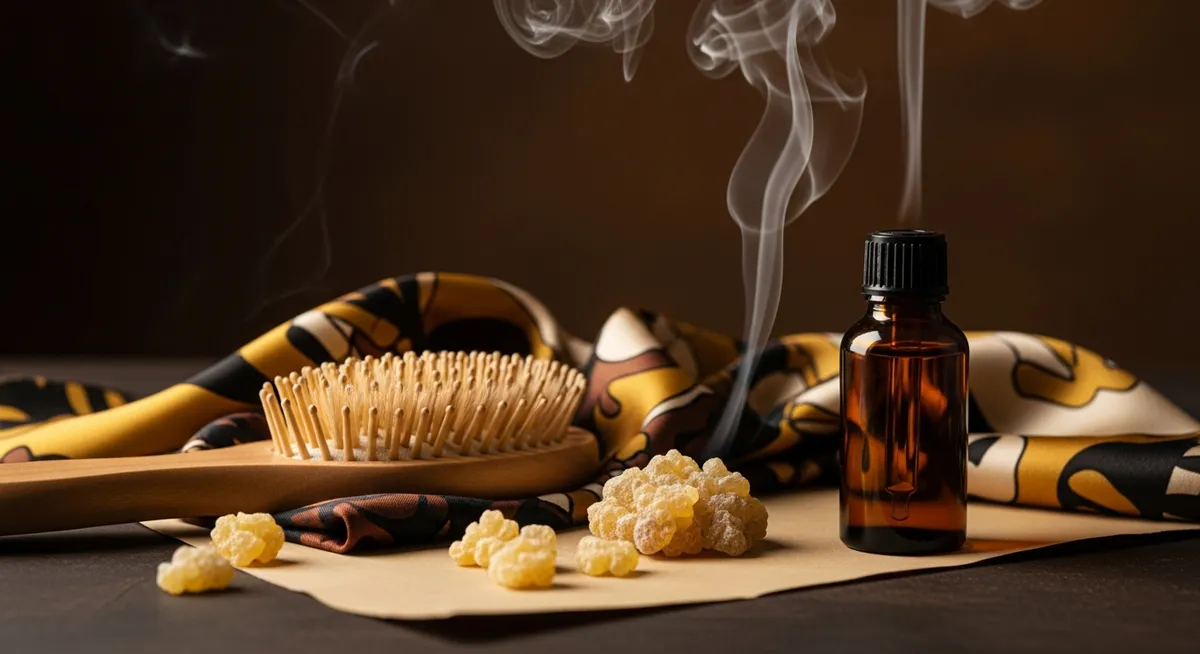
Best Frankincense Oil for Hair Growth: Top Picks for Thinning Hair
The ancient resin of Boswellia trees has captured modern attention for its potential role in hair care routines. As more people explore natural alternatives for maintaining healthy-looking hair, frankincense essential oil has emerged as a sought-after ingredient. This comprehensive buying guide will help you navigate the market to find quality frankincense oils that align with your hair care goals.
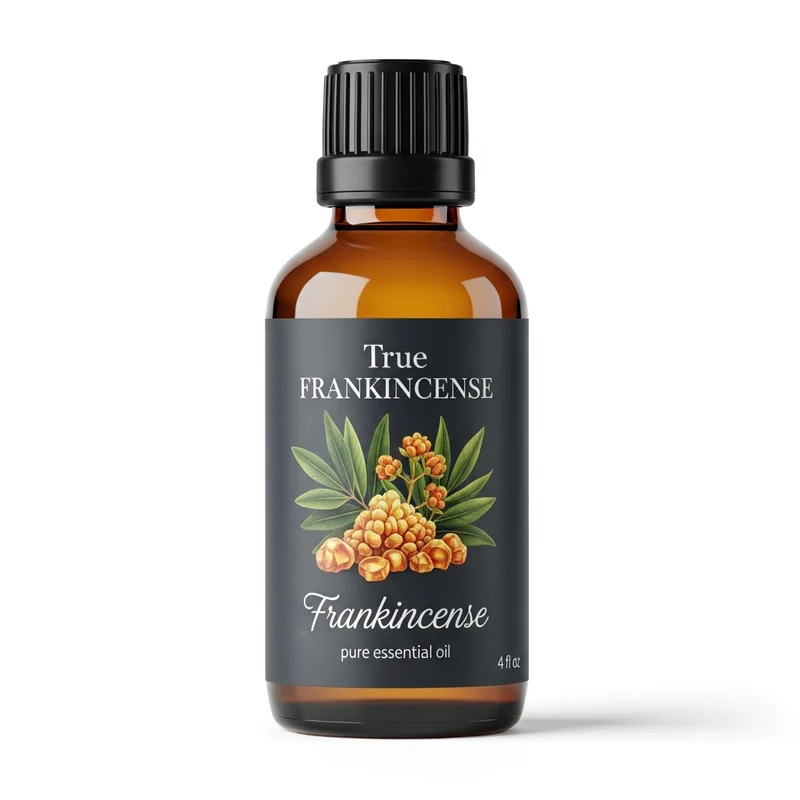
Frankincense Essential Oil
Six single-origin frankincense varieties, steam-distilled and GC/MS verified.
From $12.99
Shop Frankincense Oil →Whether you're new to essential oils or seeking to upgrade your current collection, understanding what distinguishes premium frankincense oil from inferior products is crucial. From sourcing and extraction methods to purity standards and price points, we'll explore the key factors that determine oil quality and value.
Understanding Frankincense Oil Quality: What to Look For
The quality of frankincense essential oil varies dramatically across the market, making informed selection essential for those interested in frankincense for hair care applications. Premium oils command higher prices for valid reasons, while budget options may compromise on purity or potency.
Species and Origin Matter
Not all frankincense oils are created equal. The species of Boswellia tree significantly impacts the oil's chemical profile and aromatic characteristics:
- Boswellia carterii (Somali frankincense): Prized for its sweet, citrusy top notes and complex aromatic profile
- Boswellia sacra (Omani frankincense): Considered the highest grade, offering rich, balsamic qualities
- Boswellia serrata (Indian frankincense): More affordable but with different chemical constituents
- Boswellia frereana (Maydi frankincense): Rare variety with unique lemony characteristics
Premium suppliers clearly identify the species and geographical origin on their labels. Vague terms like "frankincense blend" often indicate lower-quality products mixing different species or grades.
Extraction Methods and Purity Standards
Steam distillation remains the gold standard for frankincense essential oil extraction, preserving the delicate aromatic compounds while ensuring purity. CO2 extraction, while more expensive, can capture additional beneficial compounds that steam distillation might miss.
Quality indicators include:
- 100% pure essential oil with no synthetic additives
- Third-party testing for purity and contaminants
- Batch-specific GC/MS (Gas Chromatography-Mass Spectrometry) reports
- Proper storage in dark glass bottles
- Clear labeling of botanical name, origin, and extraction method
Key Features to Compare When Choosing Frankincense Oil
Beyond basic quality markers, several features distinguish exceptional frankincense oils from mediocre options. Understanding these characteristics helps you make informed decisions based on your specific needs and preferences.
Aromatic Profile and Potency
High-quality frankincense oil exhibits a complex aromatic profile with distinct top, middle, and base notes. Fresh oils should display bright citrusy or piney top notes, warm spicy middle notes, and rich, balsamic base notes. Flat or overly simple scents may indicate older oil or inferior processing.
Potency relates directly to the concentration of active compounds. Premium oils often require smaller amounts to achieve desired results in hair care formulations, making them more economical despite higher upfront costs.
Packaging and Preservation
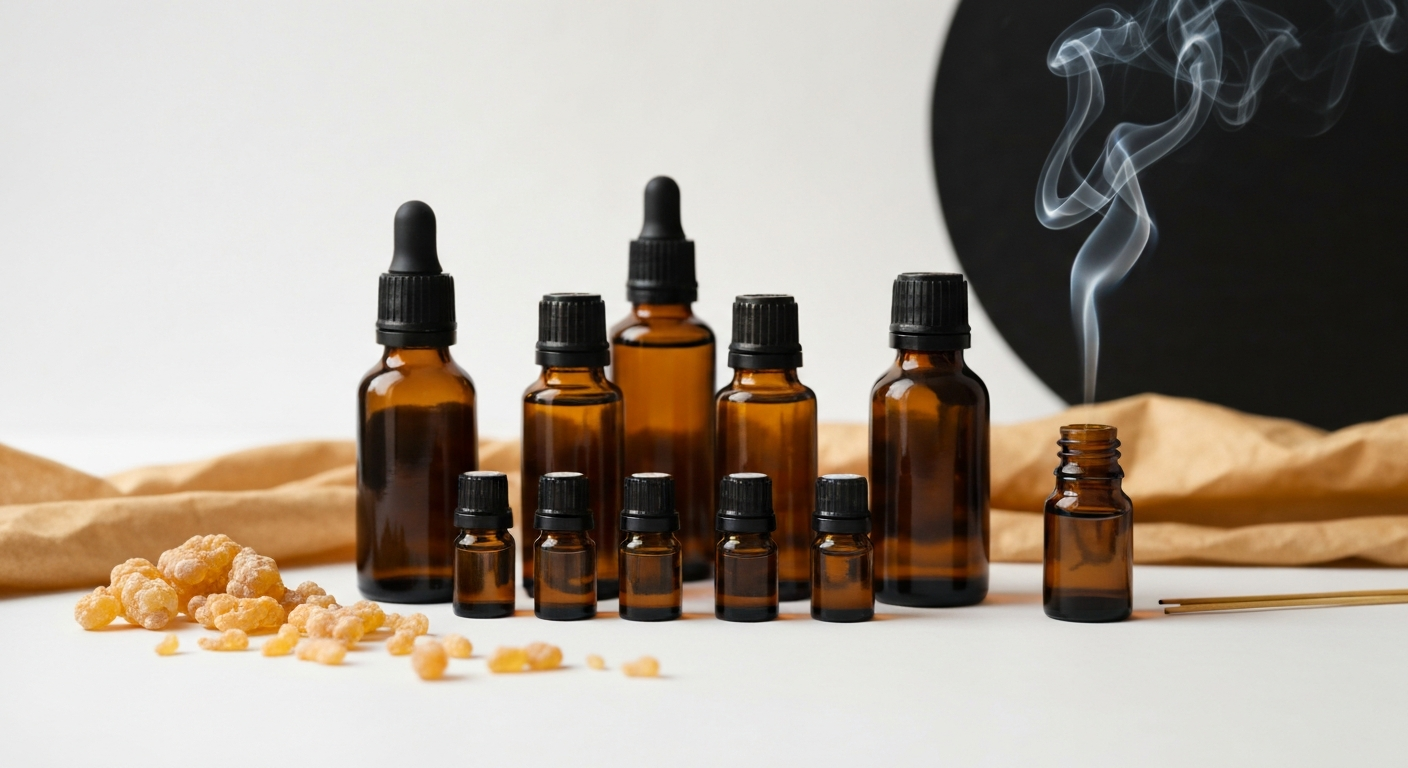
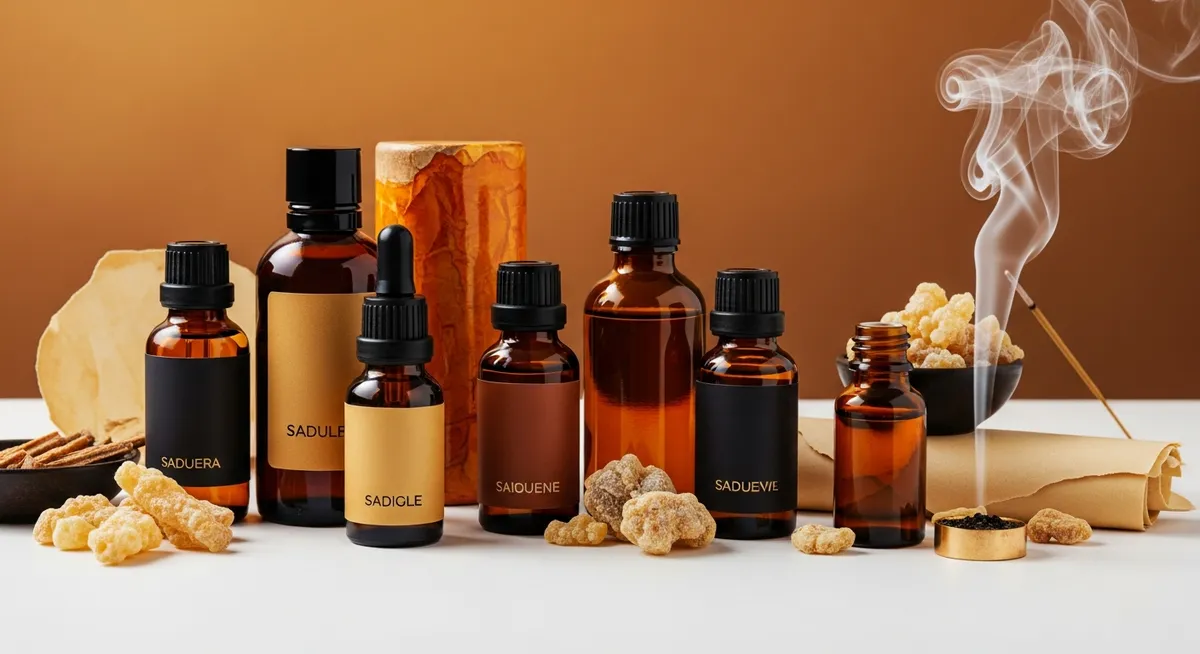
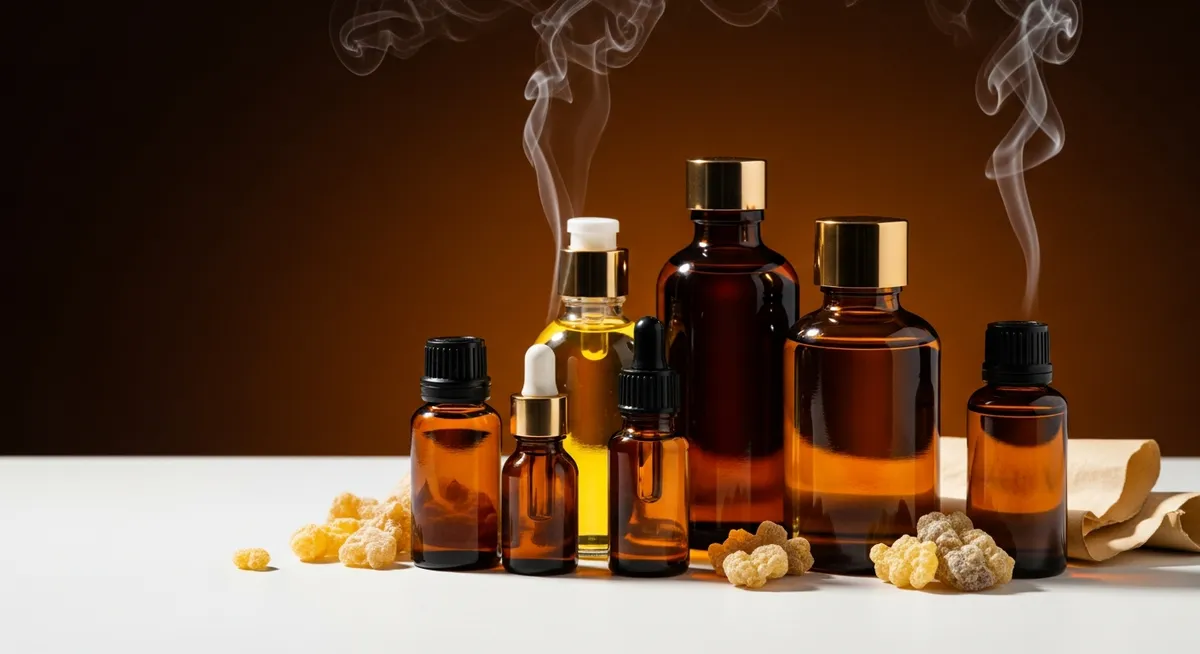
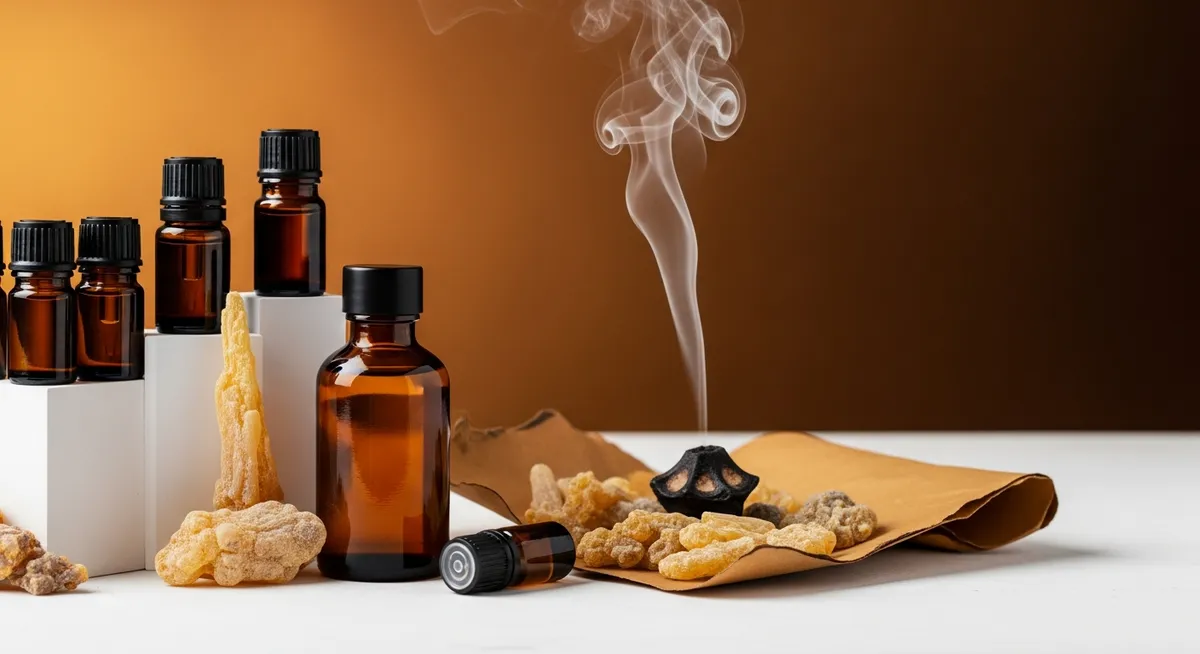
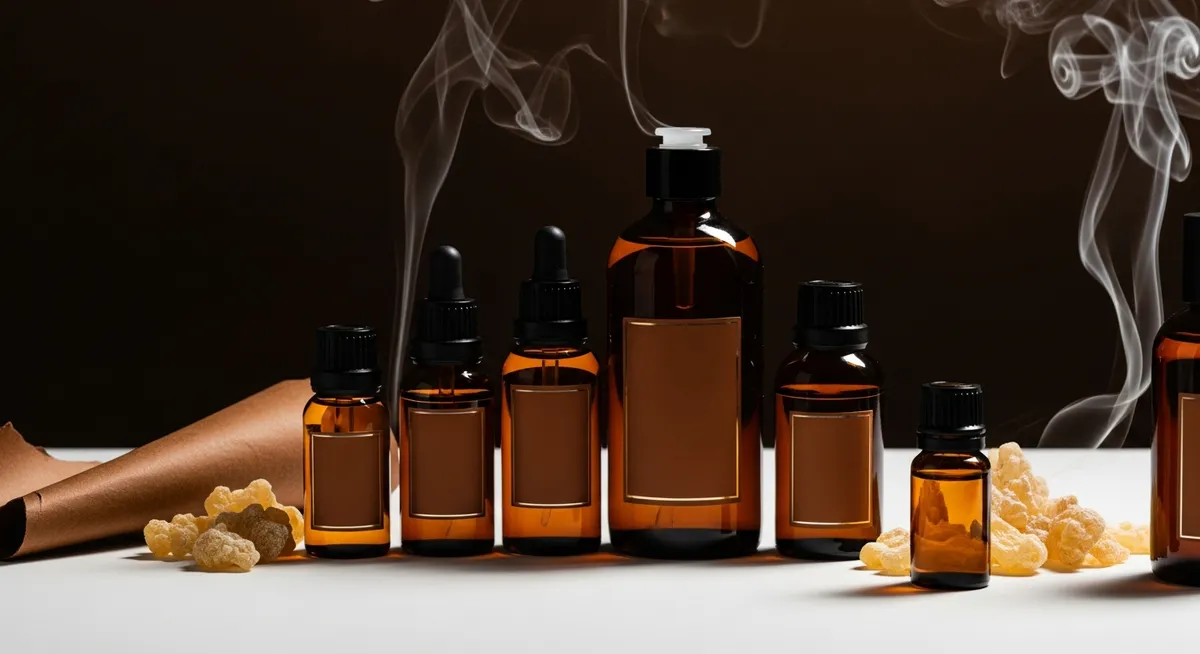
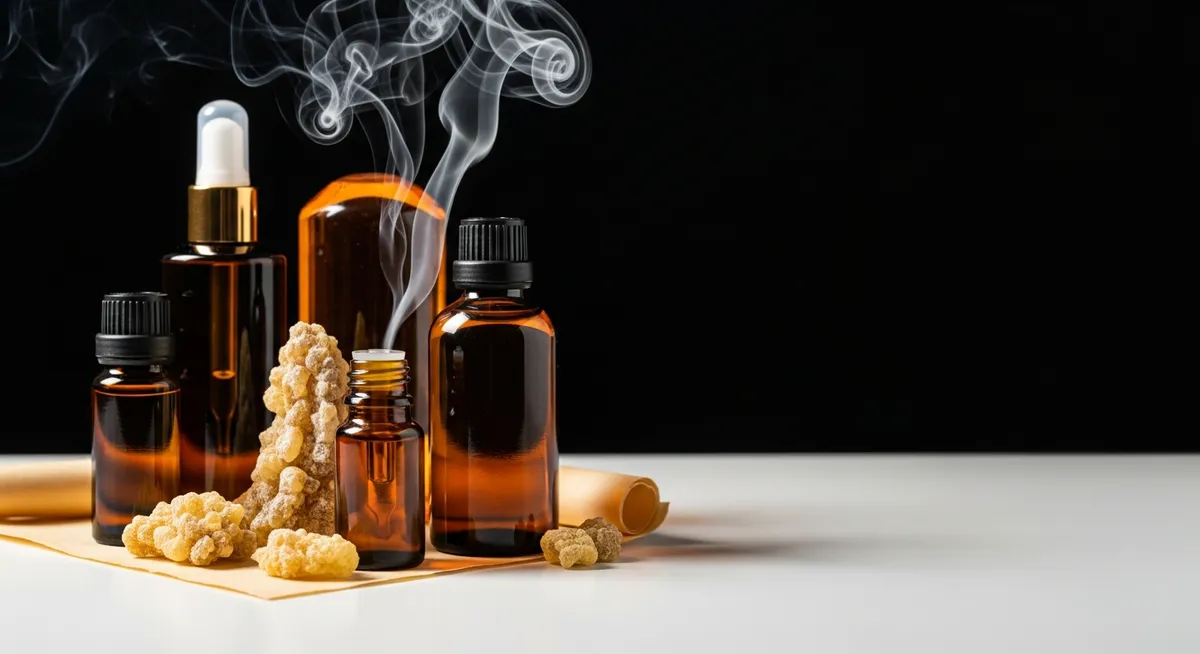
Professional-grade frankincense oils come in dark amber or cobalt blue glass bottles that protect against light degradation. Plastic containers or clear glass bottles signal inferior storage practices that can compromise oil integrity over time.
Additional packaging considerations:
- Tamper-evident seals for freshness assurance
- European dropper caps for precise dispensing
- Appropriate bottle sizes (5ml to 30ml for personal use)
- Clear expiration dates and batch numbers
Sustainability and Ethical Sourcing
Premium frankincense suppliers increasingly emphasize sustainable harvesting practices and fair trade relationships with resin collectors. Overharvesting threatens wild Boswellia populations, making ethical sourcing a crucial consideration for environmentally conscious consumers.
Look for certifications or supplier commitments to:
- Sustainable wild-harvesting practices
- Fair compensation for local collectors
- Reforestation or conservation initiatives
- Transparent supply chain documentation
Top Frankincense Oil Picks by Price Range
Quality frankincense oils span various price points, each offering different value propositions for hair care enthusiasts. We've categorized options to help you find the best fit for your budget and requirements.
Premium Tier ($50-$100+ per 15ml)
At this level, expect exceptional quality oils from renowned suppliers with extensive testing protocols and sustainable sourcing practices. These oils typically feature:
- Single-origin Boswellia sacra or carterii
- Comprehensive GC/MS analysis with each batch
- Artisanal small-batch processing
- Direct relationships with harvesters
- Luxury packaging and presentation
Premium oils justify their cost through superior potency, complex aromatic profiles, and ethical sourcing practices. For those creating frankincense hair serum DIY formulations, these oils provide optimal results with smaller quantities needed.
Mid-Range Options ($20-$50 per 15ml)
This category offers excellent value for quality-conscious consumers who want authentic frankincense without premium pricing. Mid-range oils typically feature:
- Pure frankincense from reputable Boswellia species
- Basic purity testing and quality assurance
- Professional packaging in dark glass
- Clear species identification and origin labeling
- Established supplier reputation
These oils work well for regular hair care routines and experimentation with different frankincense varieties without significant financial commitment.
Budget-Conscious Choices ($10-$20 per 15ml)
While maintaining quality standards, budget options make frankincense oil accessible to newcomers and those with limited budgets. (See: NIH — Boswellia Research.) Quality budget oils should still offer:
- 100% pure essential oil without synthetic additives
- Proper botanical identification
- Dark glass packaging
- Basic quality testing documentation
- Established company reputation
Budget oils may use more common Boswellia species or simpler packaging but should never compromise on purity or safety standards.
Red Flags: What to Avoid When Buying Frankincense Oil
The frankincense oil market includes numerous inferior products that can disappoint consumers and potentially cause adverse reactions. Recognizing these warning signs protects your investment and safety.
Quality and Authenticity Concerns
Several red flags indicate potentially problematic frankincense oils:
- Unusually low prices: Authentic frankincense resin commands premium prices due to harvesting challenges and limited supply
- Vague labeling: Terms like "frankincense blend" or "frankincense fragrance oil" often indicate synthetic or diluted products
- Missing botanical names: Legitimate suppliers always specify the exact Boswellia species
- Plastic packaging: Essential oils can degrade plastic containers and absorb harmful chemicals
- No origin information: Quality oils always specify harvesting regions
Safety and Regulatory Issues
Additional warning signs that suggest safety concerns:
- Exaggerated or medical claims on packaging
- No safety warnings or dilution guidelines
- Missing contact information or company details
- No batch numbers or expiration dates
- Synthetic fragrances marketed as pure essential oils
When comparing options like frankincense vs rosemary hair treatments, ensure both oils meet these quality standards for safe and effective use.
Where to Buy Quality Frankincense Oil
Source selection significantly impacts your chances of obtaining authentic, high-quality frankincense oil. Different purchasing channels offer varying advantages and potential drawbacks.
Specialized Essential Oil Retailers
Dedicated essential oil companies often provide the highest quality products with extensive testing protocols and detailed product information. These retailers typically offer:
- Comprehensive product documentation
- Multiple Boswellia species options
- Expert customer service and guidance
- Satisfaction guarantees or return policies
- Educational resources for safe usage
Research company reputations, read customer reviews, and verify their testing protocols before purchasing.
Health Food Stores and Natural Markets
Physical stores allow you to examine packaging, ask questions, and sometimes smell oils before purchasing. However, selection may be limited, and staff knowledge varies significantly.
Benefits include:
- Immediate availability without shipping delays
- Ability to inspect packaging and labeling
- Support for local businesses
- Opportunity for face-to-face guidance
Online Marketplaces: Proceed with Caution
While online platforms offer convenience and competitive pricing, they also present higher risks of counterfeit or diluted products. If choosing this route:
- Research seller credentials thoroughly
- Read multiple customer reviews
- Verify return policies and customer service
- Compare prices across multiple reputable sources
- Be wary of prices significantly below market averages
Making Your Final Decision: A Practical Approach
Choosing the best frankincense oil for your hair care needs requires balancing multiple factors including quality, price, intended use, and personal preferences.
Defining Your Priorities
Consider these questions before making your purchase:
- How frequently will you use frankincense oil in your hair care routine?
- Are you experimenting with essential oils or committed to long-term use?
- Do you prefer single-origin oils or are you open to different species?
- How important are ethical sourcing and sustainability factors?
- What's your total budget for hair care essential oils?
Testing and Evaluation
Once you've selected a frankincense oil, proper evaluation ensures you've made a wise investment:
- Perform a patch test before incorporating into hair care routines
- Evaluate the aromatic profile for complexity and authenticity
- Assess packaging quality and information completeness
- Monitor how the oil performs in your specific applications
- Document your experiences for future reference
Remember that individual responses to essential oils vary, and what works excellently for others may not suit your particular needs or preferences.
Conclusion: Investing in Quality Frankincense Oil
Selecting quality frankincense oil for hair care represents an investment in both immediate satisfaction and long-term results. While premium oils command higher prices, their superior potency, purity, and aromatic complexity often provide better value through more effective applications and smaller usage quantities.
The key to successful frankincense oil selection lies in understanding quality indicators, recognizing red flags, and choosing reputable suppliers who prioritize purity, sustainability, and customer education. Whether you're drawn to budget-friendly options or premium artisanal oils, maintaining quality standards ensures safe, satisfying experiences with this ancient botanical treasure.
As you explore frankincense oil options, remember that the best choice depends on your specific needs, preferences, and intended applications. Take time to research suppliers, read product documentation, and start with smaller quantities to determine which oils work best for your individual hair care goals.
By following these guidelines and maintaining realistic expectations, you'll be well-equipped to find frankincense oils that enhance your hair care routine while providing the quality and value you deserve.
Frankincense Essential Oil
Serrata, carterii, sacra, frereana, neglecta and rivae: steam-distilled, GC/MS verified, in sizes from 0.5 oz to bulk.
From $12.99
Shop Frankincense Oil →