Best Carrier Oils for Frankincense: A Complete Buying Guide
Selecting the right carrier oil for your precious frankincense essential oil is an art form that bridges ancient wisdom with modern precision. The carrier oil you choose becomes the canvas upon which frankincense's complex aromatic profile unfolds, influencing everything from absorption rate to shelf life. This comprehensive guide will equip you with the knowledge to make informed decisions about carrier oils that honor both your investment in premium frankincense and your personal wellness journey.
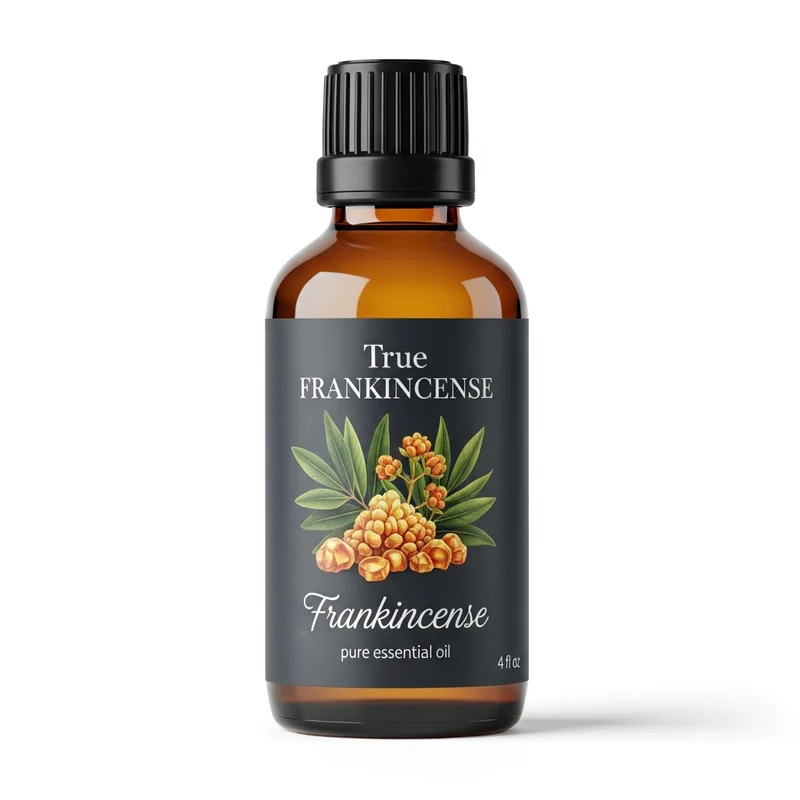
Frankincense Essential Oil
Six single-origin frankincense varieties, steam-distilled and GC/MS verified.
From $12.99
Shop Frankincense Oil →Understanding the Foundation: What Makes a Quality Carrier Oil
The relationship between frankincense and its carrier oil is symbiotic—each enhances the other when properly matched. Quality carrier oils share several fundamental characteristics that preserve frankincense's integrity while delivering optimal user experience.
Extraction Method: The Cornerstone of Quality
Cold-pressed and expeller-pressed carrier oils represent the gold standard for frankincense blending. These mechanical extraction methods preserve the oil's natural vitamins, minerals, and fatty acid profiles without chemical solvents. Avoid carrier oils labeled as "refined" or "processed," as these treatments strip away beneficial compounds and may introduce unwanted additives.
Fatty Acid Profile: The Science Behind Absorption
The molecular structure of carrier oils directly impacts how frankincense penetrates and distributes across the skin. Oils rich in oleic acid (like sweet almond and olive squalane) offer deeper penetration, while those high in linoleic acid (such as grapeseed and rosehip seed) provide lighter, faster absorption. Understanding these profiles helps you select carriers that align with your intended application method.
Oxidative Stability: Protecting Your Investment
Frankincense essential oil is a precious commodity that deserves protection from rancidity and degradation. Carrier oils with natural antioxidants—including vitamin E, rosemary extract, or inherent antioxidant compounds—extend blend shelf life and maintain aromatic integrity. Look for oils stored in dark glass bottles and check production dates when available.
Key Features to Compare When Shopping
Navigating the carrier oil marketplace requires understanding the subtle differences that separate exceptional products from mediocre alternatives. These comparison criteria will guide your selection process.
Absorption Rate and Skin Feel
| Absorption Category | Characteristics | Best For |
|---|---|---|
| Fast-Absorbing | Light texture, non-greasy finish | Daily use, facial applications |
| Medium-Absorbing | Balanced penetration, moderate richness | Body massage, general wellness |
| Slow-Absorbing | Rich texture, longer working time | Intensive moisturizing, therapeutic massage |
Scent Compatibility
Frankincense's complex aromatic profile—featuring balsamic, woody, and citrusy notes—requires careful carrier oil selection to avoid olfactory conflicts. Neutral carriers like fractionated coconut oil and jojoba oil allow frankincense's nuances to shine, while aromatic carriers like sesame or avocado oil may compete or complement depending on your preference.
Shelf Life and Storage Requirements
Consider the practical aspects of oil storage and usage patterns. Some carriers, like grapeseed oil, offer relatively short shelf lives (6-12 months) but provide excellent skin compatibility. Others, such as jojoba oil (technically a liquid wax), remain stable for years when properly stored. Match shelf life expectations with your anticipated usage rate.
Top Carrier Oil Categories for Frankincense
Premium Luxury Tier: The Connoisseur's Choice
Jojoba Oil (Golden, Cold-Pressed)
Price Range: $25-40 per 4 oz
The molecular structure of jojoba oil closely mimics human sebum, creating exceptional skin compatibility and extended shelf life. Its neutral scent profile allows frankincense's complexity to emerge unmasked, while its natural stability eliminates the need for synthetic preservatives. Look for golden, unrefined jojoba from reputable suppliers who provide batch testing information.
Rosehip Seed Oil (Cold-Pressed, Organic)
Price Range: $30-50 per 2 oz
This precious oil brings its own subtle rose-like aroma that creates beautiful synergy with frankincense's floral undertones. Rich in vitamin C and essential fatty acids, rosehip seed oil offers a luxurious feel with medium absorption rate. Ensure your source provides dark glass packaging and refrigerated storage options.
Premium Mid-Range: Exceptional Value
Sweet Almond Oil (Cold-Pressed, Certified Organic)
Price Range: $15-25 per 8 oz
A versatile performer that balances affordability with quality, sweet almond oil offers excellent glide for massage applications and moderate absorption rate. Its subtle nutty aroma won't interfere with frankincense while providing excellent value for regular use. Verify organic certification and cold-press extraction methods.
Fractionated Coconut Oil (MCT-Rich)
Price Range: $12-20 per 8 oz
This processed form of coconut oil remains liquid at room temperature and provides exceptional neutrality for frankincense blends. Its light texture and fast absorption make it ideal for frankincense skin applications, though the fractionation process removes some beneficial compounds found in virgin coconut oil.
Grapeseed Oil (Cold-Pressed)
Price Range: $10-18 per 8 oz
High in linoleic acid, grapeseed oil absorbs quickly without leaving residue, making it excellent for facial applications. Its natural antioxidant content helps preserve frankincense blends, though its relatively short shelf life requires attention to storage conditions and usage timelines.
Budget-Conscious Quality: Smart Selections
Sunflower Oil (High-Oleic, Cold-Pressed)
Price Range: $8-15 per 16 oz
High-oleic sunflower oil offers improved stability compared to conventional sunflower oil while maintaining affordability. Its light texture and neutral aroma make it suitable for frankincense blending, though it lacks the premium characteristics of higher-tier options.
Safflower Oil (High-Oleic)
Price Range: $7-12 per 16 oz
An economical choice that provides adequate performance for basic frankincense applications. While not offering the luxury experience of premium carriers, high-oleic safflower oil delivers reliable results for those prioritizing budget considerations.
Red Flags to Avoid
Certain carrier oil characteristics can compromise your frankincense experience or indicate inferior product quality. Awareness of these warning signs protects both your investment and your satisfaction.
Processing and Extraction Concerns
- Hexane-Extracted Oils: Chemical extraction methods may leave solvent residues and strip beneficial compounds
- Heavily Refined Products: Over-processing removes natural antioxidants and creates bland, less effective carriers
- Synthetic Additives: Added fragrances, colors, or preservatives can interfere with frankincense's natural properties
- Heat-Processed Oils: High-temperature extraction damages delicate compounds and reduces oil quality
Storage and Packaging Issues
- Clear Plastic Containers: Light exposure accelerates oxidation and compromises oil stability
- Large Quantity Purchases Without Usage Planning: Many carrier oils have limited shelf lives once opened
- Missing Production Dates: Inability to assess freshness indicates poor quality control
- Unusually Low Prices: Extreme discounting often signals compromised quality or adulterated products
Where to Source Quality Carrier Oils
Specialty Essential Oil Retailers
Companies focusing exclusively on aromatherapy products typically offer superior carrier oil selection with detailed product information, batch testing, and proper storage protocols. These retailers understand the specific needs of essential oil enthusiasts and maintain higher quality standards.
Certified Organic Suppliers
Organic certification provides third-party verification of production methods and purity standards. While organic certification doesn't guarantee superior carrier oil performance, it does indicate commitment to quality control and environmental responsibility.
Direct from Producers
Some specialty oil producers offer direct sales, providing transparency about extraction methods, sourcing, and freshness. This option works particularly well for premium carriers like jojoba oil from desert regions or rosehip seed oil from specific growing areas.
Health Food Stores and Co-ops
Local health food stores often carry quality carrier oils with good turnover rates, ensuring freshness. Staff knowledge varies, but these venues frequently offer competitive pricing and the ability to examine products before purchase.
Application-Specific Recommendations
For Facial Applications
Facial use demands the highest quality carriers with proven skin compatibility. Jojoba oil, rosehip seed oil, and grapeseed oil offer excellent options, with selection based on skin type and absorption preferences. Always verify proper frankincense dilution ratios for facial applications.
For Body Massage
Body massage applications allow for richer carriers with longer working time. Sweet almond oil, sunflower oil, and even avocado oil (for those who enjoy its distinctive aroma) provide excellent glide and moderate absorption rates suitable for massage work.
For Daily Wellness Routines
Regular use requires carriers that balance quality, affordability, and practical considerations like absorption rate and scent neutrality. Fractionated coconut oil and sweet almond oil excel in daily application scenarios.
Storage and Maintenance Best Practices
Proper carrier oil storage extends shelf life and maintains quality throughout the product's lifespan. Store oils in cool, dark locations away from heat sources and direct sunlight. Dark glass containers provide optimal protection, while refrigeration can extend shelf life for sensitive oils like grapeseed and rosehip seed.
Monitor your carriers for signs of rancidity, including off odors, color changes, or texture alterations. When in doubt, replace questionable oils rather than risk compromising your precious frankincense blends.
Creating Your Perfect Frankincense Experience
The journey to finding your ideal frankincense carrier oil combination is deeply personal, influenced by skin type, scent preferences, intended applications, and budget considerations. Start with smaller quantities of different carriers to experiment and discover your preferences before investing in larger sizes.
Consider maintaining a small collection of different carrier oils to match various occasions and applications. A light carrier like grapeseed oil for daily facial use, a rich carrier like sweet almond oil for massage, and a neutral carrier like fractionated coconut oil for general blending provides versatility for your frankincense journey.
For comprehensive information about specific carrier oil options and their unique characteristics, explore our detailed frankincense carrier oils guide, which provides in-depth profiles of each recommended carrier.
Remember that the best carrier oil for frankincense is ultimately the one that enhances your personal experience while respecting both the ancient traditions surrounding this precious oil and the modern understanding of quality aromatherapy practices. Take time to appreciate the subtle nuances each carrier brings to your frankincense blends, and enjoy the journey of discovery that leads to your perfect aromatic sanctuary.
Frankincense Essential Oil
Serrata, carterii, sacra, frereana, neglecta and rivae: steam-distilled, GC/MS verified, in sizes from 0.5 oz to bulk.
From $12.99
Shop Frankincense Oil →