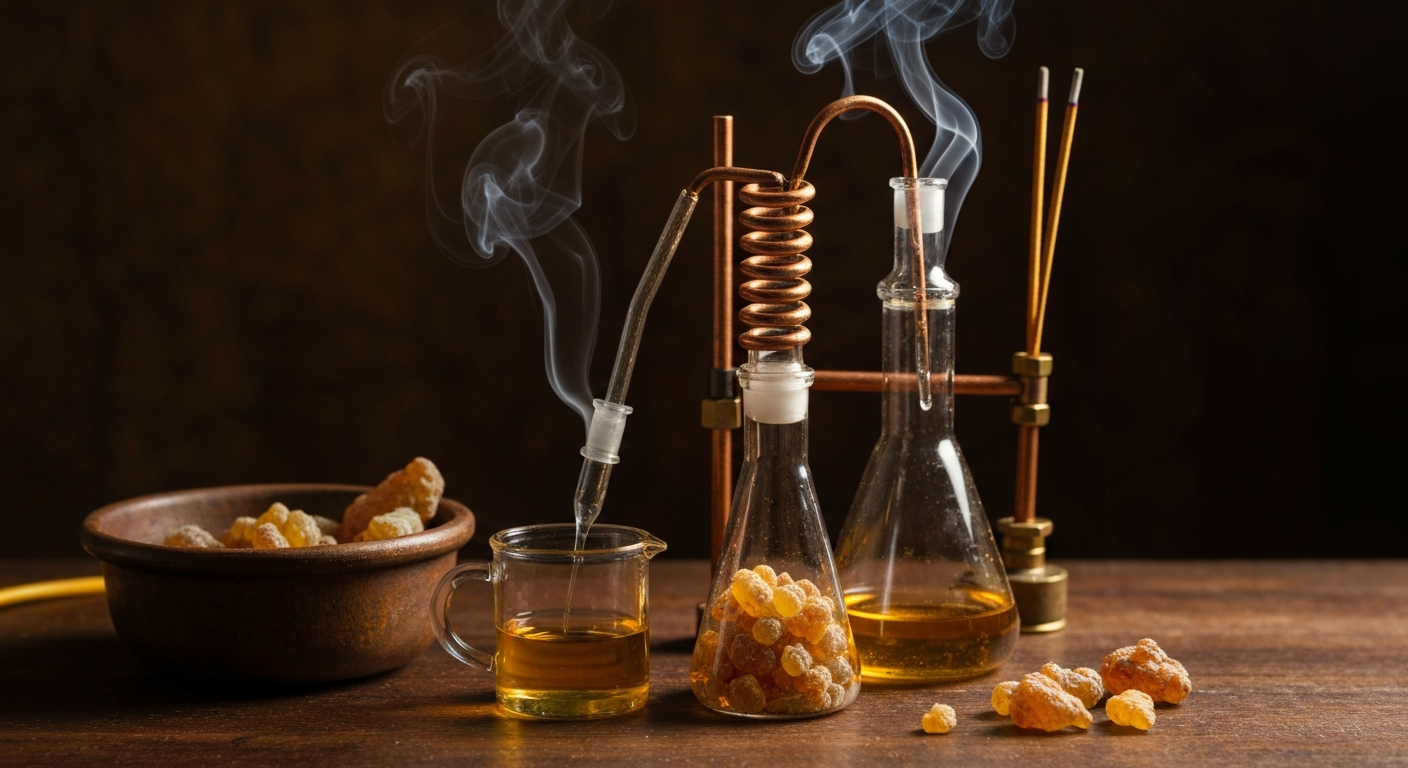
How to Steam-Distill Frankincense Resin at Home (Beginner-Friendly)
The ancient art of frankincense steam distillation has captivated aromatic enthusiasts for millennia. While commercial production requires sophisticated equipment, the fundamental principles of this time-honored process can be explored in your own kitchen with surprisingly accessible materials. This comprehensive guide will walk you through the fascinating world of DIY frankincense oil extraction, offering a deeper appreciation for this sacred resin's transformation into precious essential oil.
Frankincense Essential Oil
Six single-origin frankincense varieties, steam-distilled and GC/MS verified.
From $12.99
Shop Frankincense Oil →Before we embark on this aromatic journey, it's important to understand that home distillation serves primarily as an educational experience rather than a commercial venture. The yields are typically modest, and the resulting product may differ in concentration and quality from professionally distilled oils. However, the process itself offers invaluable insights into the ancient wisdom behind frankincense preparation.
Understanding Frankincense Steam Distillation
Steam distillation represents one of humanity's oldest methods for capturing the aromatic essence of botanical materials. This gentle extraction process uses steam to vaporize the volatile compounds within frankincense resin, which are then condensed back into liquid form. The beauty of this method lies in its simplicity and the way it honors the natural integrity of the aromatic compounds.
When working with frankincense resin, steam distillation may help extract the water-soluble aromatic components that contribute to the oil's distinctive olfactory profile. The process traditionally used across ancient trade routes continues to fascinate modern practitioners seeking to connect with this timeless craft.
For a deeper understanding of how distilled oil differs from the raw resin, explore our comprehensive guide on frankincense resin versus oil, which illuminates the unique characteristics of each form.
Essential Materials and Equipment
Successful frankincense steam distillation begins with assembling the proper materials. While professional distillation requires specialized equipment, this beginner-friendly approach utilizes common household items and easily sourced components.
Primary Equipment
- Large stainless steel pot with tight-fitting lid (6-8 quart capacity minimum)
- Heat-resistant glass bowl that fits inside the pot without touching the bottom
- Ice cubes and a large bag or container for the cooling system
- Clean kitchen towels for insulation and cleanup
- Wooden spoon or stirring implement
- Fine-mesh strainer for filtering
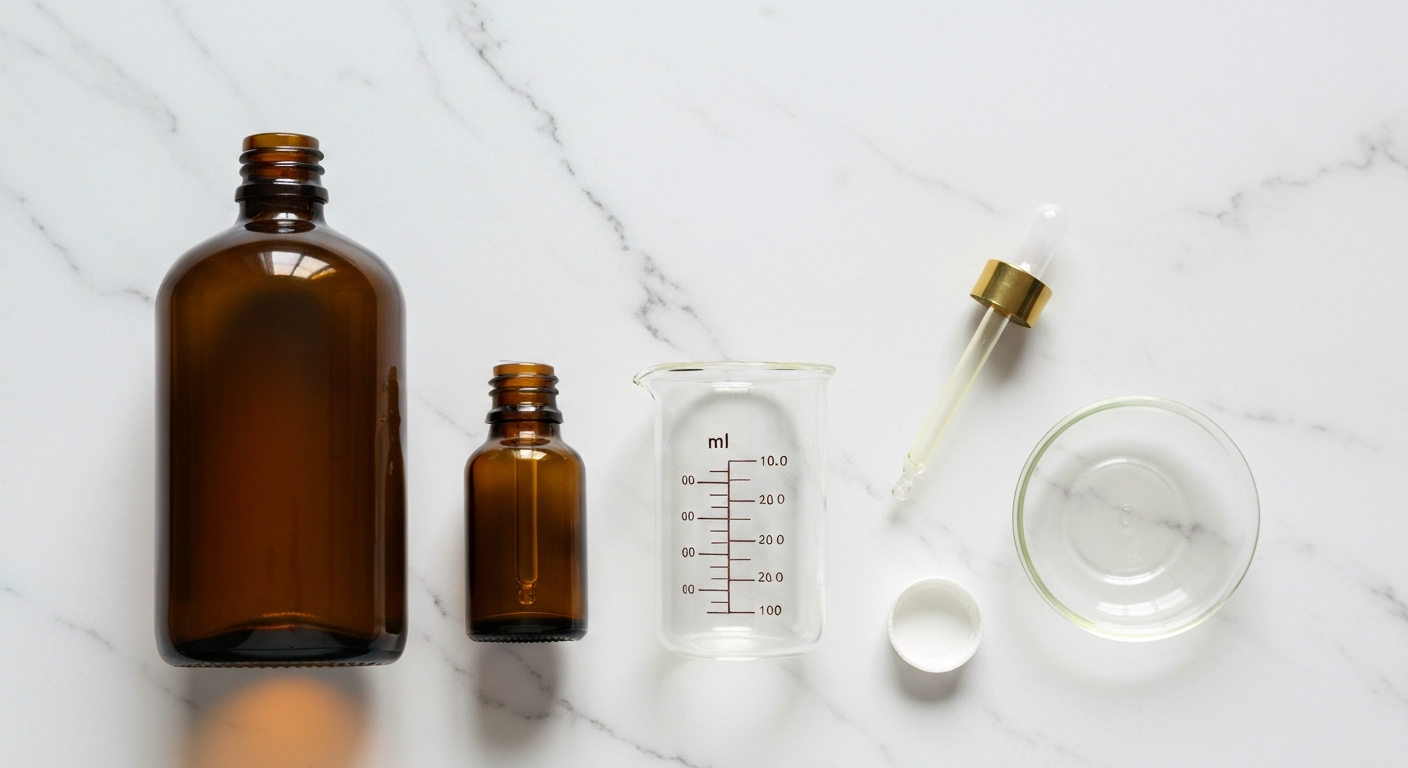
- Separatory funnel or large measuring cup with pour spout
Materials and Ingredients
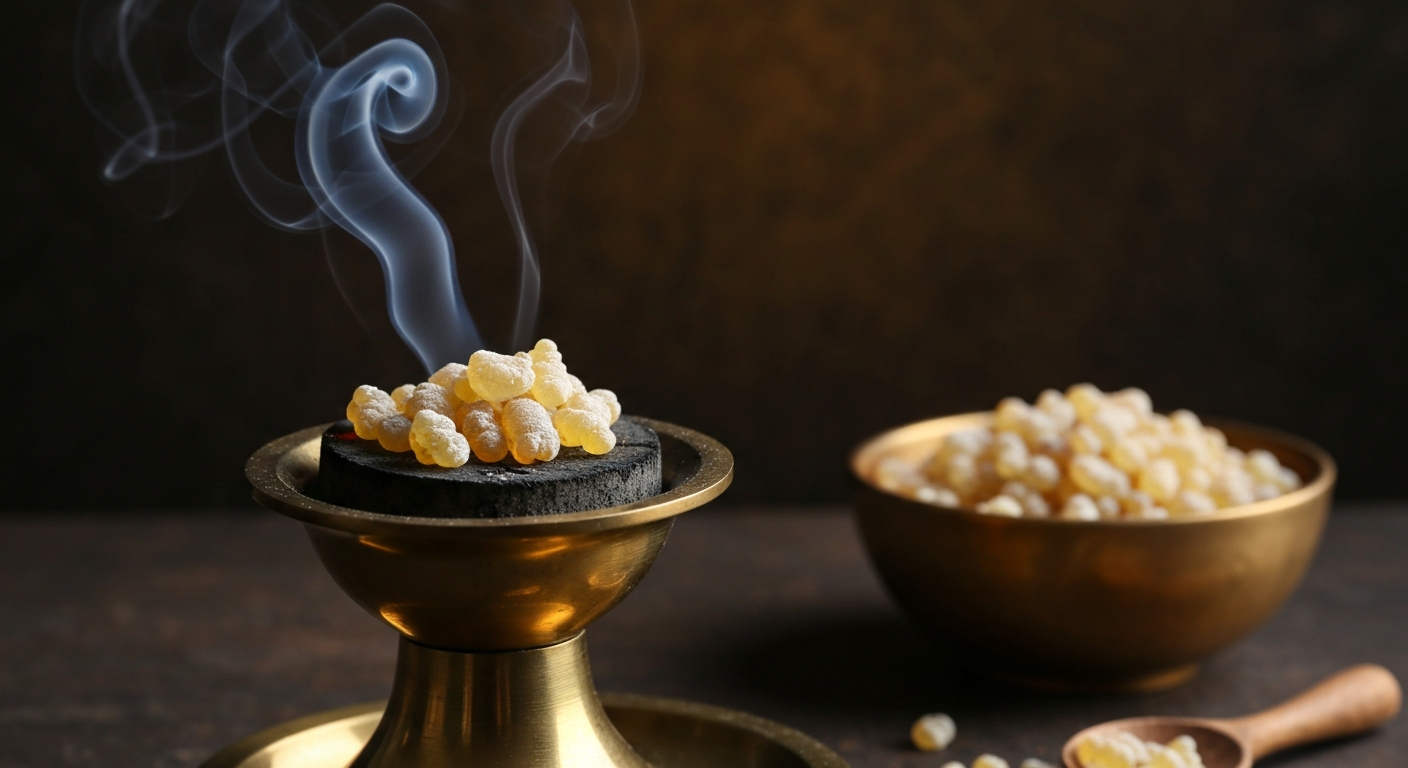
- High-quality frankincense resin (50-100 grams of premium tears)
- Distilled water (4-6 cups)
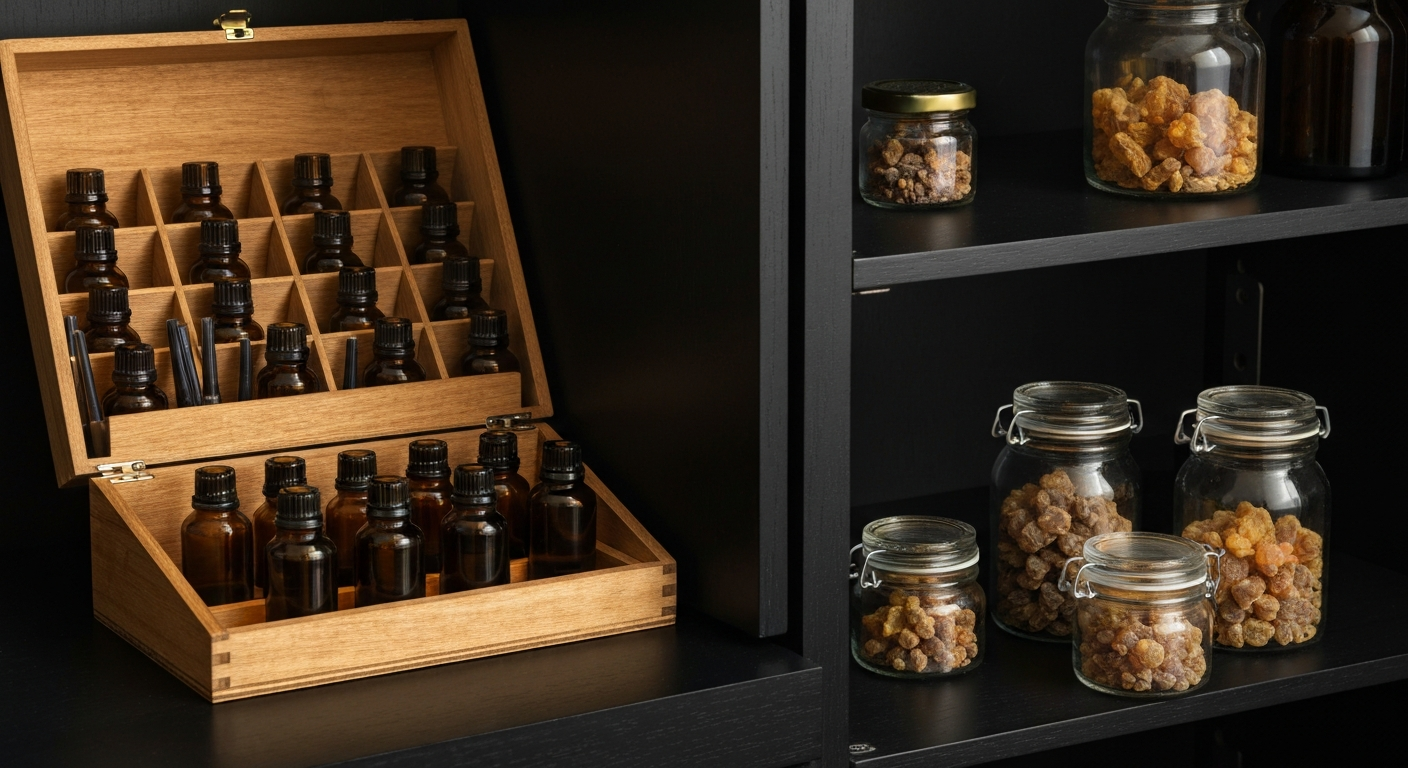
- Dark glass bottles for storage (amber or cobalt blue preferred)
- Labels for dating and identification
- pH testing strips (optional but recommended)
The quality of your frankincense resin significantly impacts the final product. Consider consulting our detailed frankincense quality guide to ensure you're working with premium materials that will yield the most aromatic results.
Preparing Your Frankincense Resin
Proper preparation of the frankincense resin is crucial for successful extraction. This preparatory phase honors the resin's journey from ancient Boswellia trees to your distillation setup.
Step 1: Resin Selection and Cleaning
Begin by carefully examining your frankincense resin tears. Select pieces that appear fresh, with minimal discoloration or debris. Gently brush away any sand, bark fragments, or other natural materials that may have adhered during harvesting and transport.
Step 2: Size Reduction
Using a clean mortar and pestle or the back of a heavy spoon, gently crush the frankincense resin into smaller fragments approximately the size of coarse sea salt. This increased surface area allows steam to penetrate more effectively, potentially improving extraction efficiency.
Important Note: Work in small batches to avoid creating excessive powder, which can cloud the distillation water and complicate the separation process.
Step 3: Pre-Soaking (Optional)
Some traditional practitioners recommend soaking the crushed resin in distilled water for 2-4 hours before distillation. This pre-soaking may help soften the resin and facilitate the release of aromatic compounds during the steam distillation process.
Step-by-Step Distillation Process
Now we embark on the transformative process of frankincense steam distillation. Each step builds upon ancient wisdom while incorporating modern safety practices.
Step 4: Setting Up the Distillation Apparatus
Place your large stainless steel pot on the stove and add approximately 2-3 inches of distilled water to the bottom. Position a heat-resistant glass bowl in the center of the pot, ensuring it floats freely without touching the bottom. This bowl will collect the precious condensate containing your frankincense aromatics.
Step 5: Adding the Frankincense Resin
Distribute your prepared frankincense resin evenly around the collecting bowl, ensuring the pieces rest in the water but don't interfere with the bowl's positioning. The resin should be partially submerged, allowing steam to circulate around and through the aromatic materials.
Step 6: Creating the Condensation System
Invert the pot lid and place it over the pot. The inverted lid creates a collection point for steam condensation. Fill the inverted lid depression with ice cubes, creating a temperature differential that encourages condensation to drip into your collection bowl.
Step 7: Beginning the Distillation
Bring the water to a gentle boil over medium heat, then reduce to maintain a steady simmer. The goal is consistent steam production without violent boiling that might disturb the delicate aromatic extraction process.
Critical Safety Note: Never leave the distillation unattended. The process requires constant monitoring to maintain proper temperature and ensure safety.
Step 8: Monitoring and Maintenance
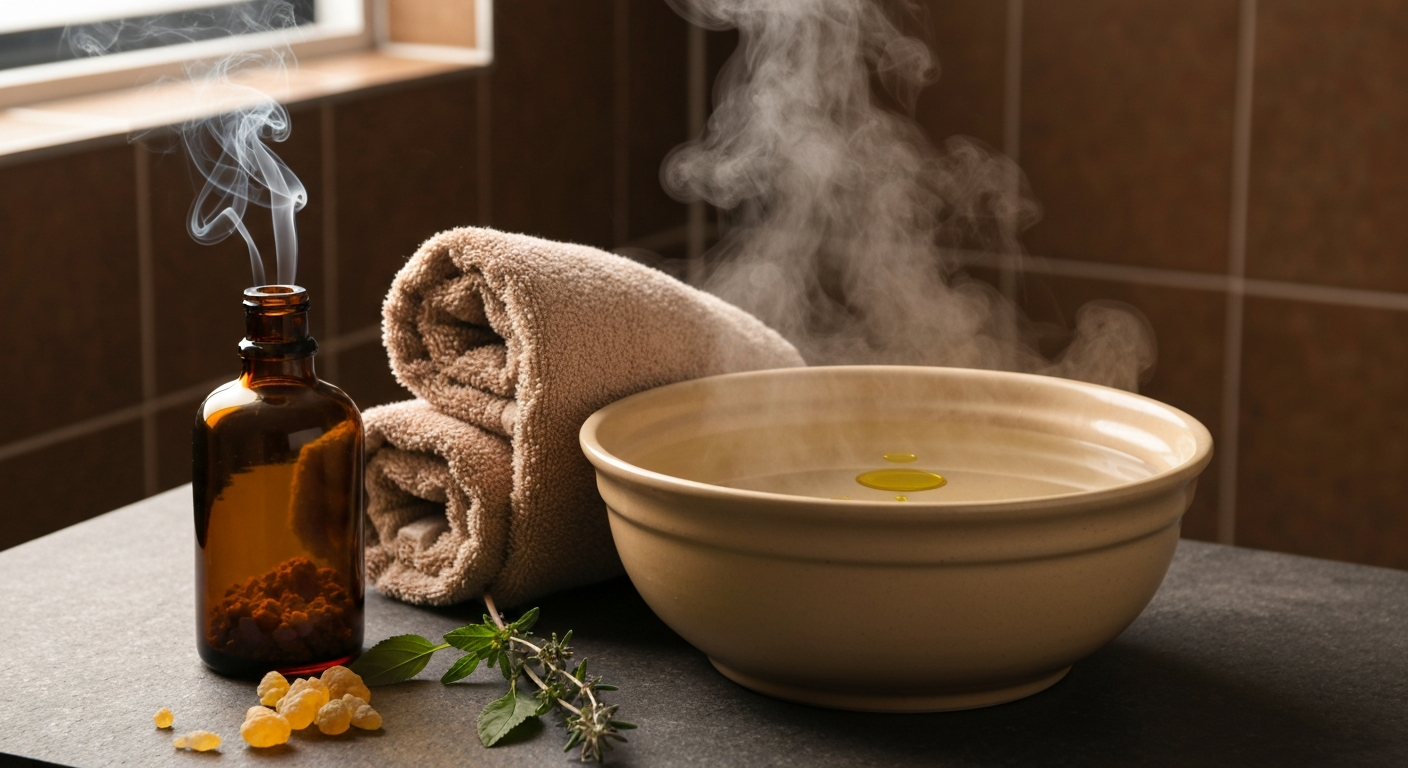
Throughout the 2-4 hour distillation period, regularly replenish the ice on the inverted lid and monitor water levels. Add hot distilled water as needed to maintain consistent steam production. You should observe droplets forming on the lid and falling into the collection bowl.
Step 9: Completion and Collection
After 3-4 hours of steady distillation, carefully remove the pot from heat and allow it to cool slightly before handling. The collected liquid in your bowl represents the hydrosol and any extracted aromatic compounds from the frankincense resin.
Post-Distillation Processing
The completion of distillation marks the beginning of the refinement process, where we separate and preserve the aromatic treasures created through this ancient practice.
Separation and Filtration
Carefully pour the collected distillate through a fine-mesh strainer to remove any particulate matter. If essential oil has formed (which may occur in small quantities), it will typically float on the surface of the hydrosol due to its lower density.
Using a separatory funnel or careful decanting with a measuring cup, separate any visible oil layer from the aromatic water. Both components have value and should be preserved in dark glass containers.
Storage and Labeling
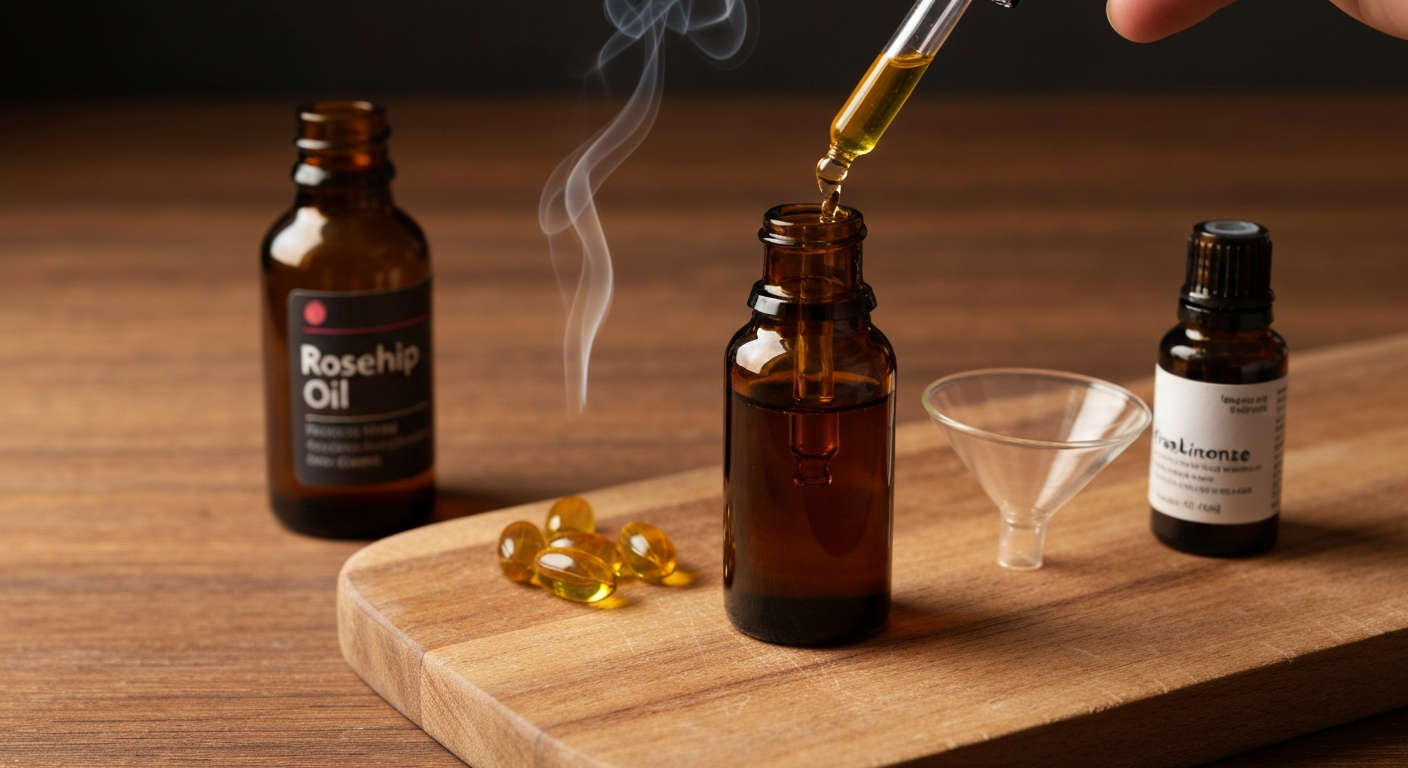
Transfer your frankincense hydrosol and any extracted aromatic compounds to dark glass bottles, leaving minimal headspace to reduce oxidation. (See: NIH — Boswellia Research.) Label each container with the distillation date, source material, and contents for future reference.
Store in a cool, dark location away from temperature fluctuations. Properly processed and stored hydrosol may maintain its aromatic characteristics for several months to a year.
Understanding Your Results
Home frankincense steam distillation typically yields primarily aromatic hydrosol rather than concentrated essential oil. This water-based product contains water-soluble aromatic compounds and may offer a gentle introduction to the frankincense aromatic profile.
The quantity of actual essential oil extracted through home distillation is generally minimal, as frankincense resin requires substantial quantities and optimal conditions to yield significant oil amounts. Professional distillers often process hundreds of pounds of resin to produce small quantities of essential oil.
Your homemade frankincense hydrosol may possess a subtle, complex aroma that reflects the unique characteristics of your source resin. Some practitioners report that homemade preparations offer a different aromatic experience compared to commercial products, though individual results vary considerably.
Common Mistakes and Troubleshooting
Learning from common pitfalls enhances your distillation experience and helps refine your technique for future attempts.
Temperature Control Issues
Excessive heat can scorch the resin and create unpleasant bitter notes in your distillate. Maintain gentle, consistent heat throughout the process. If you notice burning smells, immediately reduce heat and check for adequate water levels.
Inadequate Condensation
Poor condensation often results from insufficient cooling or improper lid positioning. Ensure continuous ice replenishment and verify that the inverted lid creates an effective condensation surface.
Contamination Prevention
Use only clean, food-grade equipment throughout the process. Any residual soap, chemicals, or contaminants can significantly impact the quality and safety of your final product.
Realistic Expectations
Remember that home distillation serves primarily educational purposes. The yields and quality will typically differ significantly from commercial essential oils produced under controlled industrial conditions.
Safety Considerations and Precautions
Safety remains paramount throughout the frankincense steam distillation process. Working with boiling water, steam, and concentrated aromatic compounds requires careful attention to potential hazards.
Heat Safety: Always use appropriate pot holders and exercise caution when handling hot equipment. Steam burns can be particularly severe, so maintain safe distances from steam vents.
Ventilation: Ensure adequate kitchen ventilation during distillation to prevent aromatic compound buildup and maintain air quality.
Skin Contact: While frankincense is generally well-tolerated, some individuals may experience sensitivity. Avoid direct skin contact with concentrated distillates until properly diluted and tested.
Consultation: Before using any homemade aromatic preparations, especially if you have existing health conditions or concerns, consult with a qualified healthcare provider familiar with aromatic applications.
Sustainability and Ethical Considerations
As we explore the ancient art of frankincense distillation, it's essential to consider the sustainability and ethical implications of our aromatic pursuits. The frankincense trade has supported communities across the Arabian Peninsula and Horn of Africa for millennia, yet modern demand pressures threaten traditional harvesting practices.
When sourcing frankincense resin for your distillation experiments, seek suppliers who demonstrate commitment to sustainable harvesting and fair trade practices. Understanding the journey from Boswellia tree to your kitchen creates a deeper appreciation for this precious aromatic treasure.
Learn more about these important considerations in our detailed exploration of frankincense sustainability, which examines how conscious consumers can support ethical aromatic practices.
Advancing Your Distillation Practice
Mastering frankincense steam distillation opens doors to exploring other aromatic botanicals and refining your extraction techniques. Consider documenting your experiments with different resin grades, distillation times, and equipment modifications to develop your personal approach.
Many practitioners find that the meditative nature of the distillation process offers its own rewards beyond the aromatic products created. The ancient rhythm of steam, condensation, and transformation connects us to generations of aromatic artisans who perfected these techniques through patient observation and practice.
As you continue your aromatic journey, remember that each distillation represents both a scientific process and an artistic expression. The variables of resin quality, technique refinement, and personal intuition combine to create unique results that reflect your individual approach to this timeless craft.
Conclusion: Honoring Ancient Wisdom Through Modern Practice
Home frankincense steam distillation offers a profound connection to the ancient traditions that have celebrated this sacred resin for thousands of years. While our modern kitchens may differ from the distillation chambers of antiquity, the fundamental principles remain unchanged: patient observation, respect for natural materials, and dedication to the aromatic arts.
Through this beginner-friendly exploration, you've gained practical knowledge of the distillation process while developing a deeper appreciation for the complexity and beauty inherent in frankincense preparation. Whether you continue with occasional experimental batches or develop a passionate pursuit of aromatic distillation, this foundation provides the essential knowledge for safe and meaningful practice.
Remember that mastery comes through repetition, observation, and continuous learning. Each distillation offers new insights into the subtle interplay between technique, materials, and environmental factors that influence the final aromatic expression. Embrace the journey of discovery, honor the traditional wisdom that guides this practice, and enjoy the profound satisfaction of creating aromatic treasures through your own dedicated efforts.
Frankincense Essential Oil
Serrata, carterii, sacra, frereana, neglecta and rivae: steam-distilled, GC/MS verified, in sizes from 0.5 oz to bulk.
From $12.99
Shop Frankincense Oil →