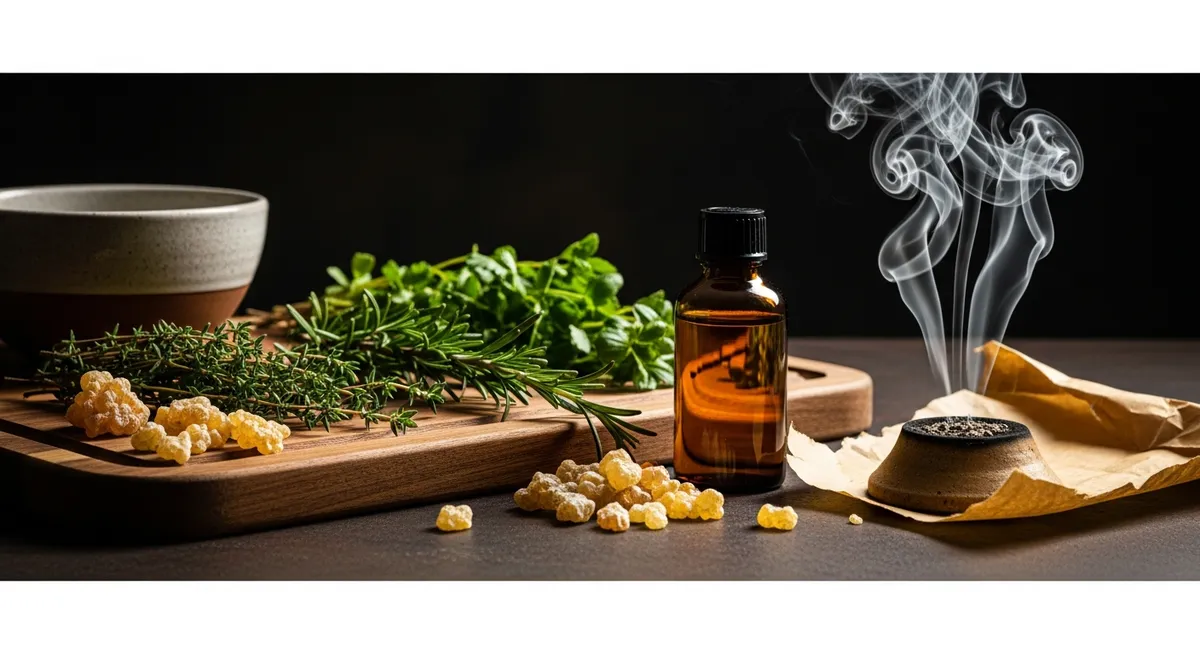
Frankincense Scar-Fading Oil: A Simple Two-Ingredient Recipe
For millennia, frankincense has been treasured for its aromatic and cosmetic properties. Today, this ancient resin continues to captivate those seeking natural skincare solutions. This simple two-ingredient frankincense scar oil recipe combines the time-honored tradition of frankincense with the nourishing properties of a premium carrier oil, creating a luxurious blend that may help support the appearance of healthy-looking skin.
Frankincense Essential Oil
Six single-origin frankincense varieties, steam-distilled and GC/MS verified.
From $12.99
Shop Frankincense Oil →While some research suggests frankincense essential oil contains compounds that may support skin health, it's important to approach any DIY skincare recipe with realistic expectations and proper safety measures. This educational guide will walk you through creating your own frankincense scar oil DIY blend while emphasizing the importance of proper dilution and safety protocols.
Understanding the Ingredients
This homemade scar treatment recipe relies on just two carefully selected ingredients, each chosen for their traditional uses and quality properties:
Frankincense Essential Oil (Boswellia carterii or Boswellia sacra)
Frankincense has been traditionally valued for its potential skin-supporting properties. Some preliminary research suggests that certain compounds in frankincense may help promote the appearance of healthy skin, though more studies are needed. For comprehensive information about frankincense's traditional uses, explore our detailed guide on frankincense for scars.
Rosehip Seed Oil (Rosa canina or Rosa rubiginosa)
This premium carrier oil is rich in essential fatty acids and has been traditionally used in skincare for centuries. Rosehip seed oil provides an excellent base for diluting essential oils while offering its own nourishing properties to the skin.
Complete Recipe Details
Difficulty Level: Beginner
Preparation Time: 5 minutes
Yield: Approximately 1 fluid ounce (30ml)
Shelf Life: 6-12 months when stored properly
Ingredients List
- 30ml (2 tablespoons) organic rosehip seed oil
- 6-9 drops high-quality frankincense essential oil (Boswellia carterii or sacra)
Note: This recipe creates a 1-1.5% dilution ratio, which is considered appropriate for topical application on intact skin for most adults.
Step-by-Step Instructions
- Prepare Your Workspace: Clean and sanitize your work area and all tools. Wash your hands thoroughly.
- Select Your Container: Choose a dark glass bottle (amber or cobalt blue) with a dropper or roll-on top. Dark glass protects the oils from light degradation.
- Measure the Carrier Oil: Using a small funnel if needed, pour 30ml of rosehip seed oil into your chosen container.
- Add Frankincense: Carefully add 6-9 drops of frankincense essential oil to the carrier oil. Start with 6 drops for sensitive skin or first-time use.
- Mix Thoroughly: Cap the bottle and gently roll it between your palms for 30-60 seconds to ensure proper blending.
- Label Your Creation: Create a label including the recipe name, ingredients, dilution percentage, and creation date.
- Let It Rest: Allow the blend to rest for 24 hours before first use to let the oils fully integrate.
Critical Safety Warnings and Precautions
Essential Dilution Guidelines
WARNING: Never use frankincense essential oil undiluted on skin. This recipe provides a safe 1-1.5% dilution for most adults. For children over 6 years, pregnant women, or those with sensitive skin, reduce the frankincense to 3-4 drops (0.5-0.75% dilution).
Mandatory Patch Testing
Before using any new topical blend:
- Apply a small amount to the inside of your wrist or behind your ear
- Wait 24-48 hours and monitor for any adverse reactions
- Discontinue use immediately if irritation, redness, or allergic reaction occurs
Important Contraindications
- Avoid use during pregnancy without consulting a qualified healthcare provider
- Not recommended for children under 6 years of age
- Avoid contact with eyes, mucous membranes, and broken skin
- Do not use if you have known allergies to frankincense or rosehip
- Discontinue use if any adverse reactions occur
Medical Disclaimer: This recipe is for educational purposes only. Always consult with a qualified healthcare provider before using essential oils, especially if you have medical conditions, are taking medications, or are pregnant or nursing.
Proper Storage and Shelf Life
To maximize the longevity and quality of your frankincense for scars recipe:
- Storage Location: Keep in a cool, dry place away from direct sunlight and heat sources
- Temperature: Store at room temperature (65-75°F/18-24°C)
- Container: Always use dark glass containers to protect from light degradation
- Shelf Life: When stored properly, this blend should maintain quality for 6-12 months
- Quality Check: Regularly inspect for changes in color, consistency, or scent that might indicate rancidity
Application Guidelines
For educational purposes, here's how people typically report using similar oil blends:
- Apply 1-2 drops to clean, dry skin
- Gently massage in circular motions until absorbed
- Many people report using such blends 1-2 times daily
- Always perform a patch test before first use
- Allow skin to fully absorb before applying other products
Recipe Variations and Substitutions
Carrier Oil Alternatives
While rosehip seed oil is excellent for this recipe, you might consider these alternatives based on your preferences and skin needs. Learn more about optimal choices in our comprehensive guide to frankincense carrier oils:
- Jojoba Oil: Technically a wax ester, offers excellent skin compatibility
- Sea Buckthorn Oil: Rich in vitamins, though it has a distinct orange color
- Tamanu Oil: Traditionally valued for skin support, has a nutty aroma
- Marula Oil: Lightweight and fast-absorbing
Essential Oil Variations
For variety, you might consider blending frankincense with:
- Lavender essential oil (known for its gentle properties)
- Geranium essential oil (traditionally used in skincare)
- Helichrysum essential oil (valued in traditional aromatherapy)
Important: Maintain the same total dilution ratios when substituting or adding oils.
Quality Considerations
The effectiveness and safety of your blend depend significantly on ingredient quality:
Choosing Frankincense Essential Oil
- Source from reputable suppliers who provide GC/MS testing
- Look for Boswellia carterii or Boswellia sacra species
- Avoid "fragrance oils" or synthetic alternatives
- Consider the geographical origin and harvesting practices
For deeper insights into frankincense quality and sourcing, explore our guide on frankincense for skin applications.
Understanding Realistic Expectations
While this traditional recipe has been used for generations, it's important to maintain realistic expectations. Some people report positive experiences with frankincense oil blends, while individual results may vary significantly. The appearance of skin naturally changes over time through various factors, and no topical application can guarantee specific outcomes.
This recipe represents an educational exploration of traditional practices rather than a medical treatment. For any skin concerns, always consult with a qualified dermatologist or healthcare provider who can provide personalized guidance based on your individual needs.
Remember that true skin health comes from a combination of factors including proper nutrition, hydration, sun protection, and overall wellness practices. This simple two-ingredient blend may serve as one small component of your broader skincare routine, used with appropriate expectations and safety measures.
Frankincense Essential Oil
Serrata, carterii, sacra, frereana, neglecta and rivae: steam-distilled, GC/MS verified, in sizes from 0.5 oz to bulk.
From $12.99
Shop Frankincense Oil →