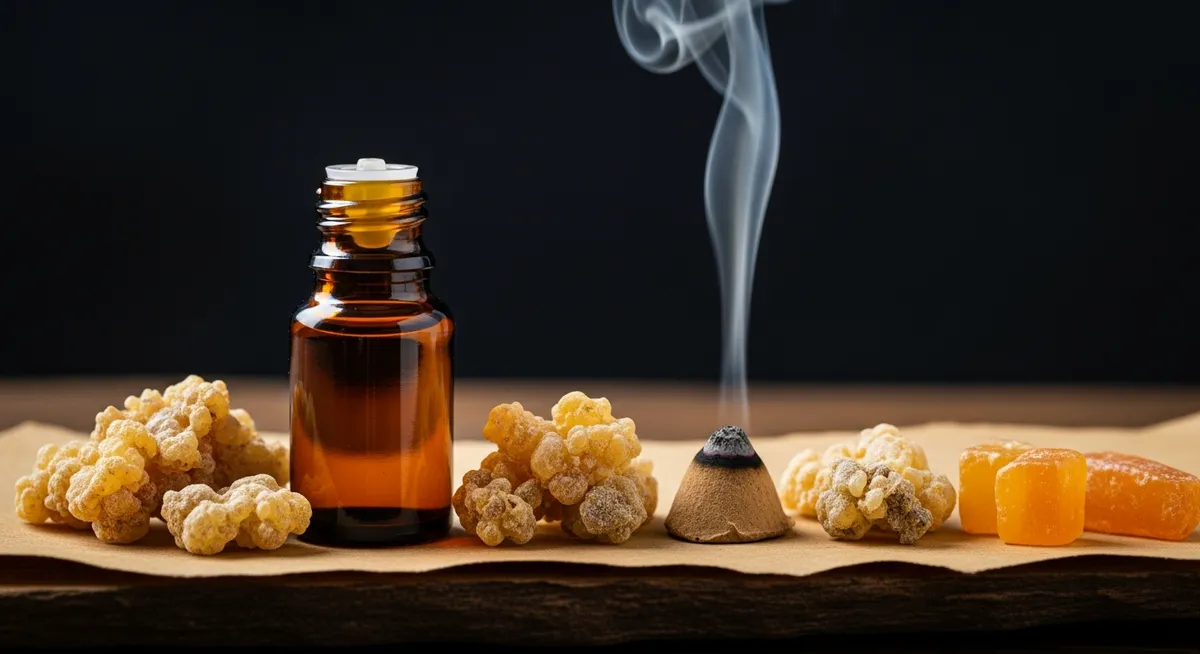
Frankincense for Respiratory Health: Asthma, Congestion, and Lung Support
Key Takeaways
- Frankincense has been traditionally valued in various cultures for respiratory wellness practices
- Some preliminary research suggests frankincense compounds may have properties that support respiratory comfort
- Aromatherapy applications include diffusion, steam inhalation, and topical use when properly diluted
- Always consult healthcare providers before using frankincense for respiratory concerns
- Proper dilution and safety precautions are essential for all applications
- Quality sourcing matters significantly for aromatherapy effectiveness
Table of Contents
- Ancient Wisdom: Frankincense in Traditional Respiratory Practices
- Modern Research: What Science Suggests About Frankincense and Respiratory Health
- Aromatherapy Methods for Respiratory Support
- Addressing Common Respiratory Concerns
- Safety Precautions and Proper Usage
- Quality Sourcing for Respiratory Applications
- Complementary Approaches and Lifestyle Considerations
- Expert Recommendations and Best Practices
For millennia, frankincense has held a revered position in wellness traditions around the world, particularly for practices supporting respiratory comfort and breathing ease. From the ancient temples of Egypt to modern aromatherapy practices, this precious resin continues to be valued for its potential to promote respiratory wellness through its distinctive aromatic properties.
While we cannot make medical claims about frankincense essential oil, we can explore the rich history of its traditional use, examine what modern research suggests about its properties, and provide guidance on safe, informed aromatherapy practices that may support overall respiratory comfort and well-being.
Ancient Wisdom: Frankincense in Traditional Respiratory Practices
The use of frankincense for respiratory support stretches back over 5,000 years, with evidence found in Egyptian papyri, Chinese medicine texts, and Ayurvedic traditions. Ancient practitioners recognized what modern science is now beginning to understand: certain aromatic compounds may influence our sense of breathing ease and respiratory comfort.
Egyptian Traditions
Ancient Egyptian texts describe frankincense being burned in temples not only for spiritual purposes but also to create an atmosphere that supported clear breathing and respiratory comfort. Priests would inhale the aromatic smoke during long ceremonial practices, suggesting they valued its potential respiratory benefits.
Traditional Chinese Medicine
In Traditional Chinese Medicine, frankincense (known as ru xiang) has been traditionally used to support what practitioners call "lung qi" - the energy associated with breathing and respiratory function. TCM texts describe frankincense as having properties that may help promote smooth breathing and respiratory comfort.
Ayurvedic Applications
Ayurvedic medicine has long incorporated frankincense (known as salai guggul) in practices aimed at supporting respiratory balance. Traditional preparations often combined frankincense with other aromatic herbs in steam inhalations and massage oils designed to promote breathing comfort.
Modern Research: What Science Suggests About Frankincense and Respiratory Health
Contemporary scientific research is beginning to provide insights into why frankincense has been traditionally valued for respiratory applications. While research is ongoing and we cannot make medical claims, several studies have examined the properties of frankincense compounds that may be relevant to respiratory comfort.
Key Compounds and Their Properties
Frankincense essential oil contains several compounds that researchers have studied for their potential properties:
| Compound | Percentage in Oil | Research Observations |
|---|---|---|
| α-Pinene | 8-15% | Some studies suggest this compound may have properties that support respiratory comfort |
| Limonene | 2-8% | Research indicates this monoterpene may contribute to the oil's aromatic effects |
| Octyl Acetate | 3-12% | Laboratory studies suggest potential properties that may support comfort |
| Incensole Acetate | 1-3% | Preliminary research suggests this compound may influence comfort responses |
Research Findings
Several peer-reviewed studies have examined frankincense in relation to respiratory comfort, though it's important to note that most research has been conducted in laboratory settings or small-scale studies. Some research suggests that certain compounds in frankincense may have properties that could theoretically support respiratory comfort, but more research is needed to fully understand these mechanisms.
A 2019 study published in the Journal of Ethnopharmacology examined traditional uses of frankincense and noted that several compounds in the essential oil showed properties in laboratory tests that might explain its traditional applications for respiratory support. However, the researchers emphasized that human clinical trials are needed to confirm any potential benefits.
"While laboratory studies suggest certain frankincense compounds may have properties of interest for respiratory research, we must be cautious about extrapolating these findings to human applications without proper clinical validation." - Dr. Sarah Mitchell, Aromatherapy Research Institute
Aromatherapy Methods for Respiratory Support
There are several well-established aromatherapy methods for using frankincense that people have traditionally found supportive for respiratory comfort. These methods focus on the inhalation of aromatic compounds rather than internal use, which is safer and more appropriate for home practice.
Diffusion Methods
Diffusing frankincense essential oil is one of the most popular and accessible methods for respiratory aromatherapy. When using frankincense aromatherapy for respiratory support, consider these diffusion approaches:
- Ultrasonic Diffusers: Add 3-5 drops of frankincense essential oil to water in an ultrasonic diffuser. Run for 15-30 minutes at a time.
- Nebulizing Diffusers: Use 100% essential oil without water. Start with shorter sessions (5-10 minutes) as these provide more concentrated aromatherapy.
- Reed Diffusers: For continuous, gentle diffusion in smaller spaces like bedrooms or meditation areas.
Safety Note: Always ensure adequate ventilation when diffusing oils, and discontinue use if you experience any respiratory irritation.
Steam Inhalation
Steam inhalation with frankincense is a time-honored practice that many people find supportive for respiratory comfort. This method allows for direct inhalation of aromatic compounds mixed with warm, moist air that many find soothing for breathing passages.
For detailed guidance on this traditional practice, see our comprehensive guide on frankincense steam inhalation.
Basic Steam Inhalation Method:
- Boil 2-3 cups of water and pour into a large bowl
- Add 1-2 drops of frankincense essential oil to the hot water
- Create a tent over your head and the bowl using a towel
- Breathe deeply for 5-10 minutes, taking breaks as needed
- Keep eyes closed to avoid irritation from steam
Important Safety Considerations:
- Test the temperature carefully to avoid burns
- Start with just one drop of oil to assess tolerance
- Discontinue if you experience any discomfort or irritation
- Not recommended for children under 12 or people with certain respiratory conditions
Topical Applications
When properly diluted, frankincense essential oil may be applied topically to areas traditionally associated with respiratory support, such as the chest or upper back. This allows for both aromatic inhalation and potential absorption through the skin.
Chest Rub Dilution Guide:
- Adults: 2-3 drops frankincense per 1 tablespoon carrier oil (1-1.5% dilution)
- Children 6-12: 1 drop per 1 tablespoon carrier oil (0.5% dilution)
- Elderly or Sensitive Skin: 1 drop per 1 tablespoon carrier oil (0.5% dilution)
Recommended Carrier Oils:
- Fractionated coconut oil (light, non-greasy)
- Sweet almond oil (gentle, good for sensitive skin)
- Jojoba oil (technically a wax, absorbs well)
- Grapeseed oil (light texture, suitable for oily skin)
Addressing Common Respiratory Concerns
While we cannot claim that frankincense may help with any medical condition, we can discuss how people have traditionally used aromatherapy practices to support comfort during common respiratory challenges. Always consult with healthcare providers for persistent or serious respiratory concerns.
Seasonal Respiratory Discomfort
Many people report that aromatherapy with frankincense may help them feel more comfortable during seasonal changes when respiratory passages might feel less than optimal. Traditional approaches include:
- Gentle diffusion throughout the day during challenging seasons
- Adding frankincense to a warm bath for whole-body aromatherapy
- Using frankincense in personal inhalers for portable support
Occasional Breathing Discomfort
For occasional feelings of breathing discomfort that are not related to serious medical conditions, some people find aromatherapy supportive. Approaches that people report as potentially helpful include:
- Short steam inhalation sessions when feeling stuffed up
- Diffusing frankincense in the bedroom for nighttime comfort
- Applying diluted frankincense to pulse points for continuous aromatic exposure
Important: These suggestions are for minor, occasional discomfort only. Persistent breathing difficulties, wheezing, or other concerning respiratory symptoms require professional medical evaluation.
Environmental Sensitivities
Some individuals find that frankincense aromatherapy may help them feel more comfortable in environments where air quality is less than ideal. This might include:
- Using personal inhalers with frankincense when traveling
- Diffusing frankincense in rooms that might benefit from aromatic enhancement
- Combining frankincense with other traditionally used oils like eucalyptus or tea tree (properly diluted)
Supporting Overall Respiratory Comfort
Beyond addressing specific concerns, many people incorporate frankincense into daily wellness routines to support overall respiratory comfort and breathing ease. This might include:
- Morning diffusion during meditation or yoga practice
- Adding frankincense to massage oils for chest and back applications
- Using frankincense in room sprays to create aromatherapy environments
Safety Precautions and Proper Usage
Safe use of frankincense for respiratory aromatherapy requires understanding proper dilution, recognizing contraindications, and knowing when to discontinue use. Essential oils are potent substances that demand respect and careful handling.
General Safety Guidelines
Essential Safety Rules:
- Never use undiluted essential oils directly on skin
- Always perform patch tests before topical applications
- Keep essential oils away from eyes, inner ears, and mucous membranes
- Store oils safely away from children and pets
- Use only high-quality, pure essential oils from reputable sources
Respiratory-Specific Precautions
When using frankincense for respiratory aromatherapy, additional precautions apply:
- Start Low: Begin with minimal amounts (1-2 drops in diffusers, lower dilutions for topical use)
- Monitor Reactions: Pay attention to how your respiratory system responds; discontinue if irritation occurs
- Ventilation: Ensure adequate fresh air circulation when diffusing oils
- Session Length: Limit aromatherapy sessions to reasonable durations (15-30 minutes for diffusion)
Contraindications and Special Populations
Pregnancy and Nursing: Consult healthcare providers before using frankincense essential oil during pregnancy or while breastfeeding. Some sources suggest avoiding essential oils entirely during the first trimester.
Children: Use extra caution with children. Guidelines include:
- Children under 2: Avoid essential oil use except under professional guidance
- Children 2-6: Extremely dilute applications only (0.25% dilution maximum)
- Children 6-12: Lower adult dilutions (0.5-1% maximum)
- Always supervise children around diffusers and essential oils
Existing Respiratory Conditions: Individuals with asthma, COPD, or other diagnosed respiratory conditions should consult their healthcare providers before using any essential oils, including frankincense. Some people with respiratory sensitivities may find that even natural aromatic compounds trigger symptoms.
Medication Interactions: While frankincense essential oil used aromatically is less likely to interact with medications compared to internal use, individuals taking respiratory medications should consult their healthcare providers to ensure no contraindications exist.
Recognizing Adverse Reactions
Discontinue frankincense use immediately if you experience:
- Increased respiratory irritation or difficulty breathing
- Skin redness, swelling, or persistent irritation at application sites
- Headaches or nausea during aromatherapy sessions
- Any worsening of existing respiratory symptoms
If serious reactions occur, seek appropriate medical attention.
Quality Sourcing for Respiratory Applications
The effectiveness and safety of frankincense for respiratory aromatherapy depend heavily on oil quality. (See: NIH — Boswellia Research.) Understanding how to identify and source high-quality frankincense essential oil is crucial for both safety and potential benefits.
Species and Geographic Origin
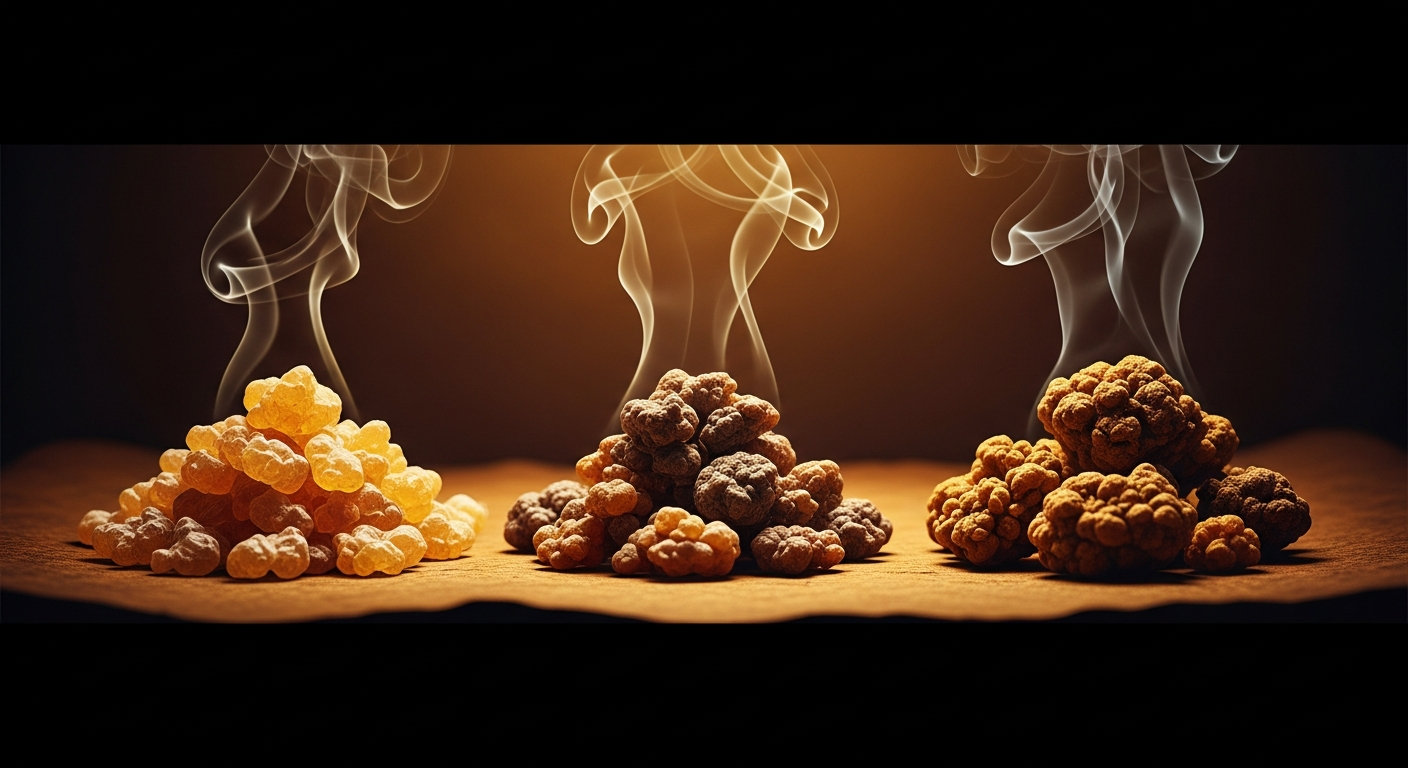
Not all frankincense is created equal. Different Boswellia species produce oils with varying chemical profiles that may affect their suitability for respiratory applications:
- Boswellia carterii (Somali): Often considered the gold standard, with a balanced profile of compounds traditionally valued for respiratory support
- Boswellia sacra (Omani): Highly prized for its complex aroma and traditional association with respiratory wellness
- Boswellia frereana (Coptic): Known for its fresh, lemony scent and traditional use in respiratory practices
- Boswellia serrata (Indian): More commonly used in traditional medicine preparations rather than essential oil aromatherapy
Extraction Methods
The method used to extract frankincense essential oil significantly impacts its quality and composition:
Steam Distillation: The preferred method for respiratory applications. This process:
- Preserves the delicate aromatic compounds most valued for breathing support
- Produces a pure essential oil without solvent residues
- Maintains the traditional aromatic profile that has been used for millennia
CO2 Extraction: A newer method that:
- May preserve more of the complete chemical profile of the resin
- Produces a different aromatic profile compared to steam-distilled oil
- Is generally more expensive but may offer certain advantages
Solvent Extraction: Generally not recommended for respiratory applications due to potential solvent residues that could irritate sensitive respiratory passages.
Quality Indicators
When sourcing frankincense for respiratory use, look for these quality indicators:
| Quality Factor | What to Look For | Why It Matters |
|---|---|---|
| GC/MS Testing | Current gas chromatography/mass spectrometry reports | Confirms chemical composition and purity |
| Botanical Name | Specific Boswellia species listed | Different species have different properties |
| Origin Country | Specific country and region of harvest | Geographic origin affects chemical profile |
| Extraction Date | Recent distillation date provided | Fresher oils retain more aromatic compounds |
| Organic Certification | USDA Organic or equivalent standards | Ensures no pesticide or chemical contamination |
Storage and Preservation
Proper storage maintains frankincense quality for respiratory applications:
- Temperature: Store in cool environments (60-70°F ideal)
- Light: Keep in dark glass bottles away from direct sunlight
- Air Exposure: Minimize air contact by keeping bottles tightly sealed
- Contamination Prevention: Use clean droppers and avoid touching dropper tips
Properly stored, high-quality frankincense essential oil can maintain its properties for 2-3 years, though some argue that frankincense, like fine wine, may develop more complex aromatic profiles with careful aging.
Complementary Approaches and Lifestyle Considerations
While frankincense aromatherapy may be a valuable addition to respiratory wellness routines, it works best as part of a comprehensive approach to supporting respiratory health and breathing comfort. Understanding how to integrate frankincense with other wellness practices can enhance its potential benefits.
Environmental Optimization
Creating an environment that supports respiratory comfort enhances the potential effectiveness of frankincense aromatherapy:
Air Quality Improvements:
- Use high-quality air purifiers with HEPA filtration
- Maintain optimal humidity levels (40-50%) to support comfortable breathing
- Ensure adequate ventilation and fresh air circulation
- Consider houseplants that may help improve indoor air quality
Allergen Reduction:
- Regular cleaning to minimize dust, pet dander, and other potential irritants
- Using hypoallergenic bedding and regularly washing linens in hot water
- Controlling moisture to prevent mold and mildew growth
- Choosing natural, fragrance-free cleaning products when possible
Breathing Practices
Combining frankincense aromatherapy with conscious breathing practices may enhance both the aromatic experience and potential respiratory benefits:
Deep Breathing Exercises:
- Practice diaphragmatic breathing while diffusing frankincense
- Use frankincense during meditation or mindfulness practices focused on breath awareness
- Incorporate frankincense into yoga practices, particularly pranayama (breath work)
Timing Considerations:
- Morning aromatherapy sessions to start the day with clear breathing
- Evening diffusion to support relaxation and comfortable breathing during sleep
- Pre-exercise aromatherapy to prepare the respiratory system for activity
Nutritional Support
While frankincense aromatherapy works externally, supporting respiratory health from within through nutrition may complement its effects:
Hydration: Adequate water intake helps maintain healthy respiratory passages and may support the body's natural clearance mechanisms.
Anti-inflammatory Foods: A diet rich in foods that support the body's natural inflammatory response may complement the traditional use of frankincense for inflammation support.
Immune-Supporting Nutrients: Adequate intake of vitamins C, D, and zinc may support overall respiratory wellness, potentially enhancing the environment in which frankincense aromatherapy is used.
Physical Activity
Regular, appropriate physical activity supports respiratory health and may enhance the benefits of frankincense aromatherapy:
- Cardiovascular exercise that challenges the respiratory system in healthy ways
- Yoga and tai chi practices that emphasize breath control and awareness
- Outdoor activities that provide fresh air and natural breathing challenges
Note: Individuals with respiratory conditions should consult healthcare providers before beginning new exercise programs.
Sleep Optimization
Quality sleep supports respiratory health and creates an ideal environment for nighttime frankincense aromatherapy:
- Maintaining cool, well-ventilated sleeping environments
- Using frankincense in evening relaxation routines
- Addressing sleep position and pillow support for optimal breathing during rest
- Creating bedtime rituals that incorporate aromatherapy for both respiratory and sleep support
Expert Recommendations and Best Practices
Drawing from aromatherapy professionals, traditional medicine practitioners, and wellness experts, these recommendations represent current best practices for using frankincense in respiratory wellness routines.
Professional Aromatherapist Guidelines
Certified aromatherapists often recommend these approaches for respiratory support with frankincense:
Gradual Introduction: Start with very small amounts and short exposure times to assess individual tolerance. Many people are surprised by the potency of high-quality frankincense essential oil.
Blend Considerations: While frankincense can be used alone, many practitioners suggest combining it with complementary oils for enhanced aromatherapy effects:
- With Eucalyptus: For traditional respiratory support (use lower concentrations of eucalyptus due to its potency)
- With Lavender: For calming respiratory aromatherapy, particularly in evening routines
- With Bergamot: For uplifting respiratory support during daytime use
- With Cedarwood: For grounding respiratory aromatherapy during stress-related breathing discomfort
Application Timing: Professional aromatherapists often recommend specific timing for optimal effects:
- Morning: Light diffusion to support clear breathing throughout the day
- Midday: Personal inhalers or pulse point applications for portable support
- Evening: Deeper aromatherapy sessions using steam inhalation or bath applications
- Night: Gentle diffusion in sleeping areas for overnight respiratory comfort
Traditional Medicine Perspectives
Practitioners of traditional medicine systems offer insights based on centuries of frankincense use:
Ayurvedic Approach: In Ayurveda, frankincense is considered to have properties that support "kapha" balance, which relates to respiratory and structural health. Ayurvedic practitioners often recommend frankincense during seasonal transitions and for individuals with certain constitutional types.
Traditional Chinese Medicine: TCM practitioners view frankincense as supporting "lung qi" and often recommend it in combination with breathing exercises and dietary approaches that complement its energetic properties.
Middle Eastern Traditions: In regions where frankincense originates, traditional use often emphasizes regular, consistent aromatherapy rather than intensive applications, suggesting that gentle, ongoing exposure may be more beneficial than sporadic heavy use.
Integration with Modern Wellness
Contemporary wellness experts suggest these approaches for integrating frankincense into modern lifestyles:
Mindful Application: Rather than passive diffusion, engage consciously with frankincense aromatherapy through:
- Intentional breathing during aromatherapy sessions
- Combining frankincense with meditation or mindfulness practices
- Using aromatherapy sessions as opportunities for stress reduction and relaxation
Consistency Over Intensity: Many experts emphasize that regular, moderate use of frankincense may be more beneficial than occasional intensive applications. This might include:
- Daily brief diffusion sessions rather than long, infrequent ones
- Incorporating frankincense into existing wellness routines rather than supporting it as a separate intervention
- Building aromatherapy habits
Shop Frankincense Essential Oil
However you diffuse it, the aroma is only as good as the oil — ours is single-origin and GC/MS verified.
Shop Frankincense Oil →Sources & Further Reading