Frankincense and Peppermint Headache Balm You Can Make in Minutes
Creating your own frankincense headache balm combines the ancient wisdom of traditional aromatherapy with the satisfying craft of natural DIY skincare. This simple yet luxurious recipe harnesses frankincense essential oil's historically revered properties alongside peppermint's refreshing qualities to create a soothing balm that many people find comforting during times of tension.
While this DIY headache remedy cannot treat, cure, or prevent any medical condition, it offers a wonderful way to experience the aromatic benefits that have made frankincense and peppermint beloved across cultures for centuries. Some users report that the cooling sensation and pleasant aroma may help promote a sense of comfort and relaxation.
Recipe Overview
- Difficulty Level: Beginner
- Prep Time: 5 minutes
- Total Time: 15 minutes (including cooling)
- Yield: Approximately 2 ounces
- Shelf Life: 6-12 months when stored properly
Essential Ingredients You'll Need
This natural headache balm recipe requires just a handful of high-quality ingredients that work harmoniously together:
Base Ingredients
- 2 tablespoons coconut oil (fractionated or virgin)
- 1 tablespoon shea butter or cocoa butter
- 1 tablespoon beeswax pellets or grated beeswax
Essential Oil Blend
- 8 drops high-quality frankincense essential oil (Boswellia carterii or Boswellia sacra)
- 4 drops peppermint essential oil
- 2 drops lavender essential oil (optional, for additional aromatic complexity)
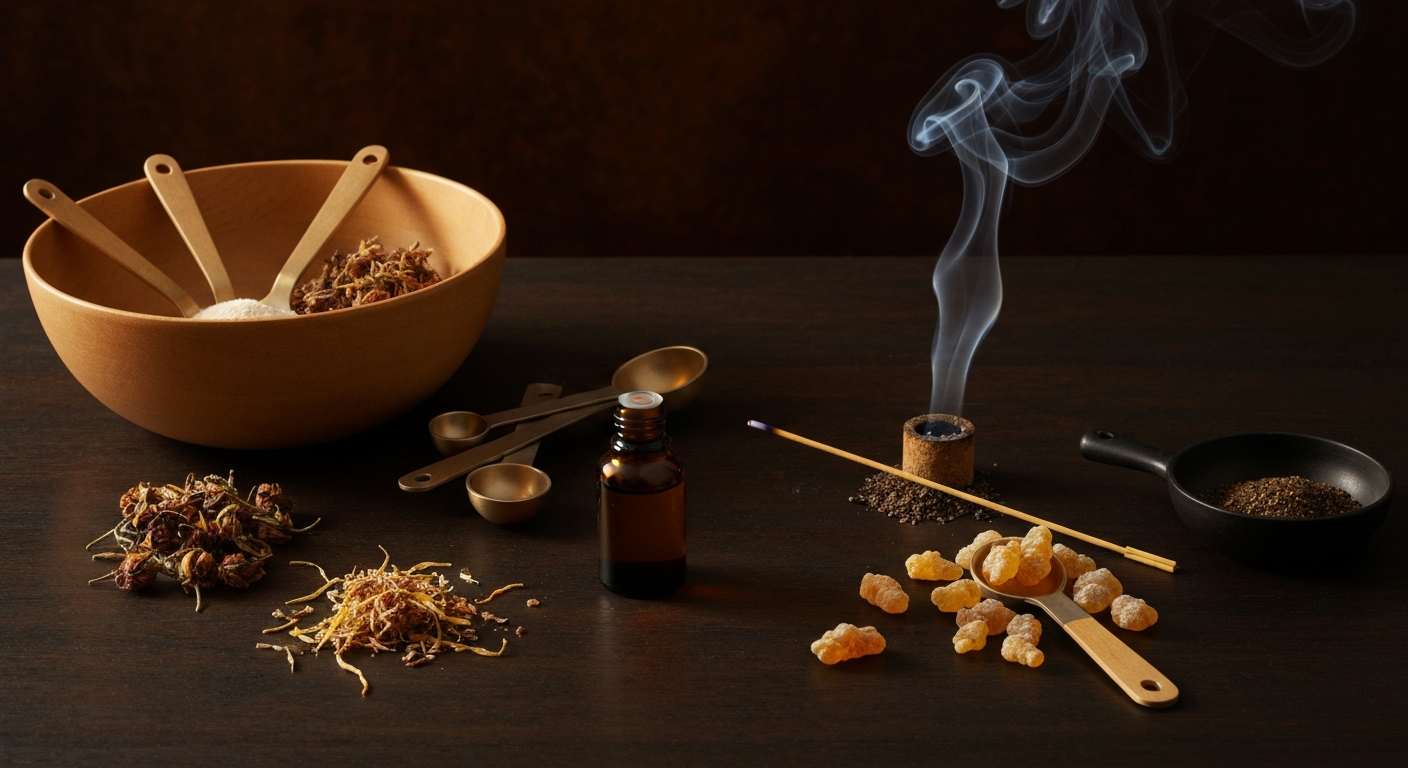
Equipment
- Small glass or stainless steel bowl
- Small saucepan for double boiler method
- Wooden stirring stick or glass rod
- 2-ounce glass jar or tin with tight-fitting lid
- Labels for proper identification
Step-by-Step Instructions
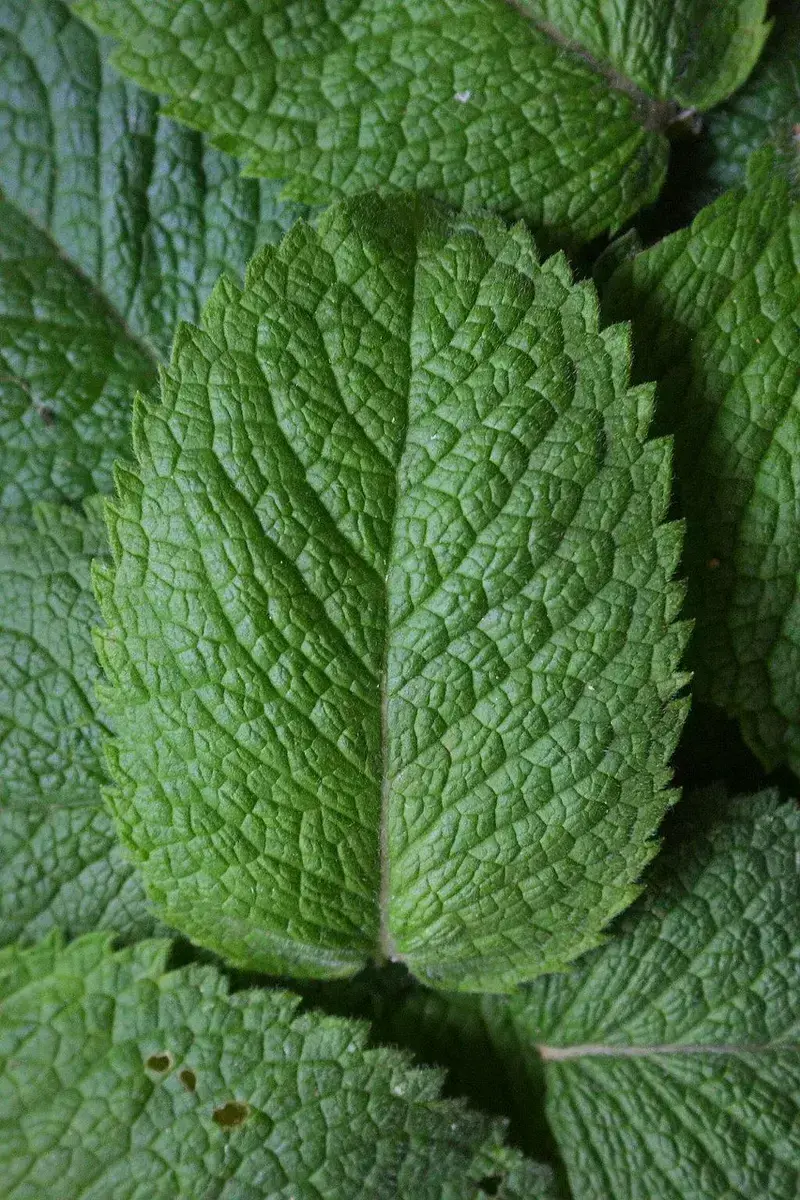
Step 1: Prepare Your Workspace
Set up a clean, well-ventilated workspace away from children and pets. Have your storage container clean and ready. Label your jar in advance to avoid confusion.
Step 2: Create Double Boiler Setup
Fill a small saucepan with about an inch of water and bring to a gentle simmer. Place your glass bowl on top, ensuring it doesn't touch the water directly. This gentle heating method preserves the integrity of your ingredients.
Step 3: Melt the Base
Add beeswax to your bowl first, as it takes longest to melt. Once it begins softening (about 2-3 minutes), add the shea butter and coconut oil. Stir gently until completely melted and combined into a smooth, golden liquid.
Step 4: Cool Slightly
Remove the bowl from heat and let the mixture cool for 2-3 minutes. This prevents the essential oils from evaporating when added.
Step 5: Add Essential Oils
Working quickly but carefully, add your frankincense essential oil first, followed by peppermint and lavender (if using). Stir thoroughly to ensure even distribution throughout the balm.
Step 6: Pour and Set
Immediately pour the mixture into your prepared container. Allow to cool completely at room temperature for about 10-15 minutes until firm.
Critical Safety Warnings and Guidelines
IMPORTANT: This balm is for external use only and should never be applied to broken or irritated skin.
Dilution and Application Safety
- Patch Test Required: Always perform a patch test on a small area of skin 24 hours before full use
- Proper Dilution: This recipe maintains approximately 1.5% essential oil dilution, suitable for most adults
- Application Areas: Apply only to temples, back of neck, or pulse points—never near eyes, mucous membranes, or sensitive areas
- Amount: Use sparingly—a small dab is sufficient
Contraindications and Special Populations
- Pregnancy and Nursing: Consult healthcare provider before use
- Children: Not recommended for children under 10 years old
- Sensitive Skin: Reduce peppermint to 2 drops or omit entirely
- Allergies: Avoid if allergic to any ingredients, particularly tree nuts (if using shea butter)
Medical Disclaimer: This balm does not treat, cure, or prevent headaches or any medical condition. If you experience frequent or severe headaches, consult a qualified healthcare provider.
Storage and Shelf Life
Store your finished balm in a cool, dry place away from direct sunlight. (See: NIH — Boswellia Research.) The natural preservative properties of the essential oils, combined with proper storage, typically maintain quality for 6-12 months.
Signs it's time to discard your balm include:
- Changes in color, texture, or scent
- Separation of ingredients
- Rancid or off odors
- Mold growth
Variations and Customizations
Carrier Oil Alternatives
Experiment with different base oils to customize texture and properties:
- Jojoba Oil: Technically a wax, creates a silky finish
- Sweet Almond Oil: Lightweight and easily absorbed
- Avocado Oil: Rich and nourishing for dry skin
Essential Oil Modifications
While frankincense for headaches remains the star ingredient, you might explore:
- Eucalyptus: Replace peppermint for a different cooling effect
- Roman Chamomile: Add 2 drops for additional aromatic depth
- Rosemary: Include 1-2 drops for herbaceous complexity
Understanding the differences in frankincense vs peppermint can help you adjust ratios based on your preferences.
Application Tips and Best Practices
For optimal experience with your homemade balm:
- Start Small: Begin with a tiny amount—you can always add more
- Gentle Massage: Apply using light, circular motions
- Strategic Placement: Focus on temples, forehead, and base of skull
- Clean Hands: Always apply with clean fingers to prevent contamination
- Mindful Timing: Many people find evening application particularly soothing
Enhancing the Experience
Consider pairing your balm application with:
- Deep breathing exercises
- Quiet, dimly lit environment
- Gentle neck stretches
- Warm compress on shoulders
The Aromatic Journey
The combination of frankincense and peppermint creates a complex aromatic profile that has captivated users across cultures. Frankincense brings its characteristic resinous, slightly citrusy depth, while peppermint adds bright, cooling top notes. This pairing has been traditionally used in various cultures for promoting comfort and relaxation.
Some research suggests that certain aromatic compounds found in these oils may influence mood and perception of comfort, though individual responses vary significantly. The act of taking time to apply the balm mindfully may itself contribute to feelings of self-care and relaxation.
Troubleshooting Common Issues
If your balm turns out too soft, remelt and add a bit more beeswax. If too firm, remelt and incorporate additional carrier oil. Remember, consistency can vary with temperature—what seems perfect in winter might feel different in summer heat.
For those interested in exploring frankincense for pain applications more broadly, this foundational recipe serves as an excellent starting point for further experimentation with natural aromatherapy preparations.
Creating your own frankincense and peppermint headache balm represents more than just a DIY project—it's an invitation to slow down, engage with traditional aromatherapy wisdom, and craft something uniquely yours. While this preparation makes no medical claims, many crafters find the process itself meditative and the resulting balm a cherished addition to their self-care routines.
Shop Frankincense Essential Oil
Your balm is only as good as its frankincense — choose from six single-origin, GC/MS verified oils in our shop, starting at 0.5 oz.
Shop Frankincense Oil →