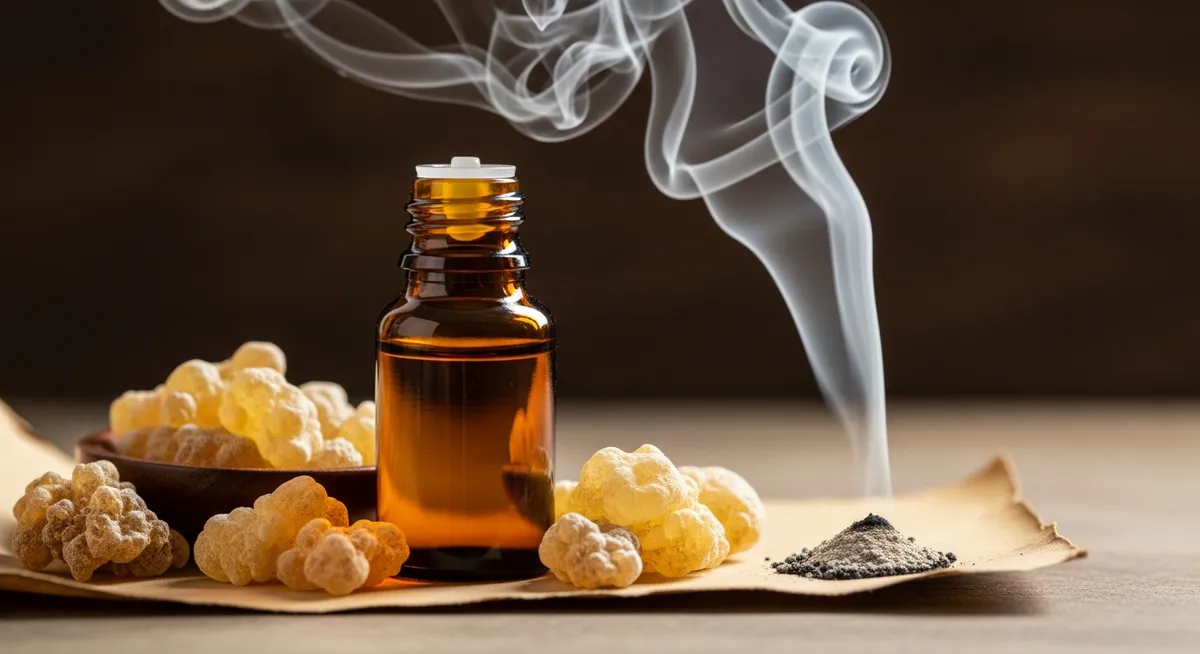
14 Ways to Use Frankincense Essential Oil for Kids (Safely)
Frankincense essential oil has been treasured for thousands of years, and modern families are discovering gentle ways to incorporate this ancient wisdom into children's daily routines. When used with proper safety precautions and dilution, frankincense may offer a natural way to create calming environments and support wellness practices for the whole family.
Frankincense Essential Oil
Six single-origin frankincense varieties, steam-distilled and GC/MS verified.
From $12.99
Shop Frankincense Oil →Before exploring these applications, it's essential to understand that frankincense for kids requires special consideration. Children's skin is more sensitive, their respiratory systems are developing, and their bodies process essential oils differently than adults. Always consult with a qualified healthcare provider before introducing any essential oil routine, especially for children under 6 years old.
The key to frankincense children safe usage lies in proper dilution, quality sourcing, and understanding age-appropriate applications. Let's explore fourteen gentle ways families have traditionally incorporated this revered oil into their children's environments and routines.
1. Bedtime Foot Massage for Relaxation
One of the gentlest ways to introduce frankincense into a child's routine is through diluted foot massage before bedtime. The feet have thicker skin than other parts of the body, making them an ideal location for topical application. Many parents report that this practice may help promote a sense of calm and readiness for sleep.
For children over 6 years old, mix 1-2 drops of high-quality frankincense with 1 tablespoon of carrier oil such as jojoba or fractionated coconut oil. For younger children (2-6 years), reduce to 1 drop per 2 tablespoons of carrier oil. The ritual of gentle massage itself may contribute to relaxation and bonding time between parent and child.
Practical takeaway: Always patch test on a small area of the foot first and wait 24 hours to ensure no sensitivity. Learn more about proper dilution ratios in our frankincense dilution guide.
2. Diffusing for Study and Focus Time
Frankincense has been traditionally used in meditation and contemplative practices for centuries. Some families find that diffusing small amounts during homework or quiet reading time may help create an environment conducive to concentration. The key is using very minimal amounts and ensuring proper ventilation.
For children's spaces, use no more than 1-2 drops in a quality diffuser for 15-30 minute intervals, not continuously throughout the day. The room should be well-ventilated, and the diffuser should be placed out of children's reach. Some research suggests that certain aromatic compounds in frankincense may support cognitive function, though more studies are needed.
Practical takeaway: Never leave a diffuser running continuously in a child's bedroom, and always ensure the child can leave the room if they feel uncomfortable with the scent.
3. Creating Calming Bath Rituals
Bath time can become a soothing ritual with the careful addition of frankincense. However, essential oils for children frankincense applications in water require extra precaution since oils don't naturally mix with water and can potentially irritate sensitive skin if not properly dispersed.
The safest method is to first mix 1 drop of frankincense (for children over 6) with 1 tablespoon of whole milk, honey, or unscented liquid soap before adding to the bathwater. This helps disperse the oil throughout the water rather than leaving it floating on the surface. For children under 6, it's generally recommended to avoid adding essential oils directly to bath water.
Practical takeaway: Never add undiluted essential oils directly to bath water, and limit bath time to 10-15 minutes to prevent overexposure. Consider alternatives like diffusing nearby instead.
4. DIY Natural Chest Rub for Comfort
During seasonal challenges, many families seek natural ways to provide comfort. A gentle chest rub using frankincense may offer a soothing topical application that parents have traditionally used to support their children's comfort during minor respiratory discomfort.
Create a gentle blend using 1 drop of frankincense, 1 drop of lavender, and 2 tablespoons of coconut oil or shea butter for children over 6. For younger children, use half the essential oil amounts. Apply gently to the chest and upper back, avoiding the face and neck area. This should never replace appropriate medical care for respiratory concerns.
Practical takeaway: Always consult your child's healthcare provider for persistent respiratory issues, and ensure the child isn't sensitive to any ingredients through patch testing first.
5. Stress-Relief Rollerball for School Days
School environments can sometimes feel overwhelming for children. A portable rollerball blend may provide a familiar, comforting scent that children can use when they need a moment of calm. This application allows for precise control over dilution and application amount.
In a 10ml rollerball bottle, combine 2 drops of frankincense with 1 drop of sweet orange essential oil and fill the remainder with fractionated coconut oil. This creates a 1% dilution suitable for children over 6. Teach children to apply to their wrists or behind their ears, away from the face and eyes.
Practical takeaway: Ensure your child's school allows personal aromatherapy products, and teach proper application techniques to avoid overuse or accidental contact with eyes.
6. Mindfulness and Meditation Support
Teaching children mindfulness and breathing techniques can be valuable life skills. Frankincense has been used in contemplative practices across cultures for millennia, and its grounding scent may help children develop their own mindfulness practices.
Create a special meditation space where you diffuse 1-2 drops of frankincense during guided breathing exercises or quiet time. The consistency of scent may help children associate the aroma with feelings of peace and centeredness. Some families report that this practice helps children develop better emotional regulation skills over time.
Practical takeaway: Start with very short sessions (2-3 minutes) and gradually increase as children become comfortable. The goal is positive association, not overwhelming their senses.
7. Natural Room Spray for Fresh Environments
Creating a gentle room spray can help freshen children's spaces naturally while introducing the benefits of frankincense in a highly diluted form. This method allows for controlled application and can be used to refresh bedding, play areas, or study spaces.
In a 4-ounce spray bottle, combine 5-8 drops of frankincense with 1 tablespoon of witch hazel or vodka (as an emulsifier) and fill the remainder with distilled water. Shake well before each use. This creates an extremely mild concentration suitable for environmental use around children.
Practical takeaway: Always label homemade products clearly and store them out of children's reach. Test on fabrics in an inconspicuous area first to ensure no staining occurs.
8. Gentle Massage Oil for Growing Pains
Many children experience minor discomfort in their legs and arms during growth periods. A gentle massage oil containing frankincense may provide comfort through the nurturing power of touch combined with the traditional properties of this ancient oil.
For children over 6, blend 2 drops of frankincense with 1 drop of lavender in 2 tablespoons of sweet almond oil or jojoba oil. (See: NIH — Boswellia Research.) The massage technique itself may help promote circulation and provide the comfort of parental attention during times when children feel physically uncomfortable.
Practical takeaway: Focus on gentle massage techniques and never apply pressure that causes discomfort. If pain persists or worsens, consult your child's healthcare provider to rule out other causes.
9. Travel Comfort Blend for Car Rides
Long car rides or travel can be challenging for children, and some may experience motion-related discomfort. A personal inhaler or diluted blend applied to clothing may provide familiar comfort during travel situations.
Create a travel blend using 1 drop of frankincense and 1 drop of peppermint (for children over 10) or sweet orange (for younger children) on a cotton ball placed in a small container. Allow children to inhale gently when needed during travel. For motion concerns, positioning and fresh air remain the primary recommendations.
Practical takeaway: Never apply peppermint-containing blends near young children's faces, and ensure adequate ventilation in vehicles. Motion discomfort may require medical attention if severe or persistent.
10. Immune Support Through Aromatic Use
During seasonal transitions, many families look for natural ways to support their children's overall wellness. While essential oils should never replace proper medical care, frankincense has been traditionally valued for its purifying properties and may be used as part of a holistic approach to family wellness.
Diffuse 1-2 drops of frankincense in common family areas during times when you want to create a clean, fresh environment. This aromatic use may complement other wellness practices like proper nutrition, adequate sleep, and good hygiene habits. Learn more about traditional uses in our guide on frankincense for immunity.
Practical takeaway: Essential oils should complement, never replace, evidence-based health practices. Maintain proper medical care, vaccination schedules, and consult healthcare providers for any concerning symptoms.
11. Skin-Soothing Balm for Minor Scrapes
Children's active lifestyles often result in minor scrapes and scratches. A gentle healing balm containing frankincense may provide comfort while supporting the skin's natural healing process. Frankincense has been traditionally valued for its skin-supporting properties across many cultures.
Create a simple balm by melting 2 tablespoons of coconut oil with 1 tablespoon of beeswax, then stirring in 1-2 drops of frankincense once cooled slightly. This creates a protective barrier that may help keep minor wounds clean while providing the traditional benefits associated with frankincense.
Practical takeaway: Only use on clean, minor scrapes, and seek medical attention for wounds that are deep, won't stop bleeding, or show signs of infection. Proper wound cleaning remains the priority.
12. Morning Energy and Focus Diffusion
Some families find that frankincense may help create an alert, focused atmosphere during morning routines. The grounding properties traditionally associated with this oil might support children in starting their day with intention and clarity.
During breakfast or morning preparation time, diffuse 1-2 drops of frankincense combined with 1 drop of sweet orange for a uplifting yet centered aromatic experience. This practice may help establish positive morning rituals that children associate with feeling prepared and confident.
Practical takeaway: Keep morning aromatherapy sessions brief (15-20 minutes) and ensure all family members enjoy the scent. Some children may be more sensitive to morning scents than evening ones.
13. Anxiety-Soothing Breathing Blend
Children today face various stressors, from academic pressures to social situations. Teaching children healthy coping mechanisms, including aromatherapy-supported breathing exercises, may provide them with valuable self-regulation tools.
Create a personal inhaler using 3 drops of frankincense and 2 drops of lavender on the cotton wick. Teach children to take slow, deep breaths while inhaling gently from the tube during moments when they feel overwhelmed or anxious. This technique combines the traditional calming properties of frankincense with proven stress-reduction breathing methods.
Practical takeaway: If anxiety symptoms persist or interfere with daily activities, consult with a qualified mental health professional. Aromatherapy should support, not replace, appropriate professional care when needed.
14. Sacred Space Creation for Reflection
Many families value creating spaces for reflection, gratitude, or spiritual practice. Frankincense has been used in sacred contexts across cultures for thousands of years, and its presence may help children develop their own sense of reverence and introspection.
Establish a quiet corner or special area where frankincense is gently diffused during family reflection time, prayer, or gratitude practices. This consistent aromatic association may help children develop deeper connections to contemplative practices and family values.
Practical takeaway: Respect all family members' comfort levels with scents and spiritual practices. The goal is to create inclusive, peaceful experiences that honor everyone's needs and beliefs.
Essential Safety Guidelines for Frankincense and Children
Throughout all these applications, safety remains paramount when using frankincense for kids. Children's developing systems require extra precautions, and what works safely for adults may not be appropriate for younger family members.
Key safety principles include: always diluting essential oils appropriately for the child's age, conducting patch tests before topical use, ensuring proper ventilation during aromatic use, storing all products safely out of reach, and consulting healthcare providers about any concerns. Age matters significantly - children under 2 should generally avoid essential oil exposure, while children 2-6 require more conservative dilutions and applications.
Quality sourcing also impacts safety. Pure, therapeutic-grade frankincense from reputable suppliers undergoes testing for contaminants and adulterants that could pose additional risks to children's sensitive systems. For comprehensive safety information, review our detailed frankincense safety guide. review our detailed frankincense safety guide.
Building Healthy Aromatherapy Habits
Introducing children to the world of essential oils for children frankincense applications can be the beginning of lifelong wellness practices. When approached with respect, knowledge, and appropriate safety measures, frankincense may become a valued tool in your family's natural wellness toolkit.
Remember that every child is unique, with individual sensitivities and preferences. What works beautifully for one child may not suit another, and that's perfectly normal. The key is patient experimentation, careful observation, and always prioritizing your child's comfort and safety over any desired aromatherapy outcome.
Start slowly, use minimal amounts, and build positive associations with natural wellness practices. This foundation may serve your children well as they develop their own relationships with natural health approaches throughout their lives.
Frankincense Essential Oil
Serrata, carterii, sacra, frereana, neglecta and rivae: steam-distilled, GC/MS verified, in sizes from 0.5 oz to bulk.
From $12.99
Shop Frankincense Oil →