12 Unexpected Uses for Frankincense Oil You've Never Tried
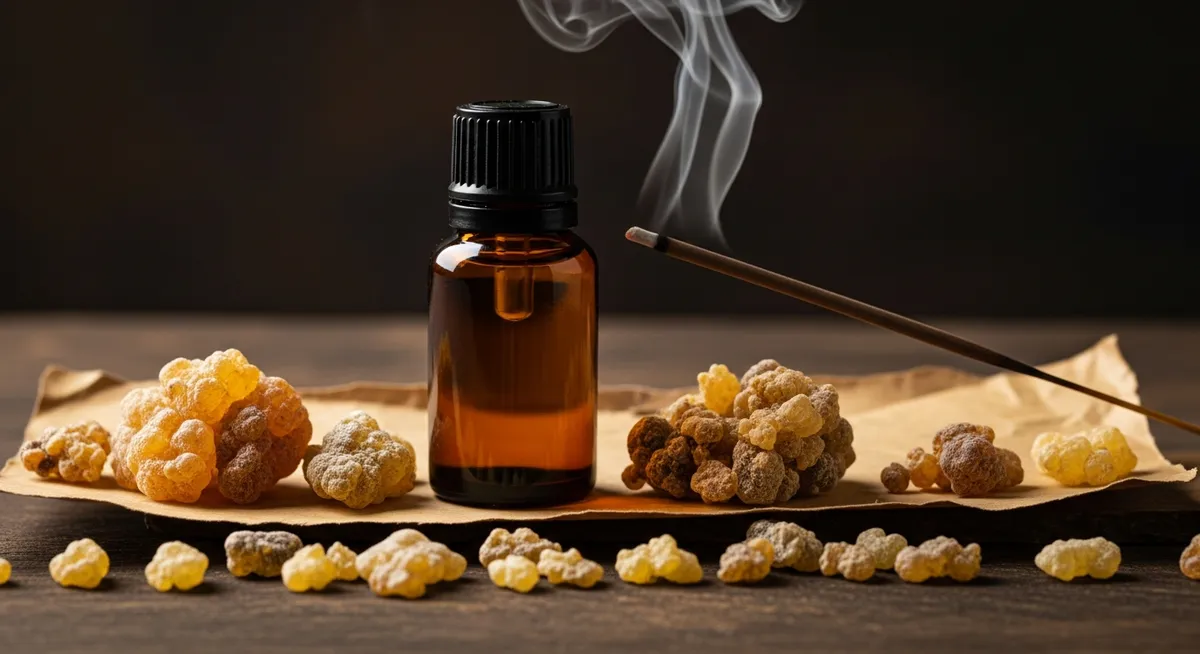
While most people associate frankincense oil with meditation and aromatherapy, this ancient resin oil offers far more versatility than you might imagine. From household applications to creative projects, frankincense's unique properties make it surprisingly useful in unexpected ways. Let's explore twelve unconventional frankincense oil uses that showcase its remarkable adaptability beyond traditional aromatherapy practices.
Frankincense Essential Oil
Six single-origin frankincense varieties, steam-distilled and GC/MS verified.
From $12.99
Shop Frankincense Oil →Before diving into these creative applications, it's important to note that frankincense should always be properly diluted when used topically, and you should consult with a qualified healthcare provider regarding any wellness applications. Learn more about frankincense basics to ensure safe and effective use.
1. Natural Wood Polish and Furniture Rejuvenator
One of the most surprising frankincense oil uses involves furniture care. The oil's natural properties make it excellent for conditioning and protecting wood surfaces. When combined with carrier oils like jojoba or fractionated coconut oil, frankincense creates a luxurious wood polish that may help restore luster to tired furniture pieces.
Create your own wood conditioner by mixing 10-15 drops of frankincense oil with 1/4 cup of carrier oil and a tablespoon of beeswax (melted). This mixture can be applied sparingly to clean wood surfaces and buffed to a beautiful shine. The frankincense adds a sophisticated scent while the blend nourishes the wood fibers.
Practical takeaway: Test on an inconspicuous area first, and avoid using on painted or treated surfaces without manufacturer approval.
2. Homemade Candle Enhancement
Transform ordinary candles into aromatic masterpieces by incorporating frankincense oil into your candle-making process. This unusual frankincense use elevates homemade candles with its complex, resinous fragrance that burns beautifully and creates an atmosphere of luxury and tranquility.
For soy or beeswax candles, add 20-30 drops of frankincense oil per pound of wax during the melting process. The oil integrates seamlessly and provides a consistent scent throw throughout the candle's burn time. Consider blending frankincense with complementary oils like sandalwood or bergamot for unique fragrance profiles.
Practical takeaway: Use only high-quality, pure frankincense oil in candle making, and follow proper candle safety guidelines including appropriate wick sizing.
3. Leather Conditioner and Protector
Frankincense oil's conditioning properties extend beyond wood to leather goods. This creative frankincense application can help maintain the suppleness and appearance of leather items while imparting a subtle, sophisticated scent. Many people report that frankincense-treated leather develops a beautiful patina over time.
Mix 8-10 drops of frankincense oil with 2 tablespoons of a neutral carrier oil like sweet almond oil. Apply this mixture sparingly to clean leather using a soft cloth, working it in with circular motions. Allow the leather to absorb the approach for several hours before buffing with a clean cloth.
Practical takeaway: Always test on a hidden area first, as some leathers may darken or react differently to oil treatments.
4. DIY Lip Balm with Ancient Luxury
Create premium lip balm using frankincense oil for a touch of ancient luxury in your daily routine. This unexpected application combines the oil's traditional reverence with modern convenience. Some users report that frankincense-infused lip balm feels particularly nourishing during dry weather conditions.
Melt together 2 tablespoons of coconut oil, 1 tablespoon of beeswax, and 1 teaspoon of sweet almond oil. Remove from heat and add 3-4 drops of frankincense oil before pouring into lip balm tubes. The result is a moisturizing balm with a subtle, sophisticated scent that stands apart from commercial alternatives.
Practical takeaway: Store homemade lip balm in a cool place and use within 6 months for best quality and safety.
5. Artistic Medium for Handmade Paper
One of the most creative frankincense oil uses involves papermaking artistry. Adding frankincense oil to handmade paper during the pulp stage creates subtly scented paper perfect for special correspondence, art projects, or ceremonial purposes. This unusual application honors frankincense's historical connection to written communication and sacred texts.
During the papermaking process, add 5-8 drops of frankincense oil to your paper pulp mixture just before forming sheets. The oil distributes evenly throughout the fibers, creating paper with a gentle, lasting fragrance. This technique works particularly well with natural fiber papers like cotton or hemp.
Practical takeaway: Use archival-quality materials if creating paper for long-term storage, and allow adequate drying time to prevent oil staining.
6. Natural Drawer and Closet Freshener
Transform storage spaces with frankincense-scented sachets, an unusual frankincense use that brings ancient aromatics to modern organization. Unlike synthetic air fresheners, frankincense provides a sophisticated, long-lasting scent that many find both grounding and luxurious.
Create sachets by adding 10-15 drops of frankincense oil to small cotton balls or pieces of unscented fabric, then placing them in breathable pouches made from muslin or organza. Position these sachets in drawers, closets, or storage boxes for a gentle, persistent fragrance that may help create a more pleasant storage environment.
Practical takeaway: Refresh sachets monthly by adding 2-3 additional drops of oil, and keep away from delicate fabrics that might be sensitive to oils.
7. Carpet and Upholstery Deodorizer
Combat household odors naturally using frankincense oil as a carpet and upholstery refresher. (See: NIH — Boswellia Research.) This practical application takes advantage of frankincense's pleasant scent profile while providing an alternative to commercial deodorizing products filled with synthetic fragrances.
Create a carpet powder by mixing 1 cup of baking soda with 15-20 drops of frankincense oil. Allow the mixture to sit for 24 hours so the oil fully distributes throughout the powder. Sprinkle lightly on carpets and upholstery, let sit for 15-20 minutes, then vacuum thoroughly. The baking soda absorbs odors while the frankincense leaves a subtle, pleasant scent.
Practical takeaway: Test on an inconspicuous area first, and ensure complete vacuuming to prevent oil residue on fabric surfaces.
8. Bookbinding and Paper Restoration
Professional bookbinders and restoration enthusiasts have discovered that frankincense oil can play a role in paper preservation projects. This sophisticated application connects frankincense's historical use in libraries and scriptoriums with modern conservation techniques, though it should only be attempted by those familiar with archival practices.
When properly diluted in appropriate carrier solutions, frankincense may help condition aged paper and leather bindings. However, this application requires extensive knowledge of conservation principles and should never be attempted on valuable or irreplaceable items without professional guidance.
Practical takeaway: Consult with professional conservators before attempting any restoration work, and practice on expendable materials first.
9. Custom Potpourri Creation
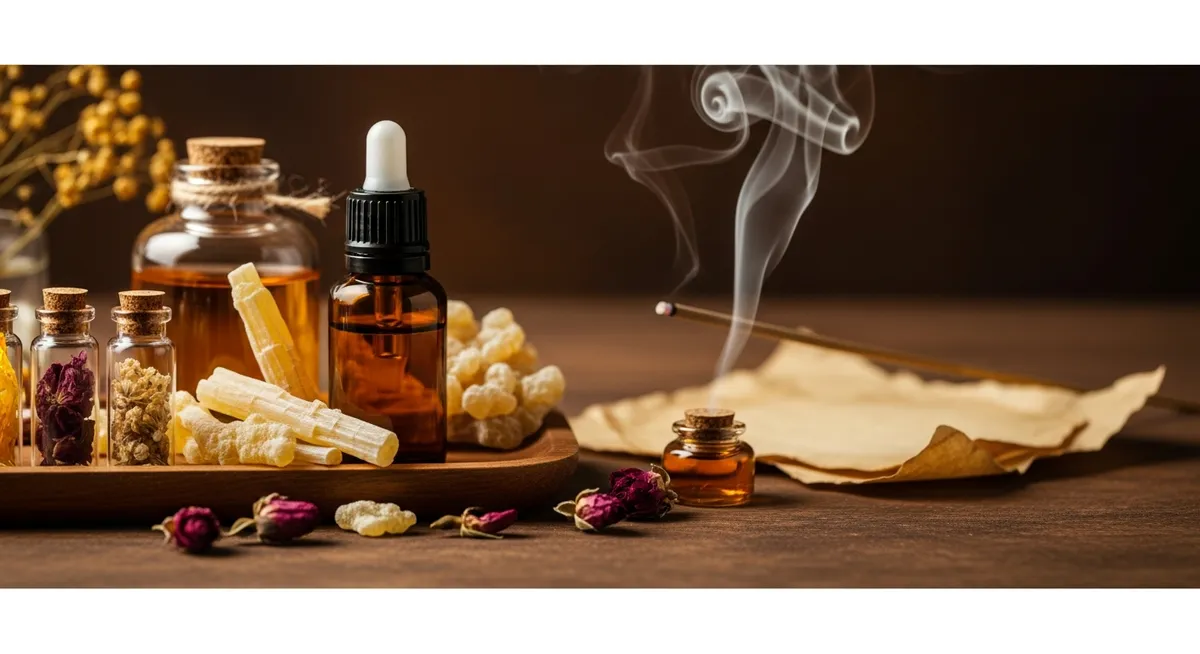
Elevate homemade potpourri with frankincense oil for a luxurious aromatic blend that surpasses commercial alternatives. This creative frankincense application allows you to craft personalized scent combinations while drawing on frankincense's traditional role in ceremonial and decorative aromatics.
Combine dried flower petals, herbs, and spices in a large bowl, then add 20-25 drops of frankincense oil mixed with 1 tablespoon of orris root powder (a natural fixative). Toss the mixture gently and store in a sealed container for 2-3 weeks to allow the scents to meld. The frankincense provides depth and longevity to your custom potpourri blend.
Practical takeaway: Store potpourri in airtight containers between uses to preserve the scent, and refresh with additional frankincense oil as needed.
10. Hair Brush and Comb Conditioner
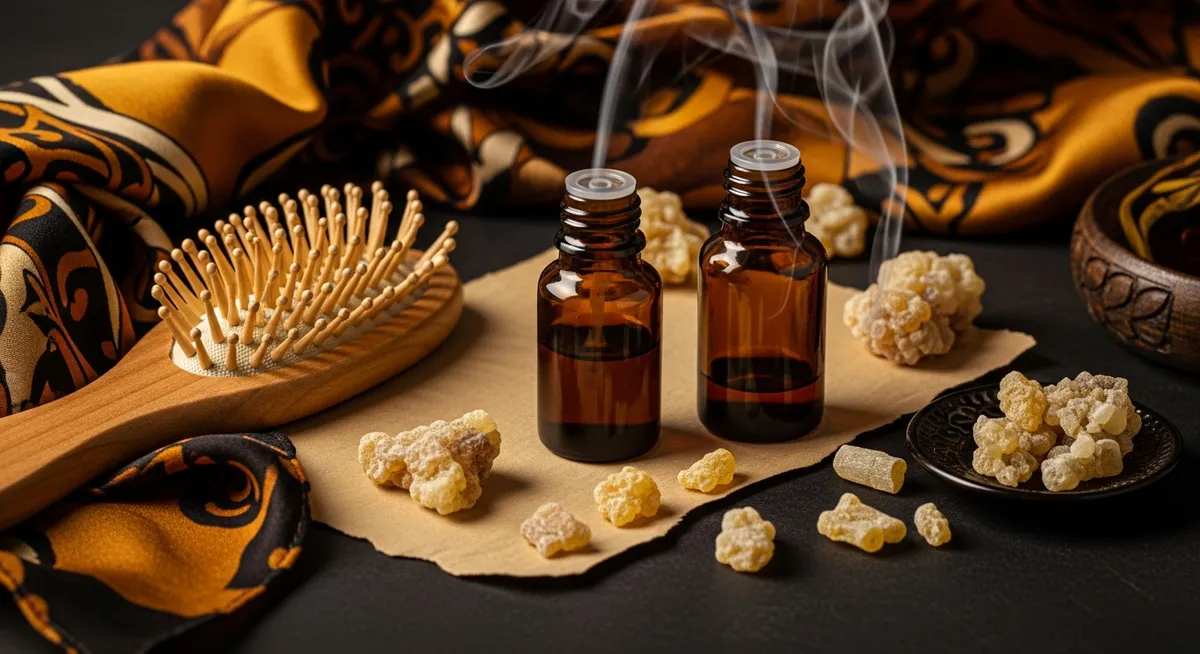
Maintain your hair tools while enjoying frankincense's aromatic benefits by using it as a brush and comb conditioner. This unusual frankincense use helps keep hair accessories clean while imparting a subtle scent that transfers to your hair during styling. Explore more frankincense hair applications for comprehensive care routines.
Clean your brushes and combs thoroughly, then apply a drop or two of frankincense oil (diluted with a carrier oil) to the bristles or teeth. Work the oil through gently with a clean cloth, allowing it to condition the brush materials while providing a pleasant scent for your daily grooming routine.
Practical takeaway: Use sparingly to avoid oil buildup, and clean tools regularly to prevent residue accumulation.
11. Meditation Bead Conditioning
If you use wooden prayer beads or mala beads for meditation, frankincense oil can help maintain their condition while enhancing their spiritual significance. This meaningful application honors frankincense's traditional role in contemplative practices while providing practical maintenance benefits.
Apply a tiny amount of frankincense oil (mixed with a light carrier oil) to a soft cloth and gently condition wooden beads. The oil helps prevent cracking and drying while imparting the traditional scent associated with meditation and prayer. Allow beads to air dry completely before use.
Practical takeaway: Use minimal amounts to avoid making beads slippery, and test on one bead first to ensure no adverse reactions.
12. Natural Jewelry Cleaner for Certain Metals
Some jewelry enthusiasts report success using diluted frankincense oil as part of their cleaning routine for certain metal jewelry pieces. This unexpected application should be approached with extreme caution and only attempted on inexpensive pieces first, as oils can affect different metals and stones unpredictably.
For costume jewelry or simple metal pieces (avoiding precious stones or delicate settings), a very light application of frankincense oil diluted in a suitable carrier might help remove tarnish and add shine. However, this method requires extensive testing and should never be used on valuable pieces.
Practical takeaway: Consult with professional jewelers before attempting any DIY cleaning methods, and always test on expendable pieces first. Learn about safe frankincense applications for other personal care uses.
Safety Considerations for Creative Applications
When exploring these unusual frankincense uses, remember that essential oils are concentrated substances requiring proper handling and dilution. Always perform patch tests for topical applications, ensure adequate ventilation when using oils in enclosed spaces, and store oils safely away from children and pets.
These creative applications demonstrate frankincense oil's versatility beyond traditional aromatherapy, but they should complement, not replace, conventional methods for their respective purposes. Whether you're crafting, cleaning, or creating, frankincense oil adds a touch of ancient luxury to modern applications while connecting us to centuries of aromatic tradition.
Frankincense Essential Oil
Serrata, carterii, sacra, frereana, neglecta and rivae: steam-distilled, GC/MS verified, in sizes from 0.5 oz to bulk.
From $12.99
Shop Frankincense Oil →