12 Frankincense Fun Facts That Will Surprise Even Essential Oil Enthusiasts
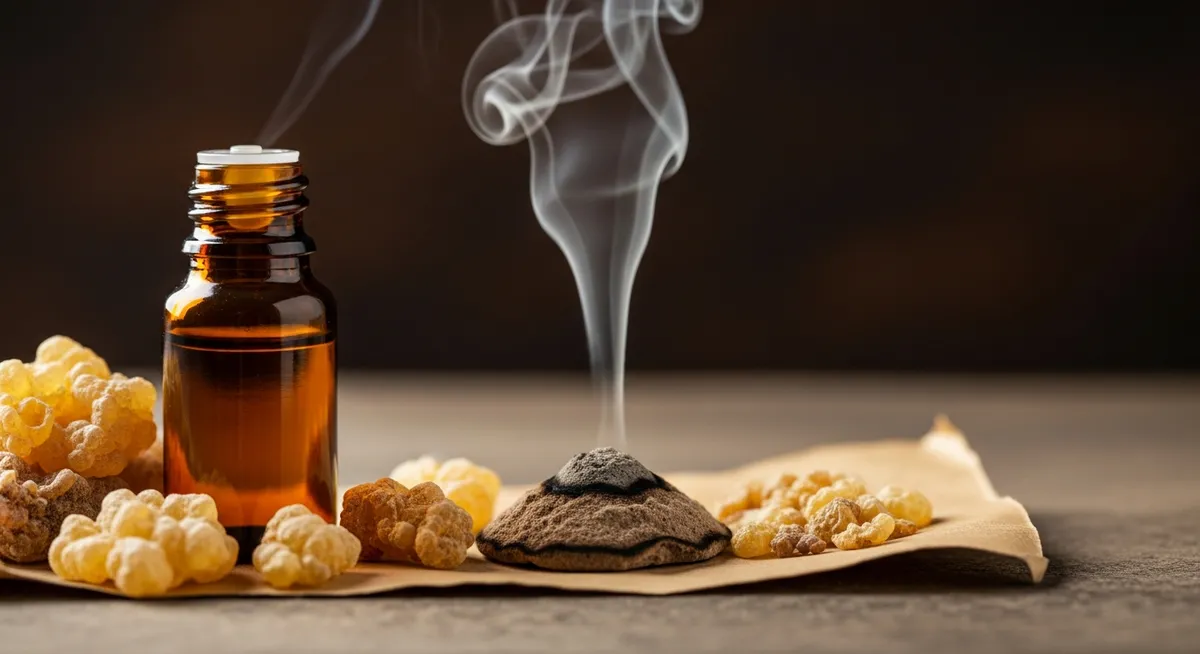
Frankincense has captivated humanity for over 6,000 years, weaving its aromatic threads through ancient civilizations, royal courts, and modern wellness practices. While many essential oil enthusiasts appreciate its distinctive scent and traditional uses, the full story of this "liquid gold" contains layers of fascinating frankincense facts that continue to surprise even seasoned aromatherapy practitioners.
Frankincense Essential Oil
Six single-origin frankincense varieties, steam-distilled and GC/MS verified.
From $12.99
Shop Frankincense Oil →From its role in ancient trade wars to its modern applications in scientific research, these interesting frankincense information gems will deepen your appreciation for one of the world's most treasured resins. Prepare to discover why frankincense has maintained its revered status across millennia—and why its story is far more complex and captivating than you might imagine.
1. Frankincense Was Once Worth More Than Gold
In ancient times, frankincense commanded prices that often exceeded those of gold, silver, and precious stones. Historical records from the Roman Empire indicate that frankincense could cost up to fifteen times more than gold by weight during peak trading seasons. This extraordinary valuation stemmed from its limited geographic origin and the dangerous journey required to transport it along ancient trade routes.
The economic power of frankincense was so significant that it funded entire civilizations. The ancient kingdoms of southern Arabia, particularly the Sabaeans, built their wealth primarily on frankincense trade. These frankincense history records show that caravans carrying the precious resin were heavily guarded and followed specific routes that became known as the "Incense Road."
Fascinating takeaway: The phrase "worth its weight in gold" might be more accurately stated as "worth its weight in frankincense" when considering historical valuations.
2. Only Female Trees Produce the Highest Quality Resin
Among the most surprising frankincense fun facts is that Boswellia trees are either male or female, and only the female trees produce the premium-grade resin that has been treasured throughout history. Female Boswellia trees typically begin producing resin around age 8-10, with peak production occurring between ages 15-45.
The gender distinction affects not only resin production but also the chemical composition of the frankincense. Female trees tend to produce resin with higher concentrations of boswellic acids and other compounds that contribute to frankincense's distinctive properties. Traditional harvesters in Oman and Somalia have passed down knowledge for generations about identifying female trees and optimizing harvest timing.
Practical insight: When sourcing high-quality frankincense essential oil, inquire about whether it comes from female tree resin—this detail often distinguishes premium products from standard grades.
3. Frankincense Trees Can Live Over 1,000 Years
These remarkable trees demonstrate extraordinary longevity, with some specimens in Oman estimated to be over 1,000 years old. The harsh desert conditions that seem inhospitable actually contribute to their longevity—the stress from limited water and extreme temperatures causes the trees to develop dense, resin-rich wood that resists decay and insect damage.
Ancient frankincense trees often become sacred sites in their native regions. In Dhofar, Oman, certain millennium-old trees are protected by local communities and considered living monuments. These ancient specimens continue producing resin, though typically in smaller quantities than younger mature trees.
Conservation note: The longevity of frankincense trees makes their current decline particularly concerning from a frankincense sustainability perspective, as replacements take decades to mature.
4. There Are Over 25 Species of Frankincense Trees
While most people think of frankincense as a single variety, there are actually more than 25 recognized species within the Boswellia genus. Each species produces resin with unique aromatic profiles and chemical compositions. The most prized varieties include Boswellia sacra from Oman, Boswellia carterii from Somalia, and Boswellia frereana, known as "Maydi" frankincense.
Different species have adapted to specific microclimates and soil conditions, resulting in distinct scent characteristics. Boswellia papyrifera from Ethiopia and Eritrea produces a sweeter, more citrusy aroma, while Boswellia neglecta offers earthier, more complex notes. Understanding these variations helps explain why frankincense essential oils from different regions can smell remarkably different.
Collector's tip: Exploring oils from different Boswellia species can dramatically expand your frankincense appreciation—each offers a unique olfactory journey.
5. Frankincense Played a Role in Ancient Egyptian Mummification
Archaeological evidence reveals that frankincense was a crucial component in ancient Egyptian mummification processes. The resin's natural preservation properties made it invaluable for protecting mummified remains. Frankincense was mixed with other resins and oils to create embalming compounds that helped preserve bodies for millennia.
Recent analysis of mummy wrappings has confirmed the presence of frankincense residues, demonstrating its widespread use in funerary practices across different social classes. The ancient Egyptians believed frankincense helped facilitate the deceased's journey to the afterlife, combining practical preservation with spiritual significance.
Historical connection: This preservation use explains why frankincense has long been associated with permanence, transformation, and spiritual transcendence across cultures.
6. The Word "Frankincense" Means "High Quality Incense"
The etymology of "frankincense" derives from the Old French "franc encens," literally meaning "high quality incense" or "pure incense." The term "franc" indicated something genuine or superior, while "encens" referred to incense. This linguistic origin reflects the historical distinction between frankincense and other aromatic substances burned for religious or ceremonial purposes.
In Arabic, frankincense is called "luban," from which the biblical term "lebonah" is derived. Different cultures developed their own names reflecting local appreciation: "olibanum" in Latin, "kundar" in Persian, and "ruxiang" in Chinese. Each name carries cultural connotations that reveal how different societies valued this precious resin.
Language insight: The consistent association with purity and quality across languages demonstrates frankincense's universal recognition as a premium aromatic substance.
7. Frankincense Trees Grow in Some of the World's Harshest Environments
Boswellia trees thrive in conditions that would kill most other plants—cliff faces, rocky outcrops, and areas with less than 200mm of annual rainfall. (See: NIH — Boswellia Research.) They can grow directly from rock cracks, with their roots extending deep into limestone formations to access minimal water sources. This extreme adaptation has made them nearly impossible to cultivate outside their native habitats.
The harsh growing conditions actually contribute to the quality of the frankincense resin. Environmental stress triggers the tree's defense mechanisms, including increased resin production with higher concentrations of bioactive compounds. Trees growing in the most challenging locations often produce the most prized resin grades.
Survival insight: The tree's resilience in extreme conditions mirrors frankincense's enduring appeal—both have thrived despite seemingly impossible circumstances.
8. Different Grades of Frankincense Are Sorted by Color and Size
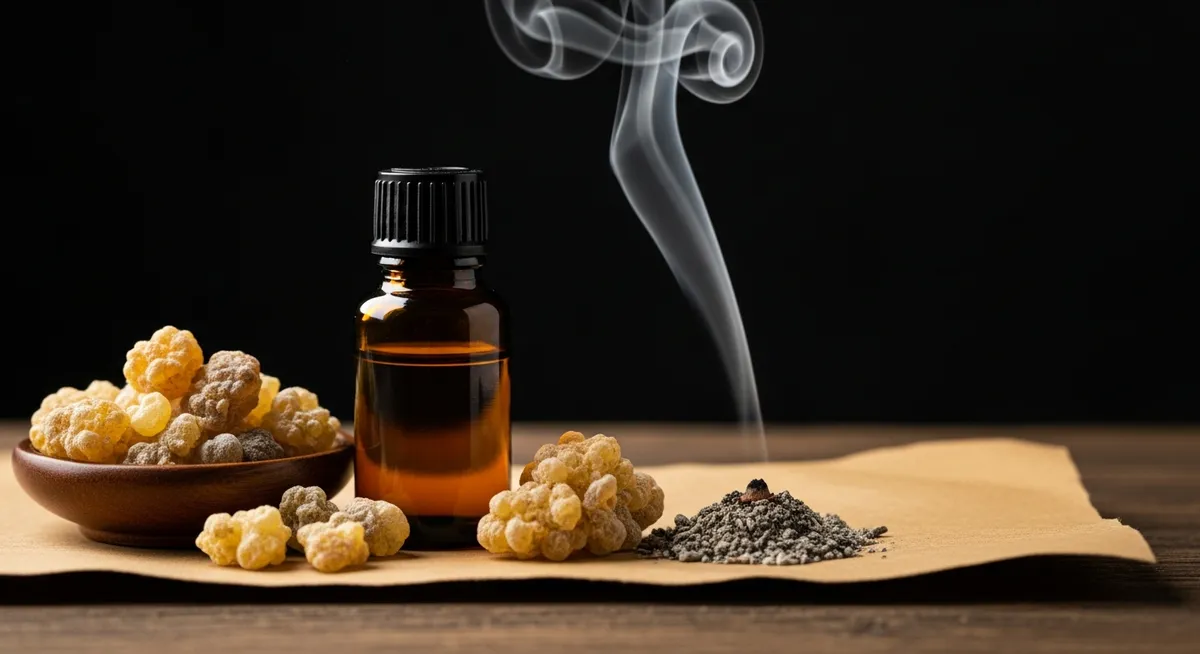
Traditional frankincense grading systems, still used today, classify resin based on color, size, and purity. The highest grade, "Silver" or "Hojari," consists of large, pale, translucent tears with minimal bark inclusion. "Gold" grade features slightly smaller, golden-colored pieces, while lower grades contain darker, smaller fragments with more impurities.
Master traders can identify origin and quality by examining resin characteristics—shape indicates harvesting method, color suggests age and storage conditions, and clarity reveals purity levels. This grading expertise requires years of experience and represents centuries of accumulated knowledge passed between generations.
Quality indicator: When purchasing frankincense resin or oil, understanding these grade distinctions helps ensure you're getting authentic, high-quality material.
9. Frankincense Has Been Found in 3,300-Year-Old Tombs
Archaeological discoveries continue revealing frankincense's ancient significance. In 2019, researchers found well-preserved frankincense resin in Egyptian tombs dating to 1323 BCE, demonstrating remarkable preservation properties. Chemical analysis confirmed the resin maintained many of its original compounds after over three millennia.
These archaeological findings provide concrete evidence of ancient trade networks spanning thousands of miles. Frankincense found in European archaeological sites demonstrates extensive trade connections between Arabia, Africa, and Mediterranean civilizations. Each discovery adds pieces to the puzzle of how this precious commodity shaped ancient economies and cultural practices.
Archaeological significance: These discoveries continue expanding our understanding of ancient trade, cultural exchange, and the enduring value placed on aromatic substances.
10. Modern Science Has Identified Over 200 Chemical Compounds in Frankincense
Contemporary chemical analysis has revealed frankincense's extraordinary complexity, with researchers identifying over 200 distinct compounds within the essential oil. The primary components include alpha-pinene, limonene, and various boswellic acids, but minor constituents contribute significantly to its distinctive aromatic profile and traditional uses.
Different extraction methods reveal different compound profiles. Steam distillation produces essential oil rich in monoterpenes, while CO2 extraction captures heavier molecules including boswellic acids. This chemical diversity explains why traditional preparation methods varied across cultures—each technique accessed different aspects of frankincense's complex chemistry.
Scientific perspective: Understanding this chemical complexity helps appreciate why frankincense has maintained its reputation across diverse applications and cultures throughout history.
11. Frankincense and Myrrh Are Botanical Cousins
Both frankincense and myrrh come from the Burseraceae family, making them botanical relatives with similar resin-producing capabilities. This family relationship explains their historical pairing in religious ceremonies, trade routes, and cultural traditions. Ancient texts frequently mention them together, and their frankincense and myrrh guide traditions often overlap.
Despite their family connection, the two resins offer distinctly different aromatic experiences. Frankincense tends toward bright, citrusy, and spiritually uplifting notes, while myrrh provides deeper, earthier, more grounding aromatics. This complementary nature made them popular combinations in ancient incense blends and modern aromatherapy applications.
Blending insight: Their botanical relationship means frankincense and myrrh blend harmoniously, creating complex aromatic profiles greater than the sum of their individual characteristics.
12. Some Frankincense Trees Produce Resin in Response to Injury
Frankincense resin production represents the tree's natural healing response to wounds or stress. When bark is intentionally scored or naturally damaged, the tree produces resin to seal and protect the injured area. Traditional harvesters understand this process and use specific techniques to encourage resin flow without damaging the tree's long-term health.
The quality and quantity of resin production depends on factors including tree age, health, environmental conditions, and harvesting technique. Skilled harvesters read each tree individually, adjusting their approach based on the tree's response patterns. This intimate knowledge represents generations of sustainable harvesting wisdom.
Sustainability insight: Understanding this natural healing process emphasizes the importance of ethical harvesting practices that work with the tree's natural rhythms rather than against them.
Conclusion: The Enduring Mystery of Frankincense
These frankincense facts reveal just a glimpse into the complex world of this remarkable substance. From its role in ancient economies to its modern scientific applications, frankincense continues surprising researchers, aromatherapy enthusiasts, and cultural historians alike. Each discovery adds depth to our understanding while raising new questions about its potential applications and cultural significance.
Whether you're drawn to frankincense for its historical significance, aromatic properties, or cultural connections, remember that you're participating in a tradition spanning millennia. Every drop of frankincense essential oil connects you to ancient trade routes, sacred ceremonies, and the remarkable resilience of trees that have weathered thousands of years in some of Earth's most challenging environments.
As with any essential oil or natural product, consult with qualified healthcare providers before using frankincense for any wellness applications, and always follow proper dilution and safety guidelines.
Frankincense Essential Oil
Serrata, carterii, sacra, frereana, neglecta and rivae: steam-distilled, GC/MS verified, in sizes from 0.5 oz to bulk.
From $12.99
Shop Frankincense Oil →