Is Frankincense Safe? Answering Your Top Safety and Side Effect Questions
Frankincense essential oil has captivated wellness enthusiasts for millennia, but modern users rightfully have questions about safety and proper usage. While this precious oil is generally considered well-tolerated when used appropriately, understanding potential side effects, contraindications, and safety guidelines is essential for responsible use.
Frankincense Essential Oil
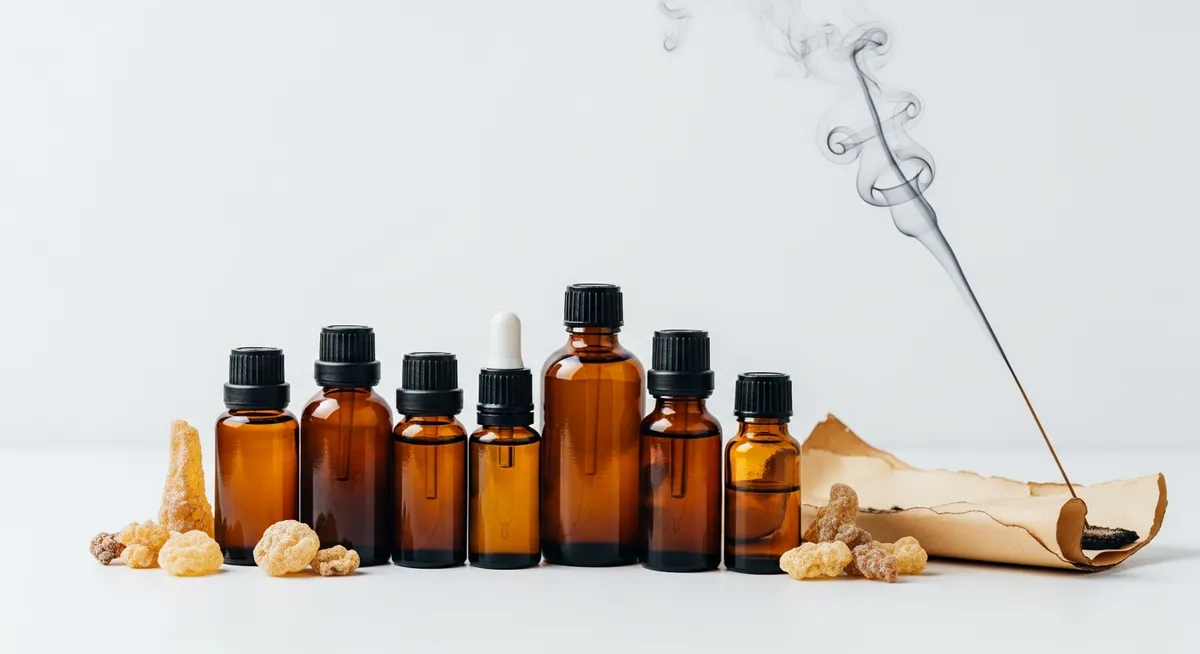
Six single-origin frankincense varieties, steam-distilled and GC/MS verified.
From $12.99
Shop Frankincense Oil →This comprehensive FAQ addresses the most common safety concerns about frankincense essential oil, providing evidence-based information to help you make informed decisions about incorporating this ancient treasure into your wellness routine.
General Safety Questions
Is frankincense essential oil safe for most people?
Frankincense essential oil is generally considered safe for topical and aromatic use when properly diluted and used according to established guidelines. Most people can use high-quality frankincense oil without experiencing adverse effects. However, as with any essential oil, individual sensitivities can vary, and proper dilution and usage protocols should always be followed. For comprehensive safety guidelines, consult our detailed frankincense safety guide.
What are the most common side effects of frankincense oil?
The most frequently reported side effects include minor skin irritation, redness, or sensitivity reactions when used topically without proper dilution. Some individuals may experience headaches or nausea if exposed to concentrated amounts through diffusion. Allergic reactions, while rare, can occur and may manifest as skin rash, itching, or respiratory discomfort. These effects are typically mild and resolve when use is discontinued.
Can frankincense oil cause allergic reactions?
Yes, though allergic reactions to frankincense oil are relatively uncommon. Symptoms may include skin rash, hives, itching, swelling, or in rare cases, respiratory symptoms such as difficulty breathing. Individuals with known allergies to tree resins or those with sensitive skin should exercise particular caution. Always perform a patch test before first use and discontinue immediately if any allergic symptoms develop.
How do I know if I'm having an adverse reaction to frankincense?
Signs of an adverse reaction may include persistent skin irritation, redness, burning sensation, rash, unusual headaches, nausea, dizziness, or respiratory discomfort. If you experience any concerning symptoms after using frankincense oil, discontinue use immediately and consult a qualified healthcare provider. Severe reactions, though rare, may require immediate medical attention.
Topical Use Safety
Should frankincense oil always be diluted before applying to skin?
Yes, frankincense essential oil should always be properly diluted with a suitable carrier oil before topical application. Undiluted essential oils can cause skin sensitization, irritation, or chemical burns. The recommended dilution ratio typically ranges from 1-3% for general use, which translates to approximately 6-18 drops per ounce of carrier oil. For specific dilution guidelines, refer to our comprehensive frankincense dilution guide.
What's the proper dilution ratio for frankincense oil?
For adults, a 2% dilution (approximately 12 drops per ounce of carrier oil) is generally considered appropriate for regular use. Sensitive individuals should start with a 1% dilution (6 drops per ounce), while those seeking more intensive applications might use up to 3% under proper guidance. Children and elderly individuals require significantly lower concentrations, typically 0.5-1%.
Can I apply frankincense oil to sensitive areas like the face?
Frankincense oil can be used on facial skin, but requires extra caution and lower dilution ratios, typically 0.5-1%. Avoid application near the eyes, inside the nose, or on broken or irritated skin. Always perform a patch test on a small area first and wait 24 hours to ensure no sensitivity reaction occurs. Some individuals may find facial skin more reactive than other body areas.
What should I do if frankincense oil gets in my eyes?
If frankincense oil accidentally contacts the eyes, do not use water, as this can increase irritation. Instead, flush the eyes immediately with a fatty oil such as olive oil or coconut oil to dilute the essential oil, then rinse thoroughly with cool water. If irritation persists or vision is affected, seek immediate medical attention. Always handle essential oils carefully to prevent accidental contact with eyes.
Internal Use and Ingestion
Is it safe to take frankincense oil internally?
Internal use of frankincense essential oil requires extreme caution and should only be considered under the guidance of a qualified healthcare practitioner experienced in essential oil safety. Many commercial essential oils are not intended for internal use and may contain additives or processing residues unsuitable for ingestion. The safety, dosage, and quality requirements for internal use are significantly more stringent than for topical or aromatic applications. For detailed information about this topic, review our guide on frankincense internal use.
What happens if someone accidentally ingests frankincense oil?
Accidental ingestion of small amounts of frankincense oil may cause stomach upset, nausea, vomiting, or diarrhea. Do not induce vomiting, as this may cause further irritation to the esophagus. Drink milk or consume a small amount of bread to help absorb the oil, and contact poison control or seek medical attention immediately. Keep essential oils stored safely away from children and pets to prevent accidental ingestion.
Can pets be harmed by frankincense oil?
Pets, particularly cats, have different metabolic capabilities than humans and may be more sensitive to essential oils. (See: NIH — Boswellia Research.) Cats lack certain liver enzymes needed to process many essential oil compounds effectively. While frankincense is generally considered among the safer oils for pets, it should be used with extreme caution, proper dilution, and preferably under veterinary guidance. Never apply undiluted essential oils to pets or diffuse oils in confined spaces where pets cannot leave.
Special Populations
Is frankincense safe during pregnancy and breastfeeding?
Pregnant and breastfeeding women should exercise extra caution with essential oils, including frankincense. While frankincense is generally considered gentler than many other essential oils, hormonal changes during pregnancy can increase skin sensitivity and alter how the body processes aromatic compounds. Consult with a qualified healthcare provider before using any essential oils during pregnancy or while breastfeeding. If approved for use, stick to very low dilutions and avoid internal use entirely.
Can children use frankincense oil safely?
Children's skin is more sensitive and permeable than adult skin, requiring significantly lower dilution ratios and careful supervision. For children over 2 years old, dilutions should typically not exceed 0.5-1%, and many practitioners recommend avoiding essential oil use on children under 2 years entirely. Always consult with a pediatric healthcare provider before using essential oils on children, and ensure oils are stored securely out of children's reach.
Are there any medications that interact with frankincense oil?
While specific drug interactions with topically applied frankincense oil are not well-documented, individuals taking medications should consult their healthcare provider before using essential oils. This is particularly important for those on blood-thinning medications, as some compounds in frankincense may theoretically affect blood clotting. Essential oils can also potentially affect how the liver processes certain medications when used internally.
Should people with certain medical conditions avoid frankincense?
Individuals with skin conditions such as eczema, dermatitis, or extremely sensitive skin should use extra caution and start with very low dilutions. Those with respiratory conditions like asthma may need to be careful with aromatic use through diffusion. People with liver conditions should be particularly cautious about any internal use. Always consult with a qualified healthcare provider if you have existing medical conditions before incorporating essential oils into your routine.
Diffusion and Aromatic Safety
Is diffusing frankincense oil safe?
Diffusing frankincense oil is generally considered safe for most people when done properly. Use only a few drops in your diffuser, ensure adequate ventilation, and limit diffusion sessions to 30-60 minutes with breaks in between. Some individuals may experience headaches, nausea, or respiratory irritation if exposed to too high concentrations or for extended periods. Always start with less oil than recommended and gradually increase if well-tolerated.
How long should I diffuse frankincense oil?
Most aromatherapy experts recommend diffusing essential oils for 30-60 minutes at a time, followed by a break of at least 30 minutes to prevent olfactory fatigue and overexposure. Continuous diffusion throughout the day is generally not recommended. Start with shorter periods (15-30 minutes) to assess your tolerance, especially if you're new to essential oils or have respiratory sensitivities.
Can diffusing frankincense cause headaches?
Yes, some people may experience headaches from diffusing frankincense oil, particularly if used in too high concentrations or for extended periods. This may be due to individual sensitivity to the aromatic compounds or simply overexposure. If you experience headaches during or after diffusing, reduce the amount of oil used, shorten diffusion times, ensure better ventilation, or discontinue use temporarily.
Quality and Storage Safety
Does the quality of frankincense oil affect safety?
Absolutely. High-quality, pure frankincense oil from reputable sources is significantly safer than adulterated, synthetic, or poorly processed oils. Low-quality oils may contain harmful additives, synthetic fragrances, or contaminants that can increase the risk of adverse reactions. Always purchase from trusted suppliers who provide detailed information about sourcing, extraction methods, and quality testing.
How should I store frankincense oil for safety?
Store frankincense oil in a cool, dark place away from direct sunlight and heat sources. Keep bottles tightly sealed and away from children and pets. Dark glass bottles help protect the oil from light degradation, which can alter its chemical composition and potentially increase irritation risk. Properly stored frankincense oil can maintain its quality and safety profile for several years.
Do frankincense oils expire, and are expired oils dangerous?
While essential oils don't technically expire like food products, they can oxidize and degrade over time, especially when exposed to light, heat, or air. Oxidized oils may become more irritating to skin and less effective. Signs of degradation include changes in color, scent, or consistency. While using slightly oxidized oil isn't necessarily dangerous, it's best to replace old bottles to ensure optimal safety and effectiveness.
Emergency and First Aid
What should I do if someone has a severe reaction to frankincense oil?
For severe reactions such as difficulty breathing, widespread rash, swelling of face or throat, or signs of anaphylaxis, seek emergency medical attention immediately. Remove any remaining oil from the skin with a carrier oil followed by gentle soap and water. If the person is conscious and breathing normally but experiencing concerning symptoms, contact poison control or consult with a healthcare provider promptly.
Important Safety Reminder: This information is for educational purposes only and should not replace professional medical advice. Always consult with a qualified healthcare provider before using essential oils, especially if you have existing health conditions, are pregnant or breastfeeding, or are considering use on children. When in doubt about safety or experiencing concerning symptoms, seek professional guidance immediately.
Frankincense Essential Oil
Serrata, carterii, sacra, frereana, neglecta and rivae: steam-distilled, GC/MS verified, in sizes from 0.5 oz to bulk.
From $12.99
Shop Frankincense Oil →