Myrcene and Sabinene in Frankincense: The Overlooked Terpenes With Big Benefits
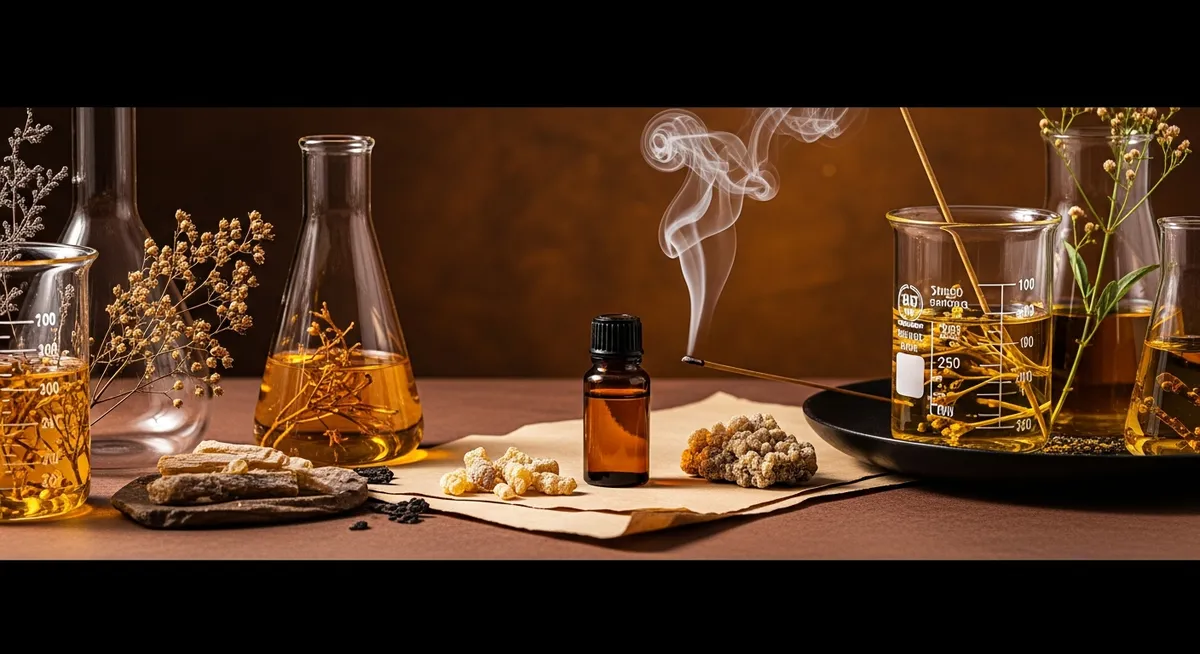
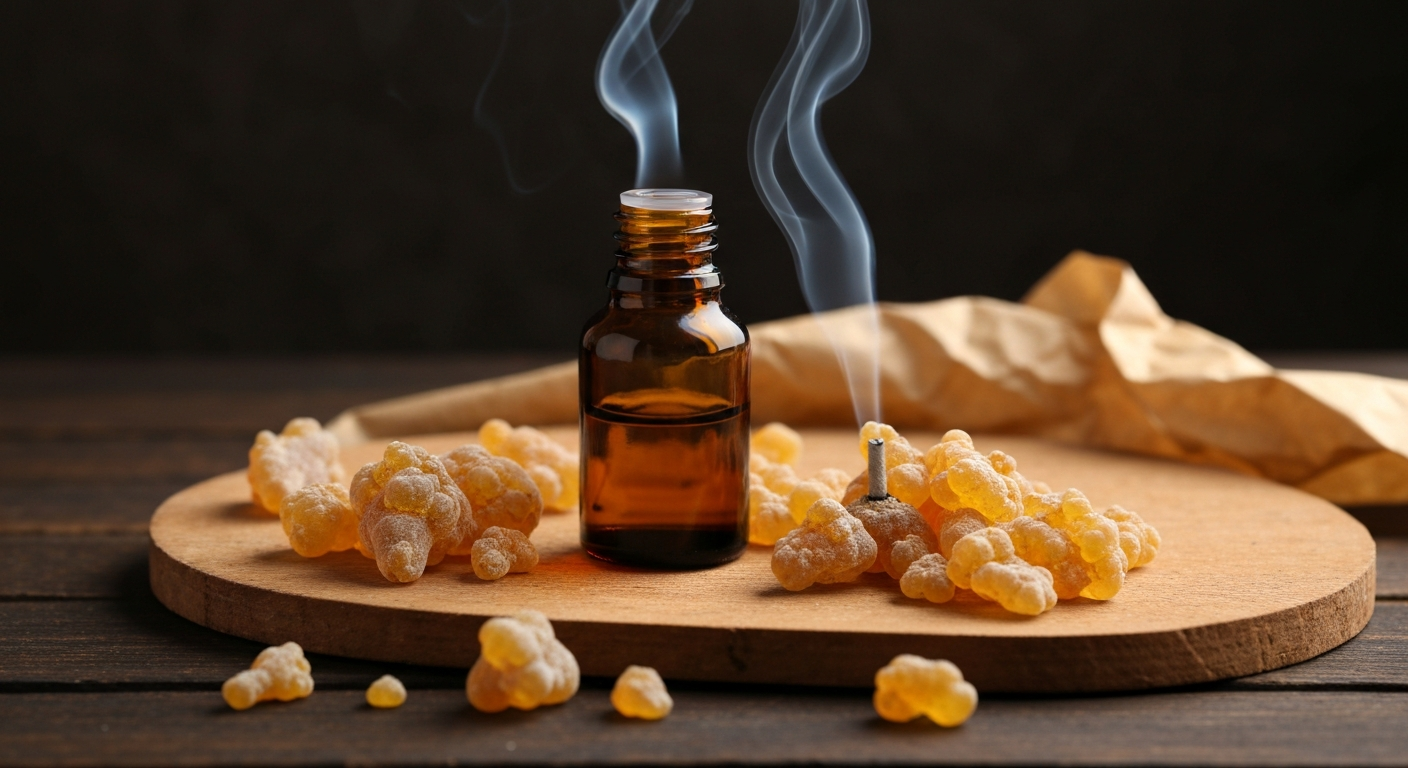
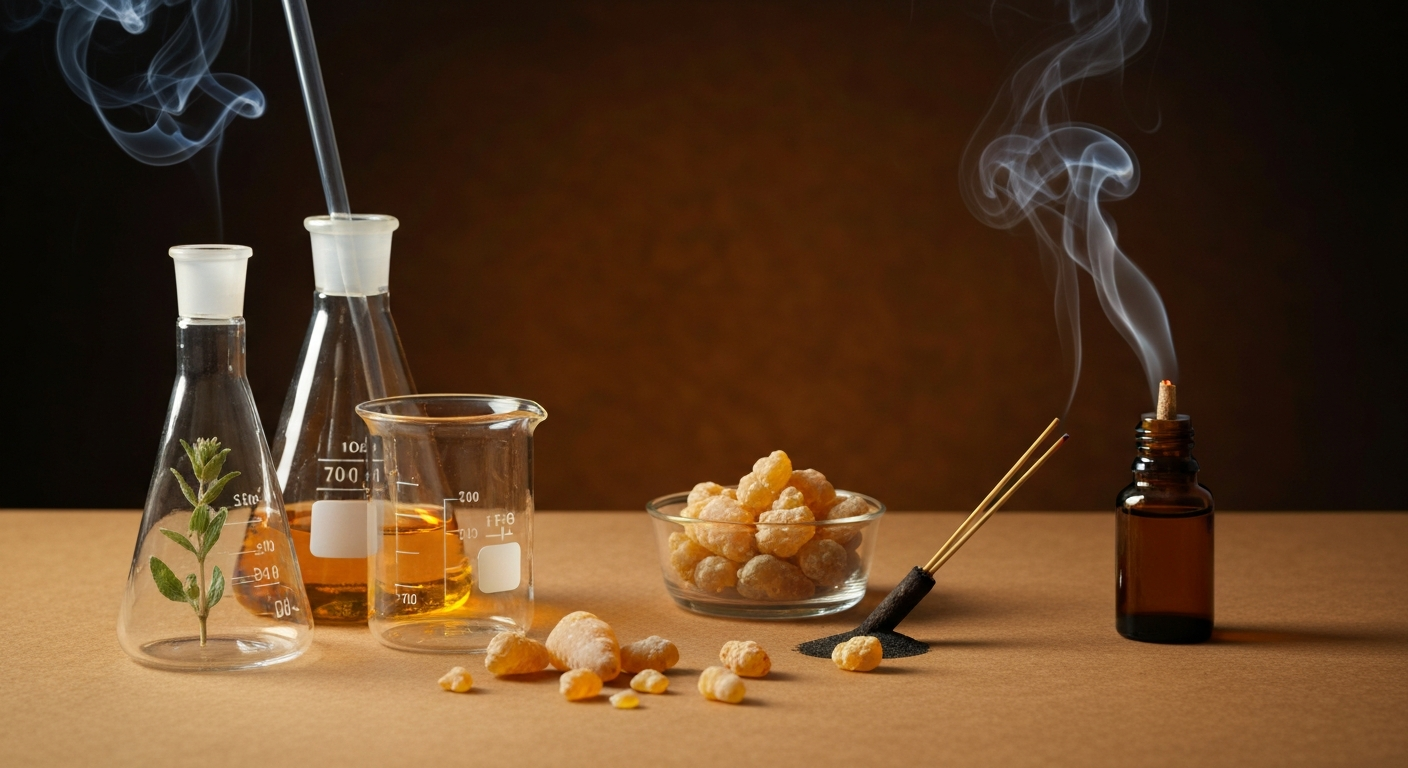
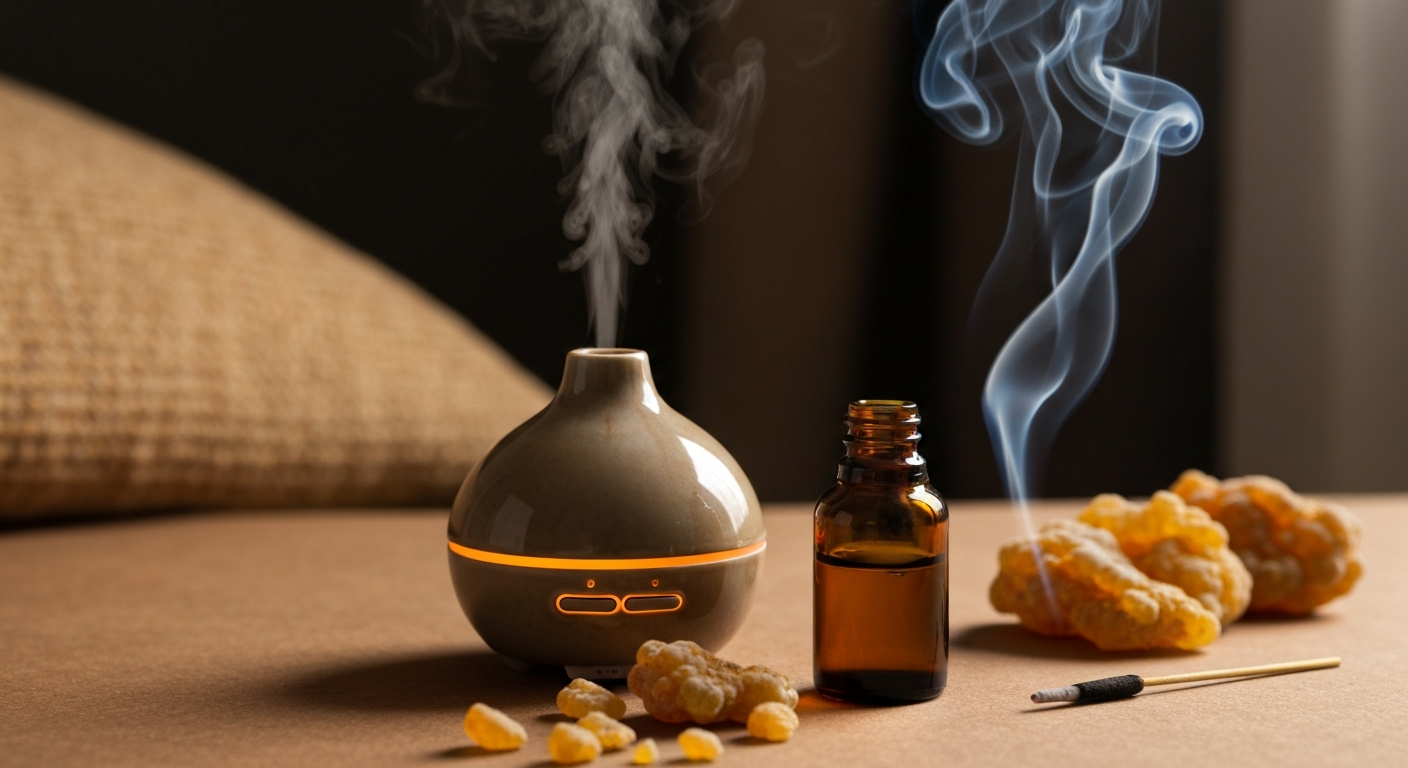
While frankincense essential oil commands reverence for its sacred history and remarkable complexity, most discussions focus on its dominant compounds like alpha-pinene and limonene. Yet hidden within this ancient treasure are two fascinating minor terpenes that may contribute significantly to frankincense's distinctive character: myrcene and sabinene. These overlooked molecules, though present in smaller concentrations, represent a compelling frontier in our understanding of what makes frankincense so extraordinary.
Frankincense Essential Oil
Six single-origin frankincense varieties, steam-distilled and GC/MS verified.
From $12.99
Shop Frankincense Oil →Recent analytical research has begun illuminating the roles these compounds may play in frankincense's overall aromatic profile and potential wellness applications. As we delve deeper into the molecular architecture of this revered oil, myrcene and sabinene emerge as important pieces of a complex biochemical puzzle that has captivated humanity for millennia.
The Chemical Architecture of Frankincense: Beyond the Majors
Frankincense essential oil contains over 200 identified compounds, creating one of nature's most sophisticated aromatic compositions. While major constituents like alpha-pinene (typically 30-60%) and limonene (2-15%) dominate the chemical profile, the minor components—including myrcene and sabinene—may contribute disproportionately to the oil's overall character and potential benefits.
This phenomenon, known in aromatherapy circles as the "entourage effect," suggests that the therapeutic potential of essential oils emerges from the synergistic interaction of all compounds present, not merely the dominant ones. In this context, even trace amounts of specific terpenes can significantly influence an oil's properties.
Understanding Terpene Classifications
Both myrcene and sabinene belong to the monoterpene family—lightweight, volatile organic compounds that contribute significantly to essential oil aromas and potential wellness properties. These molecules share a basic C10H16 formula but differ dramatically in their three-dimensional structure, leading to distinct aromatic profiles and potential applications.
Myrcene in Frankincense: The Sedating Monoterpene
Myrcene (β-myrcene) typically appears in frankincense essential oil at concentrations ranging from 0.5% to 3%, depending on species, terroir, and distillation methods. This seemingly modest presence belies its potential significance in the oil's overall profile.
Chemical Characteristics of Myrcene
Myrcene presents as an acyclic monoterpene with a distinctive earthy, musky aroma often described as reminiscent of fresh bay leaves or ripe mangoes. Its molecular structure features three double bonds, making it highly reactive and contributing to its rapid volatility—myrcene is often among the first compounds to evaporate from frankincense oil.
This terpene demonstrates notable instability when exposed to heat, light, or oxygen, which may explain why freshly distilled frankincense oils often exhibit different aromatic profiles compared to aged specimens. Some research suggests that myrcene concentrations may serve as indicators of oil freshness and proper storage conditions.
Research Observations on Myrcene
Scientific literature suggests several interesting properties associated with myrcene, though it's crucial to note these are observational findings rather than established medical facts. Laboratory studies have indicated that myrcene may exhibit:
- Potential sedating properties: Some research suggests myrcene may interact with central nervous system receptors in ways that could promote relaxation
- Muscle-relaxing observations: Animal studies have noted potential effects on muscle tension, though human applications remain theoretical
- Enhanced permeability: Laboratory research indicates myrcene may increase cellular permeability, potentially enhancing the absorption of other compounds
- Anti-inflammatory observations: Preliminary studies suggest myrcene may modulate inflammatory pathways, though clinical relevance remains unclear
These findings, while intriguing, should be interpreted cautiously. The concentrations used in laboratory studies often far exceed what's naturally present in frankincense essential oil, and human applications cannot be assumed from preliminary research.
Sabinene: The Spicy Contributor
Sabinene represents another fascinating minor component in frankincense, typically present at 0.2% to 2% concentrations. This bicyclic monoterpene brings a distinctive spicy, pepper-like note that may contribute to frankincense's complex aromatic bouquet.
Sabinene's Unique Properties
Unlike myrcene's linear structure, sabinene features a rigid bicyclic framework that provides greater stability. This structural difference translates to different volatility rates and potentially different interactions within the oil's complex matrix. Sabinene's spicy, woody aroma adds depth to frankincense's overall olfactory experience, particularly in aromatherapy applications where subtle notes can significantly impact the therapeutic experience.
Research Insights on Sabinene
While less extensively studied than myrcene, sabinene has attracted scientific attention for several observed properties:
- Antimicrobial observations: Some laboratory studies suggest sabinene may demonstrate activity against certain microorganisms, though practical applications remain theoretical
- Antioxidant potential: Preliminary research indicates possible free radical scavenging activity, though clinical significance is unclear
- Digestive system observations: Traditional use patterns and some animal studies suggest potential effects on digestive processes, though human applications are unestablished
- Respiratory system interactions: Some research has noted potential effects on respiratory function, though these remain preliminary observations
As with myrcene research, these findings represent early-stage scientific observations rather than established therapeutic applications. The complexity of essential oil interactions makes it challenging to attribute specific effects to individual compounds.
Species Variations and Terroir Influences
The concentrations of myrcene and sabinene in frankincense vary significantly across different Boswellia species and growing regions. Understanding these variations helps explain why frankincense oils from different sources can exhibit such distinct aromatic and potential wellness profiles.
Species-Specific Patterns
| Boswellia Species | Typical Myrcene % | Typical Sabinene % | Notable Characteristics |
|---|---|---|---|
| B. sacra (Omani) | 1.5-3.0% | 0.5-1.5% | Higher myrcene in coastal varieties |
| B. carterii (Somali) | 0.5-2.0% | 0.2-1.0% | More variable concentrations |
| B. frereana | 1.0-2.5% | 0.8-2.0% | Often higher sabinene content |
| B. serrata (Indian) | 0.3-1.5% | 0.1-0.8% | Generally lower concentrations |
These variations reflect complex interactions between genetics, climate, soil composition, and harvesting practices. The same species grown in different microclimates can produce notably different terpene profiles, emphasizing the importance of terroir in frankincense quality assessment.
Synergistic Interactions and the Entourage Effect
Perhaps the most fascinating aspect of myrcene and sabinene in frankincense lies not in their individual properties, but in their potential interactions with other compounds. This synergistic relationship may help explain why whole frankincense essential oil often demonstrates effects that cannot be replicated by isolated compounds.
Research suggests that myrcene may enhance the skin penetration of other terpenes, potentially amplifying the overall effectiveness of frankincense applications. This could be particularly relevant for topical uses related to pain management or skin care, where deeper penetration might enhance the oil's potential benefits.
Sabinene's antimicrobial properties may work synergistically with frankincense's boswellic acid content, potentially creating a more comprehensive approach to skin health than either component alone could provide.
Quality Indicators and Sourcing Considerations
For consumers and practitioners interested in frankincense oils with notable myrcene and sabinene content, several quality indicators prove crucial:
Analytical Verification
Reputable suppliers should provide Gas Chromatography-Mass Spectrometry (GC-MS) analysis reports detailing the complete chemical composition, including minor terpenes. Look for:
- Complete terpene profiles showing myrcene and sabinene percentages
- Harvest date and distillation date information
- Botanical species verification
- Geographic origin documentation
Storage and Handling Impact
Both myrcene and sabinene are susceptible to degradation through improper storage. Quality oils should be:
- Stored in dark glass containers
- Kept at stable, cool temperatures
- Protected from oxygen exposure
- Used within reasonable timeframes after opening
Myrcene's particular instability means that oils with higher myrcene content may have shorter shelf lives and require more careful handling.
Safety Profile and Contraindications
While myrcene and sabinene are generally recognized as safe when used appropriately, certain precautions merit consideration:
General Safety Considerations
- Dilution requirements: Always dilute frankincense essential oil before topical application. A 1-2% dilution in carrier oil is typically appropriate for most uses
- Patch testing: Test any new essential oil on a small skin area before broader application
- Photosensitivity: While frankincense is generally not photosensitizing, individual reactions can vary
- Pregnancy and nursing: Consult healthcare providers before use during pregnancy or while breastfeeding
Specific Terpene Considerations
Myrcene's potential sedating properties suggest caution when driving or operating machinery after using frankincense oils with higher myrcene content. Some individuals may experience drowsiness, particularly when using frankincense in aromatherapy applications.
Sabinene's spicy nature may cause skin sensitivity in some individuals, emphasizing the importance of proper dilution and patch testing.
Future Research Directions
The scientific understanding of myrcene and sabinene in frankincense continues evolving. Current research gaps include:
- Long-term stability studies of these terpenes in various storage conditions
- Bioavailability research in human subjects
- Synergistic interaction studies with other frankincense compounds
- Species-specific terpene profiling across broader geographic ranges
As analytical techniques become more sophisticated and research interest grows, our understanding of these minor but potentially significant compounds will likely expand considerably.
Practical Applications and Considerations
For practitioners and enthusiasts interested in exploring frankincense oils rich in myrcene and sabinene, several practical considerations emerge:
Selection Strategies
When choosing frankincense oils for their myrcene and sabinene content:
- Request detailed GC-MS reports from suppliers
- Consider seasonal variations in terpene content
- Evaluate storage and shipping conditions
- Compare multiple batches from the same supplier
Usage Optimization
To maximize the potential benefits of these terpenes:
- Use frankincense oil soon after opening to preserve volatile compounds
- Consider lower temperature applications to prevent terpene degradation
- Combine with appropriate carrier oils that may enhance absorption
- Monitor individual responses and adjust usage accordingly
Conclusion: The Hidden Complexity of Ancient Wisdom
Myrcene and sabinene represent just two threads in frankincense's incredibly complex molecular tapestry. While present in relatively small concentrations, these terpenes may contribute significantly to the oil's overall character and potential wellness applications. Their presence reminds us that nature's most treasured substances often derive their power not from single compounds, but from intricate symphonies of molecular interactions.
As research continues to unveil the secrets held within frankincense's ancient chemistry, compounds like myrcene and sabinene challenge our understanding of how traditional medicines work. They suggest that sometimes the most important players operate quietly in the background, their contributions becoming apparent only through careful scientific investigation.
For modern users of frankincense essential oil, awareness of these minor terpenes opens new avenues for appreciation and application. Whether seeking the potential relaxing properties associated with myrcene or the antimicrobial possibilities suggested by sabinene research, understanding these compounds enhances our ability to select, store, and use frankincense oils with greater intention and knowledge.
As always, it's important to remember that essential oils are complex substances requiring careful handling and appropriate expectations. While research on myrcene and sabinene offers fascinating insights, these findings represent ongoing scientific exploration rather than established medical treatments. Anyone considering frankincense oil for wellness purposes should consult with qualified healthcare providers and approach these ancient treasures with both reverence and responsibility.
The journey into frankincense's molecular mysteries continues, with myrcene and sabinene serving as compelling examples of how much we still have to learn about the gifts our ancestors treasured. In their subtle presence lies a reminder that true wisdom—whether ancient or modern—often emerges from paying attention to the details others might overlook.
Frankincense Essential Oil
Serrata, carterii, sacra, frereana, neglecta and rivae: steam-distilled, GC/MS verified, in sizes from 0.5 oz to bulk.
From $12.99
Shop Frankincense Oil →