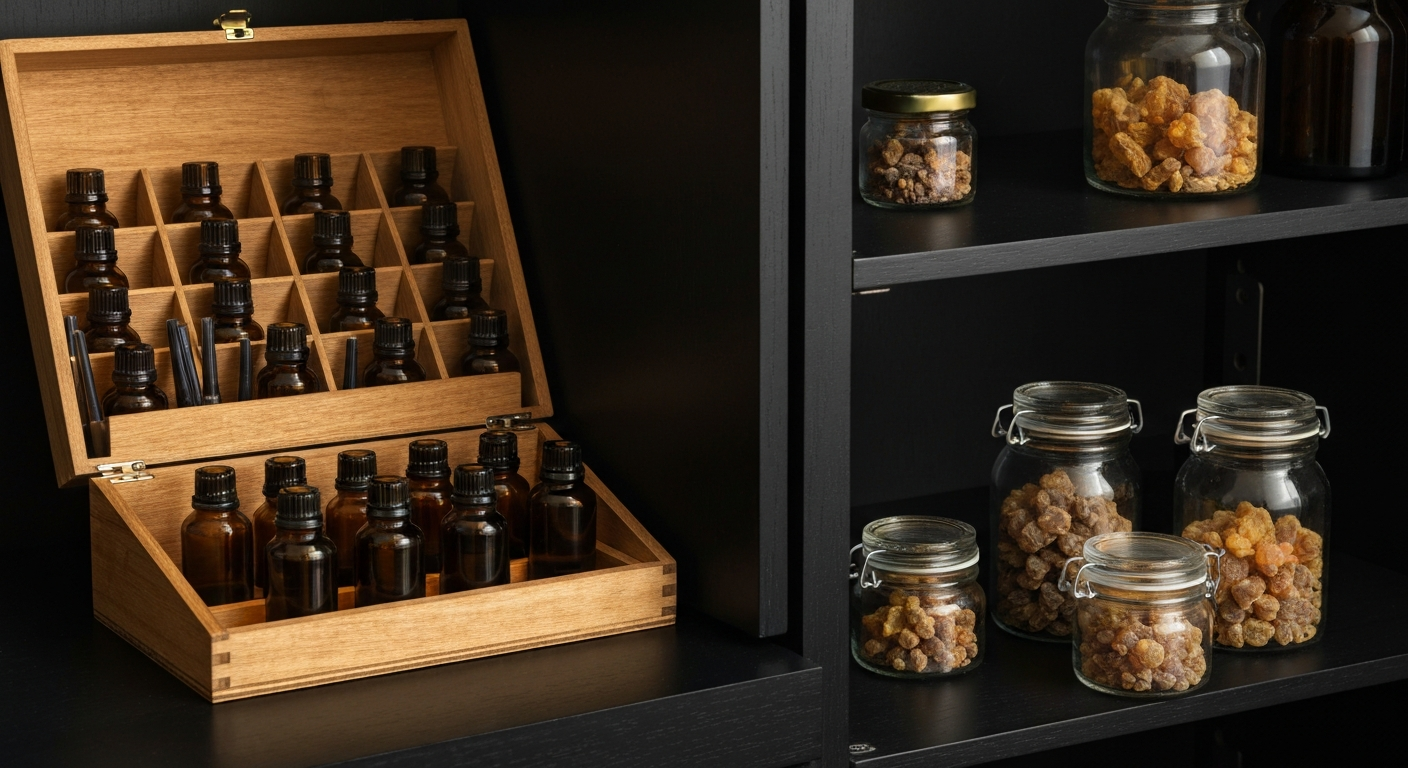
How to Store Frankincense Essential Oil and Resin for Maximum Shelf Life
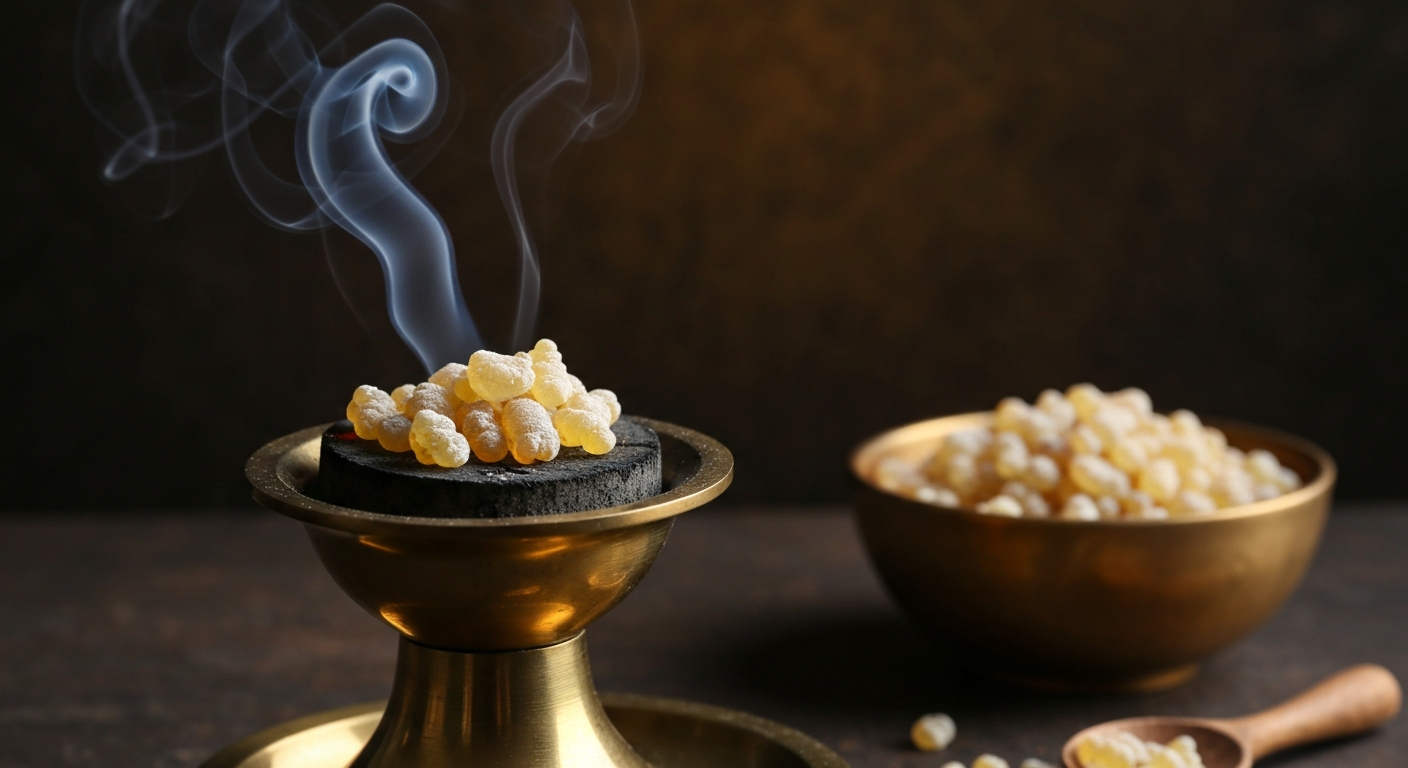
Frankincense, often called the "king of oils," represents one of the most precious aromatic treasures in the world. Whether you've invested in pure Boswellia sacra essential oil or authentic resin tears, proper storage techniques may help preserve their aromatic integrity and extend their usable life considerably. Understanding how to store frankincense properly ensures that your investment in this ancient botanical maintains its revered qualities for years to come.
The aromatic compounds in frankincense are delicate molecular structures that can be affected by environmental factors such as light, heat, oxygen, and humidity. Research suggests that proper storage conditions may help maintain the complex chemical profile that makes frankincense so highly valued in both traditional practices and modern aromatherapy applications.
Understanding Frankincense Shelf Life
Before diving into storage techniques, it's important to understand the expected frankincense shelf life under optimal conditions. Pure frankincense essential oil, when stored properly, may maintain its quality for 4-6 years, while some high-quality oils have been reported to improve with age, similar to fine wines. Frankincense resin, being less processed, typically maintains its aromatic properties for 2-3 years when stored correctly.
Several factors influence how long your frankincense may retain its optimal characteristics:
- Quality of the original source material
- Method of extraction or harvesting
- Storage container material
- Environmental conditions
- Frequency of exposure to air
Understanding these variables helps inform the best storage practices for your specific frankincense products. For more information on quality indicators, you may find our comprehensive quality guide helpful in evaluating your collection.
Essential Materials for Proper Frankincense Storage
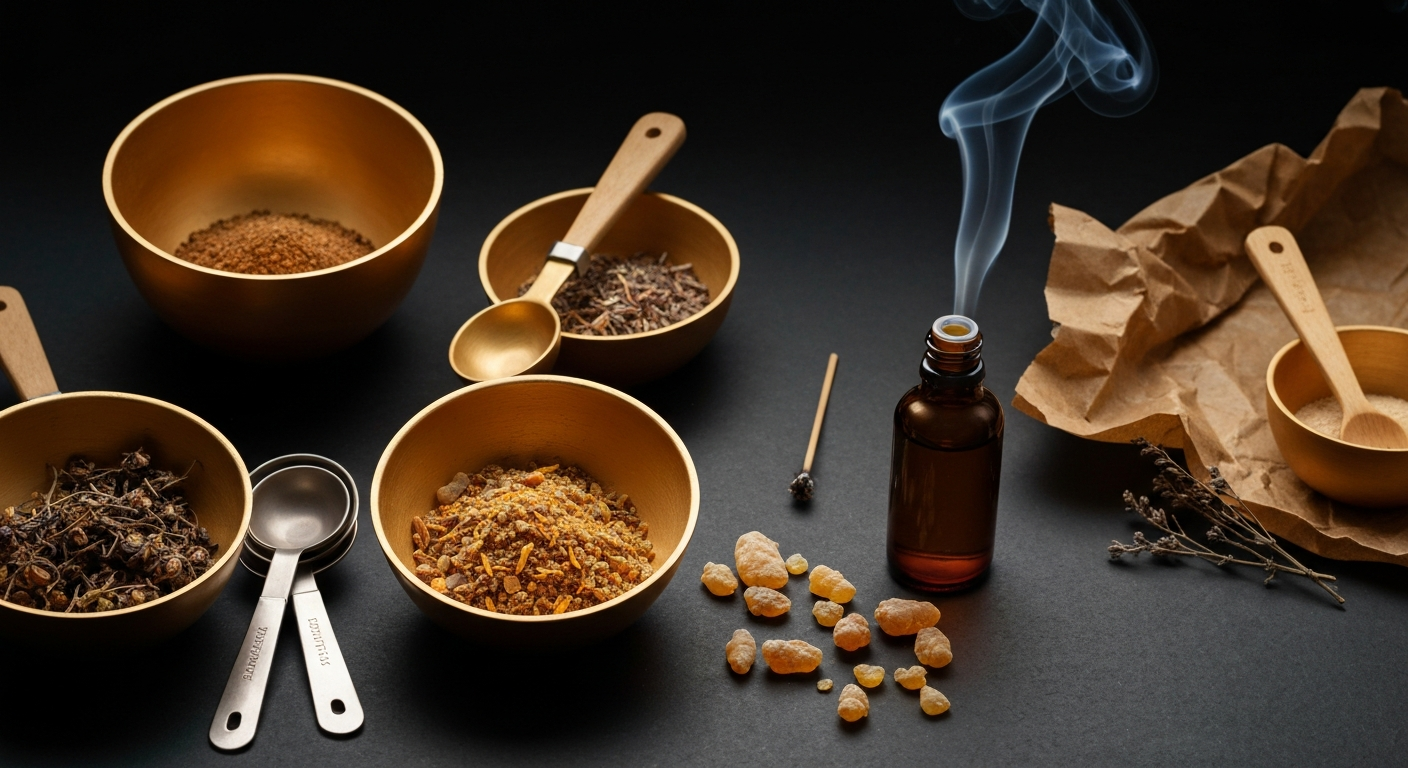
Successful frankincense oil storage begins with having the right materials on hand. Gathering these items before you begin ensures a smooth process and optimal results:
For Essential Oil Storage:
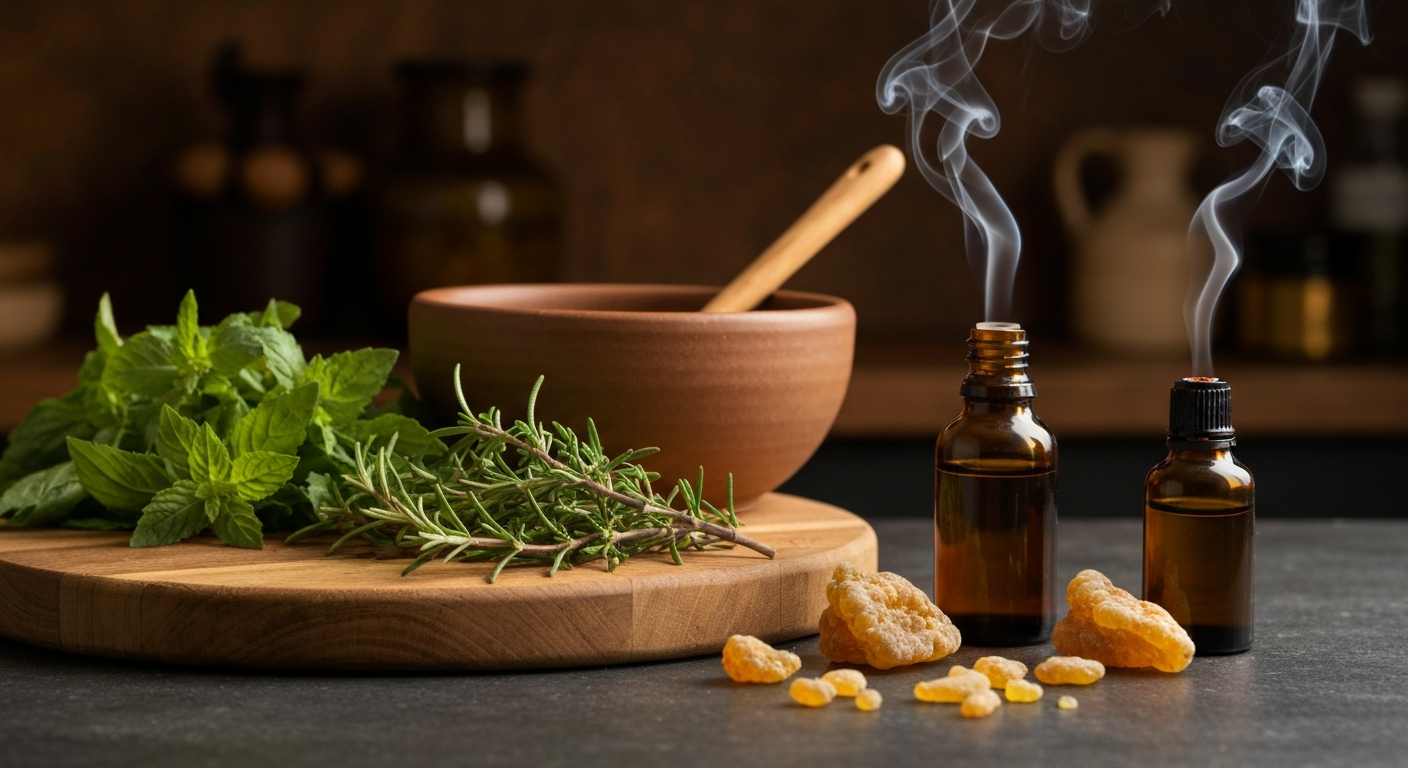
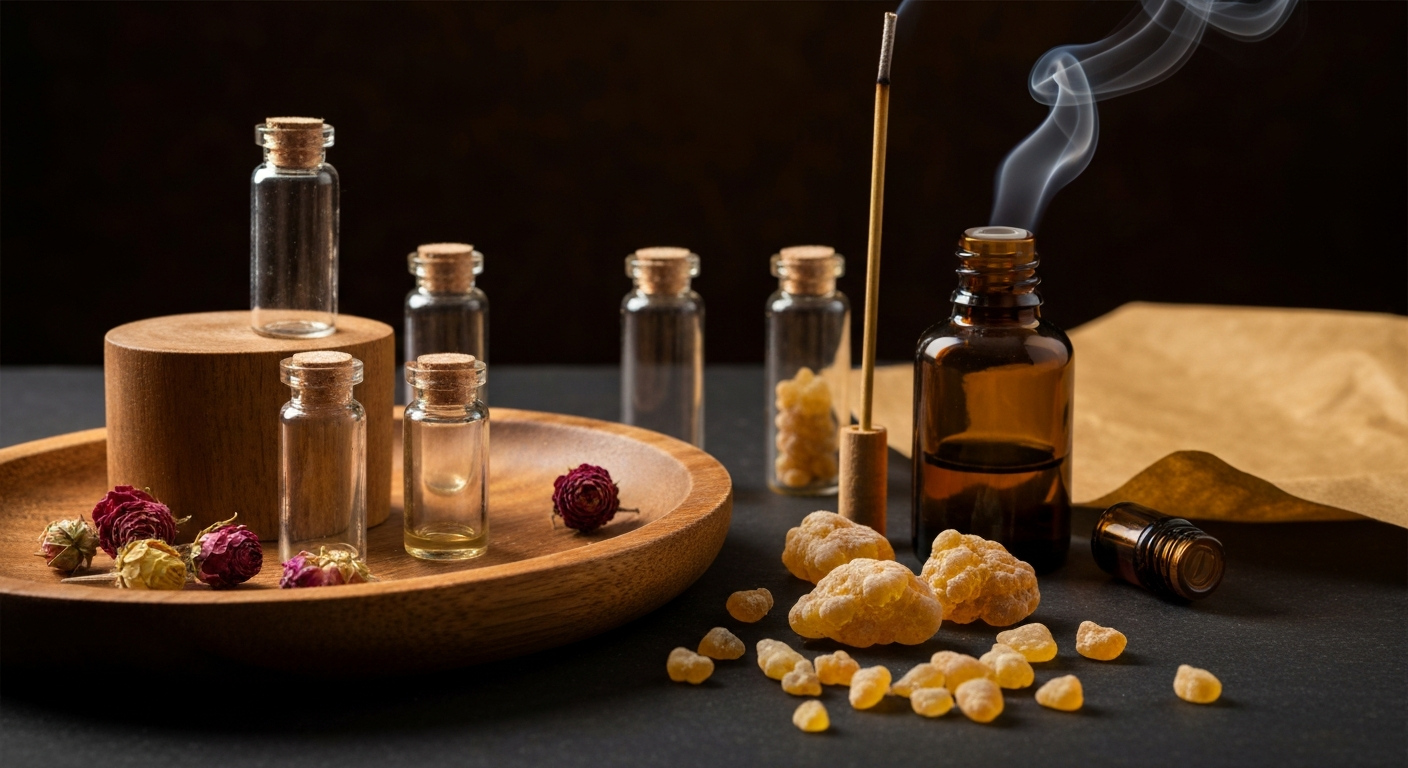
- Dark amber or cobalt blue glass bottles (5ml, 10ml, or 15ml sizes)
- Glass droppers or orifice reducers
- Labels and permanent marker
- Small funnel (glass or stainless steel)
- Storage box or drawer
- Thermometer for monitoring temperature
For Resin Storage:
- Airtight glass jars with tight-fitting lids
- Food-grade desiccant packets (optional)
- Dark storage containers or opaque boxes
- Labels for identification and dating
- Small scoops or tweezers for handling
Step-by-Step Guide: How to Store Frankincense Essential Oil
Follow these detailed steps to ensure your frankincense essential oil maintains its aromatic complexity and potential beneficial properties:
Step 1: Choose the Right Container
Transfer your frankincense oil to a dark-colored glass bottle. Amber and cobalt blue glass provide excellent protection against UV light, which research suggests may help prevent the degradation of sensitive aromatic compounds. Never store essential oils in plastic containers, as the oil may interact with the plastic over time.
Step 2: Minimize Air Exposure
Fill containers as full as possible to minimize air space. Oxygen exposure may contribute to oxidation of the oil over time. If you're transferring from a larger bottle to smaller ones, work quickly and efficiently to limit exposure time.
Step 3: Secure the Cap Properly
Ensure all caps and orifice reducers are tightly sealed. Even small amounts of air exchange can affect oil quality over extended periods. Check seals periodically and replace if they show signs of wear.
Step 4: Label Clearly and Date
Create clear labels indicating the oil type, source, and storage date. Include batch numbers if available. This information helps track age and quality over time, which is particularly important for valuable frankincense varieties.
Step 5: Select the Optimal Storage Location
Store bottles in a cool, dark place away from direct sunlight and heat sources. A dedicated storage box in a cupboard or drawer works well. Ideal temperature range is 60-70°F (15-21°C). Avoid bathrooms and kitchens where temperature and humidity fluctuate.
Step 6: Maintain Consistent Conditions
Keep storage conditions as stable as possible. Frequent temperature changes may cause expansion and contraction that could affect seal integrity and oil quality.
Step-by-Step Guide: How to Store Frankincense Resin
Frankincense resin requires slightly different storage considerations due to its solid form and different chemical composition. If you're new to working with resin, our guide on frankincense resin versus oil provides valuable background information.
Step 1: Ensure Complete Dryness
Before storage, verify that resin pieces are completely dry. (See: NIH — Boswellia Research.) Any residual moisture may contribute to mold or degradation. If resin feels sticky or soft, allow it to air dry in a clean, dust-free environment before storing.
Step 2: Choose Appropriate Containers
Select glass jars with airtight seals. The container size should accommodate your resin with minimal excess air space. Mason jars or specialized storage jars work well for this purpose.
Step 3: Consider Desiccant Use
In humid climates, food-grade desiccant packets may help maintain optimal moisture levels. Place one small packet in larger storage containers, ensuring it doesn't directly contact the resin.
Step 4: Organize by Grade and Source
Store different grades and sources separately to maintain their distinct characteristics. Higher-grade resins (such as Hojari or Silver grade) should receive particular attention to preservation methods.
Step 5: Protection from Light and Heat
Store containers in a cool, dark location similar to essential oils. Direct sunlight may cause resin to become brittle or lose aromatic intensity over time.
Step 6: Handle with Clean Tools
When accessing stored resin, use clean tweezers or small scoops to avoid introducing oils from skin contact, which may affect the resin's preservation.
Common Storage Mistakes to Avoid
Understanding how to store frankincense effectively means avoiding these frequent errors that can significantly reduce shelf life:
Temperature-Related Mistakes
- Storing near heat sources like radiators or sunny windows
- Keeping oils in cars where temperatures fluctuate dramatically
- Refrigerator storage (which may cause condensation issues)
- Frequent movement between different temperature zones
Container and Handling Errors
- Using clear glass bottles that don't protect from light
- Choosing containers that are too large, creating excess air space
- Failing to clean containers before transfer
- Using damaged or worn caps that don't seal properly
- Contaminating oils or resin with moisture or foreign substances
Environmental Oversights
- Storage in humid environments like bathrooms
- Exposure to strong odors that may affect aromatic profile
- Placement near cleaning chemicals or synthetic fragrances
- Inadequate protection from dust and airborne particles
Signs of Deterioration and When to Replace
Regular evaluation of your stored frankincense helps ensure you're using products at their optimal quality. Research suggests that certain changes in appearance, aroma, or texture may indicate that replacement should be considered:
Essential Oil Warning Signs
- Significant changes in color (darkening or cloudiness)
- Altered scent profile (sharp, rancid, or "off" odors)
- Unusual consistency changes
- Separation or sediment formation
- Reduced aromatic intensity
Resin Deterioration Indicators
- Excessive brittleness or crumbling
- Color changes beyond normal aging
- Musty or unpleasant odors
- Visible mold or unusual growths
- Loss of characteristic frankincense aroma
Maximizing Your Investment

Proper storage represents a crucial aspect of maximizing the value of your frankincense collection. When you've made the investment in high-quality frankincense—whether following recommendations from our buyer's guide or sourcing from trusted suppliers—protecting that investment through proper storage makes both financial and practical sense.
Consider creating a storage log to track purchase dates, storage conditions, and quality assessments over time. This practice may help you identify optimal storage methods for your specific environment and usage patterns.
Expected Results with Proper Storage
When following these storage guidelines consistently, you may expect several positive outcomes:
- Extended usable life of both oils and resins
- Maintained aromatic complexity and intensity
- Preservation of the oil's natural chemical profile
- Better value from your frankincense investments
- Consistent quality for your aromatherapy or traditional practices
Remember that individual results may vary based on initial product quality, environmental conditions, and specific storage implementations. Some people report that their properly stored frankincense oils actually develop more complex aromatic profiles over time, though this effect may depend on various factors including the specific species and extraction method used.
Creating Your Optimal Storage System
Developing an effective storage system is an investment in the longevity of your frankincense collection. Start with the basics—proper containers, appropriate location, and consistent conditions—then refine your approach based on your specific needs and observations.
Consider that proper storage not only preserves quality but also maintains the reverence these ancient aromatics deserve. Frankincense has been treasured for thousands of years, and supporting it with proper care honors both its traditional significance and your investment in experiencing its remarkable qualities.
By implementing these storage practices, you're ensuring that every drop of oil and every piece of resin maintains the integrity that makes frankincense so highly valued in both traditional and contemporary applications.
Shop Frankincense Essential Oil
Proper storage protects your investment, and proper sourcing starts it — our shop offers sizes from 0.5 oz to bulk, so buy what you'll actually use.
Shop Frankincense Oil →