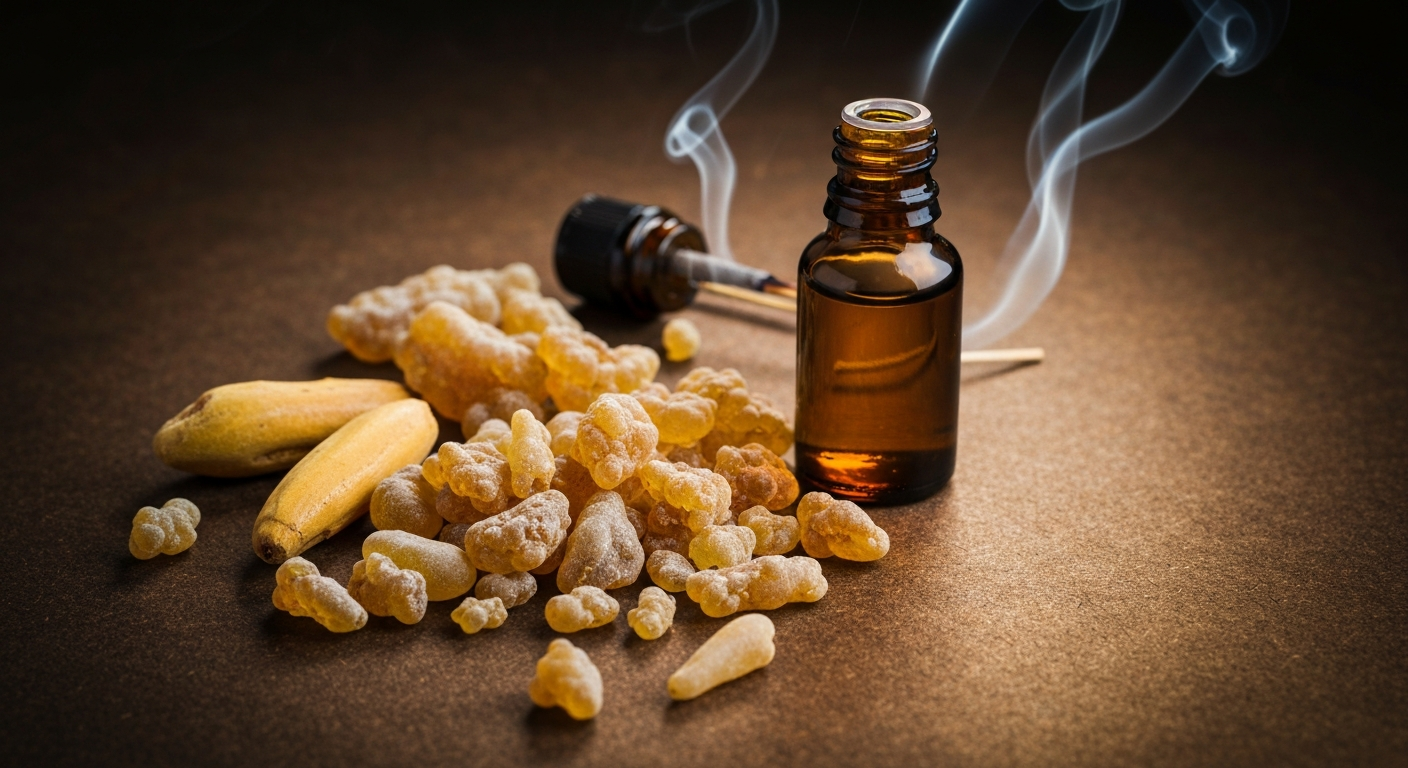
How to Make Frankincense Infused Oil at Home: 3 Methods
The sacred aroma of frankincense has graced temples and homes for millennia, and creating your own frankincense-infused oil brings this ancient luxury within reach of modern enthusiasts. While nothing quite replaces the concentrated potency of steam-distilled frankincense essential oil, crafting your own frankincense oil infusion offers a deeply satisfying way to connect with traditional practices while creating a versatile oil for personal use.
 Frankincense Essential Oil
Six single-origin frankincense varieties, steam-distilled and GC/MS verified. From $10.99.
Shop Frankincense Oil →
Frankincense Essential Oil
Six single-origin frankincense varieties, steam-distilled and GC/MS verified. From $10.99.
Shop Frankincense Oil →
Whether you're drawn to frankincense for its historically revered aromatic qualities or simply wish to explore the meditative process of oil infusion, these three time-tested methods will guide you through creating your own frankincense oil at home. Each approach offers unique advantages, from the gentle heat of solar infusion to the controlled precision of the stovetop method.
Understanding Frankincense Oil Infusion vs. Essential Oil
Before diving into our DIY frankincense oil methods, it's important to understand the distinction between infused oils and essential oils. True frankincense essential oil undergoes steam distillation, a complex process that extracts volatile compounds at high concentrations. This creates the potent, therapeutic-grade oils found in premium collections.
Frankincense oil infusion, by contrast, involves gently extracting the aromatic and oil-soluble compounds from frankincense resin into a carrier oil. While the resulting product won't match the intensity of distilled essential oil, it may still offer the beloved fragrance and some traditional benefits that people have historically associated with frankincense.
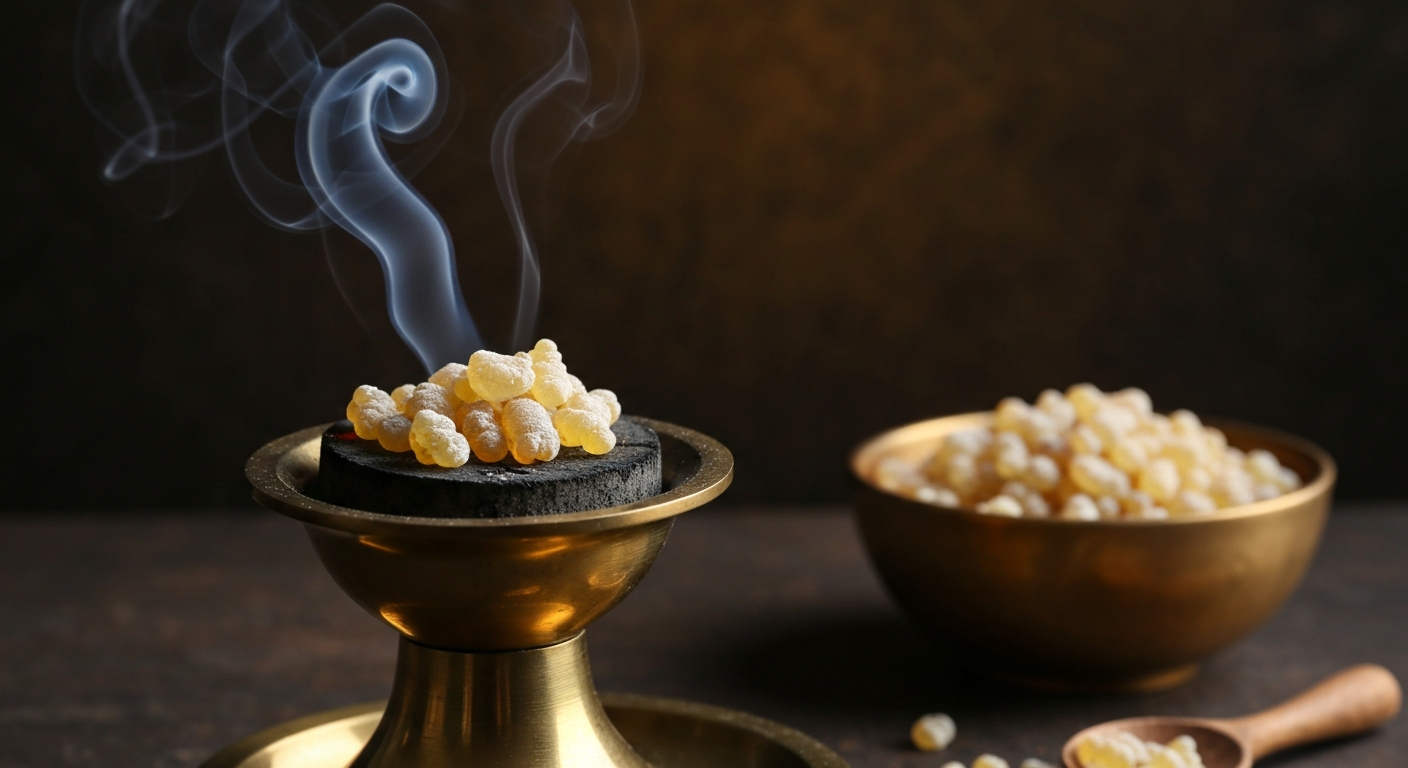
The beauty of making frankincense oil at home lies in the process itself—the mindful preparation, the gradual transformation of simple ingredients, and the satisfaction of creating something with your own hands. Many find the ritual deeply grounding, much like the traditional burning of frankincense resin.
Essential Materials for DIY Frankincense Oil
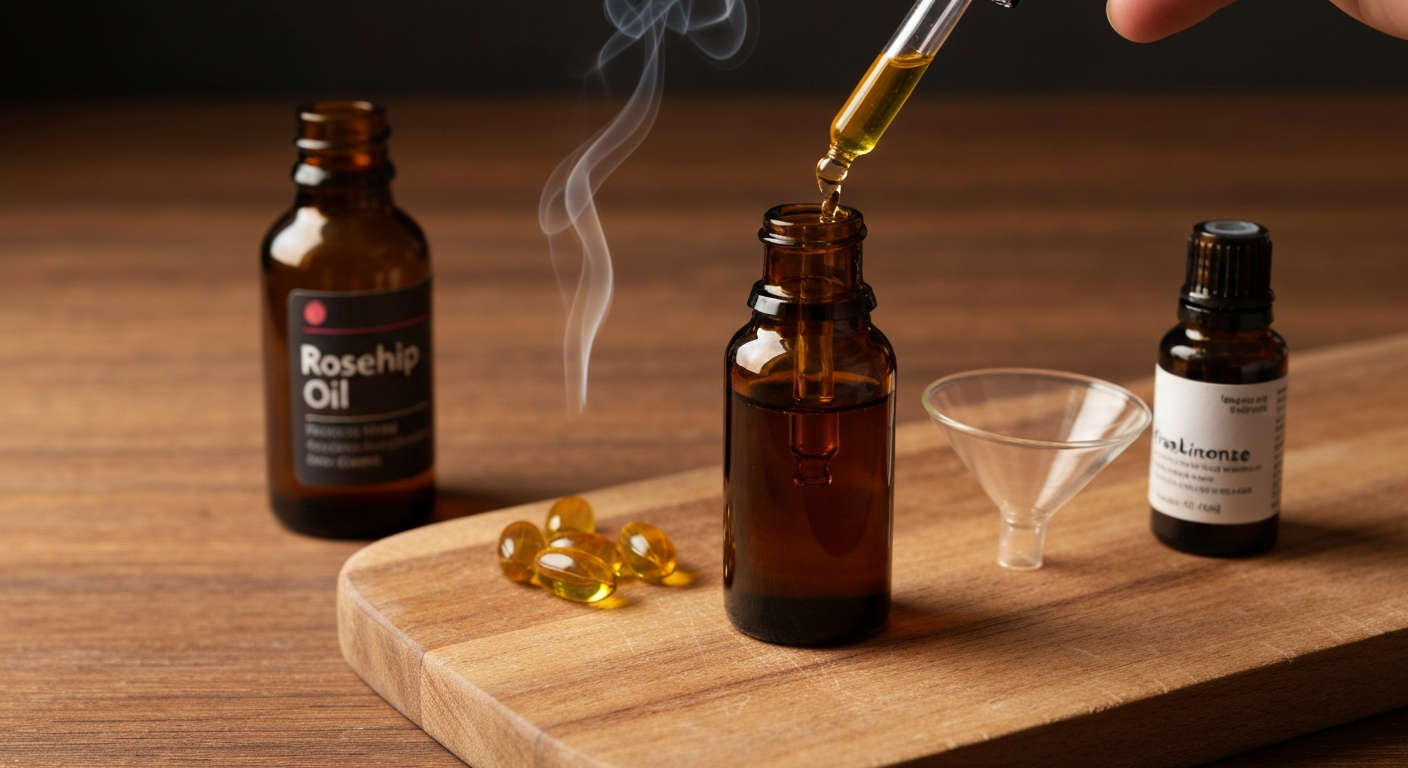
Success in creating quality frankincense oil infusion begins with selecting proper materials. Your choice of frankincense resin significantly impacts the final product's aroma and quality.
Selecting Your Frankincense Resin
Premium frankincense resin forms the heart of your infusion. Look for tears that appear translucent with a golden or pale yellow hue—these typically indicate fresher, higher-quality resin. Boswellia sacra from Oman, often considered the finest variety, provides an exceptionally rich and complex aroma profile. However, Boswellia carterii from Somalia or Boswellia serrata from India also create beautiful infusions.
Avoid resin that appears dark, brittle, or dusty, as these characteristics may indicate age or lower quality. Fresh frankincense should release its distinctive fragrance when gently heated or crushed.
Choosing the Right Carrier Oil
Your carrier oil serves as both the extraction medium and the base for your finished product. Different oils offer varying benefits:
- Jojoba Oil: Technically a liquid wax, jojoba provides exceptional shelf stability and closely mimics skin's natural sebum
- Fractionated Coconut Oil: Lightweight and odorless, it won't compete with frankincense's aroma
- Sweet Almond Oil: Gentle and nourishing, with a mild, pleasant scent
- Grapeseed Oil: Light texture with natural antioxidants that may help preserve the infusion
- Olive Oil: Readily available and traditional, though its stronger scent may influence the final aroma
Additional Equipment
Gather these essential tools before beginning:
- Clean glass jars with tight-fitting lids
- Fine-mesh strainer or cheesecloth
- Small funnel
- Labels for dating and identification
- Mortar and pestle (optional, for crushing resin)
- Dark glass bottles for storage
Method 1: Solar Infusion (Traditional Method)
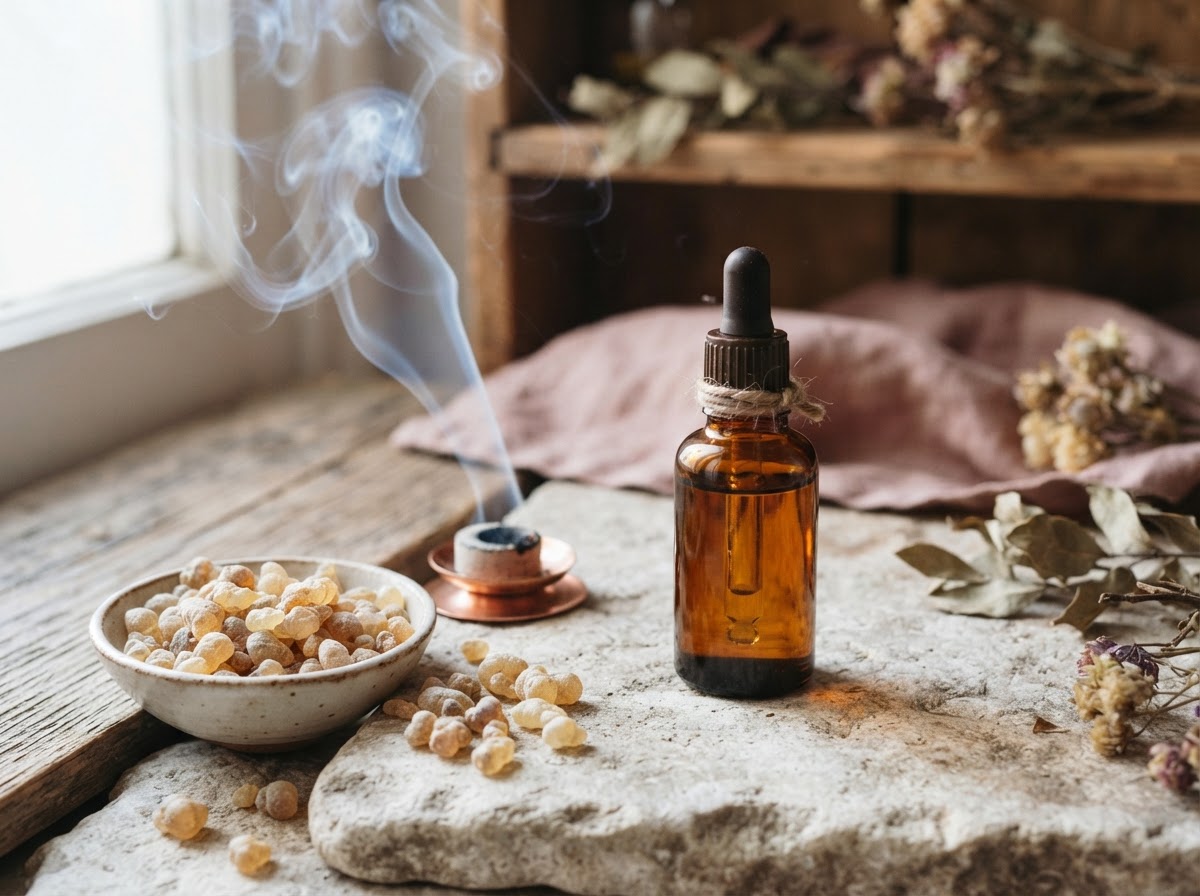
Solar infusion harnesses the gentle, consistent heat of sunlight to slowly extract aromatic compounds from frankincense resin. This traditional method requires patience but often produces oils with particularly well-rounded fragrance profiles.
Step-by-Step Solar Infusion Process
Step 1: Prepare the Resin
Gently crush 2-3 tablespoons of frankincense resin using a mortar and pestle. You want pieces roughly the size of rice grains—large enough to strain out easily but small enough to release their aromatic compounds efficiently.
Step 2: Combine Ingredients
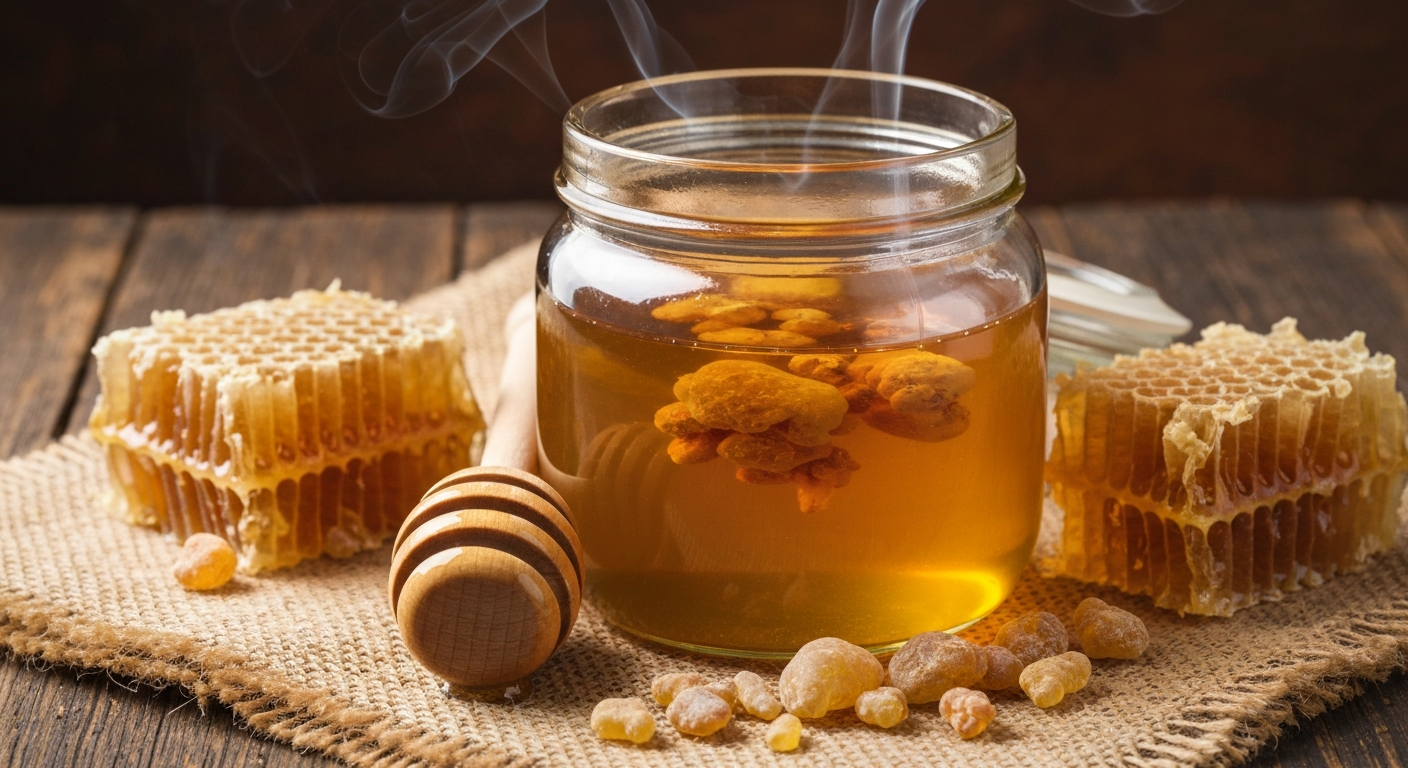
Place the crushed resin in a clean glass jar and cover with 1 cup of your chosen carrier oil. The oil should completely cover the resin with about an inch to spare.
Step 3: Initial Mixing
Stir gently with a clean spoon, ensuring the resin is well-distributed throughout the oil. Secure the lid tightly.
Step 4: Solar Exposure
Place the jar in a sunny location where it will receive direct sunlight for most of the day. A south-facing windowsill or outdoor location protected from rain works well. The goal is consistent warmth rather than intense heat.
Step 5: Daily Attention
Each day, gently shake or stir the mixture. This helps distribute the extracting compounds and prevents settling. Continue this process for 2-4 weeks, depending on desired strength.
Step 6: Straining and Storage
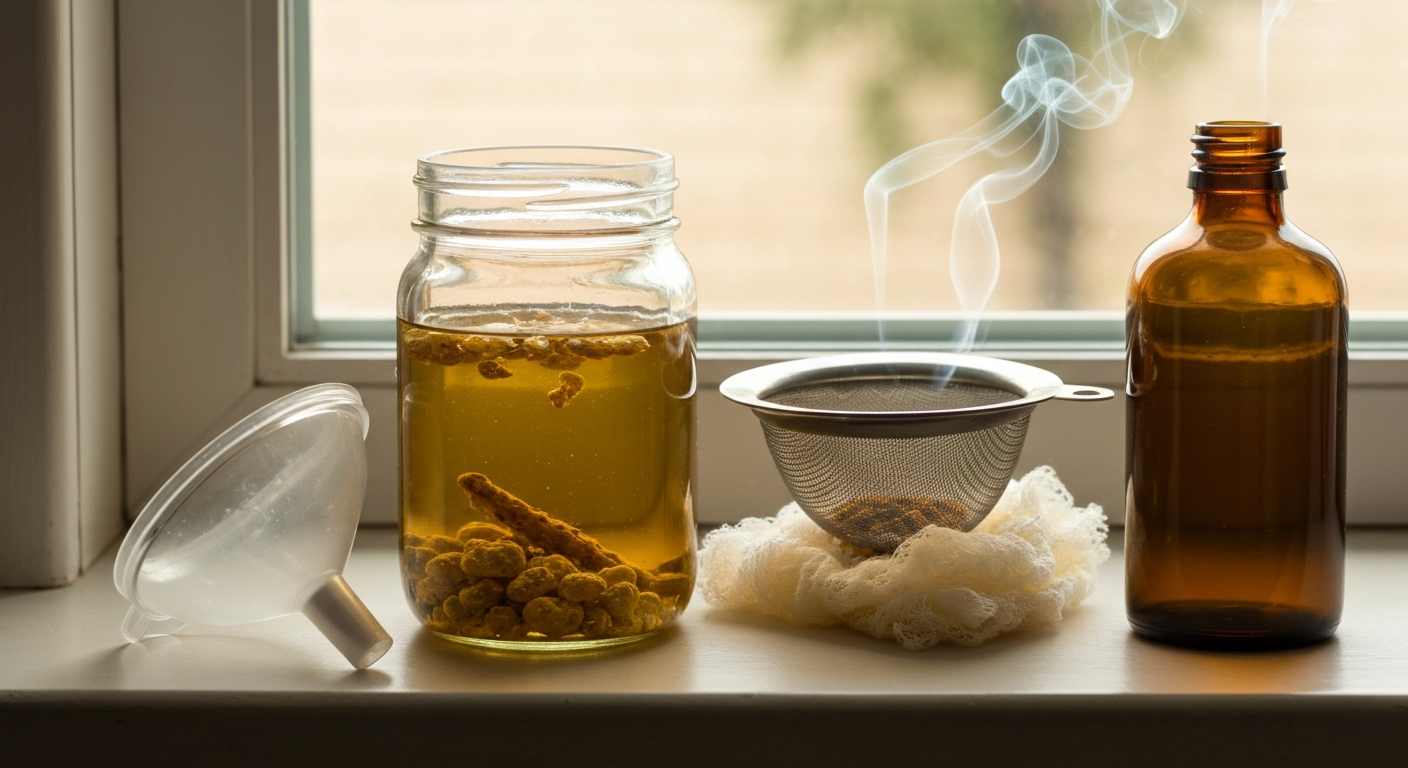
Once the oil carries a strong frankincense aroma, strain through fine cheesecloth or a coffee filter. Transfer to dark glass bottles and label with the date and method used.
Solar Infusion Tips
- Choose consistent weather periods for best results
- Protect the jar from rain while maintaining sun exposure
- Longer infusion periods generally yield stronger aromatic oils
- The oil may develop a golden or amber tint as infusion progresses
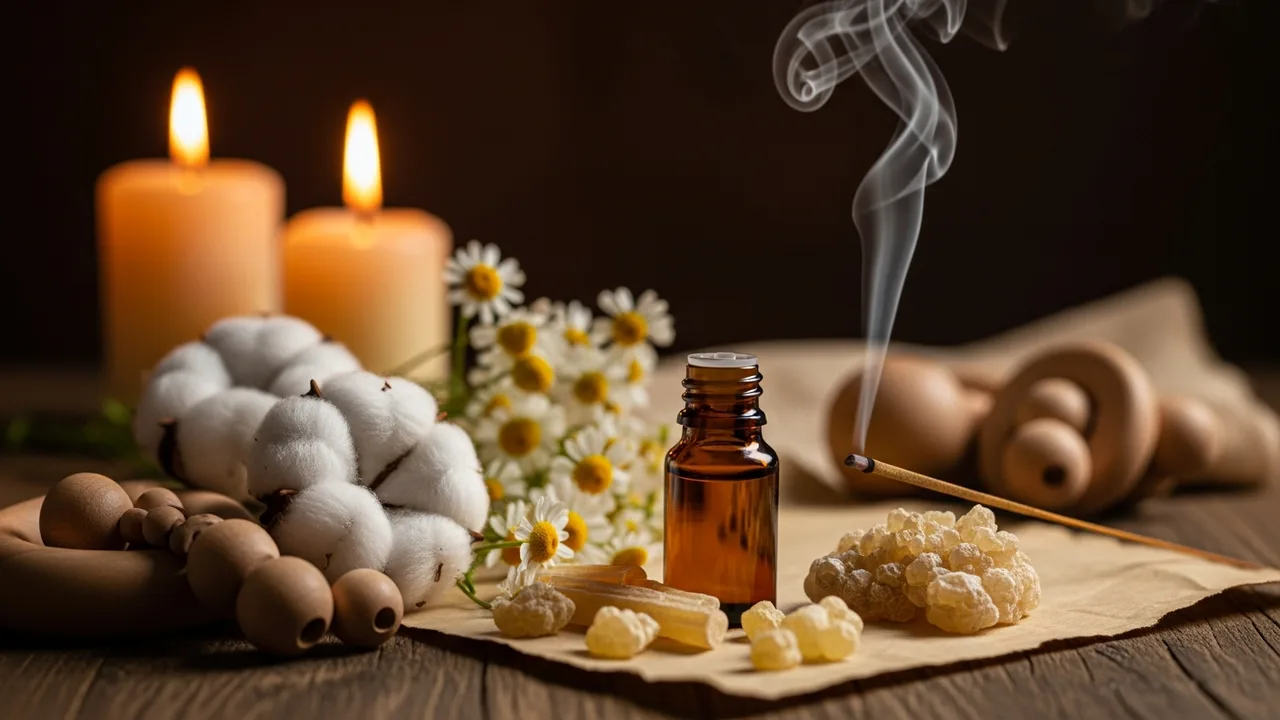
Method 2: Gentle Heat Infusion (Stovetop Method)
The stovetop method offers more control over temperature and timing, making it ideal for those who prefer a faster process or live in climates with limited consistent sunshine.
Controlled Heat Infusion Process
Step 1: Create a Double Boiler
Fill a medium saucepan with about 2 inches of water. Place a heat-safe glass bowl or smaller saucepan inside, ensuring the bottom doesn't touch the water. This creates a gentle, indirect heating method.
Step 2: Prepare and Combine
Crush 3-4 tablespoons of frankincense resin and combine with 1 cup of carrier oil in your heat-safe vessel.
Step 3: Gentle Heating
Bring the water to a gentle simmer—avoid vigorous boiling, which can create excessive heat. The oil temperature should remain between 100-140°F (38-60°C). Use a cooking thermometer to monitor if available.
Step 4: Infusion Period
Maintain gentle heat for 2-4 hours, stirring occasionally. The oil should be warm to the touch but never hot enough to damage the delicate aromatic compounds.
Step 5: Rest and Strain
Remove from heat and allow the mixture to cool to room temperature. This resting period allows additional extraction to occur. Strain through fine mesh or cheesecloth.
Safety Considerations for Heat Method:
- Never leave the stovetop unattended during infusion
- Maintain low, consistent heat to prevent degrading aromatic compounds
- Ensure adequate ventilation in your kitchen
- Keep a lid nearby to quickly cover the oil if needed
- Allow complete cooling before handling or transferring
Method 3: Cold Infusion (Patience Method)
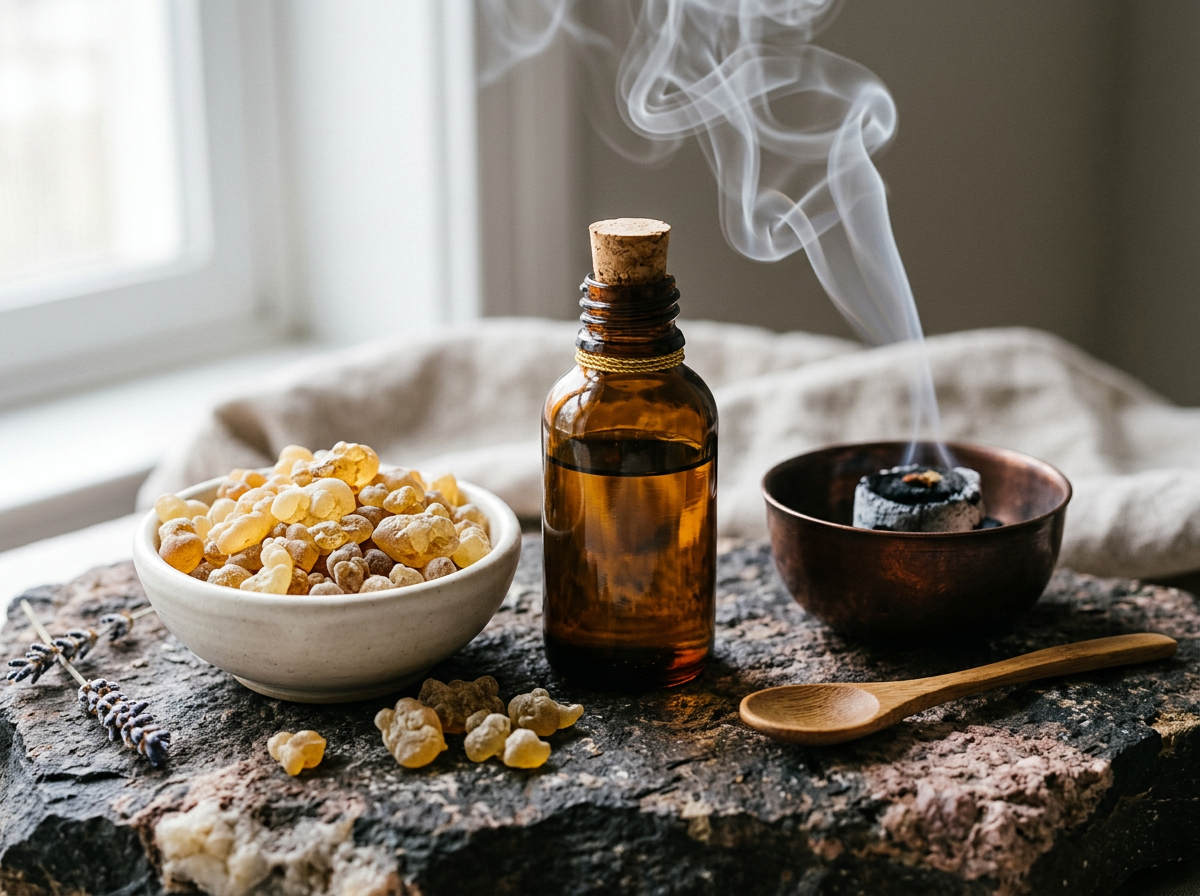
Cold infusion requires the longest time commitment but often yields the most subtle and complex aromatic profiles. This method preserves all heat-sensitive compounds that might be altered by warmth.
Extended Cold Extraction Process
Step 1: Maximum Surface Area
Crush frankincense resin more thoroughly than other methods—aim for smaller pieces to maximize surface area without creating powder.
Step 2: Long-Term Combination
Combine 4-5 tablespoons of crushed resin with 1 cup of carrier oil in a glass jar. The higher resin ratio compensates for the gentler extraction method.
Step 3: Storage Location
Place the sealed jar in a cool, dark location such as a pantry or cabinet. Consistent temperature matters more than specific temperature.
Step 4: Extended Timeline
Allow infusion to continue for 6-8 weeks, shaking gently every few days. The extended timeline allows complete extraction of oil-soluble compounds.
Step 5: Multiple Straining
Strain through progressively finer filters—first through coarse mesh, then fine cheesecloth, and finally through coffee filters for crystal-clear oil.
Safety Guidelines and Best Practices
Creating safe, high-quality frankincense oil infusions requires attention to cleanliness and proper procedures throughout the process.
Sanitation and Cleanliness
Sterilize all equipment before use by washing with hot, soapy water and rinsing with rubbing alcohol. Any bacterial contamination can spoil your entire batch and potentially create unsafe products.
Proper Dilution and Patch Testing
Before using any homemade frankincense oil on skin, perform a patch test by applying a small amount to the inside of your wrist. Wait 24 hours to ensure no irritation occurs. Even mild infusions may cause reactions in sensitive individuals.
For topical applications, consider further diluting your infused oil with additional carrier oil. A general guideline suggests using no more than 2-3% infused oil in your final blend for most skin applications.
Storage and Shelf Life
Store finished frankincense oil in dark glass bottles away from heat and light. Properly made and stored infusions typically maintain quality for 6-12 months, though this varies based on carrier oil choice and storage conditions.
Label each batch with creation date, method used, and carrier oil type. This information proves invaluable for tracking which methods produce your preferred results.
Important Contraindications
Pregnant or nursing women should consult healthcare providers before using any homemade oil preparations. Some individuals may experience skin sensitivity to frankincense or carrier oils.
Never apply undiluted infused oils to broken or irritated skin. Discontinue use if any adverse reactions occur.
Enhancing Your Frankincense Oil Infusion
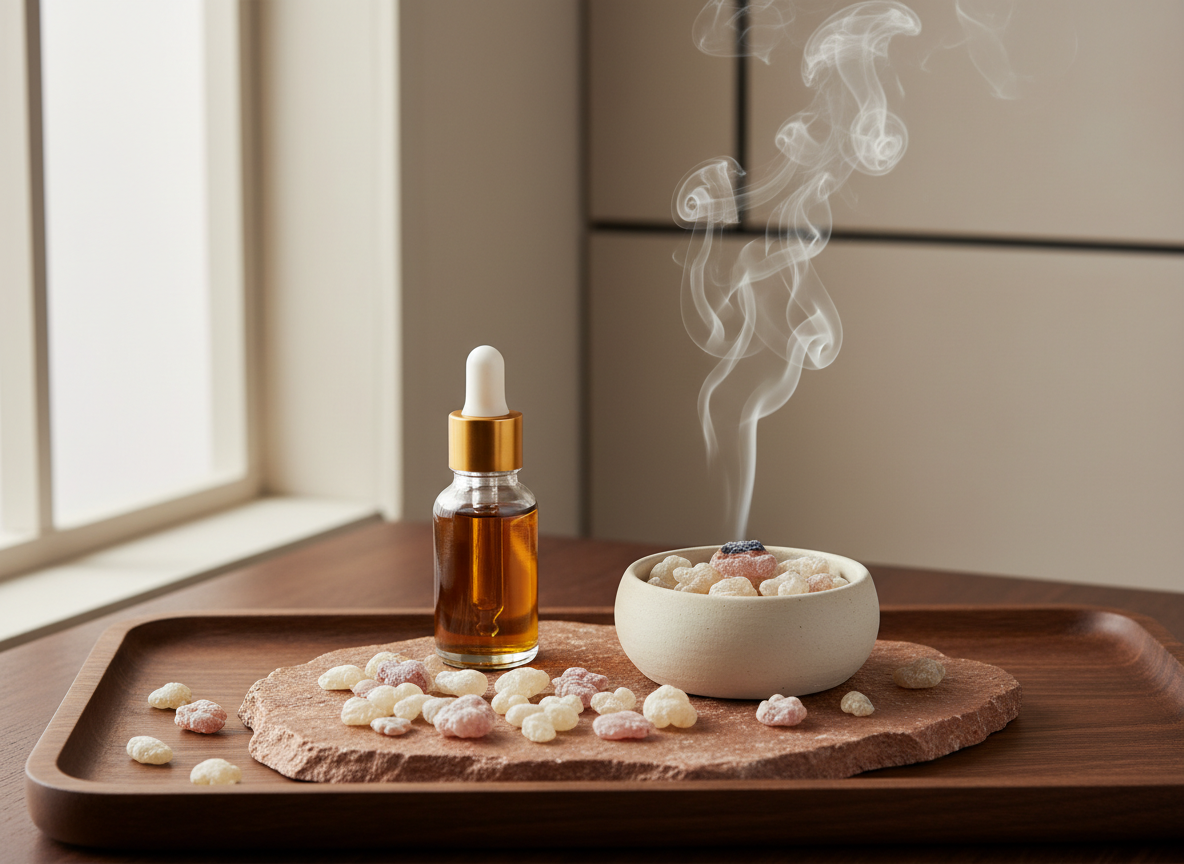
Once you've mastered basic infusion techniques, several approaches can enhance your homemade frankincense oil's complexity and appeal.
Blending Different Frankincense Varieties
Combining different frankincense species creates unique aromatic profiles. Try blending Boswellia sacra's sweet, citrusy notes with Boswellia carterii's deeper, more resinous character for a complex, layered fragrance.
Complementary Botanical Additions
Consider adding small amounts of complementary resins or dried herbs during infusion:
- Myrrh resin for deeper, more mysterious notes
- Dried lavender flowers for floral balance
- Orange peel for citrus brightness
- Sandalwood chips for creamy, woody undertones
Add these botanicals sparingly—no more than 1 tablespoon per cup of oil—to avoid overwhelming frankincense's distinctive character.
Quality Assessment and Troubleshooting
Recognizing high-quality results helps you refine your technique and achieve consistent outcomes.
Signs of Successful Infusion
Well-made frankincense oil should exhibit a clear, golden color with frankincense's characteristic aroma clearly detectable. The scent should be rich and complex, not flat or overly subtle.
Quality infused oil feels smooth and absorbs readily when applied to skin. Any grittiness suggests inadequate straining.
Common Issues and Solutions
Weak Fragrance: Increase resin quantity in future batches or extend infusion time. Some carrier oils may require higher ratios for noticeable scent development.
Cloudy Appearance: Usually indicates insufficient straining or water contamination. Re-strain through finer filters and ensure all equipment is completely dry.
Off Odors: May suggest bacterial contamination or rancid carrier oil. Discard the batch and start fresh with sterilized equipment and fresh ingredients.
Creative Applications for Your Homemade Frankincense Oil
Your finished frankincense oil infusion opens numerous possibilities for incorporating this ancient aromatic into modern life.
Personal Care Applications
Many people enjoy using diluted frankincense oil infusion in their skincare routines. The traditional association of frankincense with skin care spans cultures and centuries, though individual results vary widely.
Consider blending small amounts into unscented lotions or creating simple massage oils by further diluting with additional carrier oil.
Aromatic and Spiritual Uses
Use your infused oil in diffuser jewelry, apply to pulse points as a natural fragrance, or incorporate into meditation practices. Many find the familiar scent of frankincense supports contemplative states and mindful moments.
Crafting and Gift-Giving
Homemade frankincense oil makes thoughtful gifts for those who appreciate natural aromatics. Small bottles with personalized labels create meaningful presents that share your newfound skills.
Advancing Your Oil-Making Journey
Creating frankincense oil at home often sparks interest in broader natural product crafting. Consider expanding your knowledge through additional study of traditional extraction methods, exploration of other aromatic resins, or investigation of historical uses across different cultures.
Document your experiments with different methods, carrier oils, and infusion times. This personal research helps you develop signature blends and refine techniques for consistently excellent results.
Remember that making frankincense oil at home connects you to an ancient tradition practiced across continents and centuries. Whether you choose the patient solar method, controlled heat infusion, or extended cold extraction, you're participating in humanity's long relationship with one of nature's most revered aromatic treasures.
Each batch you create represents not just a useful product, but a bridge between ancient wisdom and modern appreciation for natural aromatics. Take time to savor both the process and the results, honoring the sacred traditions that brought frankincense's gifts into our contemporary world.