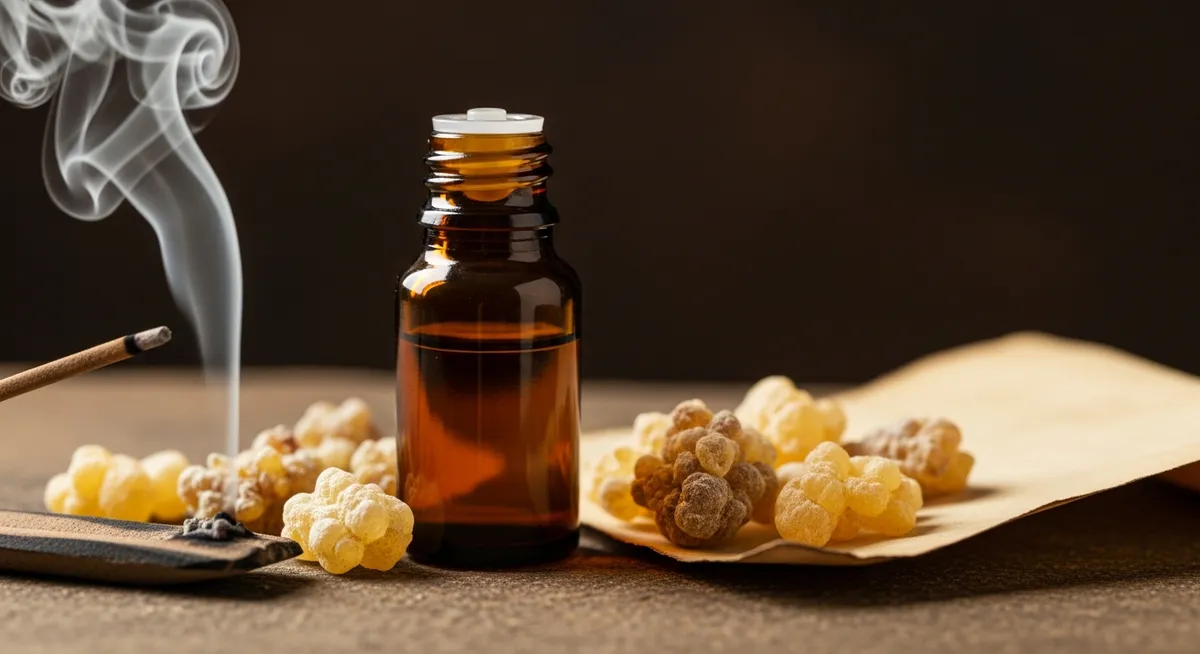
Frankincense vs. Myrrh: Similarities, Differences, and When to Use Each
In the world of ancient aromatics, few pairs are as intertwined in history and tradition as frankincense and myrrh. These precious resins have journeyed together through millennia, from temple altars to modern wellness practices. Yet despite their shared heritage, frankincense and myrrh offer distinctly different aromatic experiences and traditional applications.
Understanding the nuanced differences between these sacred oils empowers you to make informed choices for your aromatic journey. Whether you're drawn to frankincense's ethereal elevation or myrrh's grounding warmth, each offers unique qualities that have captivated civilizations for thousands of years.
The Sacred Origins: A Shared Ancient Heritage
Both frankincense and myrrh emerge from the Burseraceae family of trees, native to the Arabian Peninsula and Horn of Africa. These hardy trees thrive in arid conditions, producing aromatic resins as protection against harsh environmental conditions. The traditional harvesting methods remain largely unchanged—skilled collectors make careful incisions in the bark, allowing the precious sap to crystallize into tear-shaped gems.
Archaeological evidence suggests both resins were valued more highly than gold in ancient times. Egyptian papyri detail their use in religious ceremonies, mummification processes, and royal beauty rituals. The sacred frankincense history reveals parallel paths of reverence across cultures, from ancient Mesopotamia to medieval Europe.
The biblical narrative of the Three Wise Men bearing frankincense and myrrh as gifts for the Christ child speaks to their perceived spiritual significance. This wasn't merely symbolic—these resins represented the pinnacle of luxury and sacred practice in the ancient world.
Botanical Foundations: Understanding the Source
While both resins share family heritage, they originate from different genera within the Burseraceae family:
Frankincense Sources
- Boswellia sacra: The premier Sacred Frankincense from Oman
- Boswellia carterii: Traditional Somali frankincense
- Boswellia frereana: Maydi frankincense with citrus notes
- Boswellia serrata: Indian frankincense with distinct profile
Myrrh Sources
- Commiphora myrrha: True myrrh from Somalia and Arabia
- Commiphora molmol: Another authentic myrrh species
- Commiphora guidottii: Sweet myrrh with unique characteristics
These botanical differences translate into distinct aromatic profiles and traditional applications, making the choice between frankincense or myrrh a matter of understanding their unique qualities.
Aromatic Profile Comparison

The sensory experience of frankincense versus myrrh reveals their fundamental character differences:
Frankincense Aromatic Journey
Frankincense unfolds in ethereal layers, beginning with bright citrus or pine-like top notes that give way to a heart of warm, woody sweetness. The base reveals deep, balsamic undertones with hints of honey and subtle spice. Quality frankincense oils may exhibit slight variations—Sacred Frankincense tends toward lemony brightness, while Carterii offers more earthy depth.
Myrrh's Complex Character
Myrrh presents a more immediate intensity, opening with medicinal, slightly bitter top notes that some describe as cooling. The heart reveals warm, resinous sweetness with nuances of vanilla and dark chocolate. The dry-down showcases myrrh's signature earthiness—rich, grounding, and mysteriously complex.
This fundamental difference in aromatic character influences how each oil traditionally functions in frankincense oil blends and solo applications.
Comprehensive Comparison Table
| Attribute | Frankincense | Myrrh |
|---|---|---|
| Aromatic Profile | Bright, ethereal, citrusy-woody | Deep, earthy, medicinal-sweet |
| Opening Notes | Lemon, pine, bright | Medicinal, cooling, bitter |
| Heart Notes | Woody, honey, warm | Vanilla, chocolate, resinous |
| Base Notes | Balsamic, sweet, ethereal | Earthy, grounding, rich |
| Emotional Association | Uplifting, expansive, spiritual | Grounding, centering, protective |
| Traditional Use | Meditation, ceremonies, skincare | Protection rituals, wound care, embalming |
| Blending Character | Top to middle note, brightening | Middle to base note, grounding |
| Skin Applications | Mature skin, anti-aging focus | Problematic skin, healing support |
| Meditation Style | Elevating, consciousness-expanding | Grounding, protective, centering |
| Season Affinity | Spring, summer brightness | Autumn, winter warmth |
| Price Point | Premium to ultra-premium | Moderate to premium |
| Extraction Yield | Low (increases cost) | Moderate |
Frankincense: Strengths and Considerations
Frankincense Advantages
- Versatile Blending: Frankincense's bright character enhances most aromatic combinations
- Meditation Enhancement: Traditional use suggests support for contemplative practices
- Skincare Applications: May support mature skin appearance when properly diluted
- Emotional Uplift: Anecdotal reports suggest mood-elevating qualities
- Universal Appeal: Generally well-received across different preferences
- Historical Prestige: Carries the weight of sacred tradition
Frankincense Considerations
- Premium Pricing: High-quality frankincense commands significant investment
- Complexity: Subtle nuances may be lost on newcomers
- Availability Concerns: Sustainable sourcing challenges affect supply
- Quality Variations: Significant differences between sources and processing methods
Myrrh: Strengths and Considerations
Myrrh Advantages
- Grounding Presence: Offers stabilizing influence in blends and solo use
- Skin Support: Traditional use for challenging skin conditions (properly diluted)
- Emotional Stability: May support feelings of centeredness and protection
- Blending Anchor: Provides rich base notes in complex formulations
- Value Proposition: Generally more accessible than premium frankincense
- Distinctive Character: Unmistakable aromatic signature
Myrrh Considerations
- Acquired Taste: Initial medicinal notes may challenge some users
- Intensity: Can overwhelm delicate blends if not carefully measured
- Staining Potential: Dark color may affect light-colored carriers
- Pregnancy Considerations: Traditional cautions suggest avoiding during pregnancy
When to Choose Frankincense
Frankincense emerges as the preferred choice for specific applications and preferences:
Ideal Frankincense Scenarios
- Meditation and Spiritual Practice: When seeking elevation and expanded awareness
- Anti-Aging Skincare: Supporting mature skin appearance in proper dilution
- Uplifting Blends: Creating bright, inspiring aromatic combinations
- Gift Giving: When presentation and prestige matter
- Sacred Spaces: Establishing reverent, contemplative atmospheres
- Stress Support: When seeking gentle, elevating relief from tension
Frankincense particularly shines in daytime applications, spring and summer seasons, and situations requiring subtle sophistication.
When to Choose Myrrh
Myrrh excels in circumstances requiring grounding, protection, and intensive skin support:
Ideal Myrrh Scenarios
- Grounding Practices: Supporting stability and centeredness
- Protective Rituals: Traditional use for energetic protection
- Problem Skin Support: Addressing challenging skin conditions (properly diluted)
- Base Note Blending: Anchoring complex aromatic compositions
- Evening Routines: Supporting restful, grounding nighttime practices
- Seasonal Transitions: Particularly autumn and winter applications
Myrrh serves especially well for those seeking intensity, depth, and traditional protective qualities in their aromatic practice.
Blending Considerations: Frankincense vs. Myrrh
The difference between frankincense and myrrh becomes particularly evident in blending applications:
Frankincense Blending
Frankincense functions as an elevating influence, brightening darker oils while adding sophistication to simpler blends. It pairs beautifully with:
- Citrus oils (enhancing brightness)
- Floral essences (adding depth)
- Other resins (creating complex sacred blends)
- Woody oils (complementing earthiness)
Myrrh Blending
Myrrh serves as an anchoring base note, adding gravity and richness to lighter compositions:
- Spice oils (enhancing warmth)
- Rose and florals (adding complexity)
- Vanilla and sweet oils (balancing intensity)
- Sandalwood (creating meditative blends)
For comprehensive guidance on creating sophisticated aromatic combinations, explore our complete frankincense and myrrh guide.
Safety and Usage Guidelines
Both frankincense and myrrh require proper handling and dilution:
Essential Safety Practices
- Dilution: Always dilute in carrier oils (2-3% for topical use)
- Patch Testing: Test small skin areas before broader application
- Pregnancy Caution: Consult healthcare providers before use during pregnancy
- Quality Sourcing: Choose reputable suppliers with proper testing
- Storage: Keep in dark, cool conditions to preserve integrity
Special Myrrh Considerations
Myrrh requires additional caution due to its intensity and traditional contraindications. Avoid use during pregnancy and breastfeeding, and be mindful of potential staining when using with light-colored carriers or fabrics.
The Verdict: Choosing Your Sacred Resin
The choice between frankincense vs myrrh ultimately depends on your specific needs, preferences, and intended applications:
Choose Frankincense if you seek:
- Uplifting, ethereal aromatic experiences
- Versatile blending capabilities
- Traditional support for meditation and spiritual practice
- Premium skincare applications
- Universal appeal and sophisticated presence
Choose Myrrh if you prefer:
- Grounding, protective aromatic experiences
- Intensive skin support applications
- Rich base notes for complex blends
- Traditional protective practices
- More accessible pricing with distinctive character
Many aromatherapy enthusiasts find that both oils serve complementary roles in their practice. Frankincense for elevation and inspiration, myrrh for grounding and protection—together, they represent the full spectrum of ancient aromatic wisdom.
Consider starting with small quantities of both oils to experience their unique qualities firsthand. This personal exploration will guide you toward the resin that resonates most deeply with your individual needs and preferences.
Remember: Always consult with qualified healthcare providers before using essential oils for any health-related purposes, and ensure proper dilution and safety practices in all applications.
Shop Frankincense Essential Oil
While myrrh has its place, frankincense is our whole world — six varieties from six origins, each with its own personality.
Shop Frankincense Oil →