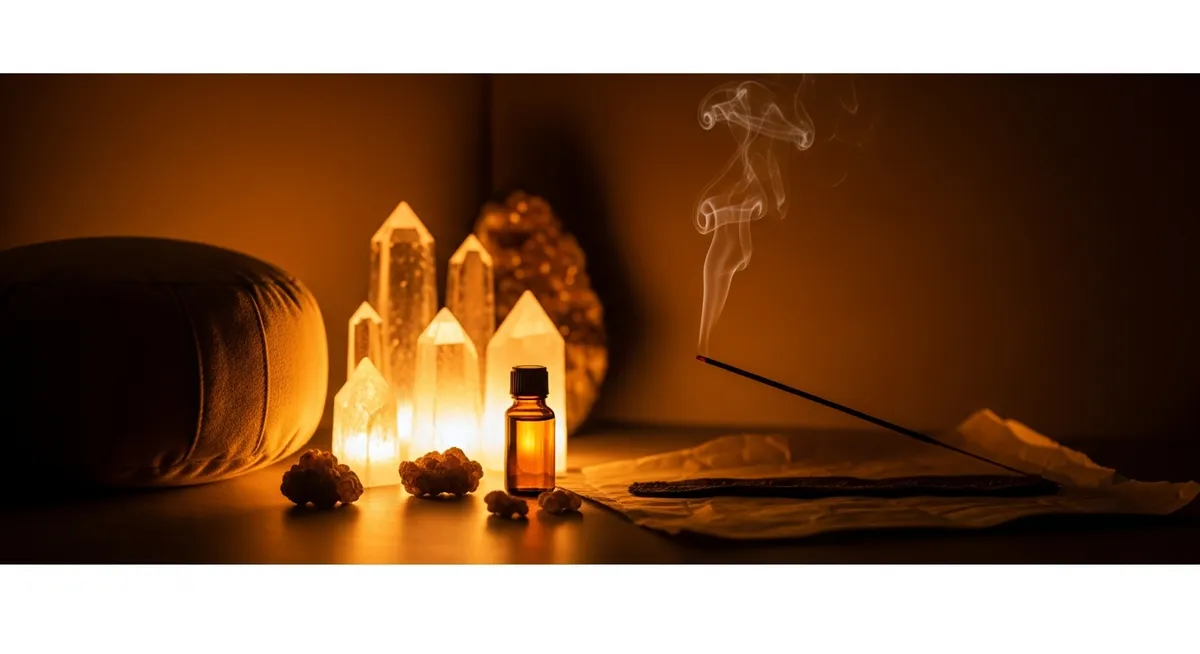
Frankincense vs. Chamomile for Calming Inflammation and Irritation
When seeking natural approaches to support the body's response to inflammation and irritation, two essential oils consistently emerge as favorites among aromatherapy enthusiasts: frankincense and chamomile. Both have been treasured for millennia, with frankincense gracing ancient temples and royal courts, while chamomile earned its place as "nature's gentle healer" in traditional folk practices.
This comprehensive comparison examines how these two remarkable oils stack up against each other, exploring their unique properties, traditional uses, and modern research findings. Whether you're new to essential oils or looking to refine your collection, understanding the nuanced differences between frankincense and chamomile can help you make more informed choices for your wellness journey.
The Ancient Origins: A Tale of Two Traditions
Frankincense, derived from the Boswellia tree, has commanded reverence for over 5,000 years. Ancient Egyptians valued it more highly than gold, using it in religious ceremonies and embalming practices. Traditional Ayurvedic and Chinese medicine systems have long incorporated frankincense for supporting overall wellness and promoting a sense of calm.
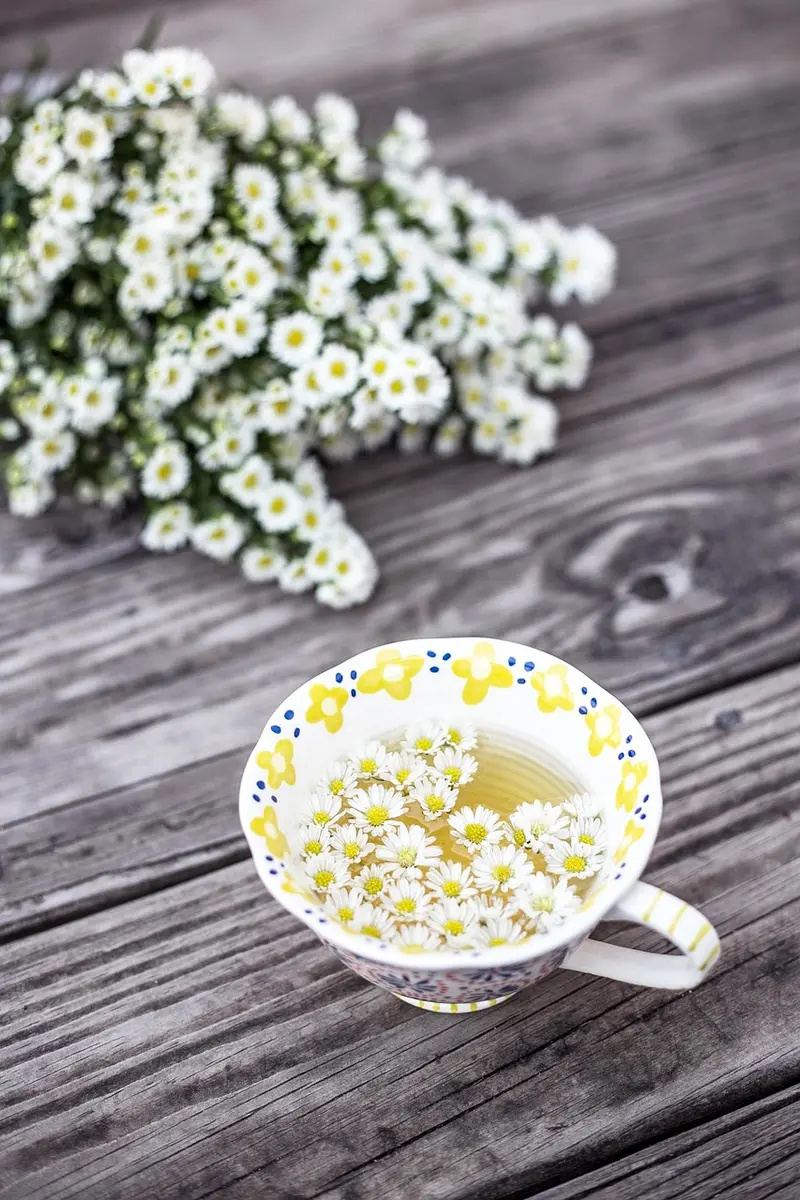
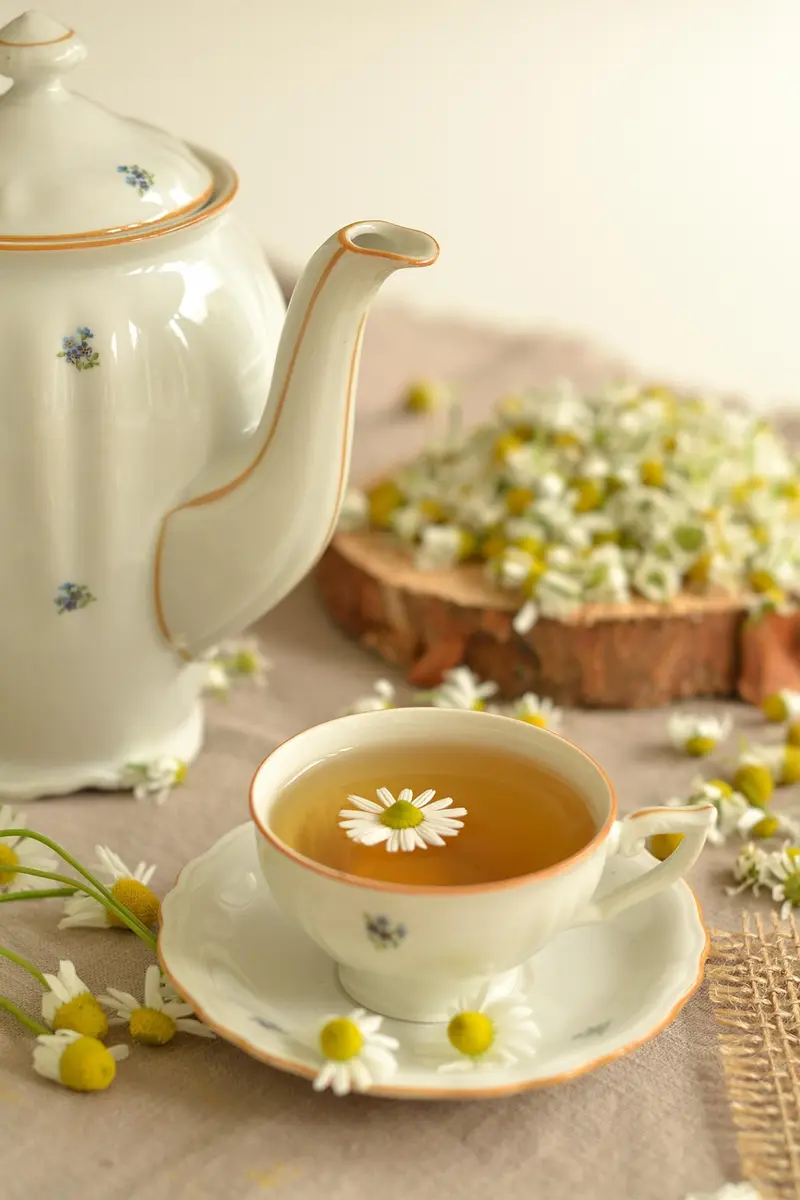
Chamomile, particularly Roman chamomile (Chamaemelum nobile) and German chamomile (Matricaria chamomilla), boasts an equally impressive heritage. Ancient Greeks called it "ground apple" for its sweet, honey-like fragrance, while traditional European herbalism has utilized chamomile for centuries to support comfort and relaxation.
Both oils share a common thread in their historical use for supporting the body's natural response to various challenges, though through distinctly different mechanisms and cultural contexts.
Understanding the Science: What Research Suggests

Frankincense: The Sacred Resin
Modern research on frankincense has focused primarily on its boswellic acids, particularly those found in Boswellia serrata. Some laboratory studies suggest these compounds may influence certain inflammatory pathways, though it's important to note that most research has been conducted in controlled laboratory settings rather than human trials.
The primary constituents of frankincense essential oil include alpha-pinene, limonene, and various monoterpenes. Some research indicates these compounds may interact with the body's inflammatory response systems, though more human studies are needed to fully understand these interactions.
For those interested in exploring frankincense for inflammation support, understanding these preliminary research findings can provide valuable context for traditional usage patterns.
Chamomile: The Gentle Ally
Chamomile essential oil contains several notable compounds, including chamazulene (which gives German chamomile its distinctive blue color), bisabolol, and various flavonoids. Laboratory studies suggest these constituents may have properties that could support the body's natural inflammatory response processes.
Research on chamomile has been more extensive in certain areas, with some human studies examining its potential effects on comfort and relaxation. (See: NIH — Boswellia Research.) However, as with frankincense, much of the research focuses on the whole plant or specific extracts rather than the essential oil itself.
Detailed Comparison: Frankincense vs Chamomile
| Attribute | Frankincense | Chamomile |
|---|---|---|
| Primary Source | Boswellia tree resin | Chamomile flower heads |
| Scent Profile | Woody, balsamic, slightly citrusy | Sweet, apple-like, herbaceous |
| Key Constituents | Alpha-pinene, limonene, incensole | Chamazulene, bisabolol, farnesene |
| Traditional Use Focus | Spiritual practices, skin support | Gentle comfort, relaxation support |
| Skin Compatibility | Generally well-tolerated when diluted | Very gentle, suitable for sensitive skin |
| Aromatherapy Applications | Meditation, emotional balance | Bedtime routines, stress support |
| Price Range | Premium to luxury pricing | Moderate to premium pricing |
| Blending Properties | Excellent fixative, enhances other oils | Harmonizes well with most oils |
Pros and Cons Analysis
Frankincense: The Royal Choice
Advantages:
- Versatility: Frankincense adapts well to various applications, from spiritual practices to skin care routines
- Longevity: Its complex molecular structure provides lasting aromatic benefits
- Blending Excellence: Acts as a natural fixative, enhancing and extending other essential oils
- Research Interest: Growing body of preliminary research on its constituents
- Cultural Significance: Rich historical context adds depth to aromatherapy practices
Considerations:
- Cost: High-quality frankincense commands premium pricing
- Quality Variation: Significant differences between sources and processing methods
- Potency: May be too intense for those preferring gentler options
- Availability: Authentic, sustainably sourced frankincense can be challenging to find
Chamomile: The Gentle Giant
Advantages:
- Gentleness: Exceptionally mild, suitable for sensitive individuals
- Versatility: Roman and German varieties offer different benefits
- Accessibility: More readily available and generally more affordable
- Family-Friendly: Often considered more suitable for household use
- Research Base: More extensive human studies compared to many essential oils
Considerations:
- Potency: May be too subtle for those seeking more pronounced effects
- Shelf Life: Generally shorter shelf life compared to frankincense
- Allergies: Those with ragweed allergies should exercise caution
- Quality Issues: Adulteration can be common in lower-priced options
Best Use Cases: When to Choose Which
Choose Frankincense When:
- Seeking Spiritual Enhancement: Its traditional sacred use makes it ideal for meditation and contemplative practices
- Addressing Mature Skin Concerns: Those exploring frankincense for skin applications often appreciate its traditional use in skincare
- Creating Luxurious Blends: Its complexity and fixative properties elevate aromatherapy formulations
- Supporting Emotional Balance: Traditional use suggests it may help promote a sense of grounding and centeredness
- Investing in Long-Term Value: Its stability and potency offer excellent cost-per-use value
Choose Chamomile When:
- Prioritizing Gentleness: Ideal for those with sensitive skin or those new to essential oils
- Supporting Sleep Routines: Its traditional association with relaxation makes it popular for bedtime applications
- Creating Family-Friendly Solutions: Generally considered more suitable for household environments
- Seeking Immediate Comfort: Its gentle nature may provide quicker comfort for minor irritations
- Budget-Conscious Choices: Typically more accessible pricing for regular use
Safety Considerations and Best Practices
Both frankincense and chamomile are generally considered safe when used appropriately, but proper dilution and usage guidelines remain essential.
General Safety Guidelines:
- Always dilute: Use appropriate carrier oils with dilution ratios of 1-3% for topical applications
- Patch test first: Test any new oil on a small skin area before broader application
- Quality matters: Source oils from reputable suppliers who provide GC/MS testing results
- Storage considerations: Keep oils in dark, cool places to maintain potency
- Pregnancy and nursing: Consult with qualified healthcare providers before use
Specific Considerations:
Frankincense: Generally well-tolerated but may cause sensitivity in some individuals. Start with lower dilutions.
Chamomile: Those with allergies to ragweed, asters, or chrysanthemums should exercise caution. German chamomile may cause photosensitivity in some individuals.
The Verdict: Making Your Choice
The choice between frankincense vs chamomile ultimately depends on your specific needs, preferences, and intended applications. Neither oil is inherently "better" than the other; rather, they excel in different areas and serve different purposes in a well-rounded aromatherapy collection.
Choose frankincense if: You value traditional wisdom, seek a versatile oil with spiritual significance, prioritize longevity and potency, or are exploring more advanced aromatherapy applications. Its complex chemistry and cultural heritage make it an excellent investment for serious essential oil enthusiasts.
Choose chamomile if: You prefer gentle, accessible options, are new to essential oils, prioritize budget-friendly choices, or need something suitable for family environments. Its mild nature and extensive traditional use make it an excellent starting point for natural wellness exploration.
Consider both if: Your budget allows, as they complement each other beautifully in blends and serve different purposes in daily wellness routines. Many aromatherapy practitioners find value in having both options available.
Remember that individual responses to essential oils can vary significantly. What works beautifully for one person may not suit another. Consider starting with smaller sizes to explore how each oil works with your unique body chemistry before making larger investments.
Regardless of your choice, always source oils from reputable suppliers, follow proper safety guidelines, and consult with qualified healthcare providers when incorporating essential oils into your wellness routine, especially if you have existing health concerns or take medications.
Shop Frankincense Essential Oil
Should frankincense earn a place in your routine, quality decides the experience — our oils are single-origin and GC/MS verified.
Shop Frankincense Oil →