Frankincense for Skin FAQ: Dermatologist-Informed Answers to Common Concerns
As frankincense essential oil continues to gain recognition in modern skincare, questions naturally arise about its proper use, safety considerations, and potential effects. Drawing from dermatological principles and traditional wisdom, we've compiled comprehensive answers to the most frequently asked frankincense skin questions to help you make informed decisions about incorporating this ancient treasure into your skincare routine.
Safety and Skin Compatibility
Can frankincense irritate skin?
Like any essential oil, frankincense may potentially cause skin irritation in sensitive individuals, particularly when used undiluted. Most skin reactions occur due to improper dilution or individual sensitivity to specific compounds within the oil. Always perform a patch test before first use and follow proper dilution guidelines to minimize the risk of adverse reactions. If you have extremely sensitive skin or known allergies to tree resins, consult with a dermatologist before use.
Is frankincense safe for sensitive skin?
Frankincense is generally considered one of the gentler essential oils, making it potentially suitable for sensitive skin when properly diluted. However, individual reactions vary significantly, and what works for one person may not work for another. Start with very low concentrations (0.5-1%) in a gentle carrier oil and gradually increase only if your skin tolerates it well. Those with conditions like eczema or rosacea should exercise particular caution.
How do I patch test frankincense essential oil?
Dilute frankincense oil to 1% concentration (approximately 6 drops per ounce of carrier oil) and apply a small amount to your inner forearm or behind your ear. Cover with a bandage if desired and wait 24-48 hours, observing for any signs of redness, itching, swelling, or irritation. If no reaction occurs, you may cautiously proceed with use on other areas of your body.
What should I do if frankincense causes skin irritation?
Immediately discontinue use and gently cleanse the area with mild soap and cool water. Apply a cold compress if there's inflammation, and consider using a gentle, fragrance-free moisturizer to help restore the skin barrier. If symptoms persist or worsen, seek advice from a healthcare professional or dermatologist.
Proper Usage and Application
What's the correct dilution ratio for frankincense on skin?
For facial use, a 0.5-1% dilution is typically recommended, while body applications may safely use 1-2% concentrations. This translates to approximately 3-6 drops per ounce of carrier oil for facial use, or 6-12 drops per ounce for body applications. Our comprehensive frankincense dilution guide provides detailed measurements for various applications and skin types.
Can I use frankincense essential oil directly on my skin?
No, frankincense essential oil should never be applied directly to skin without proper dilution in a carrier oil. Neat application significantly increases the risk of sensitization, irritation, and potential adverse reactions. Always dilute frankincense in appropriate carrier oils such as jojoba, sweet almond, or fractionated coconut oil before topical application.
Which carrier oils work best with frankincense for skin care?
Jojoba oil, rosehip seed oil, and argan oil are excellent carriers that complement frankincense's properties while providing their own skin-nourishing benefits. For sensitive skin, fractionated coconut oil or sweet almond oil offer lighter, less comedogenic options. The choice depends on your skin type, concerns, and personal preferences regarding texture and absorption rate.
How often can I use frankincense on my skin?
Most people can safely use properly diluted frankincense daily, though starting with every other day allows you to assess your skin's response. Some individuals prefer using it only in their evening routine to avoid any potential photosensitivity, though frankincense is not typically considered a photosensitizing oil. Listen to your skin and adjust frequency based on how it responds.
Can I mix frankincense with other essential oils for skin care?
Yes, frankincense blends well with many other gentle essential oils such as lavender, geranium, and sandalwood. However, when combining oils, ensure your total essential oil concentration doesn't exceed safe dilution ratios. Each additional oil increases the complexity of potential reactions, so introduce blends gradually and monitor your skin's response carefully.
Specific Skin Concerns and Applications
Can frankincense help with aging skin concerns?
Traditional use and some preliminary research suggest frankincense may support skin's natural renewal processes, though individual results vary. (See: NIH — Boswellia Research.) Many users report improved skin texture and appearance with consistent use, but it's important to maintain realistic expectations. For comprehensive anti-aging care, frankincense works best as part of a broader skincare routine that includes sun protection and proven ingredients.
Is frankincense effective for scar appearance?
Anecdotal reports and traditional use suggest frankincense may support the skin's natural soothing processes, potentially helping with the appearance of scars over time. However, results vary significantly based on scar type, age, and individual skin response. For detailed information about using frankincense for scar care, consult our guide on frankincense for scars.
Can pregnant or breastfeeding women use frankincense on skin?
While frankincense is generally considered one of the safer essential oils during pregnancy and breastfeeding, it's crucial to consult with your healthcare provider before use. Some practitioners recommend avoiding essential oils entirely during the first trimester, while others approve specific oils at very low dilutions. Always prioritize professional medical guidance over general recommendations.
Is frankincense suitable for acne-prone skin?
Frankincense's traditionally gentle nature may make it suitable for some people with acne-prone skin, particularly when diluted in non-comedogenic carriers like jojoba oil. However, any new topical product can potentially trigger breakouts in susceptible individuals. Start with very low concentrations and limited application areas to assess your skin's response.
Product Quality and Selection
What should I look for in a quality frankincense essential oil for skin care?
Seek oils that are steam-distilled from Boswellia carterii or Boswellia sacra, clearly labeled with botanical names and country of origin. Third-party testing certificates, proper storage in dark glass bottles, and transparency about sourcing practices indicate quality suppliers. Avoid oils that seem unusually inexpensive, as authentic frankincense requires significant raw materials and careful processing.
Does the species of frankincense matter for skin applications?
Different Boswellia species produce oils with varying chemical profiles, which may affect their skin compatibility and traditional uses. Boswellia carterii and Boswellia sacra are most commonly used in skincare applications, while Boswellia serrata is more often associated with other traditional uses. Research the specific species and their traditional applications to make an informed choice for your needs.
How should I store frankincense essential oil to maintain its skin-care properties?
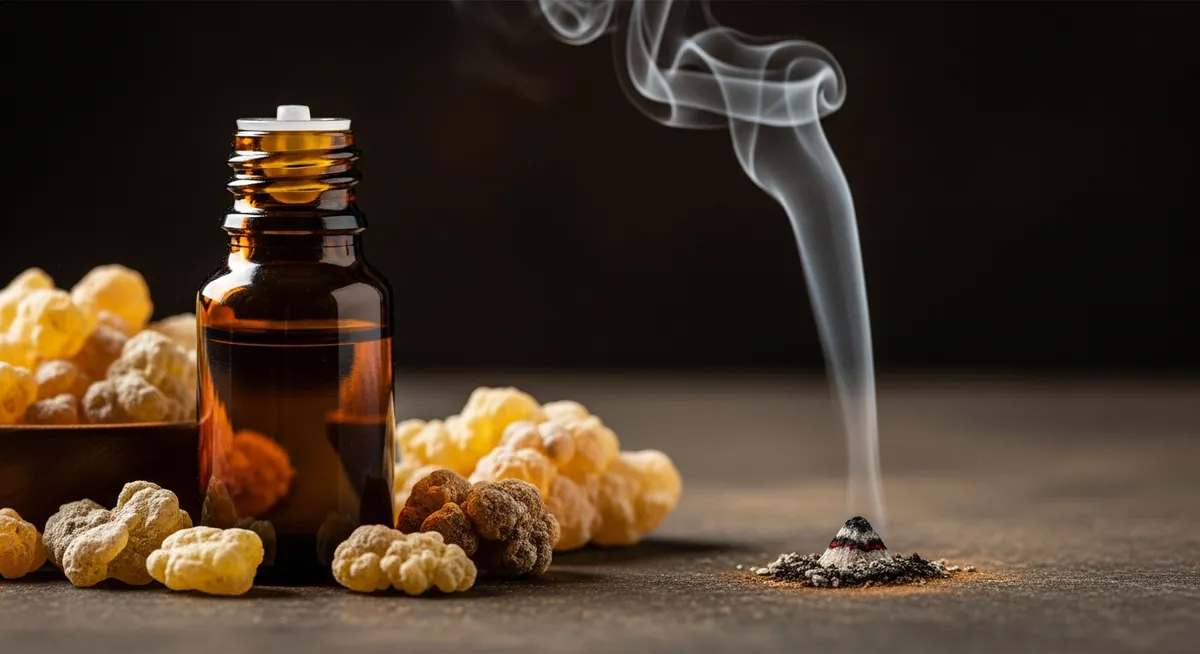
Store frankincense in a cool, dark location away from direct sunlight and temperature fluctuations. Dark glass bottles protect the oil from light degradation, while tight-fitting caps prevent oxidation. Properly stored, high-quality frankincense can maintain its properties for several years, though its aroma and effectiveness may gradually diminish over time.
Combining with Other Skincare Products
Can I use frankincense with retinoids or acids?
Exercise caution when combining essential oils with active skincare ingredients like retinoids, AHAs, or BHAs, as this combination may increase skin sensitivity. If you use these actives, consider applying frankincense and conventional skincare products at different times of day or on alternating days. Always consult with a dermatologist when combining multiple active ingredients.
Does frankincense interact with sunscreen or makeup?
Frankincense, when properly diluted in appropriate carriers, typically doesn't interfere with sunscreen or makeup application. However, oil-based preparations may affect the adherence or effectiveness of certain formulations. Allow adequate absorption time between applications, and always prioritize broad-spectrum sun protection as the most important step in any anti-aging skincare routine.
Should I use frankincense morning or evening?
Many people prefer evening application, as this allows the oil to work overnight without concern about makeup application or sun exposure. However, properly diluted frankincense can be used morning or evening based on your routine preferences. If using during the day, ensure you're following proper sun protection practices regardless of the oils you use.
Remember that individual skin responses vary significantly, and what works beautifully for one person may not suit another. Start slowly, pay attention to your skin's signals, and don't hesitate to consult skincare professionals when questions arise. For comprehensive information about incorporating frankincense into your skincare routine, explore our detailed guide on frankincense for skin care applications.
Shop Frankincense Essential Oil
One answer applies to every question here: start with a pure oil — ours is single-species, single-origin, and GC/MS verified.
Shop Frankincense Oil →