Earth Day Special: How Sustainable Frankincense Sourcing Can Save Boswellia Trees
As we celebrate Earth Day 2024, the ancient frankincense trade stands at a critical crossroads. The sacred Boswellia trees that have graced our spiritual practices for millennia now face unprecedented threats from climate change, overharvesting, and habitat loss. This Earth Day, we explore how conscious consumers and ethical sourcing practices can help preserve these precious trees for future generations.
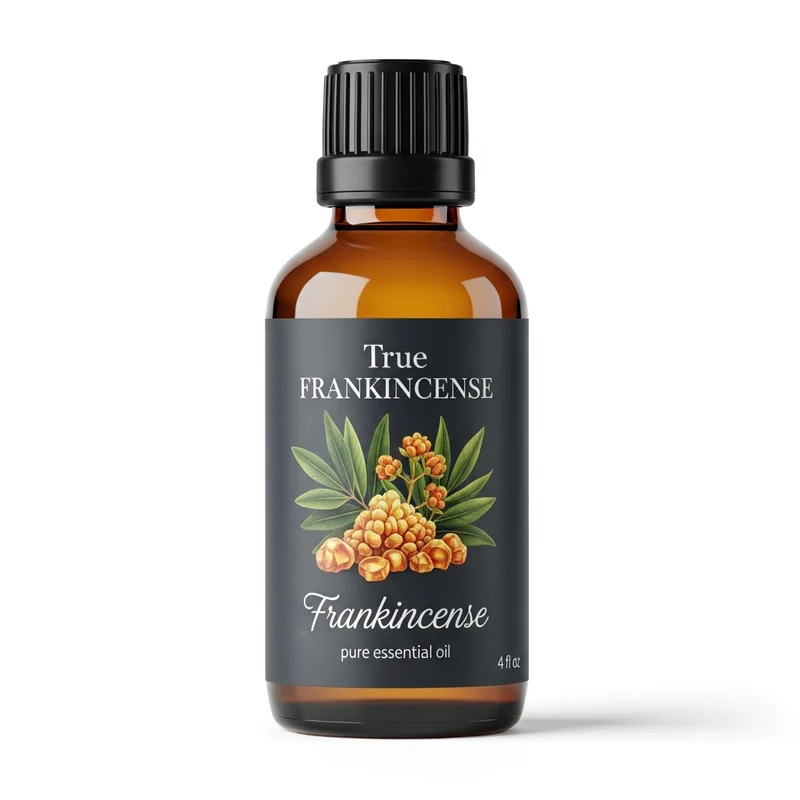
Frankincense Essential Oil
Six single-origin frankincense varieties, steam-distilled and GC/MS verified.
From $12.99
Shop Frankincense Oil →The Ancient Gift Under Threat
For over 5,000 years, Boswellia trees have been revered as sources of the world's most precious aromatic resin. These remarkable trees, which can live for centuries, grow in some of the world's most challenging environments—from the rocky slopes of Oman's Dhofar region to the arid highlands of Somalia and Ethiopia.
Recent research has revealed alarming trends: Boswellia populations are declining at rates that could lead to significant scarcity within decades. A study published in the journal PLOS ONE found that Boswellia sacra populations in Oman have experienced mortality rates exceeding 50% in some areas, with young trees struggling to establish in increasingly harsh conditions.
"The frankincense tree is not just a source of aromatic resin—it's a keystone species that supports entire ecosystems and communities that have depended on it for generations." - Dr. Anjanette DeCarlo, Botanist and Frankincense Researcher
Why Earth Day 2024 Matters for Frankincense
This year's Earth Day theme of "Planet vs. Plastics" resonates deeply with the frankincense industry. As consumers increasingly seek natural alternatives to synthetic fragrances and wellness products, the demand for authentic frankincense has surged. However, this growing popularity brings both opportunity and responsibility.
The timing couldn't be more crucial. Climate scientists report that the regions where Boswellia trees naturally occur are experiencing accelerated warming and changing precipitation patterns. These environmental stresses, combined with increased harvesting pressure, create a perfect storm threatening the species' survival.
The Perfect Storm: Multiple Threats Converging
- Climate Change: Rising temperatures and altered rainfall patterns stress trees beyond their adaptive capacity
- Overexploitation: Increased global demand leading to excessive tapping and premature harvesting
- Habitat Loss: Development, agriculture, and infrastructure encroaching on natural habitats
- Poor Regeneration: Young trees struggle to establish due to grazing pressure and environmental stress
- Lack of Legal Protection: Insufficient conservation policies in key growing regions
Understanding Sustainable Frankincense Sourcing
Sustainable frankincense sourcing goes far beyond simply harvesting resin responsibly. It encompasses a holistic approach that considers ecological health, community welfare, and long-term species preservation. Learn more about frankincense sustainability practices that are making a difference.
The Pillars of Sustainable Harvesting
Ethical Tapping Practices: Traditional harvesters have developed time-tested methods for collecting resin without harming trees. Sustainable operations follow strict protocols:
- Trees are tapped no more than twice per year during optimal seasons
- Incisions are made with precise depth and spacing to avoid damaging the cambium
- Trees are given adequate rest periods between harvesting cycles
- Young trees (under 8 years) are never tapped
- Stressed or damaged trees are excluded from harvesting
Community Empowerment: Sustainable sourcing creates economic incentives for local communities to protect rather than exploit their natural resources. Fair trade practices ensure that harvesters receive appropriate compensation for their expertise and stewardship.
The Somalia Success Story
One of the most encouraging examples of sustainable frankincense sourcing comes from Somalia's Puntland region. Despite political challenges, local communities and international partners have developed innovative conservation programs that demonstrate how traditional knowledge and modern science can work together.
The Somali frankincense initiative has achieved remarkable results through:
- Training programs that teach sustainable harvesting techniques to new generations
- Community-based conservation areas that protect critical Boswellia habitats
- Fair trade cooperatives that ensure harvesters receive premium prices for sustainably sourced resin
- Reforestation projects using traditional ecological knowledge
- Research partnerships that monitor tree health and population dynamics
Measuring Impact: Conservation Metrics That Matter
| Conservation Metric | Traditional Harvesting | Sustainable Programs |
|---|---|---|
| Trees Tapped Per Season | 3-4 times annually | 1-2 times annually |
| Harvester Income | $2-3 per kg | $8-12 per kg |
| Tree Mortality Rate | 15-20% annually | 3-5% annually |
| Seedling Survival | 10-15% | 40-60% |
How Consumers Can Support Conservation
This Earth Day, conscious consumers have unprecedented power to drive positive change in the frankincense industry. (See: NIH — Boswellia Research.) Every purchase decision sends a signal about the values and practices we want to support.
Choose Quality Over Quantity
Investing in high-quality, ethically sourced frankincense creates market demand for sustainable practices. Understanding frankincense quality markers helps consumers make informed choices that support conservation efforts.
Look for these indicators of sustainable sourcing:
- Transparent Origin Information: Reputable suppliers provide detailed information about harvesting locations and methods
- Fair Trade Certification: Third-party verification ensures ethical treatment of harvesters and communities
- Conservation Partnerships: Companies that actively support reforestation and habitat protection
- Seasonal Availability: Authentic frankincense reflects natural harvesting cycles rather than year-round availability
- Premium Pricing: Suspiciously low prices often indicate unsustainable or adulterated products
Support Research and Conservation
Many organizations are working tirelessly to study and protect Boswellia species. Consider supporting:
- Botanical research institutions studying frankincense ecology
- Local conservation groups in Boswellia-growing regions
- Fair trade organizations promoting ethical sourcing
- Educational programs teaching sustainable practices
Spring Into Action: Earth Day Initiatives
As we welcome spring 2024, this season of renewal offers perfect timing for conservation action. Many frankincense trees begin their growing season during spring months, making it an ideal time to support reforestation efforts.
Seasonal Conservation Activities
- Tree Adoption Programs: Some organizations offer opportunities to sponsor individual Boswellia trees
- Educational Workshops: Spring conferences and webinars focusing on sustainable aromatics
- Community Gardens: Some regions are experimenting with growing Boswellia species in botanical gardens
- Awareness Campaigns: Social media initiatives highlighting frankincense conservation
Looking Forward: The Future of Frankincense
The future of frankincense depends on actions we take today. Climate models suggest that without intervention, suitable habitat for Boswellia trees could shrink by 50% over the next century. However, successful conservation programs demonstrate that recovery is possible with dedicated effort and community support.
Emerging technologies offer new hope:
- Satellite monitoring systems track forest health and harvesting activities
- Genetic research helps identify climate-resilient tree varieties
- Blockchain technology provides supply chain transparency
- Artificial intelligence assists in sustainable harvest planning
Your Earth Day Commitment
This Earth Day, consider making a commitment to support sustainable frankincense practices. Whether you're a longtime aromatherapy enthusiast or new to the world of frankincense, your choices matter.
Small actions create significant impact:
- Research suppliers before making purchases
- Share conservation information with your community
- Support businesses committed to sustainability
- Reduce consumption and focus on quality
- Learn about traditional harvesting cultures and their wisdom
As we honor Earth Day 2024, let's remember that frankincense represents more than just an aromatic treasure—it embodies humanity's connection to nature and our responsibility as stewards of the planet. Through conscious choices and sustained action, we can ensure that future generations will continue to experience the profound beauty and cultural significance of authentic frankincense.
The ancient Boswellia trees have survived for millennia by adapting to harsh conditions and forming symbiotic relationships with their environment. Now, they need our partnership to navigate the unprecedented challenges of the modern world. This Earth Day, let's answer their call and become active participants in their preservation story.
Frankincense Essential Oil
Serrata, carterii, sacra, frereana, neglecta and rivae: steam-distilled, GC/MS verified, in sizes from 0.5 oz to bulk.
From $12.99
Shop Frankincense Oil →