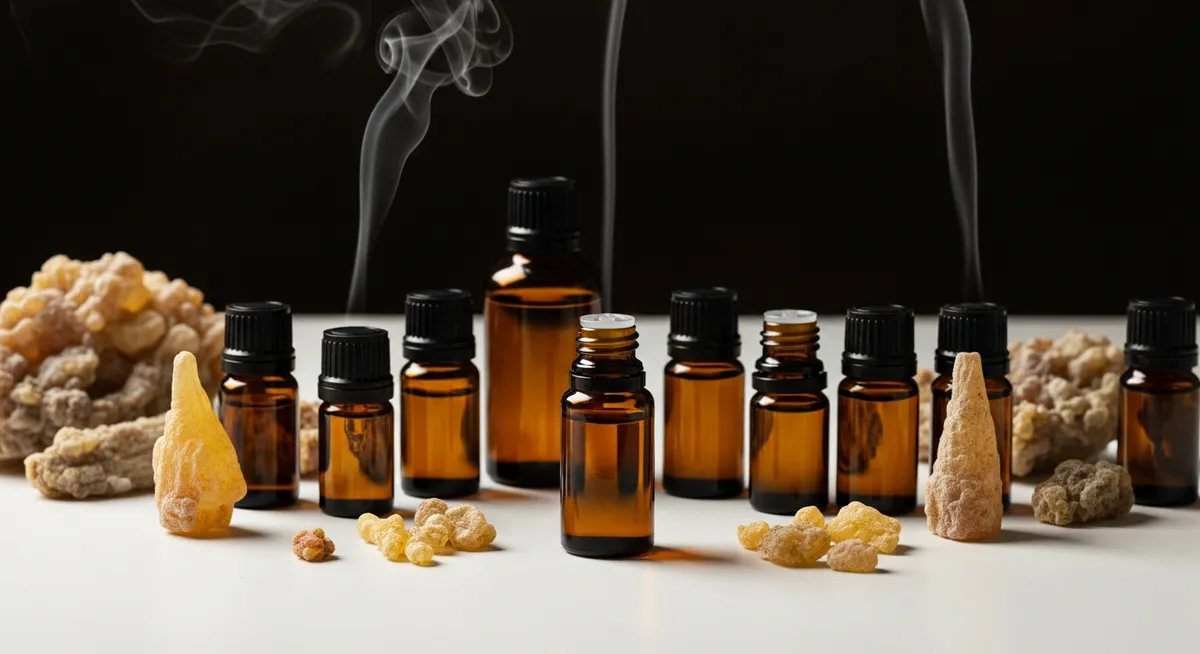
Best Frankincense Oil for Pain Relief: Therapeutic Options Reviewed
For millennia, frankincense has been revered as one of nature's most precious aromatics, traditionally used across cultures for various wellness purposes. Today, many people seek high-quality frankincense essential oils that honor this ancient tradition while meeting modern purity standards. If you're exploring frankincense oil for its traditional association with comfort and wellness, understanding what distinguishes exceptional products from inferior alternatives is crucial.
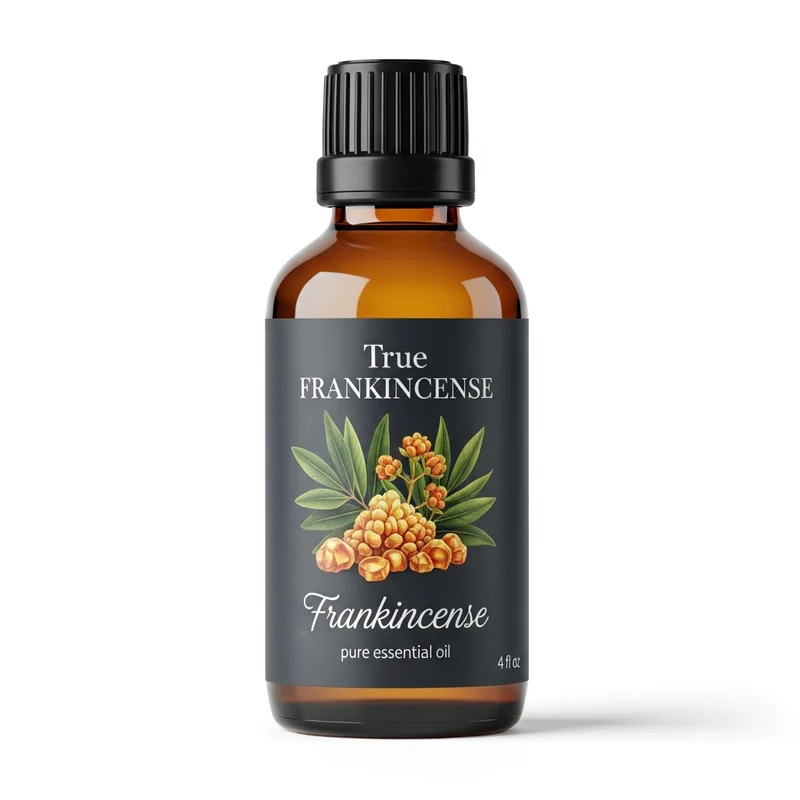
Frankincense Essential Oil
Six single-origin frankincense varieties, steam-distilled and GC/MS verified.
From $12.99
Shop Frankincense Oil →This comprehensive buyer's guide examines the key quality indicators, features, and considerations when selecting frankincense oil for pain relief applications. We'll explore what makes certain frankincense oils stand out, review options across different price points, and help you navigate this complex market with confidence.
Important Note: This guide focuses on product quality and traditional uses. Essential oils are not intended to diagnose, treat, cure, or prevent any disease. Always consult with a qualified healthcare provider before using essential oils, especially if you have medical conditions or are taking medications.
Understanding Frankincense Oil Quality: What Sets Premium Products Apart
Not all frankincense oils are created equal. The most sought-after therapeutic frankincense oil options share several distinguishing characteristics that separate them from mass-market alternatives.
Species and Origin Matter
The frankincense family includes several species, each offering unique aromatic and chemical profiles:
- Boswellia carterii (Somalia/Oman): Often considered the gold standard, traditionally prized for its rich, complex aroma
- Boswellia serrata (India): Boswellia serrata has been extensively studied and offers distinct properties. If you prefer an internal option, our roundup of the best Boswellia serrata supplements for joint pain compares standardized capsule brands.
- Boswellia frereana (Somalia): Known for its exceptionally pure, sweet fragrance
- Boswellia sacra (Oman): The legendary "sacred frankincense" with unparalleled depth
Premium brands clearly identify the exact species and geographic origin, as these factors significantly influence the oil's aromatic profile and potential traditional applications.
Distillation Methods and Purity
The finest frankincense oils undergo careful steam distillation or CO2 extraction processes that preserve the resin's delicate compounds. Look for these quality indicators:
- Steam distilled or CO2 extracted (avoid solvent extraction)
- 100% pure with no synthetic additives or carriers
- Batch-specific GC/MS testing reports available
- Proper storage in dark glass bottles
- Clear labeling of extraction date and shelf life
Key Features to Compare When Selecting Frankincense Oil
When evaluating different frankincense pain relief oil options, several features deserve careful consideration:
Chemical Profile and Potency
High-quality frankincense oils contain specific compounds that contribute to their traditional uses. Key constituents to look for include:
| Compound | Typical Range | Significance |
|---|---|---|
| Alpha-pinene | 15-25% | Contributes to the characteristic woody aroma |
| Limonene | 5-15% | Adds citrusy brightness to the scent profile |
| Octyl acetate | 3-8% | Provides fruity, floral notes |
| Boswellic acids | Varies | Key compounds in traditional applications |
Premium suppliers provide detailed chemical analysis reports, demonstrating transparency and quality assurance.
Concentration and Dilution Options
Frankincense oils are available in various concentrations:
- Neat/Pure (100%): Maximum potency, requires careful dilution
- Pre-diluted blends: Ready-to-use formulations, often 5-10% in carrier oil
- Roll-on applications: Convenient pre-diluted options for topical use
Consider your experience level and intended use when selecting concentration levels.
Packaging and Preservation
Proper packaging protects the oil's integrity and extends shelf life:
- Dark amber or cobalt blue glass bottles
- Tight-sealing caps to prevent oxidation
- Appropriate bottle sizes (10-30ml for most users)
- Clear expiration dates and storage instructions
Top Frankincense Oil Picks Across Different Price Ranges
We've researched and evaluated numerous frankincense oil options to present recommendations across various budgets and needs.
Premium Range ($80-150+ per 15ml)
These represent the absolute finest frankincense oils available, often from specific geographic regions with documented provenance.
Characteristics of Premium Options:
- Single-origin harvesting from specific regions
- Traditional harvesting methods
- Small-batch distillation
- Extensive third-party testing
- Sustainable sourcing practices
- Detailed harvest and processing documentation
Premium frankincense oils often come from renowned regions like the Dhofar mountains of Oman or specific areas of Somalia, where traditional harvesting methods have been preserved for generations.
Mid-Range Options ($30-80 per 15ml)
These oils offer excellent quality without the premium associated with ultra-rare sourcing.
What to Expect:
- High purity levels with comprehensive testing
- Clear species identification
- Professional packaging and documentation
- Good customer support and education
- Reasonable shelf life and storage guidelines
Mid-range options typically provide the best value for most users seeking quality frankincense for traditional frankincense for pain relief applications.
Budget-Conscious Choices ($15-30 per 15ml)
While more affordable, quality budget options still meet basic purity and safety standards.
Look for These Features:
- 100% pure labeling (no synthetic additives)
- Basic GC/MS testing available
- Proper packaging in dark glass
- Clear ingredient listings
- Established brand with good reputation
Budget options may not offer the complexity and depth of premium oils but can still provide value for those new to frankincense or using it occasionally.
Red Flags to Avoid When Shopping for Frankincense Oil
The frankincense market includes many inferior products that may disappoint or even pose safety concerns. Watch for these warning signs:
Pricing Red Flags
- Suspiciously low prices: Genuine frankincense oil requires expensive raw materials and processing
- "Too good to be true" bulk offers: Large quantities at extremely low prices often indicate dilution or synthetic additives
- No price variation between species: Different Boswellia species command different market prices
Labeling and Documentation Issues
- Vague species identification ("frankincense blend" without specifics)
- Missing country of origin information
- No available testing documentation
- Unclear concentration levels
- Missing safety warnings or dilution guidelines
- Therapeutic or medical claims on labeling
Quality and Safety Concerns
- Clear or very pale oils (may indicate over-dilution)
- Plastic packaging or clear glass bottles
- Strong alcohol or solvent odors
- Inconsistent viscosity or unusual residue
- No expiration date or storage instructions
Understanding Traditional Uses and Modern Applications
Frankincense has been traditionally used across many cultures for comfort and wellness purposes. Frankincense for inflammation represents one area where traditional use intersects with modern interest.
Traditional Applications
Historical records show frankincense was traditionally used for:
- Promoting a sense of comfort during physical discomfort
- Supporting emotional well-being during challenging times
- Creating calming environments through aromatherapy
- Enhancing meditation and spiritual practices
These traditional uses inform modern applications, though it's important to note that individual experiences may vary.
Modern Research Perspectives
Contemporary research has examined various compounds found in frankincense, with some studies suggesting potential areas of interest. However, more research is needed to fully understand these mechanisms.
Some people report using frankincense oil in combination with carrier oils for a variety of comfort routines — one simple example is a hot-and-cold frankincense joint compress.:
- Massage applications for general comfort
- Aromatherapy for emotional support
- Skin care as part of holistic wellness routines
- Meditation and mindfulness practices
Safe Usage Guidelines and Dilution Recommendations
Proper dilution and safe usage practices are essential when using any essential oil, including frankincense.
Dilution Guidelines
Always dilute frankincense oil before topical application:
| Application | Dilution Ratio | Frankincense Oil | Carrier Oil |
|---|---|---|---|
| Gentle massage | 1-2% | 3-6 drops | 1 tablespoon |
| Targeted application | 2-3% | 6-9 drops | 1 tablespoon |
| Aromatherapy diffusion | Neat | 3-5 drops | Diffuser water |
Safety Precautions
- Patch test: Always perform a patch test 24 hours before first use
- Avoid sensitive areas: Keep away from eyes, mucous membranes, and broken skin
- Pregnancy considerations: Consult healthcare provider before use during pregnancy or breastfeeding
- Children: Use only under professional guidance for children
- Medical conditions: Consult healthcare provider if you have medical conditions or take medications
Recommended Carrier Oils
Choose high-quality carrier oils to complement your frankincense:
- Jojoba oil: Technically a wax, absorbs well and has long shelf life
- Fractionated coconut oil: Light, non-greasy, and stable
- Sweet almond oil: Gentle and suitable for sensitive skin
- Argan oil: Premium option with additional skin benefits
Where to Buy Quality Frankincense Oil
Source selection significantly impacts the quality and authenticity of your frankincense oil purchase.
Recommended Retailer Types
Specialty Essential Oil Companies
- Focus exclusively on essential oils and aromatherapy
- Often provide extensive education and support
- Typically offer comprehensive testing documentation
- May have relationships with specific growers and distillers
Health Food Stores
- Curated selection of reputable brands
- Knowledgeable staff for guidance
- Ability to examine packaging and labeling before purchase
- Often carry multiple price points and brands
Online Retailers
- Widest selection and competitive pricing
- Customer reviews provide additional insights
- Detailed product descriptions and documentation
- Convenient comparison shopping
Questions to Ask Before Purchasing
- What specific Boswellia species is used?
- Where is the frankincense sourced?
- What extraction method is employed?
- Are GC/MS reports available for review?
- What is the oil's shelf life and storage requirements?
- Does the company offer customer support for usage questions?
Maximizing Value from Your Frankincense Oil Investment
Once you've selected a quality best frankincense oil for pain relief applications, proper storage and usage practices help maximize your investment.
Storage Best Practices
- Temperature: Store in a cool, consistent environment (60-70°F ideal)
- Light protection: Keep in original dark glass bottles, away from direct sunlight
- Air exposure: Minimize opening frequency and ensure tight sealing
- Organization: Label with purchase date and track usage patterns
Usage Optimization
- Start with lower concentrations and adjust as needed
- Keep detailed notes on dilution ratios and personal responses
- Rotate between different application methods (topical, aromatherapy)
- Consider blending with complementary essential oils for enhanced experiences
Building Knowledge and Experience
Developing expertise with frankincense oil enhances both safety and satisfaction:
- Research the traditional uses across different cultures
- Experiment with various carrier oils and dilution ratios
- Join aromatherapy communities for ongoing education
- Consider formal aromatherapy training for deeper understanding
Conclusion: Making an Informed Frankincense Oil Choice
Selecting the right frankincense oil for traditional pain relief applications requires balancing quality, price, and intended use. The best choice varies by individual needs, experience level, and budget constraints.
Premium options offer unparalleled quality and complexity but may exceed the needs of casual users. Mid-range selections typically provide the best value combination of quality and affordability for most applications. Budget-conscious choices can serve as good introductory options when sourced from reputable suppliers.
Remember that essential oils are powerful substances requiring respect and proper handling. Always prioritize safety through appropriate dilution, patch testing, and professional consultation when needed. Quality frankincense oil, used responsibly, can provide a meaningful connection to ancient wellness traditions while supporting modern aromatherapy practices.
Whether you're new to frankincense or seeking to upgrade your current supply, focus on transparency, testing documentation, and supplier reputation. These factors, combined with the quality indicators outlined in this guide, will help ensure a satisfying and safe experience with this remarkable aromatic treasure.
Remember: Essential oils are for external use only and are not intended to diagnose, treat, cure, or prevent any disease. This information is provided for educational purposes only. Always consult with a qualified healthcare provider before using essential oils, especially if you are pregnant, nursing, or have medical conditions.
Frankincense Essential Oil
Serrata, carterii, sacra, frereana, neglecta and rivae: steam-distilled, GC/MS verified, in sizes from 0.5 oz to bulk.
From $12.99
Shop Frankincense Oil →