Sacred Frankincense: History, Spiritual Uses, and Why This Ancient Resin Still Matters Today
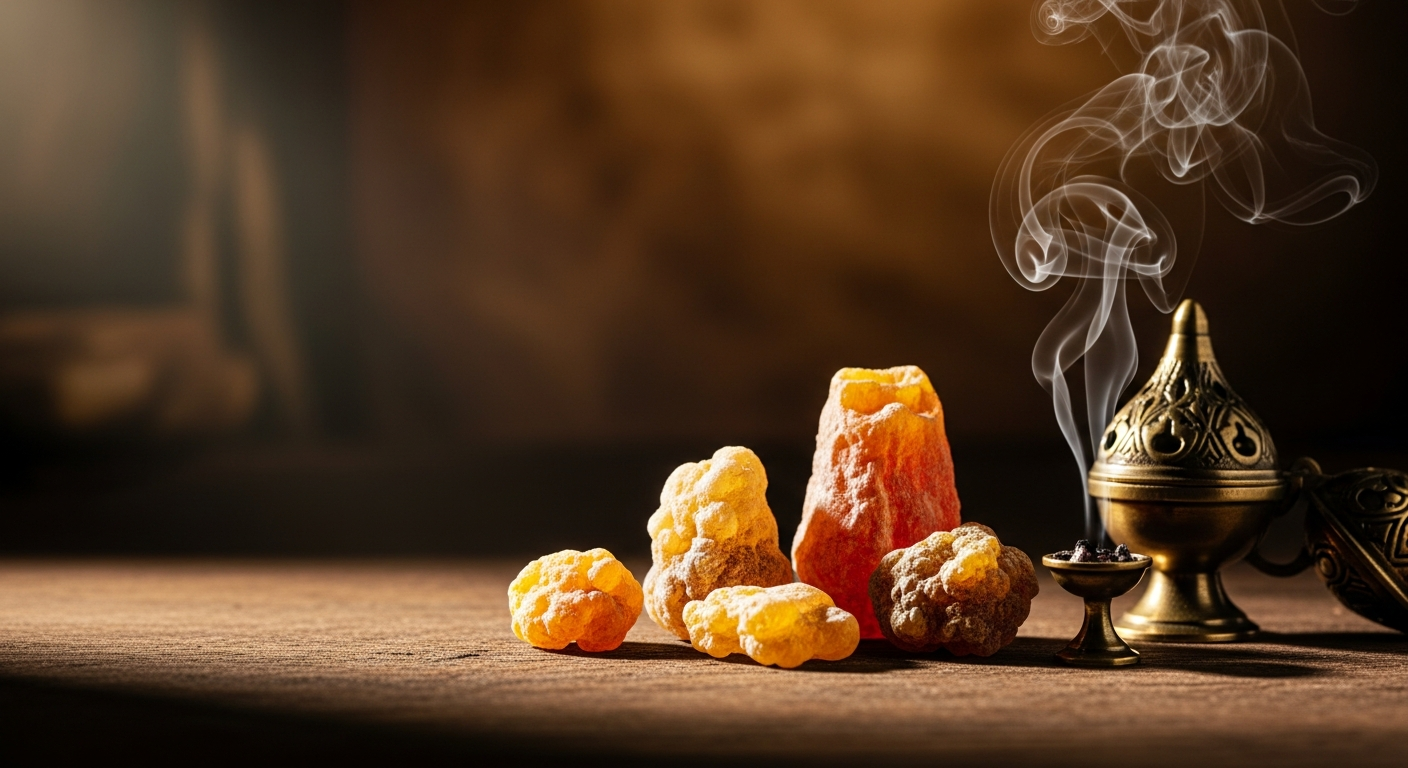
For over 5,000 years, frankincense has been revered as one of the most sacred substances on Earth. This aromatic resin, once more valuable than gold, has woven itself through the fabric of human spirituality, connecting ancient civilizations to the divine and continuing to inspire seekers in our modern world. From the temples of ancient Egypt to contemporary meditation practices, sacred frankincense remains a bridge between the earthly and the ethereal.
Key Takeaways
- Frankincense has been considered sacred across multiple religious traditions for millennia
- The resin's unique chemical composition may support meditative states and spiritual practices
- Archaeological evidence reveals frankincense trade routes shaped ancient civilizations
- Modern spiritual practitioners continue to value frankincense for its traditional associations with prayer and contemplation
- Understanding proper sourcing and quality helps preserve both tradition and sustainability
Table of Contents
- The Ancient Origins of Sacred Frankincense
- Frankincense Across Religious Traditions
- The Incense Road: How Frankincense Shaped Civilizations
- The Spiritual Properties and Symbolism
- Modern Spiritual Applications and Practices
- Types of Sacred Frankincense and Quality Considerations
- Preserving Tradition in the Modern World
- Why Sacred Frankincense Still Matters Today
The Ancient Origins of Sacred Frankincense
The story of sacred frankincense begins in the arid landscapes of the Arabian Peninsula and northeastern Africa, where the Boswellia trees have thrived for millennia. Archaeological evidence suggests that humans began harvesting and using frankincense as early as 3000 BCE, making it one of humanity's oldest recorded aromatic substances.
The Birthplace of Sacred Resin
The primary sources of the world's most prized frankincense remain concentrated in specific regions where environmental conditions create the perfect storm for resin production. Oman's Dhofar region, parts of Yemen, Somalia, and Ethiopia continue to produce the varieties that ancient peoples considered most sacred.
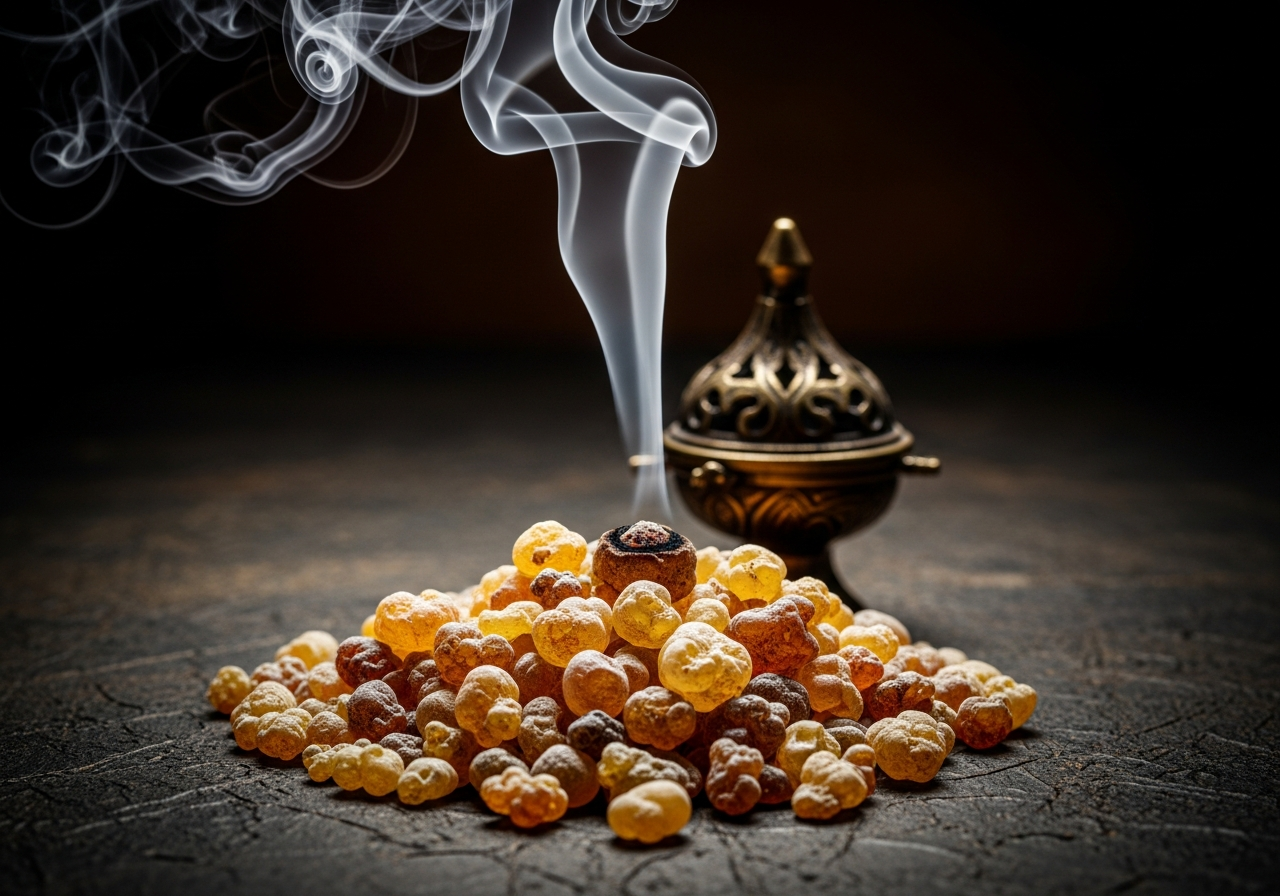
What made frankincense so revered in ancient times was not merely its pleasant aroma, but the mysterious process of its creation. Ancient peoples observed how the Boswellia trees, when wounded, would "bleed" aromatic tears that hardened into golden, translucent gems. This natural alchemy seemed nothing short of miraculous to civilizations seeking to understand the divine.
Early Spiritual Applications
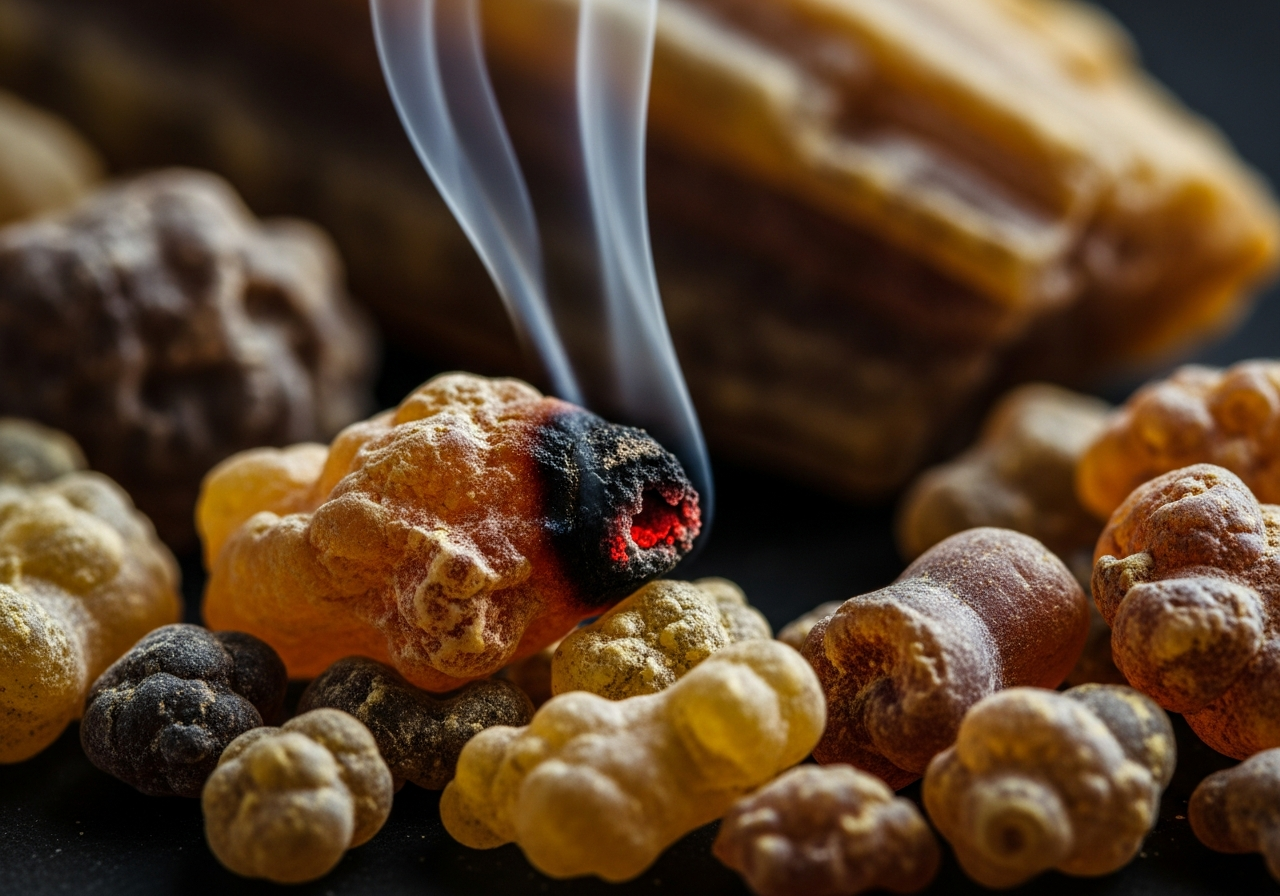
The earliest recorded uses of frankincense in spiritual contexts date back to ancient Mesopotamian civilizations. Cuneiform tablets from Babylon describe elaborate incense ceremonies where frankincense was burned to carry prayers to the heavens. The rising smoke was believed to create a bridge between the physical and spiritual realms.
Ancient Egyptian papyri reveal that frankincense played a crucial role in religious ceremonies, mummification processes, and daily temple rituals. The substance was so valued that it was included among the grave goods of pharaohs, ensuring their spiritual journey in the afterlife would be properly sanctified.
Frankincense Across Religious Traditions
Perhaps no other substance has maintained such consistent spiritual significance across diverse religious traditions as frankincense. Its universal appeal suggests something profound about how humans connect with the sacred through sensory experience.
Christianity and the Three Wise Men
The most famous reference to sacred frankincense in Christian tradition comes from the Gospel of Matthew, where the Magi present frankincense as one of three gifts to the infant Jesus. This gift carried deep symbolic meaning—while gold represented kingship and myrrh symbolized mortality, frankincense acknowledged divinity and the connection between heaven and earth.
Early Christian churches adopted frankincense use from earlier traditions, and it remains central to Orthodox, Catholic, and High Anglican liturgies today. The ceremonial censing with frankincense during Mass or Divine Liturgy continues traditions that stretch back nearly two millennia.
Ancient Egyptian Sacred Practices
In ancient Egypt, frankincense was known as "the fragrance of the gods." Temple records show that enormous quantities were burned daily in honor of Ra, Isis, and other deities. The famous expedition to the Land of Punt during Queen Hatshepsut's reign (circa 1458 BCE) was largely motivated by the desire to secure direct access to frankincense trees.
Egyptian priests developed sophisticated understanding of frankincense varieties and their appropriate ceremonial uses. Different grades were reserved for specific rituals, with the finest reserved for the most sacred ceremonies.
Islamic and Arabian Traditions
The Arabian Peninsula's role as frankincense's primary source naturally led to its integration into Islamic spiritual practices. While not explicitly mentioned in the Quran, frankincense has been used in Islamic contexts for purification rituals and to create sacred atmosphere during prayer and meditation.
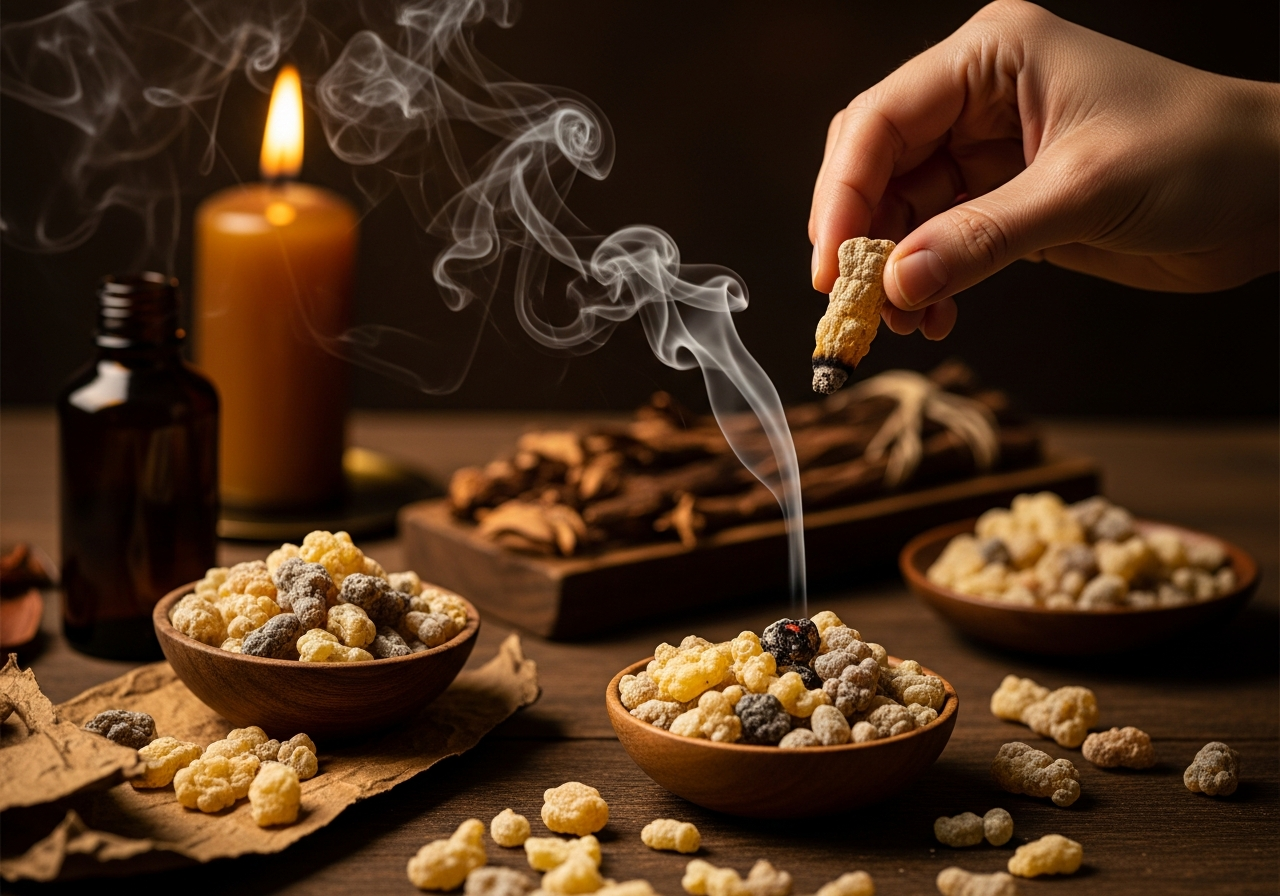
Traditional Arabian incense burning, known as "bakhoor," often incorporates frankincense as a central component. This practice continues today in homes and mosques throughout the Middle East, maintaining an unbroken link to ancient customs.
Eastern Spiritual Traditions
Buddhist and Hindu traditions, particularly those along ancient trade routes, also incorporated frankincense into their spiritual practices. In these contexts, frankincense is often combined with other resins and herbs to create complex incense blends designed to support specific meditative states.
Traditional Ayurvedic texts describe frankincense as having properties that may support mental clarity and spiritual awareness, though these should be understood as traditional beliefs rather than medical claims.
The Incense Road: How Frankincense Shaped Civilizations
The value placed on sacred frankincense created one of history's most important trade networks—the Incense Road. This complex system of routes connected the frankincense-producing regions of southern Arabia and northeastern Africa with markets throughout the ancient world.
Economic Impact of Sacred Resin
At its peak, frankincense commanded prices that rivaled precious metals. Roman historian Pliny the Elder noted that frankincense was so valuable that the regions controlling its trade became some of the wealthiest in the ancient world. The Nabataeans, who controlled key sections of the incense routes, built magnificent cities like Petra largely on frankincense wealth.
This economic power derived from frankincense's unique combination of limited supply, universal demand, and spiritual significance. Unlike other luxury goods that served primarily secular purposes, frankincense was considered essential for proper religious observance across cultures.
Cultural Exchange Along the Routes
The frankincense trade facilitated more than economic exchange—it became a conduit for cultural and spiritual ideas. As merchants carried sacred frankincense from Arabia to Rome, Egypt, India, and beyond, they also carried religious concepts, artistic styles, and philosophical ideas.
Archaeological evidence along former incense routes reveals how frankincense-related rituals and beliefs spread and adapted to local cultures. Temples dedicated to Arabian deities appeared in Roman territories, while Roman ceremonial practices influenced Arabian religious customs.
The Spiritual Properties and Symbolism
Understanding why frankincense became so universally revered requires examining both its symbolic meanings and the experiential qualities that have made it central to spiritual practice for millennia.
Symbolic Meanings Across Cultures
Across diverse cultures, sacred frankincense has consistently symbolized several key spiritual concepts:
- Purification: The rising smoke is believed to cleanse spaces and spirits of negative influences
- Prayer and Devotion: The ascending fragrance carries intentions and prayers upward
- Divine Connection: Creates a bridge between earthly and heavenly realms
- Sacred Time: Marks ordinary moments as special and worthy of reverence
- Transformation: The burning process represents spiritual transformation and transcendence
The Psychology of Sacred Scent
Modern research into aromatherapy and neuroscience offers insights into why frankincense may have such profound effects on human consciousness. Some studies suggest that certain compounds in frankincense, particularly boswellic acids and incensole acetate, may influence brain chemistry in ways that could support meditative states.
However, it's important to note that these are preliminary research observations rather than established medical facts. The spiritual significance of frankincense likely derives from a complex interaction of psychological, cultural, and possibly neurochemical factors.
Ritual and Ceremonial Uses
Traditional uses of sacred frankincense in spiritual contexts typically involve:
- Space Cleansing: Burning frankincense to prepare sacred spaces for ceremony
- Meditation Support: Using the scent to deepen contemplative practices
- Prayer Enhancement: Incorporating frankincense into personal or communal prayer
- Seasonal Celebrations: Marking religious holidays and significant life events
- Healing Rituals: Traditional ceremonies focused on spiritual or emotional wellbeing
Modern Spiritual Applications and Practices
While rooted in ancient tradition, the use of sacred frankincense continues to evolve and adapt to contemporary spiritual needs and practices.
Contemporary Meditation Practices
Modern practitioners often incorporate frankincense into meditation practices, drawing on its traditional associations with spiritual awareness and inner peace. The scent may help practitioners create a sense of sacred space and focused attention, though individual experiences vary widely.
Some meditation teachers suggest that the ritual of burning frankincense can serve as a mindfulness anchor, helping practitioners transition from ordinary consciousness to a more contemplative state. The key is approaching such practices with respect for tradition while maintaining realistic expectations.
Interfaith and Secular Applications
Interestingly, sacred frankincense has found new relevance in interfaith dialogue and secular spiritual practices. Its presence across multiple religious traditions makes it a symbol of shared human longing for connection with something greater than ourselves.
Yoga studios, wellness centers, and spiritual retreat facilities often use frankincense to create atmosphere conducive to reflection and inner work. This represents a continuation of its ancient role as a facilitator of spiritual experience.
Home Spiritual Practices
Many individuals create personal sacred spaces in their homes using frankincense as a central element. These might include:
- Daily incense burning during prayer or meditation
- Seasonal ceremonies marking solstices or equinoxes
- Life transition rituals for births, deaths, or major changes
- Regular space clearing practices
- Study or contemplation of sacred texts accompanied by frankincense
Types of Sacred Frankincense and Quality Considerations
Understanding the different types and qualities of frankincense is essential for anyone seeking to incorporate this sacred substance into their spiritual practice with authenticity and respect.
Primary Varieties and Their Origins
Several species of Boswellia produce frankincense, each with distinct characteristics:
| Species | Origin | Characteristics | Traditional Uses |
|---|---|---|---|
| Boswellia sacra | Oman, Yemen | Sweet, citrusy, highly prized | Royal ceremonies, high holy days |
| Boswellia carterii | Somalia, Ethiopia | Classic frankincense aroma | General ceremonial use |
| Boswellia frereana | Somalia | Mild, lemony scent | Daily spiritual practices |
| Boswellia serrata | India | Woody, earthy aroma | Ayurvedic traditions |
Quality Grades and Selection
Traditional frankincense grading systems, still used today, categorize resin based on:
- Color: Ranging from pale yellow to deep amber, with lighter colors generally preferred
- Clarity: Translucent pieces are typically considered higher quality
- Size: Larger tears often command premium prices
- Purity: Absence of bark and other plant matter
- Origin: Specific regions and harvest seasons affect quality and price
Resin vs. Essential Oil Considerations
For spiritual purposes, practitioners often debate the merits of frankincense resin versus essential oil. Traditional practices typically emphasize resin burning, which releases the full spectrum of aromatic compounds and creates the visual element of rising smoke that many find spiritually significant.
Essential oils, while more convenient for some applications, represent a concentrated extract that may not provide the complete traditional experience. However, they can be valuable for personal application or when burning resin isn't practical.
Preserving Tradition in the Modern World
As interest in sacred frankincense continues in the modern world, questions of sustainability, authenticity, and cultural respect become increasingly important.
Sustainability Challenges
Many frankincense-producing regions face environmental and economic pressures that threaten traditional harvesting practices. Climate change, overexploitation, and political instability in key regions have raised concerns about the long-term availability of high-quality sacred frankincense.
Sustainable sourcing initiatives work with local communities to ensure that harvesting practices support both tree health and economic wellbeing for traditional producers. Consumers can support these efforts by choosing suppliers who demonstrate commitment to ethical sourcing.
Cultural Authenticity and Respect
As frankincense use spreads beyond its traditional cultural contexts, questions arise about appropriate use and cultural respect. Understanding the sacred significance of frankincense in its cultures of origin helps modern practitioners approach it with appropriate reverence.
This includes recognizing that frankincense is not merely a pleasant fragrance but a substance imbued with millennia of spiritual meaning and cultural significance. Approaching it with this understanding deepens both personal practice and cross-cultural respect.
Supporting Traditional Communities
Many of the world's finest frankincense varieties come from communities that have maintained traditional knowledge and practices for generations. Supporting fair trade and direct relationships with these producers helps preserve both the quality of the resin and the cultural traditions surrounding its harvest.
Why Sacred Frankincense Still Matters Today
In our increasingly digital and disconnected world, sacred frankincense offers something that many find deeply needed: a tangible connection to tradition, transcendence, and the sacred dimensions of human experience.
Bridging Ancient and Modern Spirituality
Sacred frankincense serves as a bridge between ancient wisdom and contemporary spiritual seeking. Its use connects modern practitioners to thousands of years of human spiritual experience while remaining relevant to current needs for meaning, peace, and transcendence.
The ritual aspects of preparing, burning, and experiencing frankincense provide grounding practices that can support spiritual development in ways that purely intellectual or digital approaches may not.
Creating Sacred Space in Secular Times
For many contemporary practitioners, frankincense helps transform ordinary spaces into sacred ones. This transformation occurs not through supernatural means, but through the psychological and cultural associations that help shift consciousness toward reverence and contemplation.
The practice of burning sacred frankincense can mark transitions between ordinary and sacred time, helping busy modern lives incorporate moments of reflection and spiritual awareness.
Universal Spiritual Language
Perhaps most significantly, sacred frankincense represents a universal spiritual language that transcends specific religious boundaries. Its use across cultures and traditions suggests something fundamental about human spiritual needs and the ways sensory experience can support spiritual development.
In an era of religious diversity and spiritual seeking, frankincense offers common ground—a shared recognition that certain substances and practices can help humans connect with dimensions of experience beyond the purely material.
Integration with Modern Wellness
Today's frankincense use often integrates with broader wellness and mindfulness practices. While maintaining respect for its sacred origins, practitioners may combine frankincense use with yoga, meditation, breathwork, or other contemporary spiritual practices.
This integration represents not a dilution of tradition but an evolution—showing how sacred substances can adapt to new contexts while maintaining their essential spiritual significance. Understanding both traditional uses and modern applications, including the relationship between frankincense and other sacred resins like myrrh, enriches contemporary practice.
Conclusion: The Eternal Flame of Sacred Frankincense
Sacred frankincense has maintained its spiritual significance across five millennia not through accident, but because it addresses fundamental human needs for connection, transcendence, and meaning. From ancient temple ceremonies to contemporary meditation practices, this remarkable resin continues to serve as a bridge between the material and spiritual worlds.
Its history teaches us about the universality of human spiritual longing and the ways that simple natural substances can carry profound meaning. Its continued relevance suggests that no matter how much our world changes, certain essential aspects of human spiritual experience remain constant.
As we navigate the complexities of modern life, sacred frankincense offers both anchor and inspiration—connecting us to wisdom traditions while supporting contemporary spiritual development. Whether used in traditional religious contexts or personal spiritual practice, frankincense reminds us that the sacred is accessible through mindful engagement with the gifts of the natural world.
The story of sacred frankincense is ultimately the story of humanity's persistent quest for connection with something greater than ourselves. In its golden tears and rising smoke, we find reflected our own longing for transcendence, transformation, and the divine touch that makes ordinary moments sacred.
Note: This article provides historical and cultural information about frankincense traditions. Individual experiences may vary, and readers interested in specific spiritual or wellness practices should consult qualified practitioners in their tradition of interest.