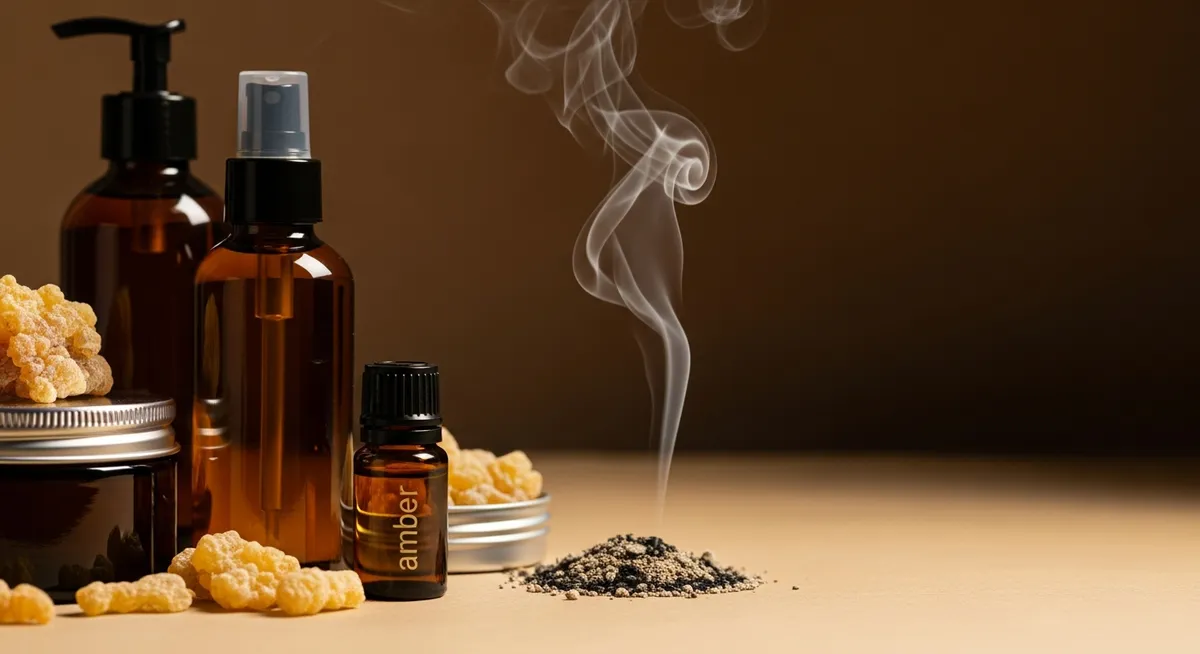
Neat Application of Frankincense: Why Undiluted Use Is Almost Never a Good Idea
In the world of essential oils, few myths persist as stubbornly as the belief that frankincense can—and should—be applied "neat" (undiluted) to the skin. This misconception has spread through social media, well-meaning friends, and even some aromatherapy circles, creating a dangerous precedent that puts users at unnecessary risk.
While frankincense (Boswellia species) has been treasured for millennia for its aromatic and traditional uses, modern safety science tells a different story about undiluted application. Let's examine the most common myths surrounding frankincense neat application and uncover the evidence-based truth that every essential oil enthusiast needs to know.
Myth #1: "Frankincense Is So Gentle, It Can Always Be Used Neat"
The Myth
Perhaps the most pervasive belief is that frankincense essential oil is inherently mild enough for direct skin application without any carrier oil. Proponents of this myth often point to frankincense's traditional reputation and claim that its "gentle nature" makes dilution unnecessary.
The Truth
Research indicates that all essential oils, including frankincense, are highly concentrated plant extracts that can cause skin sensitization and irritation when applied undiluted. A study published in the International Journal of Toxicology found that even oils traditionally considered "mild" can trigger contact dermatitis when used neat, particularly with repeated exposure.
Evidence suggests that frankincense essential oil contains several compounds, including alpha-pinene and limonene, that may cause allergic reactions in sensitive individuals. The International Fragrance Association (IFRA) has established concentration limits for these compounds specifically because of their sensitization potential.
Why This Myth Exists
This misconception likely stems from frankincense's historical use in religious and cultural ceremonies, where the resin (not the concentrated essential oil) was burned or used in preparations that were naturally diluted. The leap from traditional resin use to modern essential oil application represents a fundamental misunderstanding of concentration levels and extraction methods.
Myth #2: "A Few Drops of Neat Frankincense Won't Hurt"
The Myth
Many people believe that small amounts of undiluted frankincense—just a drop or two—are harmless and won't cause adverse reactions. This "minimal exposure" argument suggests that quantity alone determines safety.
The Truth
Dermatological research suggests that sensitization can occur even with minimal exposure to undiluted essential oils. A single drop of neat frankincense oil contains hundreds of volatile organic compounds in concentrations far exceeding what the skin naturally encounters.
Studies indicate that skin sensitization follows a cumulative pattern—meaning that even small, repeated exposures to undiluted oils may increase the likelihood of developing contact allergies over time. The European Centre for Ecotoxicology and Toxicology of Chemicals notes that sensitization thresholds vary significantly among individuals, making it impossible to predict "safe" amounts for neat application.
Why This Myth Exists
This belief often develops because immediate reactions don't always occur. Some people can use neat oils once or twice without obvious problems, leading them to conclude the practice is safe. However, sensitization can develop gradually, and reactions may not appear until after multiple exposures.
Myth #3: "Expensive, High-Quality Frankincense Is Safe to Use Neat"
The Myth
Another common misconception suggests that premium, therapeutic-grade frankincense oils are somehow exempt from dilution requirements. The logic assumes that higher quality equals inherent safety for direct application.
The Truth
Quality and concentration are separate factors entirely. Research suggests that even the highest-grade frankincense essential oils maintain their potent molecular structure and concentration levels. A pure, high-quality oil may actually be more likely to cause sensitization because it contains higher concentrations of active compounds without adulterants that might dilute its potency.
Chemical analysis shows that premium frankincense oils often contain 60-80% boswellic acid derivatives and other bioactive compounds—concentrations that far exceed what human skin can safely process without dilution. Quality testing focuses on purity and potency, not on making oils gentler for neat application.
Why This Myth Exists
Marketing language around "therapeutic grade" or "pure" oils sometimes implies enhanced safety, when in fact these terms primarily refer to quality standards rather than application safety. (See: NIH — Boswellia Research.) The conflation of quality with gentleness has led many consumers to believe that expensive oils come with fewer safety requirements.
Myth #4: "Traditional Use Proves Neat Application Is Safe"
The Myth
Advocates of neat application often cite thousands of years of traditional frankincense use as evidence that undiluted application is historically validated and therefore safe.
The Truth
Historical evidence indicates that traditional frankincense preparations were rarely, if ever, used in the concentrated form we know as essential oil today. Ancient cultures typically used frankincense resin in diluted preparations—mixed with carrier oils, dissolved in wine, or burned as incense.
Archaeological studies suggest that traditional extraction methods produced much lower concentrations of active compounds compared to modern steam distillation. A traditional oil-infused preparation might contain 1-5% of the active compounds found in today's essential oils, representing a natural dilution that modern neat application completely bypasses.
Why This Myth Exists
The appeal to tradition logical fallacy assumes that historical use patterns directly translate to modern essential oil safety. This myth also benefits from survivorship bias—we only hear about traditional uses that didn't cause immediate, severe harm, not about adverse reactions that may have occurred but weren't documented.
The Science of Proper Dilution
Research consistently supports dilution as the cornerstone of essential oil safety. Studies indicate that appropriate dilution ratios for frankincense typically range from 0.5% to 3% for topical application, depending on the intended use and individual sensitivity levels.
Evidence suggests that proper dilution not only reduces the risk of adverse reactions but may actually enhance the oil's beneficial properties by improving skin absorption and reducing volatile compound loss through evaporation. For comprehensive guidance on safe dilution practices, consult our detailed frankincense dilution guide.
"The concentration makes the poison." - Paracelsus, 16th-century physician
Safe Application Alternatives
Rather than risking neat application, consider these evidence-based alternatives:
- Carrier oil blends: Mix frankincense with high-quality carrier oils like jojoba, fractionated coconut oil, or sweet almond oil
- Aromatherapy diffusion: Enjoy frankincense's aromatic properties without skin contact risks
- Patch testing: Always test diluted preparations on a small skin area before broader use
- Professional consultation: Work with qualified aromatherapists who understand proper dilution ratios
Recognizing and Responding to Adverse Reactions
If you've used neat frankincense and experience symptoms like redness, burning, itching, or rash, discontinue use immediately and cleanse the area with a fatty carrier oil (not water, which can drive oil deeper into skin). Severe reactions warrant immediate medical attention.
For comprehensive safety information, including contraindications and special considerations, refer to our complete frankincense safety guide.
Conclusion: Embracing Safe Essential Oil Practices
While frankincense essential oil offers remarkable aromatic and traditional benefits, neat application represents an unnecessary risk that modern safety science strongly advises against. The evidence consistently shows that proper dilution enhances both safety and efficacy, making it a win-win practice for essential oil enthusiasts.
By debunking these persistent myths and embracing evidence-based practices, we honor both frankincense's ancient legacy and our modern understanding of safe application methods. Remember: respecting the power of concentrated plant essences through proper dilution isn't limiting their potential—it's unleashing it safely.
Always consult with a qualified healthcare provider before using essential oils, especially if you have sensitive skin, allergies, or underlying health conditions. This information is for educational purposes only and is not intended to diagnose, treat, cure, or prevent any disease.
Shop Frankincense Essential Oil
Diluted properly, a little pure oil goes a long way — one of our 0.5 oz single-origin bottles lasts months.
Shop Frankincense Oil →