Limonene in Frankincense: Mood Enhancement and Immune Support in Every Drop
Deep within the aromatic complexity of frankincense essential oil lies a powerful monoterpene that has captivated researchers and aromatherapy enthusiasts alike. Limonene, comprising up to 15% of certain frankincense varieties, represents one of nature's most studied aromatic compounds, traditionally revered for its uplifting properties and increasingly examined for its potential biological activities.
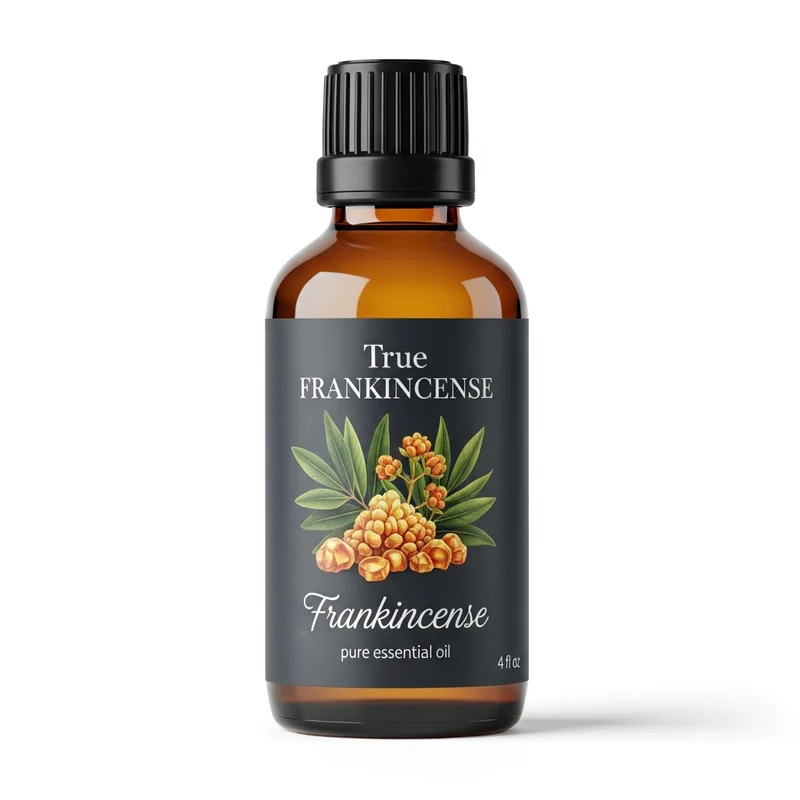
Frankincense Essential Oil
Six single-origin frankincense varieties, steam-distilled and GC/MS verified.
From $12.99
Shop Frankincense Oil →This citrus-scented molecule, familiar from orange peels yet remarkably present in the sacred resin of Boswellia trees, exemplifies the sophisticated chemical artistry found in authentic frankincense. As we explore the scientific observations surrounding limonene frankincense, we uncover a fascinating intersection where ancient wisdom meets modern molecular understanding.
The Chemical Architecture of Limonene
Limonene (C₁₀H₁₆) belongs to the monoterpene family, characterized by its distinctive ten-carbon skeleton arranged in a cyclohexene ring structure. Within frankincense essential oil, limonene exists primarily in its D-(+) configuration, the same enantiomer responsible for the bright, effervescent aroma of citrus fruits.
The concentration of limonene in frankincense varies significantly based on several factors:
- Species variation: Boswellia carterii typically contains 8-15% limonene, while Boswellia serrata may contain 3-12%
- Harvesting season: Spring harvests often yield higher limonene concentrations
- Distillation methods: Steam distillation at optimal temperatures preserves limonene integrity
- Storage conditions: Light and heat exposure can degrade limonene content over time
The molecular structure of limonene includes a double bond that makes it particularly reactive with oxygen, contributing to both its aromatic volatility and its sensitivity to environmental conditions. This reactivity also influences how limonene interacts with biological systems, though research in this area remains observational rather than conclusive.
Research Observations on Limonene's Biological Activities
Scientific investigation into limonene has yielded intriguing observations across multiple research domains. While these studies provide valuable insights, it's important to note that research findings represent preliminary observations rather than established medical facts.
Mood and Cognitive Function Studies
Some research suggests that limonene may influence neurotransmitter systems associated with mood regulation. A 2019 study published in Behavioural Brain Research observed that inhaled limonene appeared to modulate serotonin and dopamine levels in animal models, though researchers emphasize the preliminary nature of these findings.
Additional observations include:
- Potential anxiolytic-like effects in laboratory settings, as noted in several rodent studies
- Possible influence on stress hormone levels, though human studies remain limited
- Anecdotal reports from aromatherapy practitioners regarding mood support, though these lack controlled study validation
These observations have led some researchers to explore connections between frankincense for anxiety support, though much work remains to be done in human clinical trials.
Immune System Research
Laboratory studies have examined limonene's potential interactions with immune system components. Research published in Phytotherapy Research suggested that limonene might influence certain immune cell activities in vitro, though translating these findings to real-world applications requires considerable caution.
Key research observations include:
- Potential modulation of inflammatory markers in cell culture studies
- Possible influence on natural killer cell activity, as observed in some preliminary research
- Antioxidant properties demonstrated in laboratory assays, though biological relevance remains unclear
These preliminary findings have sparked interest in broader frankincense immunity research, though scientists emphasize that laboratory observations don't necessarily predict human health outcomes.
Cellular and Molecular Studies
At the cellular level, researchers have observed various interactions between limonene and biological systems. Some studies suggest potential effects on cellular signaling pathways, though the clinical significance of these observations remains to be determined.
Notable research observations include:
- Potential influence on phase II detoxification enzymes in liver cell studies
- Observed interactions with certain receptor systems in laboratory models
- Possible effects on cellular membrane stability, as suggested by in vitro research
While these findings are scientifically intriguing, researchers consistently emphasize the preliminary nature of such work and the need for extensive human studies before drawing meaningful conclusions.
Synergistic Interactions Within Frankincense
Limonene doesn't exist in isolation within frankincense essential oil. Rather, it forms part of a complex aromatic symphony that includes other significant compounds such as boswellic acids, α-pinene, and β-caryophyllene. This complexity may contribute to what aromatherapists call the "entourage effect," though scientific validation of such interactions remains limited.
The relationship between limonene and boswellic acids represents a particularly fascinating area of study. Some researchers hypothesize that these compounds may work synergistically, though concrete evidence for such interactions remains elusive.
Potential synergistic relationships include:
- Enhanced bioavailability when multiple terpenes are present together
- Complementary aromatic effects that may influence olfactory responses
- Possible protective effects of limonene on other sensitive compounds
Quality Assessment and Sourcing Considerations
Understanding limonene content serves as a valuable indicator of frankincense quality and authenticity. (See: NIH — Boswellia Research.) Sophisticated analytical techniques allow for precise measurement of limonene concentrations, providing insights into both the oil's origin and its potential aromatic properties.
Analytical Methods
Gas chromatography-mass spectrometry (GC-MS) represents the gold standard for limonene analysis in frankincense. Quality suppliers should provide detailed analytical reports showing:
- Precise limonene percentages
- Enantiomeric ratios (D-limonene vs. L-limonene)
- Absence of synthetic additives or adulterants
- Oxidation products that indicate age or storage issues
Sourcing Quality Indicators
Several factors indicate high-quality limonene content in frankincense:
| Quality Indicator | Optimal Range/Characteristic |
|---|---|
| Limonene Content | 8-15% for premium grades |
| Optical Activity | Predominantly D-(+) enantiomer |
| Freshness Markers | Low oxidation product levels |
| Species Verification | Consistent with declared Boswellia species |
Safety Profile and Usage Considerations
While limonene is generally recognized as safe by regulatory agencies, proper understanding of its safety profile remains essential for responsible use. The compound's reactive nature and potent aromatic properties require careful consideration of concentration and application methods.
Skin Sensitivity Considerations
Limonene is classified as a potential allergen under EU cosmetics regulations, requiring declaration on product labels when present above certain concentrations. This classification stems from its potential to cause sensitization in susceptible individuals, particularly through repeated exposure.
Safety considerations include:
- Oxidation products: Aged limonene may form allergenic compounds
- Concentration limits: Undiluted frankincense should be used with caution on skin
- Individual sensitivity: Some people may be more susceptible to limonene reactions
- Photosensitivity: Though less common than with citrus oils, some caution with sun exposure is advisable
Proper Dilution Guidelines
When using frankincense essential oil containing limonene topically, proper dilution is crucial:
- Facial application: 0.5-1% dilution (3-6 drops per ounce of carrier oil)
- Body application: 1-3% dilution (6-18 drops per ounce of carrier oil)
- Patch testing: Always test diluted oil on a small skin area first
- Avoid mucous membranes: Keep away from eyes, inner nose, and other sensitive areas
Contraindications and Special Populations
Certain populations should exercise additional caution with limonene-containing frankincense:
- Pregnant and nursing women: Consult healthcare providers before use
- Children under 6: Use only under professional guidance with appropriate dilution
- Individuals with citrus allergies: May show cross-reactivity to limonene
- Those with compromised skin barriers: Increased absorption risk requires extra caution
Storage and Preservation of Limonene Content
Maximizing the limonene content and preventing degradation requires careful attention to storage conditions. The compound's susceptibility to oxidation makes proper storage essential for maintaining both aromatic quality and potential beneficial properties.
Optimal Storage Conditions
- Temperature: Store below 70°F (21°C) to minimize degradation
- Light protection: Dark glass bottles prevent photodegradation
- Oxygen exposure: Minimize air contact by keeping bottles tightly sealed
- Humidity control: Store in dry conditions to prevent hydrolysis
Signs of Limonene Degradation
Several indicators suggest limonene breakdown:
- Loss of bright, citrusy top notes
- Development of harsh or solvent-like odors
- Increased skin sensitivity reports
- Changes in oil color or consistency
Future Research Directions
The scientific exploration of limonene in frankincense continues to evolve, with researchers investigating new applications and mechanisms. Current research gaps present opportunities for deeper understanding of this fascinating compound.
Emerging research areas include:
- Human clinical trials examining aromatherapy applications
- Investigation of limonene metabolism and bioavailability
- Studies on synergistic effects with other frankincense compounds
- Environmental and sustainability research on Boswellia cultivation
Practical Applications and Usage Methods
Understanding limonene's properties can inform more effective use of frankincense essential oil. While avoiding medical claims, we can explore traditional applications and user-reported experiences with this aromatic compound.
Aromatherapy Applications
The limonene content in frankincense contributes to its traditional use in aromatherapy practices:
- Diffusion: 3-5 drops in a diffuser for ambient aromatherapy
- Inhalation: Direct inhalation from bottle or on tissue
- Meditation blends: Combined with other traditional oils for spiritual practices
- Room sprays: Diluted in water with dispersant for environmental use
Topical Applications
When properly diluted, limonene-containing frankincense may be used topically:
- Massage oils: Blended with carrier oils for skin application
- Bath additions: Mixed with Epsom salts or carrier oils before adding to bath water
- Skincare formulations: Incorporated into creams and lotions by experienced formulators
Conclusion: The Promise of Continued Discovery
Limonene in frankincense represents a compelling example of how traditional aromatic wisdom intersects with modern scientific inquiry. While research observations suggest intriguing possibilities for mood support and immune system interactions, the scientific community appropriately emphasizes the preliminary nature of these findings.
As we continue to explore the complex chemistry of frankincense, limonene serves as both a quality marker and a compound of significant research interest. Its presence in authentic frankincense oils provides not only aromatic complexity but also a tangible connection to the sophisticated molecular architecture that has made frankincense precious across millennia.
For those seeking to incorporate limonene-rich frankincense into their wellness practices, understanding its properties, safety considerations, and quality indicators provides a foundation for informed use. As always, consulting with qualified healthcare providers remains essential, especially for individuals with specific health concerns or sensitivities.
The story of limonene in frankincense continues to unfold, promising new discoveries while honoring the ancient reverence for this most sacred of aromatic resins. In every carefully distilled drop lies not just the potential for aromatic pleasure, but a window into the remarkable complexity of nature's pharmaceutical laboratory.
Frankincense Essential Oil
Serrata, carterii, sacra, frereana, neglecta and rivae: steam-distilled, GC/MS verified, in sizes from 0.5 oz to bulk.
From $12.99
Shop Frankincense Oil →