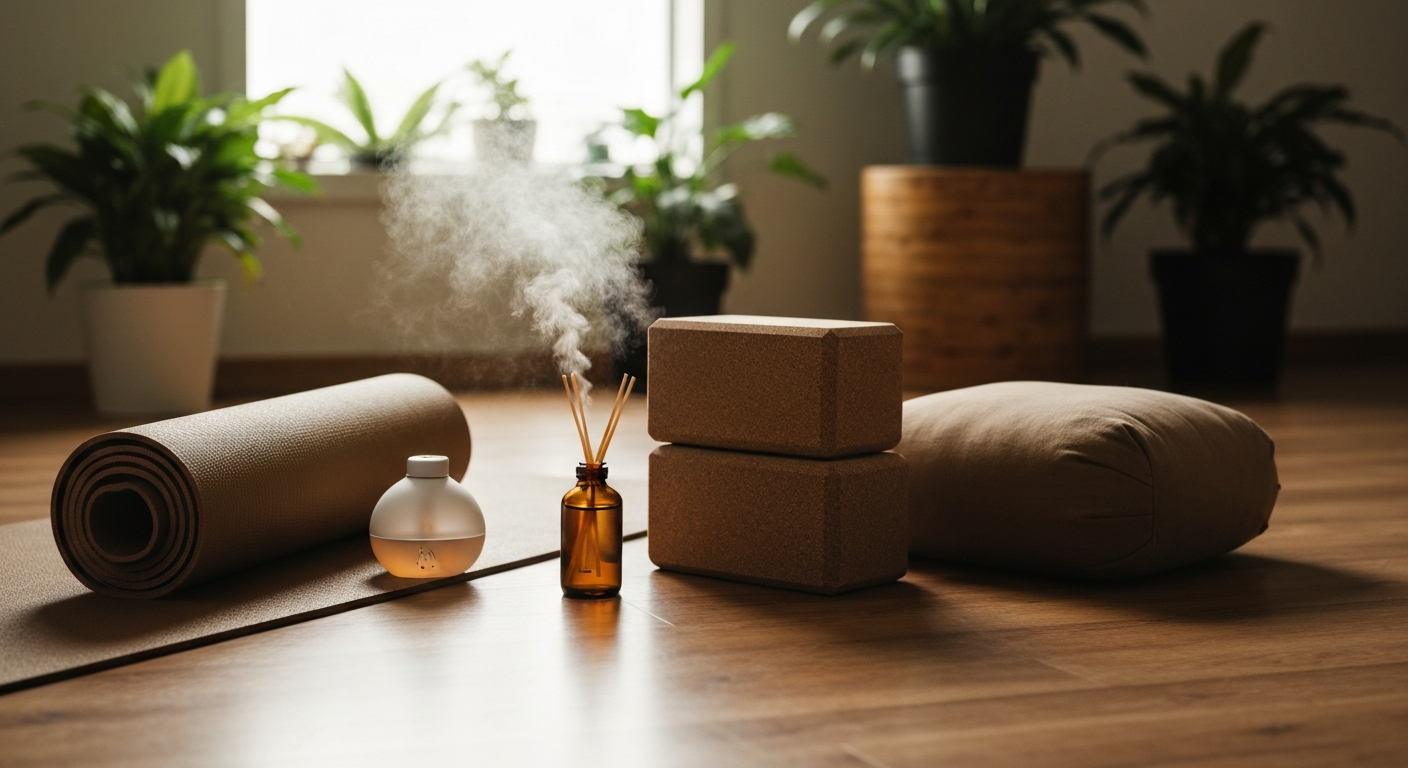
How to Use Frankincense Oil for Yoga and Breathwork
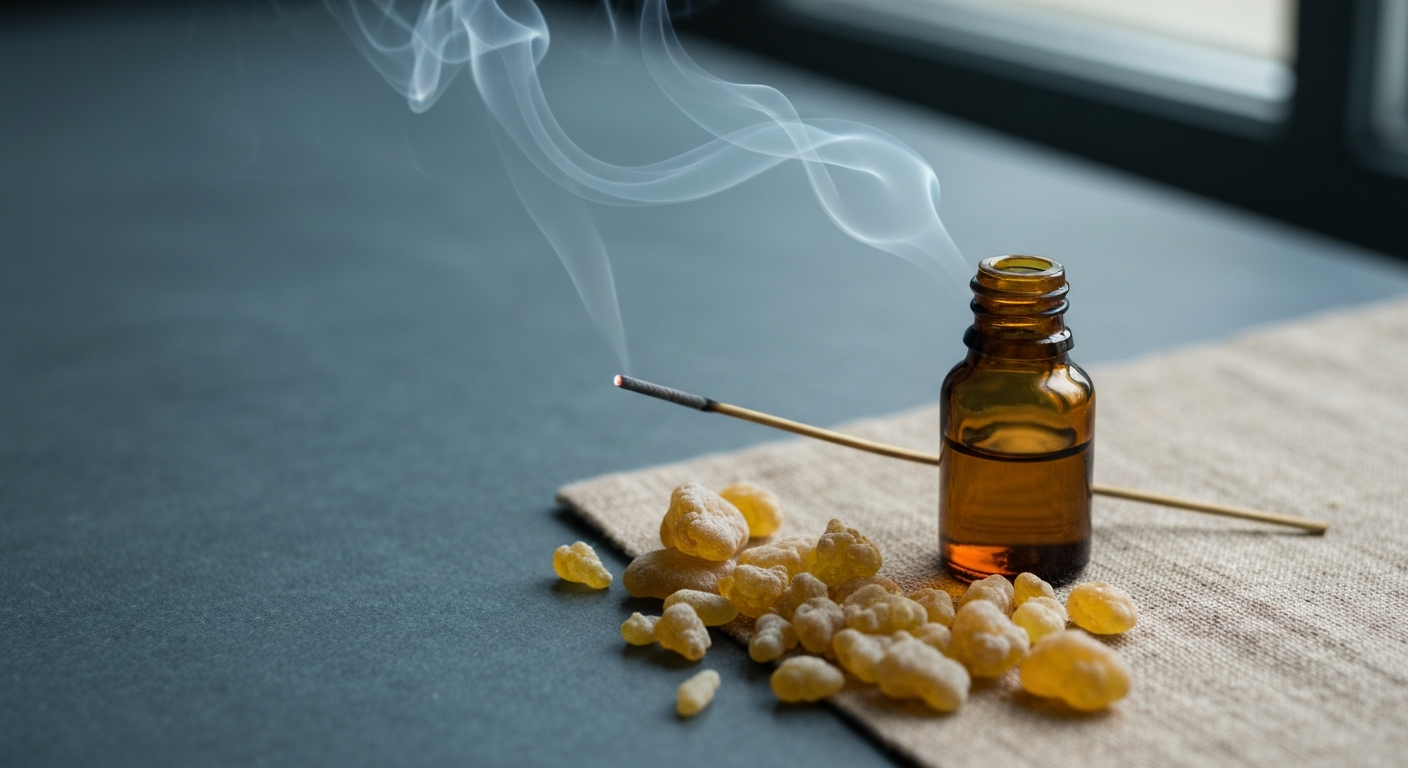
For millennia, frankincense has been revered as a sacred offering, its ethereal fragrance rising like prayers to connect the earthly and divine. Today, this ancient resin continues to hold profound significance in spiritual practices, with modern yoga practitioners discovering how frankincense yoga sessions can deepen their connection to breath and mindfulness.
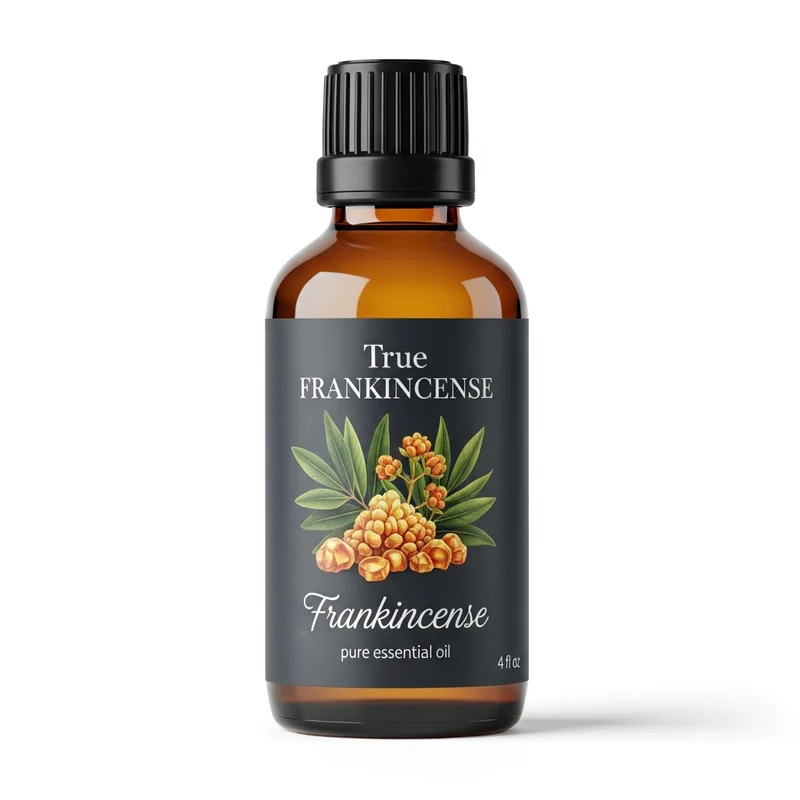
Frankincense Essential Oil
Six single-origin frankincense varieties, steam-distilled and GC/MS verified.
From $12.99
Shop Frankincense Oil →The aromatic compounds in frankincense essential oil, particularly alpha-pinene and limonene, may help create an atmosphere conducive to focused breathing and present-moment awareness. While individual experiences vary, many practitioners report that incorporating frankincense into their yoga routine helps establish a sacred space that supports their intention-setting and breathwork practices.
This comprehensive guide will walk you through safe, effective methods for integrating frankincense essential oil into your yoga and frankincense breathwork sessions, honoring both ancient wisdom and modern safety protocols.
Understanding Frankincense in Yogic Tradition
The relationship between frankincense and spiritual practice spans across cultures and centuries. In Ayurvedic tradition, frankincense (known as dhoop) has long been used to support meditation and pranayama practices. Some traditional texts suggest that certain aromatic substances may help practitioners achieve deeper states of concentration, though individual responses to aromatherapy can vary significantly.
Modern research into aromatherapy suggests that certain compounds found in frankincense oil, such as incensole and incensole acetate, may influence brain activity in ways that some people find supportive of meditative states. However, it's important to note that these are preliminary findings, and more research is needed to fully understand these mechanisms.
For those interested in deepening their understanding of frankincense in contemplative practices, our frankincense meditation guide offers additional insights into this ancient tradition.
Materials and Equipment Needed
Before beginning your essential oils for yoga practice journey, gather these essential materials:
Essential Supplies
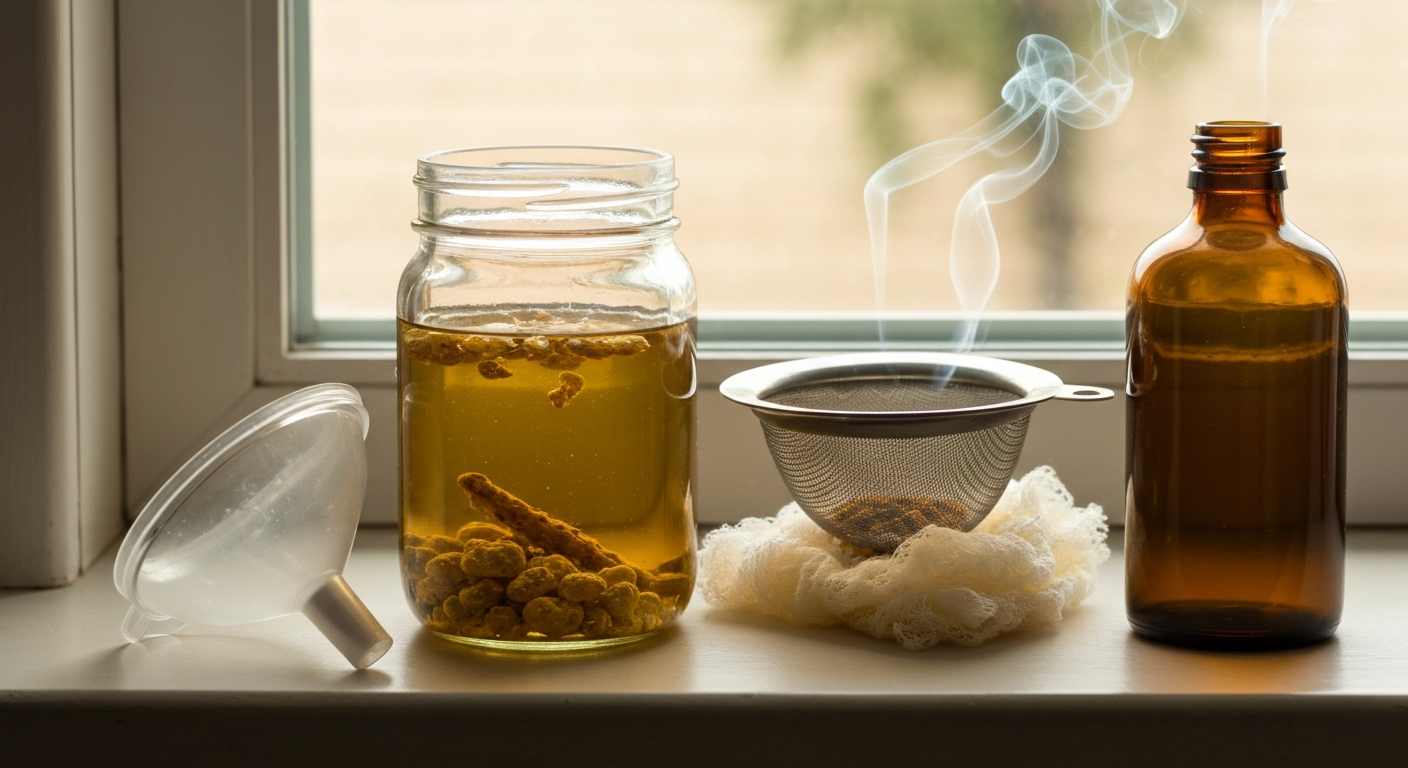
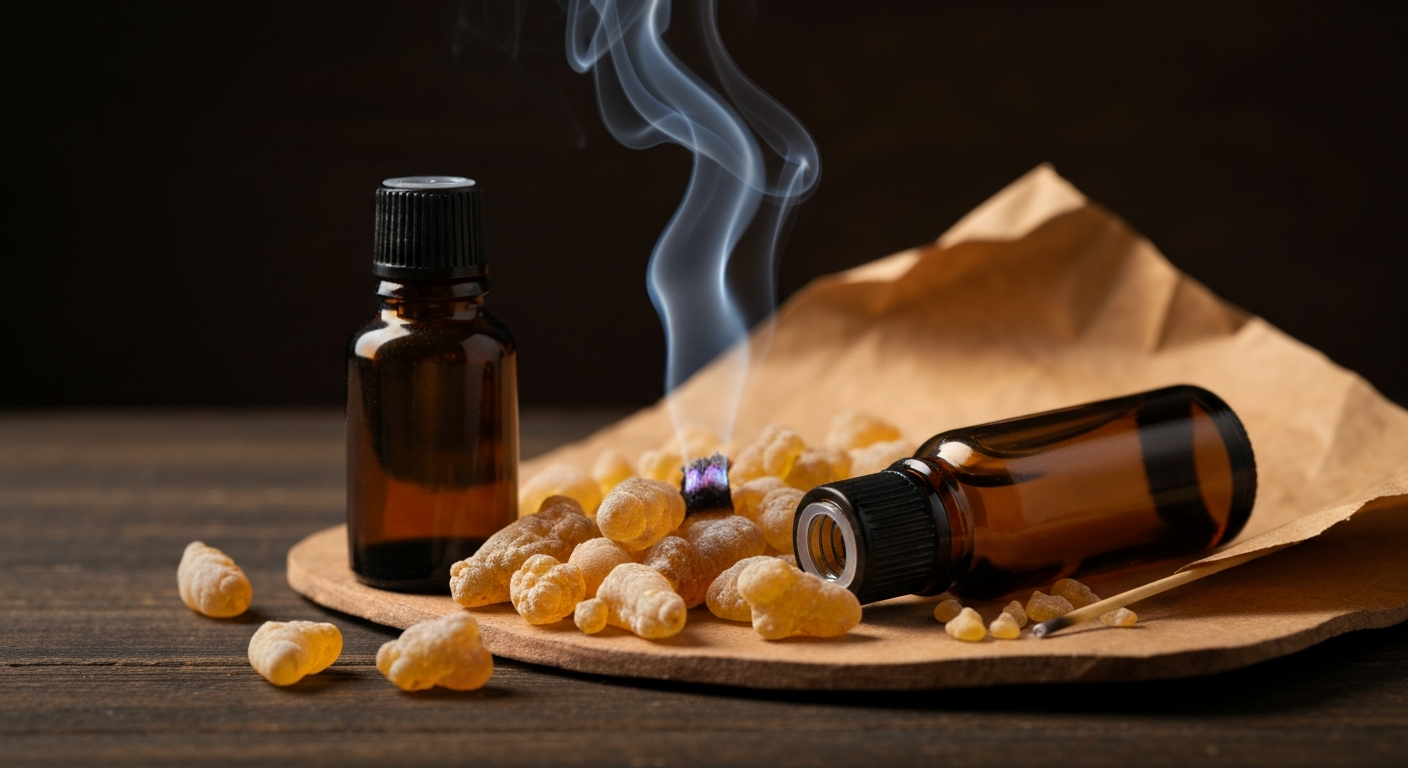
- High-quality frankincense essential oil - Look for 100% pure, therapeutic-grade oil from reputable sources
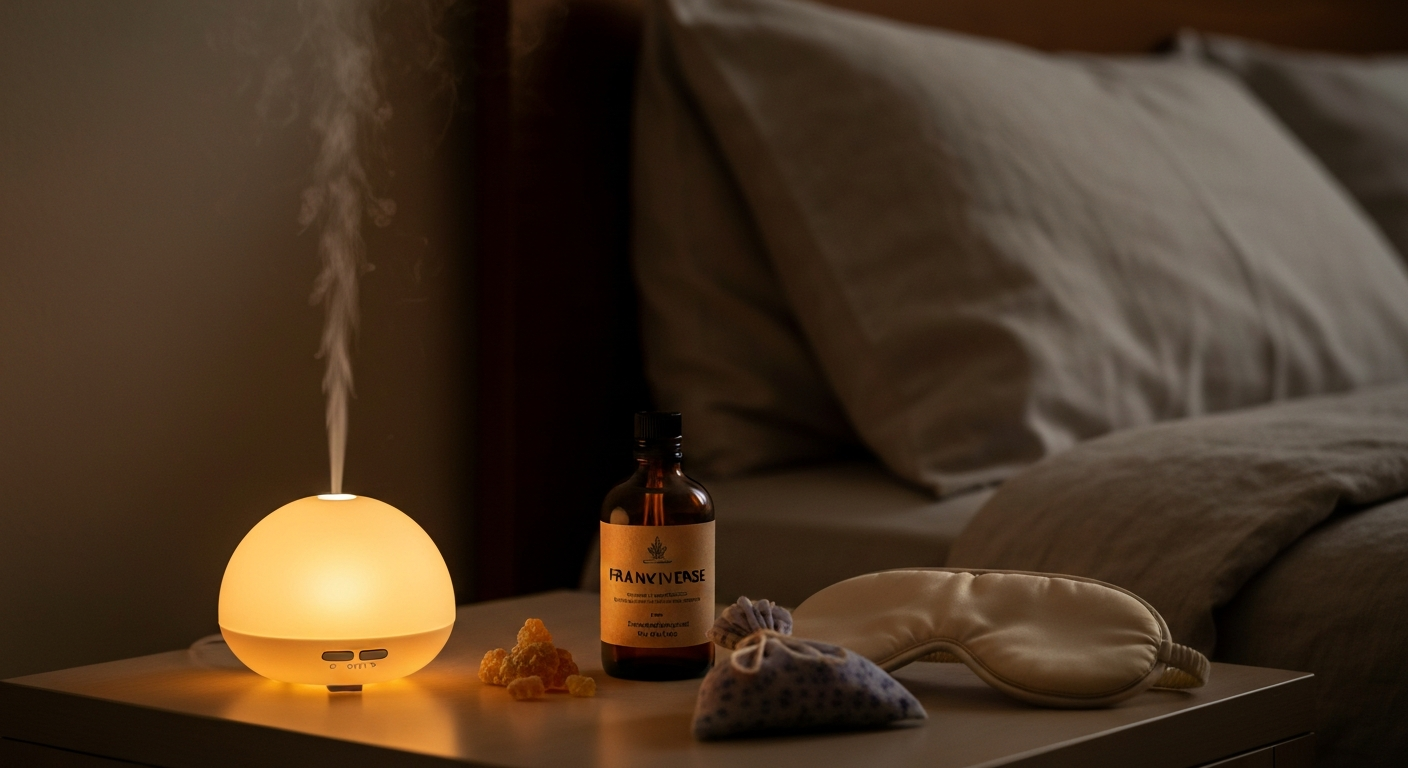
- Ultrasonic diffuser - Provides gentle, consistent aromatherapy without heat
- Carrier oil - Jojoba, coconut, or sweet almond oil for dilution (if using topically)
- Glass bottles - For creating diluted blends (2-4 oz amber or cobalt blue)
- Measuring tools - Graduated cylinder or measuring spoons for accurate dilution
Optional Enhancement Tools
- Cotton balls or aromatherapy inhalers for portable use
- Yoga mat spray bottle for room/mat scenting
- Small bowl for creating an aromatherapy station
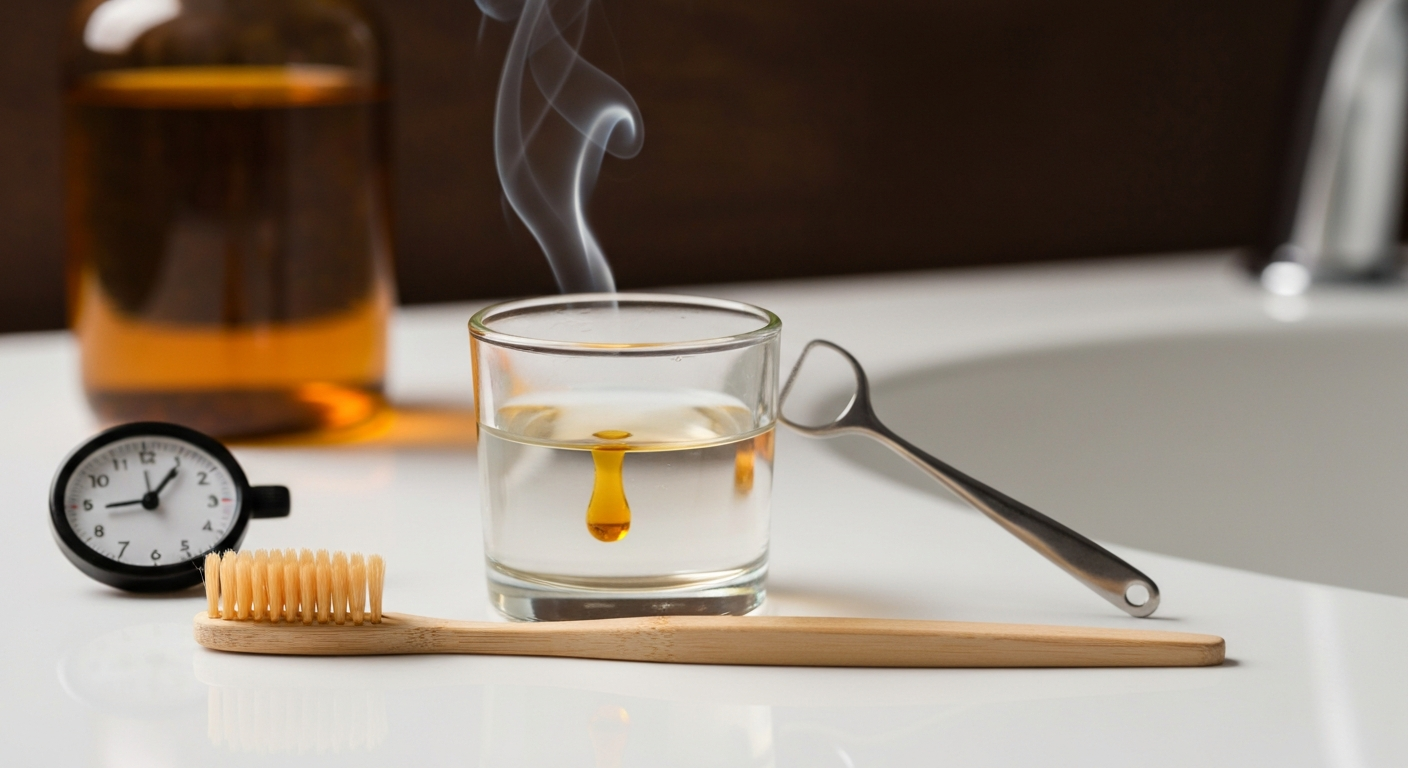
- Timer for breathwork sessions
- Journal for tracking your experiences
Safety Considerations and Dilution Guidelines
Before diving into techniques, understanding proper safety protocols is essential. Essential oils are highly concentrated plant extracts that require respectful handling.
General Safety Guidelines
- Never apply undiluted essential oils directly to skin - Always use proper carrier oil ratios
- Perform patch tests - Test diluted oil on a small skin area 24 hours before broader use
- Ensure adequate ventilation - Even beneficial aromatherapy should not overwhelm the space
- Start with minimal amounts - You can always add more, but removing excess is difficult
- Consult healthcare providers - Especially if pregnant, nursing, or managing health conditions
Proper Dilution Ratios
| Application Method | Dilution Ratio | Drops per Ounce |
|---|---|---|
| Topical (pulse points) | 1-2% | 6-12 drops |
| Room spray | 0.5-1% | 3-6 drops |
| Diffuser (standard room) | N/A | 3-5 drops total |
| Personal inhaler | N/A | 10-15 drops on wick |
Method 1: Diffusion for Yoga Practice
Diffusion represents the most accessible and gentle introduction to frankincense yoga practice. This method creates an ambient aromatic environment that may support focus and mindfulness.
Step-by-Step Diffusion Process
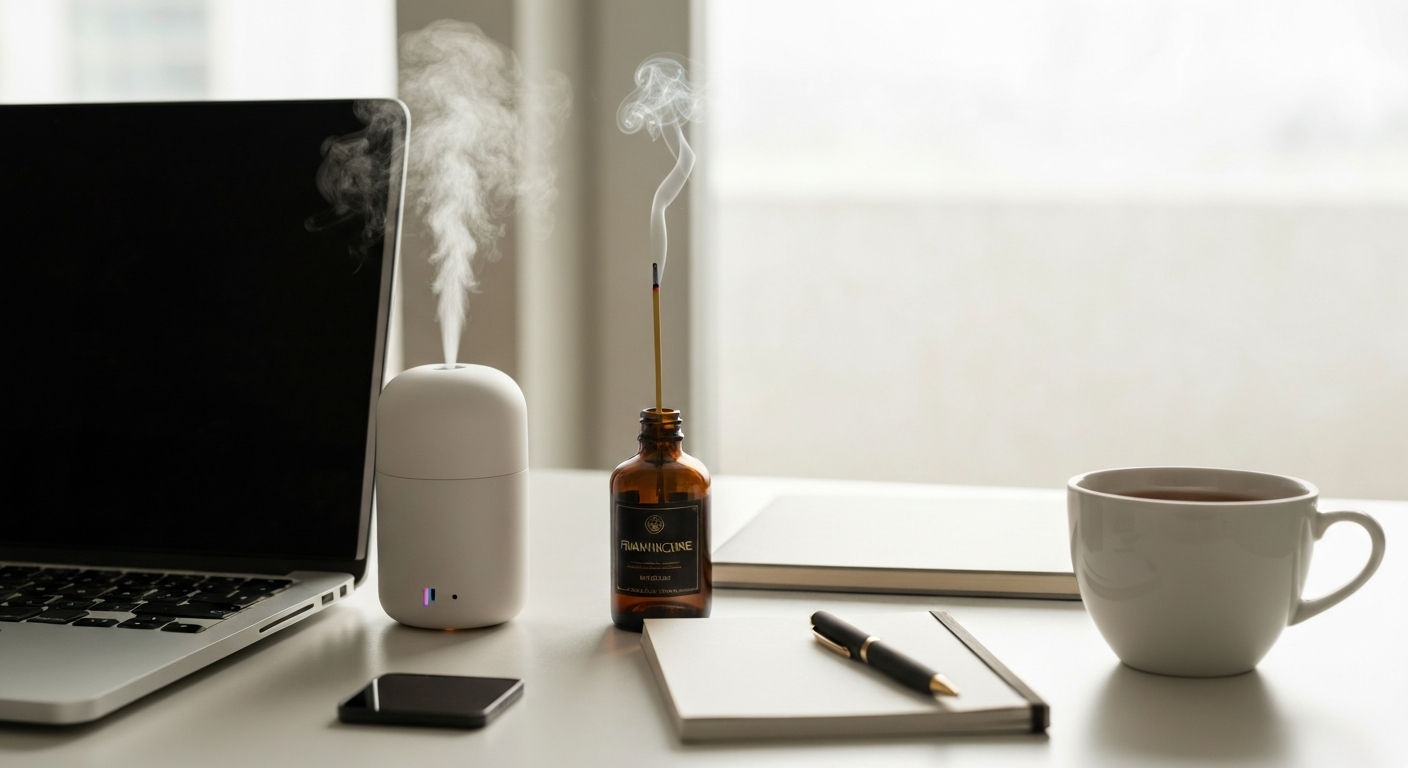
- Prepare your space - Set up your yoga mat in a well-ventilated area, ensuring your diffuser is positioned 3-6 feet away from your practice space.
- Fill the diffuser - Add clean, room-temperature water to the fill line, typically 100-150ml depending on your device.
- Add frankincense oil - Start with 3-4 drops for a standard-sized room (150-200 sq ft). For larger spaces, you may use up to 6 drops.
- Begin diffusion 5-10 minutes before practice - This allows the aroma to establish without being overwhelming when you begin your session.
- Adjust as needed - If the scent feels too strong, increase ventilation or reduce the amount for future sessions.
- Practice mindfully - As you move through your yoga sequence, notice how the aromatic environment affects your breath awareness and present-moment connection.
Timing Considerations
Most practitioners find that starting the diffuser 5-10 minutes before their practice allows the frankincense to create a subtle aromatic backdrop. For longer practices (60+ minutes), consider using an intermittent diffusion setting to prevent olfactory fatigue.
Method 2: Personal Inhalation for Breathwork
For focused frankincense breathwork sessions, personal inhalation techniques offer more concentrated aromatic experiences while maintaining safety and control.
Cotton Ball Inhalation Technique
- Prepare the inhaler - Place 2-3 drops of frankincense oil on a clean cotton ball or tissue.
- Position for breathwork - Sit comfortably in your preferred meditation posture, holding the cotton ball 6-8 inches from your nose.
- Establish natural breathing - Begin with your normal breath pattern, not forcing any particular technique.
- Introduce gentle inhalation - Bring the cotton ball closer during natural inhalations, allowing the frankincense aroma to accompany your breath.
- Practice conscious breathing - Continue your preferred pranayama technique (4-7-8 breathing, box breathing, or simple mindful breathing) while occasionally accessing the aromatic support.
- Conclude mindfully - Set the cotton ball aside and take several natural breaths to close your session.
Aromatherapy Inhaler Method
For regular practice, consider creating a personal aromatherapy inhaler:
- Assemble the inhaler - Use a blank aromatherapy inhaler with cotton wick.
- Add frankincense - Place 10-15 drops of frankincense oil directly onto the cotton wick.
- Assemble and label - Insert the wick, cap the inhaler, and label with contents and date.
- Use during breathwork - Hold one nostril closed and inhale gently through the other, alternating sides as feels comfortable.
Method 3: Diluted Topical Application
When properly diluted, frankincense oil may be applied to pulse points to create a personal aromatic experience throughout your practice.
Creating a Yoga Pulse Point Blend
- Choose your carrier oil - Jojoba oil absorbs well and has a long shelf life, making it ideal for this purpose.
- Calculate proper dilution - For a 1% dilution in a 1-ounce bottle, use 6 drops of frankincense oil.
- Combine ingredients - Add carrier oil to your glass bottle first, then add frankincense drops.
- Mix thoroughly - Cap the bottle and roll between your palms for 30 seconds to ensure proper blending.
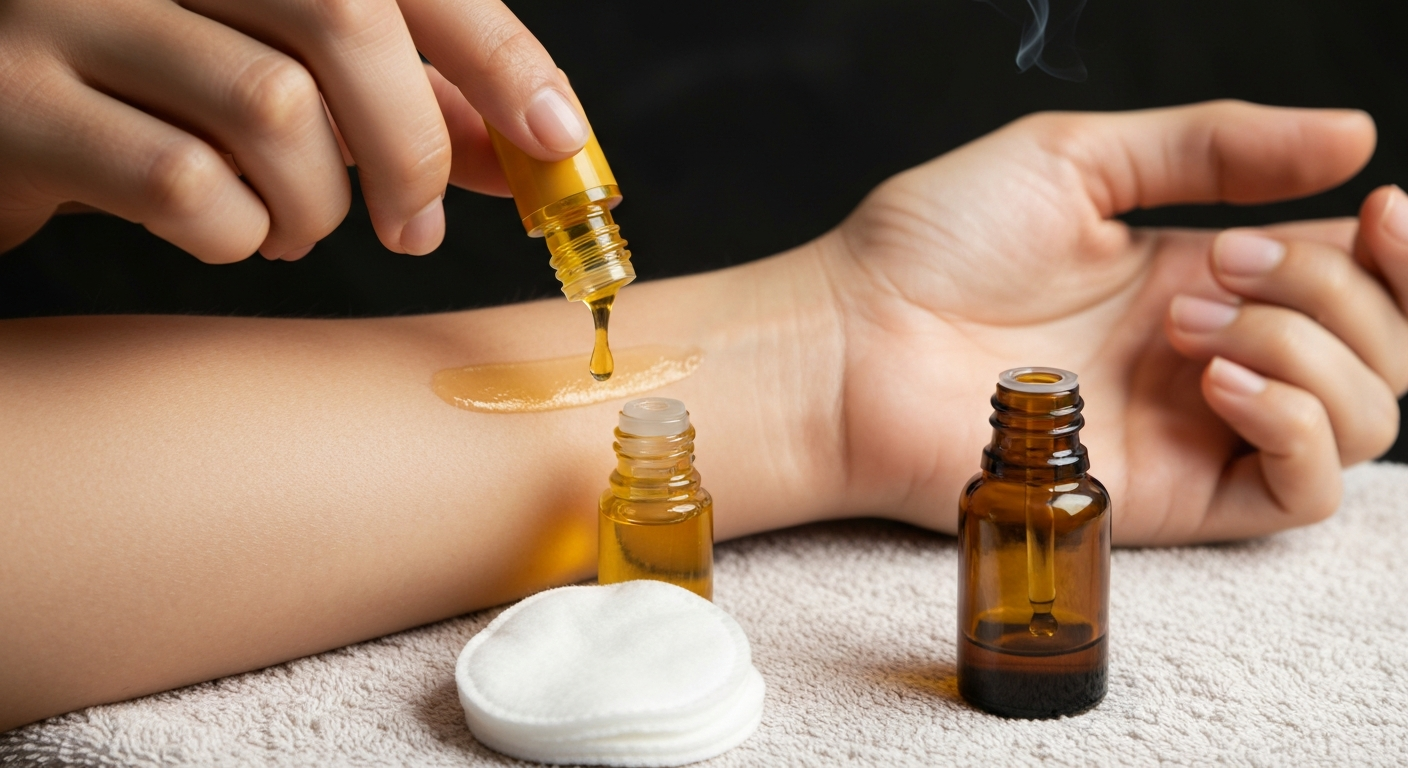
- Perform patch test - Apply a small amount to your inner wrist and wait 24 hours to check for any sensitivity.
- Apply mindfully - If the patch test shows no reaction, apply small amounts to wrists, temples, or behind ears 10-15 minutes before practice.
Method 4: Yoga Mat and Room Sprays
Creating a frankincense room spray allows you to establish your practice space's aromatic environment while being mindful of proper dilution and safety.
Frankincense Yoga Space Spray Recipe
- Gather materials - You'll need a 4-ounce glass spray bottle, distilled water, witch hazel, and frankincense oil.
- Create the base - Fill the bottle with 3 ounces distilled water and 1 ounce witch hazel (acts as an emulsifier).
- Add frankincense - For a 0.5% dilution, add 12 drops of frankincense essential oil.
- Shake well - Essential oils and water don't naturally mix, so thorough shaking before each use is essential.
- Test spray pattern - Practice spraying away from yourself to understand the spray's distribution.
- Apply to space - Spray lightly around your practice area 5-10 minutes before beginning, avoiding direct application to your mat's surface if it's made of certain materials.
Integrating Frankincense with Specific Yoga Practices
Different yoga styles and intentions may benefit from varied approaches to aromatic support. Here's how to adapt your frankincense use for specific practices:
Restorative and Yin Yoga
For slower, more meditative practices, gentle diffusion works exceptionally well. Start your diffuser 10 minutes before practice and consider using slightly more oil (4-5 drops) as these sessions tend to be longer. The sustained aromatic environment may support the deep relaxation these practices encourage.
Vinyasa and Dynamic Practices
For more active yoga styles, personal inhalation methods or pulse point application may be preferable to diffusion, as increased breathing rate during dynamic movement might make ambient aromatherapy feel overwhelming. A simple pulse point application 15 minutes before practice can provide subtle support without interfering with breath awareness.
Pranayama Sessions
Dedicated breathwork sessions pair beautifully with frankincense aromatherapy. The cotton ball method allows for the most flexibility, as you can adjust your exposure to the aroma based on your breathing technique and personal preference throughout the session.
Common Mistakes to Avoid
Even with the best intentions, practitioners sometimes encounter challenges when beginning their frankincense yoga journey. Here are common pitfalls and how to avoid them:
Overuse and Olfactory Fatigue
The mistake: Using too much oil or practicing in an over-scented environment.
The solution: Always start with less than you think you need. (See: NIH — Boswellia Research.) Your sense of smell adapts quickly, and what seems subtle at first may become perfect as your practice progresses.
Neglecting Individual Sensitivity
The mistake: Assuming that because frankincense is generally well-tolerated, everyone will respond the same way.
The solution: Always perform patch tests for topical applications and start with minimal amounts for any method. Some people may find even small amounts of frankincense too stimulating for their practice.
Inconsistent Quality
The mistake: Using low-quality or adulterated frankincense oils.
The solution: Invest in high-quality, pure frankincense essential oil from reputable suppliers. The aromatic and potential wellness-supporting properties depend significantly on oil purity and sourcing.
Ignoring Ventilation
The mistake: Practicing in poorly ventilated spaces with strong aromatherapy.
The solution: Ensure adequate fresh air circulation, especially when using diffusion methods. Even beneficial aromatherapy should enhance, not overwhelm, your practice environment.
What to Expect from Your Practice
When beginning to incorporate frankincense into your yoga and breathwork routine, it's important to maintain realistic expectations while remaining open to the subtle ways aromatherapy may support your practice.
Many practitioners report that frankincense helps them feel more grounded and centered as they begin their practice. Some find that the familiar scent serves as an anchor, helping signal to their mind and body that it's time to shift into a more mindful state. The aromatic experience may also support deeper breathing patterns, as pleasant scents can naturally encourage fuller inhalations.
However, individual responses vary significantly. While some people notice immediate effects from aromatherapy, others find that the benefits become apparent only after regular use over several weeks. Some practitioners discover that frankincense works better for them in certain contexts—perhaps more supportive during evening practices than morning ones, or more beneficial during restorative sessions than dynamic flows.
For those dealing with stress or anxiety, our guide on frankincense for anxiety provides additional context for understanding how aromatic practices may support emotional well-being.
Advanced Techniques and Blending
Once you've established a comfortable relationship with frankincense in your practice, you might explore more sophisticated applications:
Creating Intention-Based Blends
Consider blending frankincense with complementary oils for specific practice intentions:
- For grounding: Frankincense + cedarwood (2:1 ratio)
- For focus: Frankincense + rosemary (3:1 ratio)
- For heart opening: Frankincense + rose absolute (4:1 ratio, due to rose's intensity)
Always maintain proper total dilution ratios when blending, and introduce new oils gradually to assess your response.
Seasonal Practice Adaptations
Some practitioners find that their aromatherapy preferences shift with seasons. During colder months, slightly stronger frankincense concentrations might feel more supportive, while summer practices may call for lighter applications.
To deepen your understanding of frankincense aromatherapy beyond yoga applications, explore our comprehensive frankincense aromatherapy guide.
Maintaining Your Practice
Consistency in your aromatic yoga practice, like the physical practice itself, often yields the most meaningful results. Consider keeping a simple practice journal noting:
- Which application method you used
- The amount of oil and timing
- Your practice type and duration
- Any observations about your experience
- Environmental factors (room temperature, time of day, etc.)
This record-keeping can help you identify patterns and optimize your approach over time.
Remember that incorporating frankincense into your yoga and breathwork practice is ultimately about supporting your journey toward greater presence and well-being. While aromatic support can be a beautiful addition to your practice, the most profound benefits of yoga and pranayama come from consistent engagement with the practices themselves.
As you explore these ancient aromatic traditions within your modern yoga practice, approach the experience with the same mindfulness and respect you bring to your physical practice. Allow frankincense to serve as a gentle companion on your journey, supporting your intention to cultivate greater awareness, presence, and connection to your breath.
Whether you're drawn to the simple elegance of diffusion or the focused intimacy of personal inhalation, frankincense offers a bridge between ancient wisdom and contemporary wellness practices, honoring both the sacred traditions from which it comes and the personal journey you're creating with each conscious breath.
Frankincense Essential Oil
Serrata, carterii, sacra, frereana, neglecta and rivae: steam-distilled, GC/MS verified, in sizes from 0.5 oz to bulk.
From $12.99
Shop Frankincense Oil →