Frankincense vs. Rosemary Oil for Hair Growth: What the Science Says
In the realm of natural hair care, two essential oils have garnered considerable attention for their potential hair-supporting properties: frankincense and rosemary. Both oils boast rich histories in traditional wellness practices and have attracted modern scientific interest for their possible benefits to scalp and hair health.
This comprehensive comparison examines what current research suggests about these aromatic allies, helping you make an informed decision about which oil might better align with your hair care goals. While neither oil should be considered a medical treatment, understanding their distinct properties can guide your natural hair care journey.
Understanding the Contenders
Frankincense: The Sacred Resin
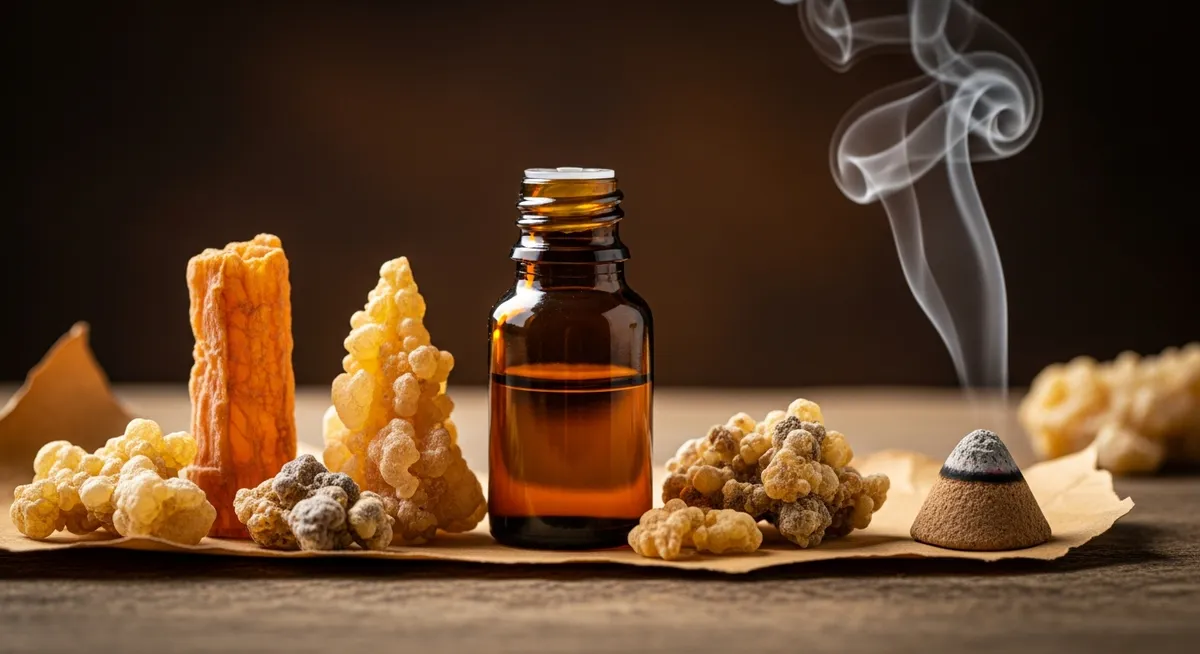
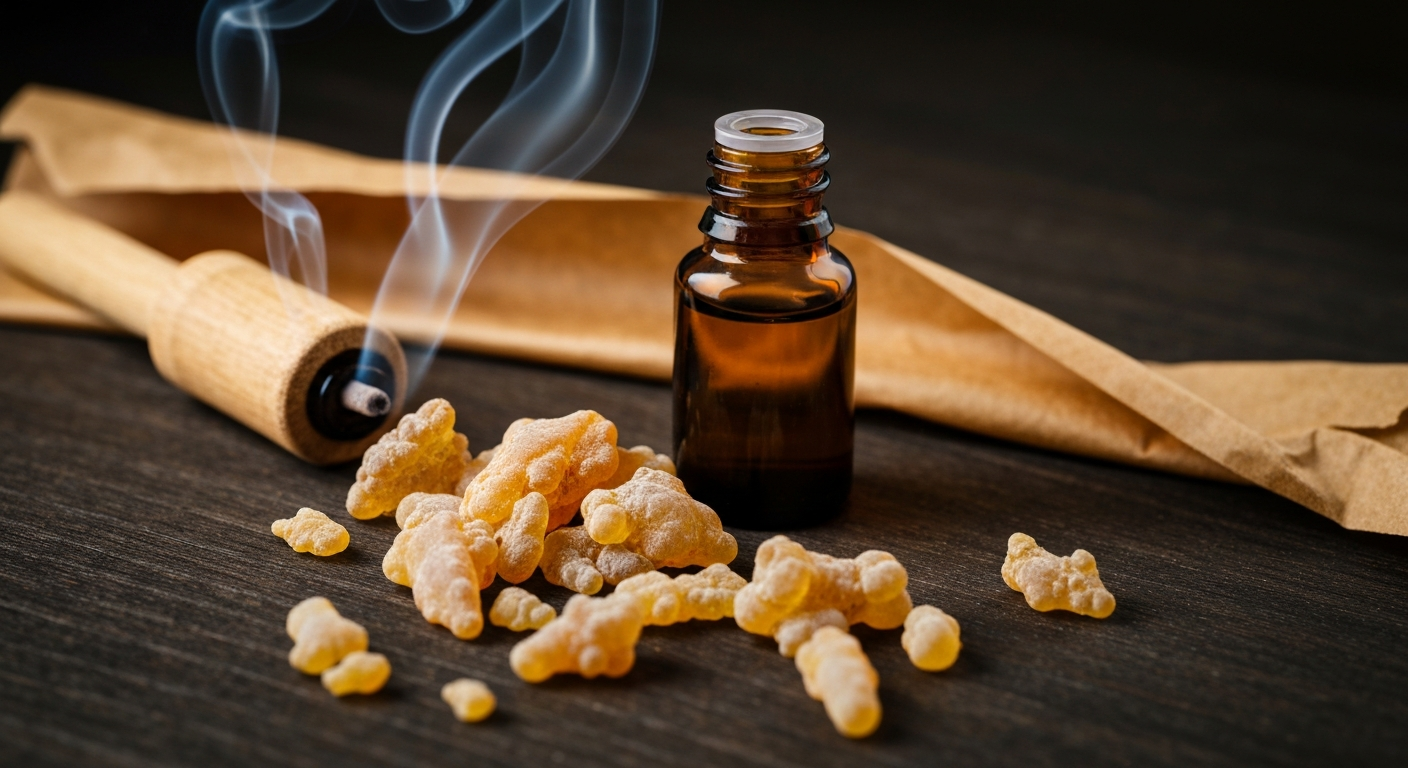
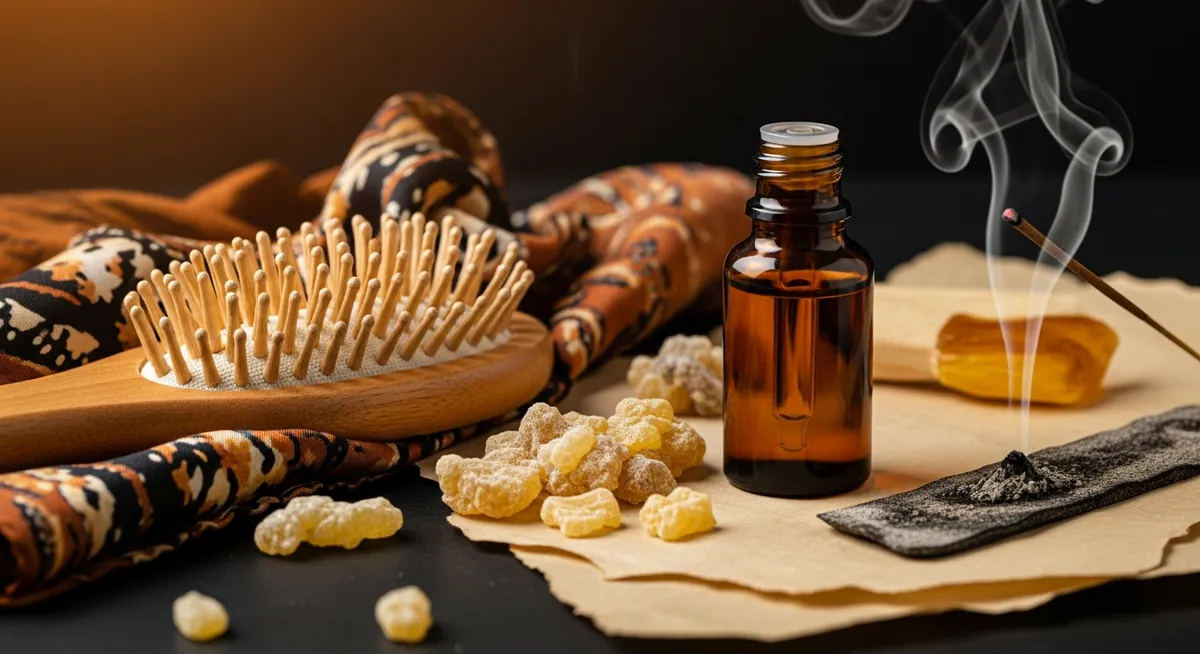
Derived from the Boswellia tree, frankincense essential oil has been treasured for millennia across ancient civilizations. This precious oil contains unique compounds like boswellic acids and alpha-pinene that some research suggests may support cellular regeneration processes. In traditional Ayurvedic and Middle Eastern practices, frankincense was often incorporated into scalp treatments, though these applications were primarily ceremonial and wellness-focused rather than medical.
For those interested in exploring frankincense for hair care, understanding its gentle nature and potential compatibility with sensitive scalps makes it an intriguing option for modern hair enthusiasts.
Rosemary: The Aromatic Herb
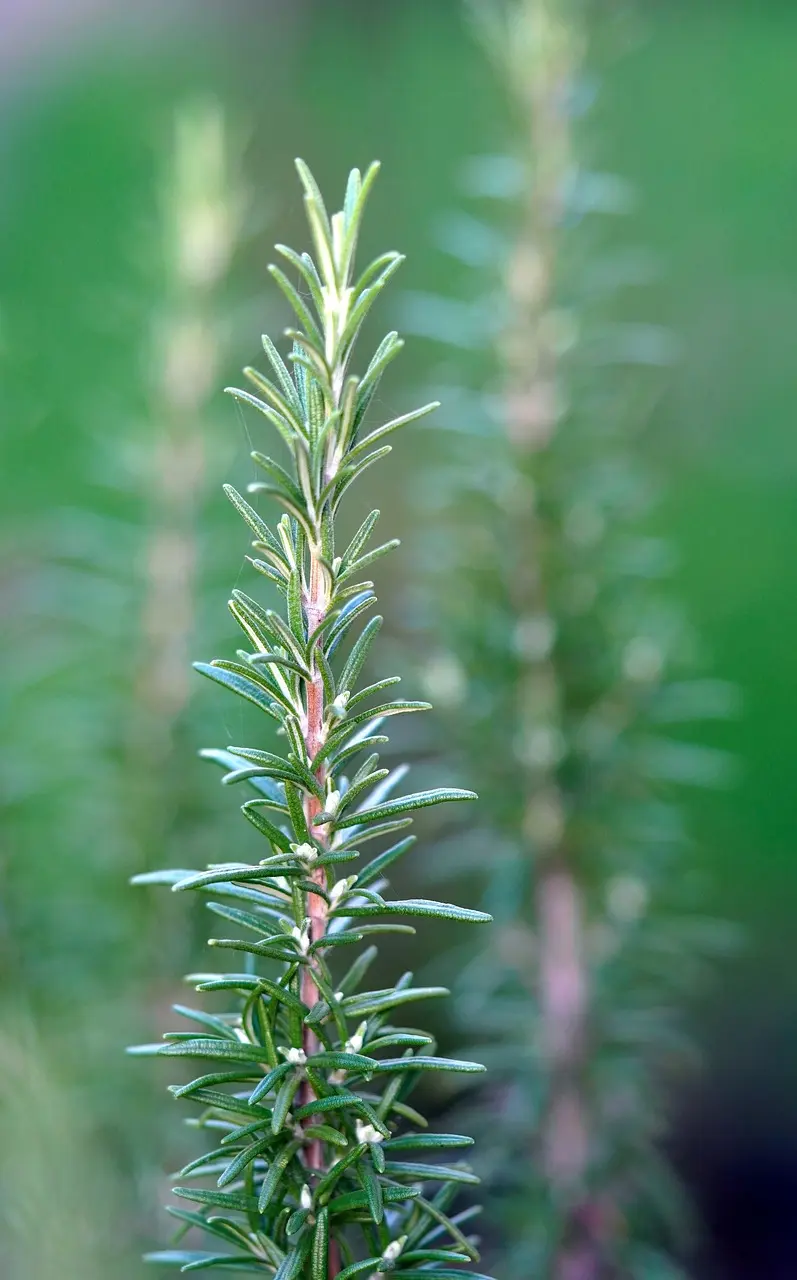
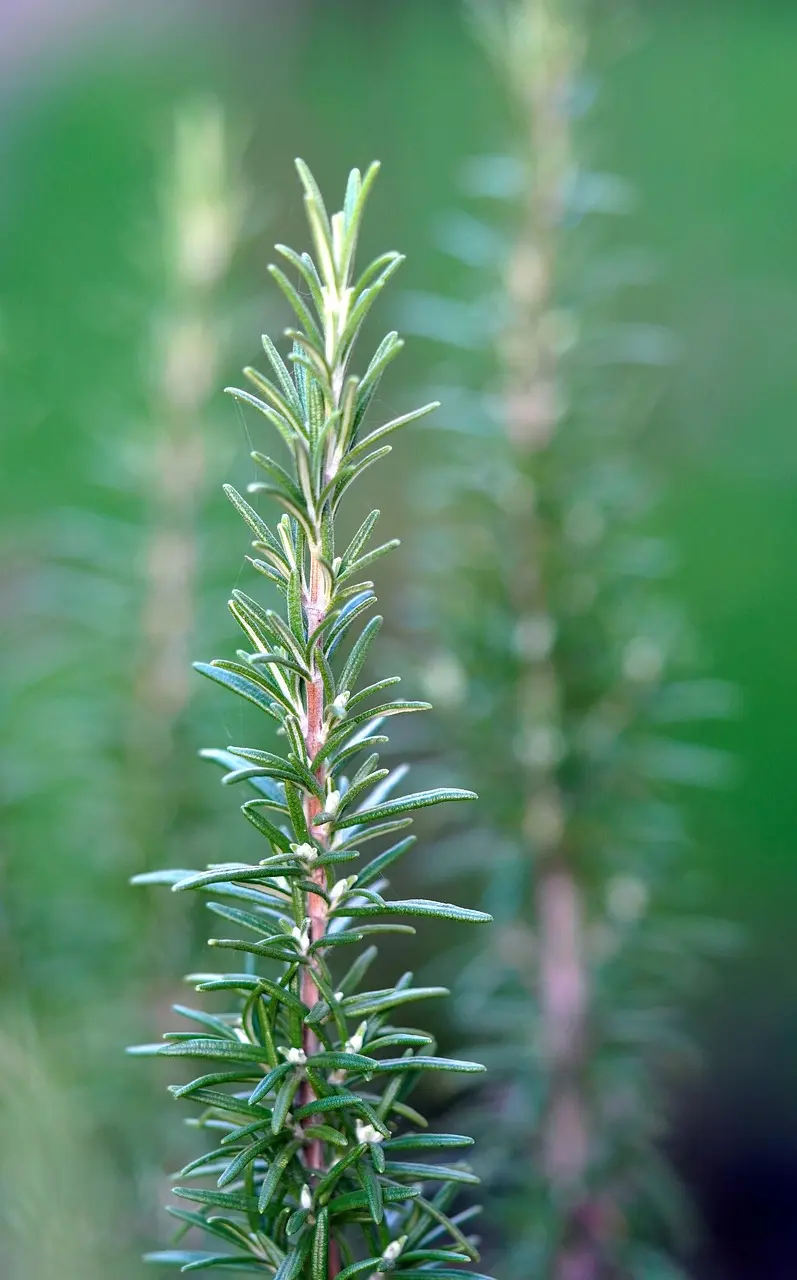
Rosemary essential oil, extracted from the needle-like leaves of Rosmarinus officinalis, brings a different profile to hair care discussions. Rich in compounds like 1,8-cineole, camphor, and rosmarinic acid, rosemary oil has been traditionally used in European folk practices for scalp wellness. Some contemporary research has examined rosemary's potential effects on circulation and follicle environments, though findings should be interpreted as preliminary observations rather than definitive medical evidence.
The Science Behind Hair Growth
Before diving into oil-specific research, it's important to understand that hair growth is a complex biological process influenced by genetics, hormones, nutrition, stress levels, and overall health. No essential oil can override these fundamental factors, but some research suggests certain compounds may support optimal scalp conditions that allow natural hair growth processes to function effectively.
Hair follicles require adequate circulation, a balanced scalp microbiome, and protection from oxidative stress to maintain their natural cycles. Both frankincense and rosemary contain compounds that researchers have studied for their potential antioxidant and circulation-supporting properties, though more research is needed to fully understand their effects.
Research Overview: Frankincense and Hair
Scientific literature specifically examining frankincense oil's effects on hair growth remains limited. However, some studies have investigated the oil's broader properties that might theoretically support scalp health:
- Anti-inflammatory properties: Some research suggests frankincense may help support the body's natural anti-inflammatory processes, which could theoretically benefit scalp comfort.
- Cellular regeneration: Laboratory studies have observed frankincense's potential effects on cellular processes, though human hair follicle applications remain theoretical.
- Stress response: Aromatherapy research indicates frankincense may help promote relaxation, and since stress can impact hair health, this indirect benefit deserves consideration.
People who incorporate frankincense into their hair care routines often report improved scalp comfort and a sense of overall hair wellness, though these remain anecdotal observations rather than clinical evidence.
Research Overview: Rosemary and Hair
Rosemary oil has received more direct scientific attention regarding hair-related applications:
- Circulation studies: Some research suggests rosemary oil may support healthy circulation when applied topically, which could theoretically benefit scalp blood flow.
- Comparative studies: A small 2015 study compared rosemary oil to minoxidil in men experiencing androgenetic alopecia, observing similar hair count increases after six months. However, this single study requires replication and shouldn't be interpreted as medical evidence.
- Antioxidant activity: Laboratory research has identified rosemary's antioxidant compounds, which might help protect scalp tissues from environmental stressors.
While these findings are encouraging, it's crucial to note that research remains preliminary, and individual results can vary significantly.
Detailed Comparison Table
| Attribute | Frankincense Oil | Rosemary Oil |
|---|---|---|
| Primary Compounds | Alpha-pinene, limonene, boswellic acids | 1,8-cineole, camphor, rosmarinic acid |
| Scent Profile | Woody, warm, slightly sweet | Fresh, herbaceous, camphor-like |
| Research Level | Limited hair-specific studies | More direct hair-related research |
| Traditional Use | Sacred rituals, general wellness | Culinary and folk hair treatments |
| Scalp Sensitivity | Generally well-tolerated | May cause irritation in sensitive individuals |
| Dilution Recommendation | 0.5-2% for scalp application | 1-2% for most individuals |
| Price Range | Premium (higher cost) | Moderate (more affordable) |
| Availability | Specialty suppliers preferred | Widely available |
Pros and Cons Analysis
Frankincense Oil Advantages
- Gentle nature: Generally well-tolerated by sensitive scalps
- Luxurious experience: Premium scent and feel enhance hair care rituals
- Stress-reduction potential: Aromatherapy benefits may indirectly support hair wellness
- Minimal irritation: Lower risk of scalp sensitivity reactions
- Versatile blending: Complements other oils in DIY hair serums
Frankincense Oil Considerations
- Higher cost: Premium pricing may limit regular use
- Limited research: Fewer hair-specific studies available
- Subtle effects: Benefits may be less immediately noticeable
- Quality variations: Sourcing authentic, high-grade oil requires careful supplier selection
Rosemary Oil Advantages
- Research backing: More studies examining hair-related applications
- Affordable option: Cost-effective for regular use
- Invigorating scent: Energizing aroma that many find pleasant
- Wide availability: Easy to source from multiple suppliers
- Stimulating sensation: May create a tingling feeling that users interpret as "working"
Rosemary Oil Considerations
- Potential irritation: May cause sensitivity in some individuals
- Strong scent: Camphor-like aroma isn't universally appreciated
- Dilution critical: Requires careful dilution to avoid scalp irritation
- Quality variations: Commercial grades vary significantly in potency
Best Use Cases for Each Oil

Choose Frankincense Oil If You:
- Have sensitive or reactive scalp conditions
- Prefer luxury experiences in personal care
- Enjoy woody, warm scents over herbal ones
- Want to incorporate stress-reduction into hair care
- Are combining oils with premium carrier oils for enhanced benefits
- Value traditional wellness practices and ancient wisdom
Choose Rosemary Oil If You:
- Prefer options with more direct hair research
- Want an affordable, sustainable hair care solution
- Enjoy invigorating, herbaceous scents
- Don't have known sensitivities to camphor compounds
- Want a stimulating scalp experience
- Prefer readily available, mainstream options
Application Methods and Safety Considerations
Regardless of which oil you choose, proper application and safety measures are essential:
Dilution Guidelines
- Frankincense: Dilute to 0.5-2% concentration (3-12 drops per ounce of carrier oil)
- Rosemary: Start with 1% concentration (6 drops per ounce of carrier oil) and adjust as tolerated
Essential Safety Reminders
- Always perform patch tests before first use
- Never apply undiluted essential oils directly to scalp
- Discontinue use if irritation occurs
- Avoid contact with eyes and mucous membranes
- Consult healthcare providers if you're pregnant, nursing, or have scalp conditions
- Remember that essential oils are not medical treatments
Combining Both Oils: A Synergistic Approach
Rather than choosing just one oil, some hair care enthusiasts find success in combining frankincense and rosemary oils. (See: NIH — Boswellia Research.) This approach may offer the gentle, stress-reducing properties of frankincense alongside the more researched circulation-supporting aspects of rosemary.
A balanced blend might include:
- 60% rosemary oil for its research-backed properties
- 40% frankincense oil for gentle, complementary benefits
- Both diluted together in a nourishing carrier oil blend
This combination approach allows you to experience both oils' potential benefits while potentially minimizing individual drawbacks.
The Verdict: Which Oil Wins?
The frankincense vs rosemary oil debate doesn't have a universal winner—the best choice depends entirely on your individual needs, preferences, and circumstances.
Choose rosemary oil if: You want an evidence-based approach with more direct hair research, prefer affordable options, and don't have sensitivities to stronger scents.
Choose frankincense oil if: You have sensitive skin, value luxury experiences, prefer gentle approaches, and want to incorporate stress-reduction into your hair care routine.
Consider combining both if: You want to potentially maximize benefits while balancing cost and gentleness.
Beyond the Oils: Holistic Hair Health
While this comparison focuses on frankincense vs rosemary oil for hair growth, it's important to remember that healthy hair depends on multiple factors:
- Balanced nutrition with adequate protein, vitamins, and minerals
- Stress management and adequate sleep
- Gentle hair handling and styling practices
- Protection from environmental damage
- Regular scalp cleansing and care
Essential oils can be valuable additions to a comprehensive hair care approach, but they work best as part of an overall wellness strategy rather than standalone solutions.
Final Recommendations
Whether you choose frankincense, rosemary, or a combination of both oils, approach your hair care journey with realistic expectations and patience. Natural approaches typically require consistent use over months to potentially show benefits, and results vary significantly between individuals.
Remember to source high-quality oils from reputable suppliers, always dilute properly, and discontinue use if any adverse reactions occur. Most importantly, if you have underlying scalp conditions or hair loss concerns, consult with qualified healthcare providers who can address potential medical causes and recommend appropriate treatments.
Both frankincense and rosemary oils offer unique properties that may support your natural hair care goals. The choice between them—or the decision to use both—ultimately depends on your personal preferences, budget, and individual response to these remarkable botanical essences.
Shop Frankincense Essential Oil
Whether you pick frankincense, rosemary, or both, quality decides the experience — our frankincense comes steam-distilled with a GC/MS report.
Shop Frankincense Oil →